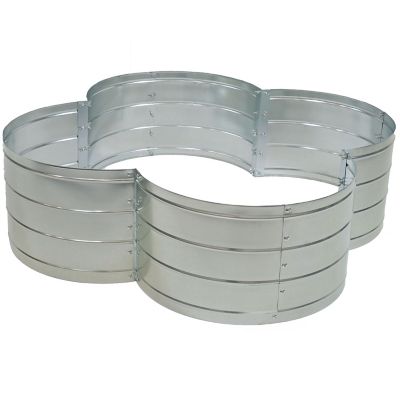
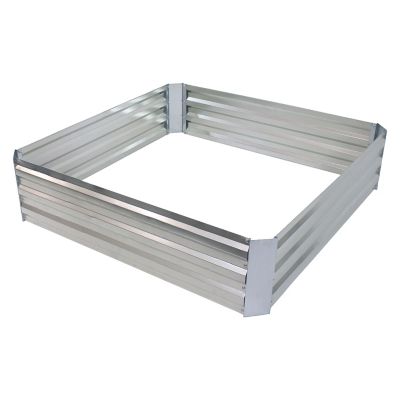
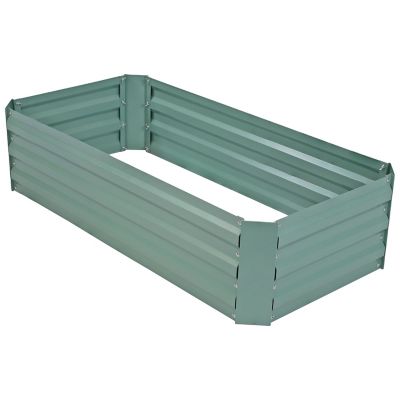
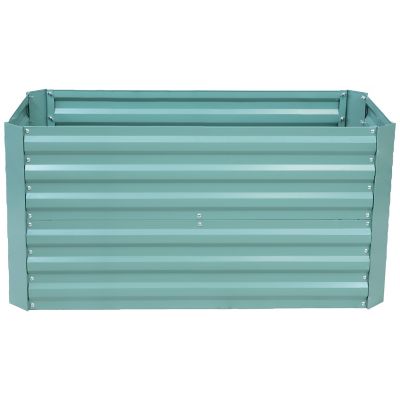
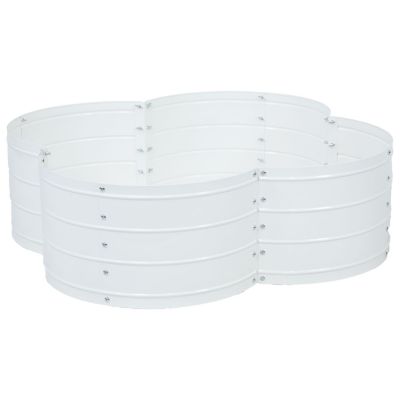
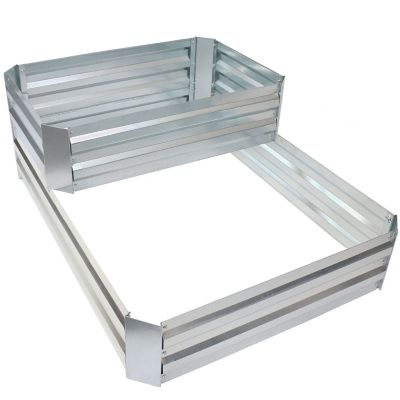
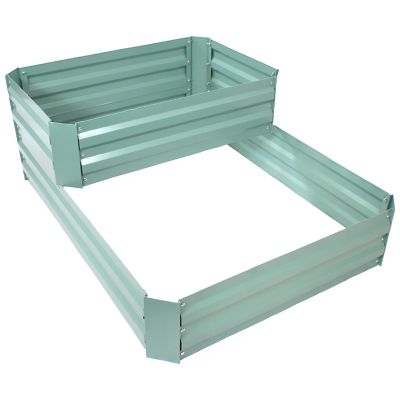
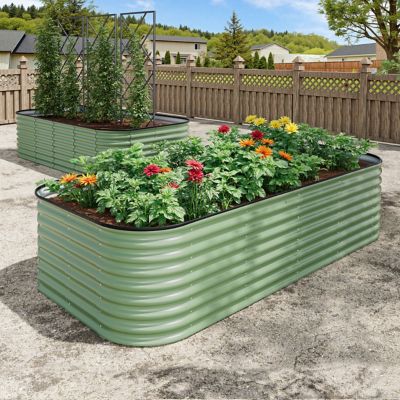
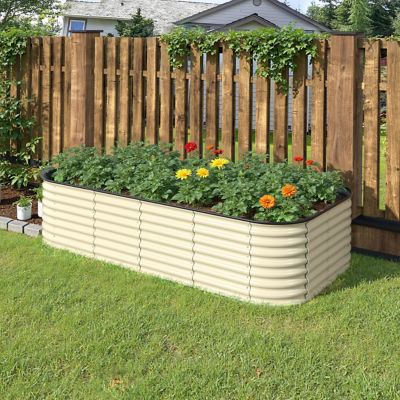
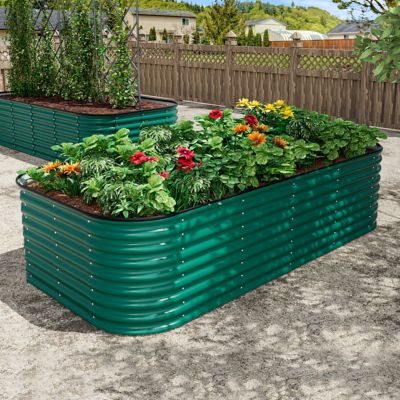
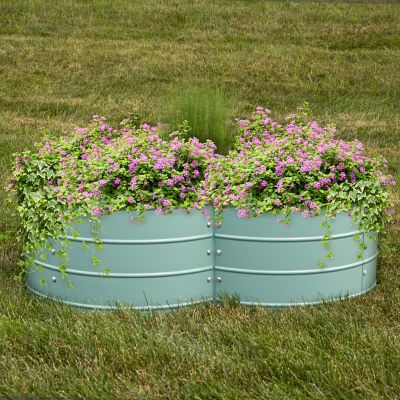
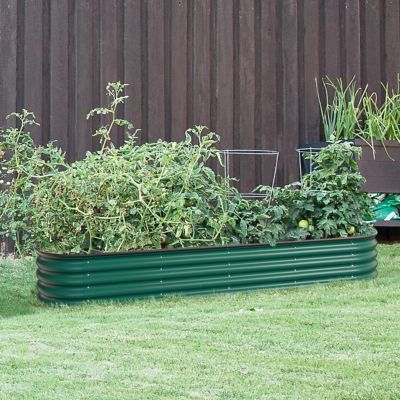
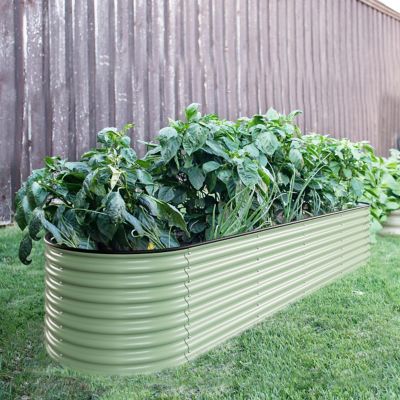
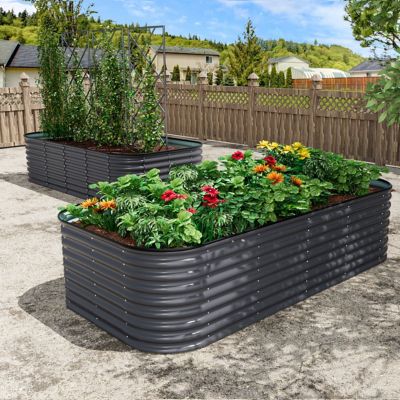
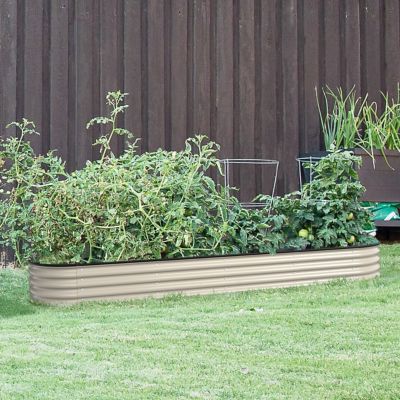
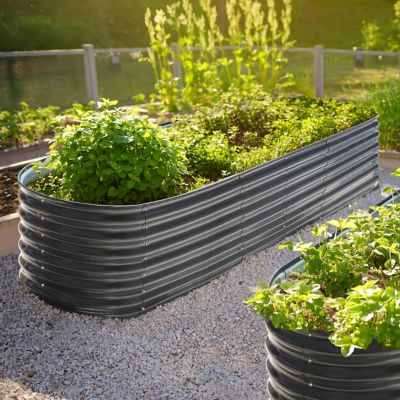
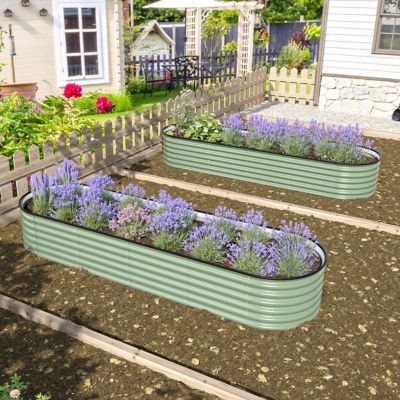
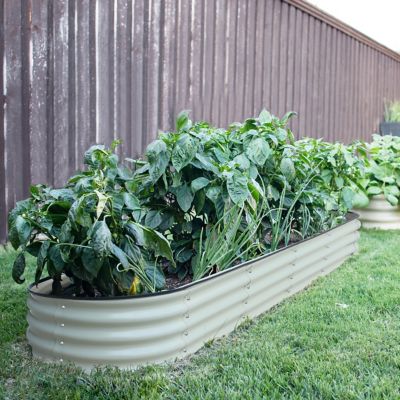
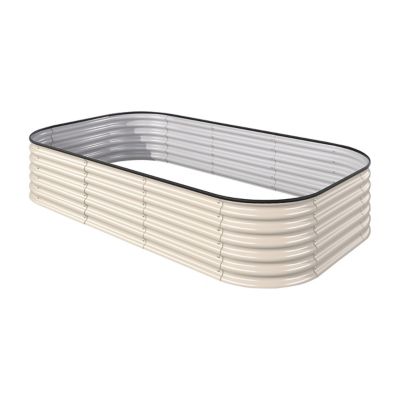
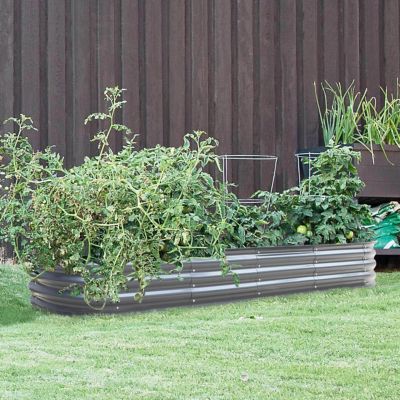
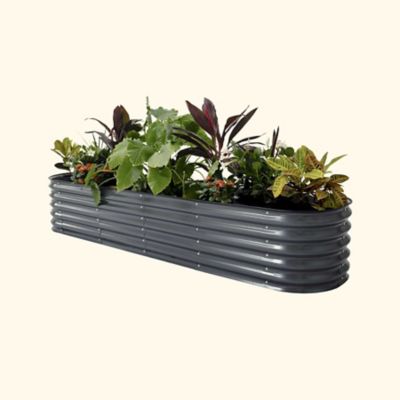
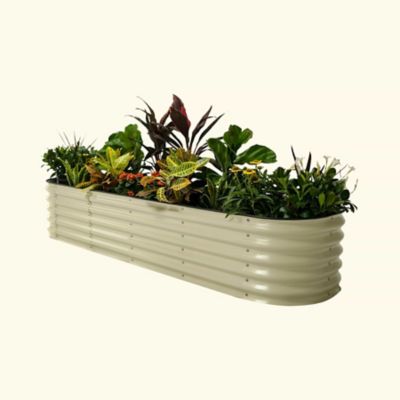
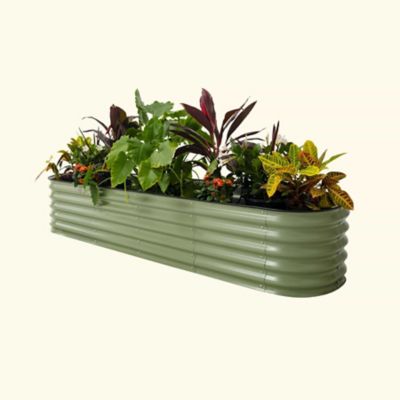
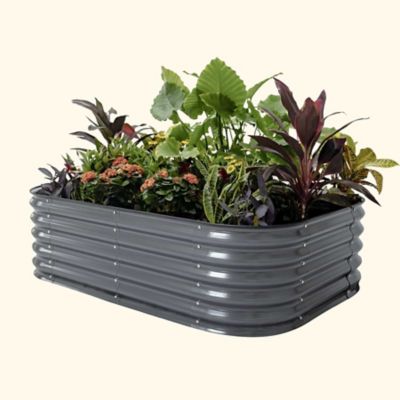
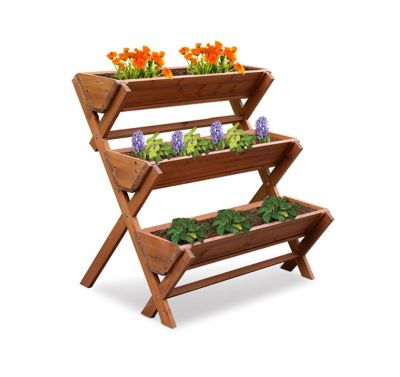
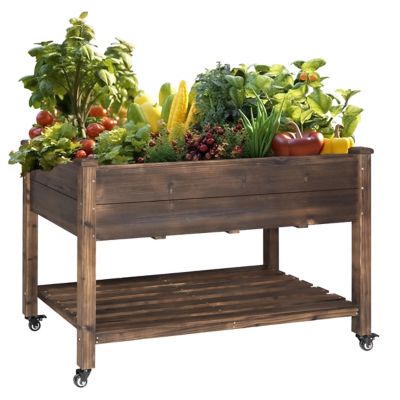
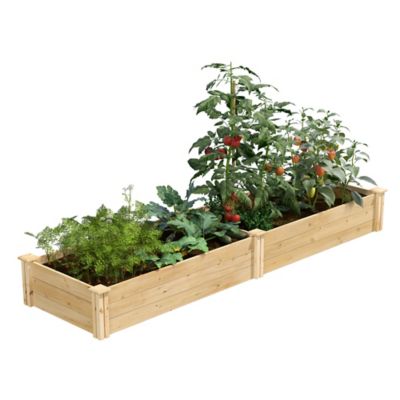
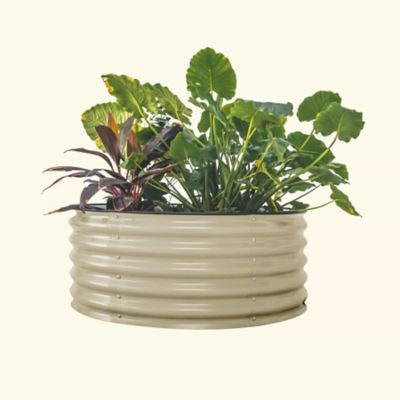
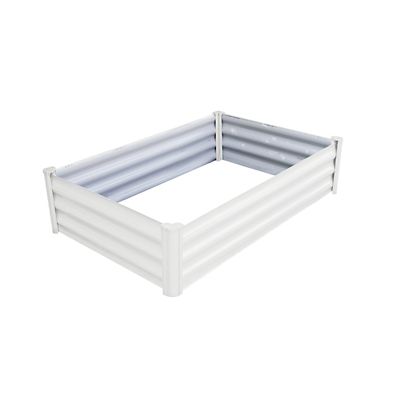
A bottomless raised garden bed is an open-bottom frame that sits directly on the ground, holding added soil above ground level while allowing roots to reach the native soil underneath. Unlike an elevated planter with a floor, it creates a contained growing space without separating the planting area from the earth below. That makes bottomless raised garden beds a practical choice for vegetable patches, kitchen gardens, and planting areas beside a shed or along a backyard fence. The frame keeps loose soil gathered in one place and gives the garden a clear edge, while the open base lets water move into the ground where soil conditions allow. Drainage still depends on the soil underneath; a raised frame alone will not fix a low spot where water collects. Bed height, width, and length all affect how the space works. A lower frame can define a planting area without requiring as much fill, while taller sides hold more added soil and reduce the distance between a gardener’s hands and the planting surface. Taller sides do not necessarily provide seated access, though, since reach also depends on the frame’s width and the space around it. For a bed reached from both sides, a width of about 4 feet often keeps the center within reach without stepping into the soil. A bed against a fence or wall generally needs a narrower footprint. Room for a wheelbarrow, watering hose, or garden cart matters just as much as the planting space itself. On a small property, a compact rectangle can keep herbs close to the kitchen door; on an acreage, several frames can organize a larger vegetable patch into manageable sections. Bottomless beds are generally intended for placement over earth rather than a deck or concrete slab, where loose soil, drainage water, and the lack of a supporting floor create different requirements.
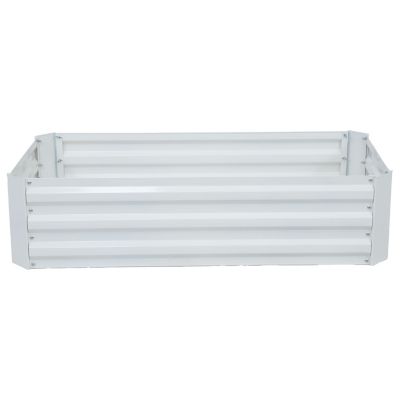
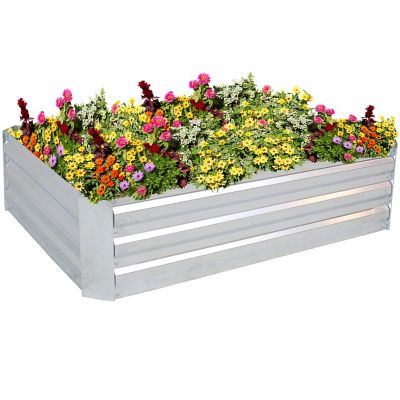
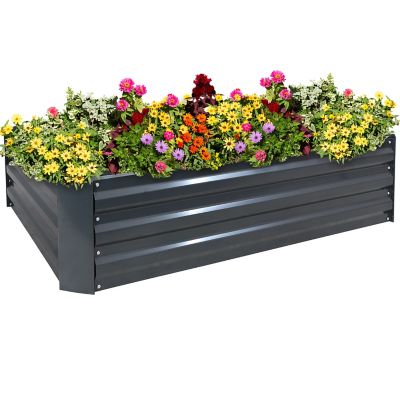
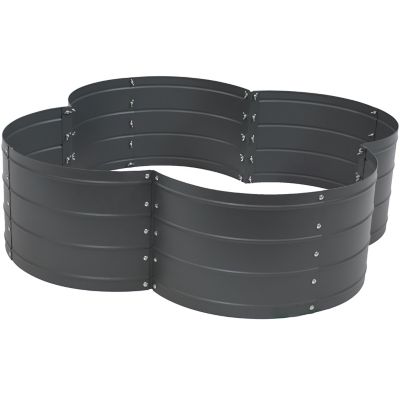
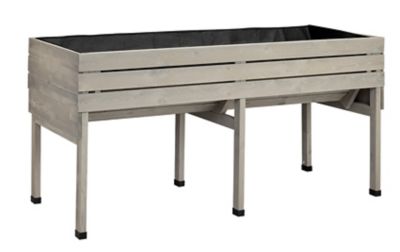
Materials and construction influence how a bottomless bed fits the property and how much attention it needs over time. Wood brings a familiar garden look, and naturally rot-resistant species such as cedar can be appealing where the frame stays in contact with damp soil. Board thickness, corner connections, and the suitability of any treatment or finish for the intended planting use deserve a close look, especially around edible crops. Metal frames offer another approach, often with formed panels and bolted corners that make a clearly defined planting boundary. Protective coatings, smooth upper edges, and capped hardware are useful details where hands, hoses, and clothing pass over the rim. Composite materials may offer a woodlike appearance with different upkeep needs, although their weight, fastening requirements, and resistance to bending vary by construction. No material is free from wear, and the way a frame handles outward soil pressure matters as much as its appearance. Longer sides and taller walls may need braces or reinforced connections specified by the manufacturer. A level, firmly supported footprint helps keep joints aligned and reduces gaps beneath the frame where soil could escape. Assembly space is another practical consideration: long panels need room to turn, and reaching bolts inside a narrow frame can be awkward once the bed is filled. Checking the finished dimensions, hardware requirements, and assembly directions before filling helps prevent a lot of extra shoveling. Ongoing care is usually straightforward but should match the material. Loose fasteners need attention, damaged coatings may need manufacturer-approved touch-up, and wood should be checked for soft spots, splitting, or shifting joints. Keeping power trimmers from repeatedly striking the frame can also spare edges and finishes. For households with children helping in the garden, rounded corners and covered sharp edges make everyday tasks more comfortable, whether the job is sowing beans, pulling weeds, or picking a handful of parsley for supper.
The right growing depth depends on both the plants above ground and the soil below the frame. Lettuce and many herbs can fit into shallower planting areas, while carrots and other root crops need a loose, unobstructed rooting zone. Tomatoes and other large plants benefit from enough soil volume for substantial roots, along with room for supports that will not crowd neighboring plants. Because the base is open, a shorter bed can still offer deeper rooting where the native ground is workable; hard-packed soil, rock, or a restrictive layer changes that picture. For more growing depth above ground,
Deep Raised Garden Beds are worth a look, particularly when bending is a concern or the existing soil leaves little room for roots. Filling volume deserves attention, too, since even a modest increase in wall height can mean considerably more soil to move. A soil blend intended for raised beds generally balances moisture retention with drainage, while compost can add organic matter as part of an ongoing soil-care routine. Plain garden soil may pack tightly when moved into a frame, and straight compost is not a complete substitute for a balanced growing medium. Open bottoms also mean that weeds and burrowing animals can enter from below. Where digging pests are a concern, a properly secured wire barrier may help, with mesh openings selected for the local pest and the intended root growth. The open base does not replace regular checks for weeds, moisture, or plant problems. Soaker hoses and drip lines can keep watering close to the roots, while a layer of mulch helps limit evaporation and soil splash. These beds suit first-time vegetable growers, experienced gardeners dividing crops into separate spaces, and families who enjoy tending a patch together. They can also make a thoughtful gift for a gardener when the footprint, assembly needs, and amount of soil match the space and the person doing the planting.