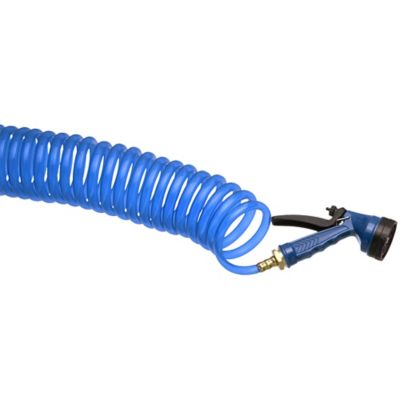
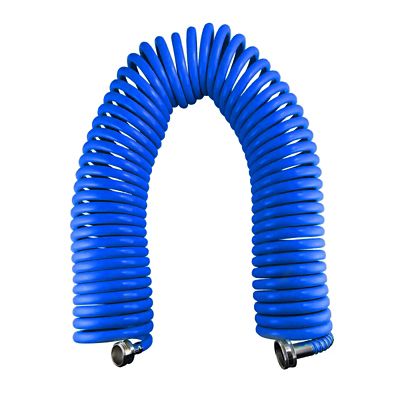
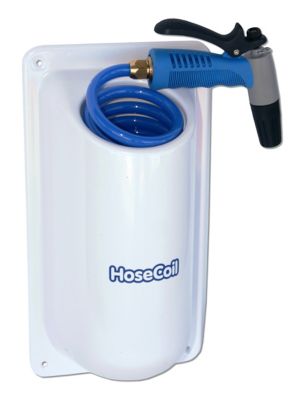
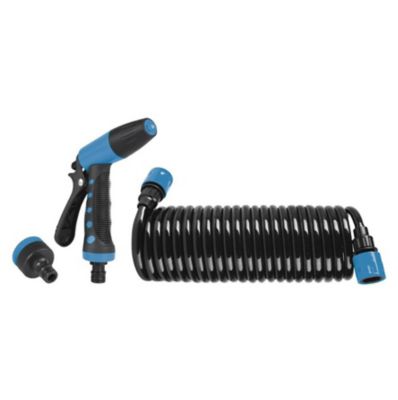
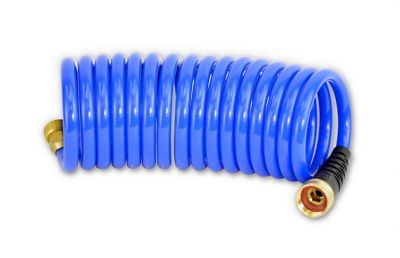
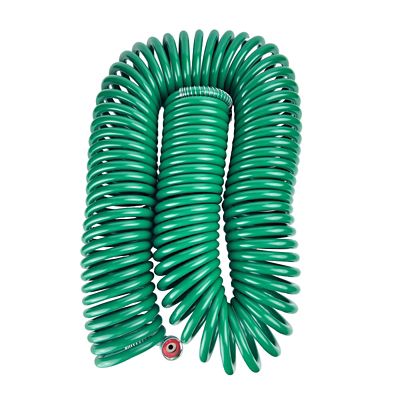
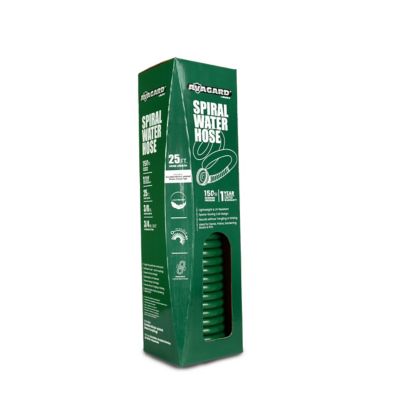
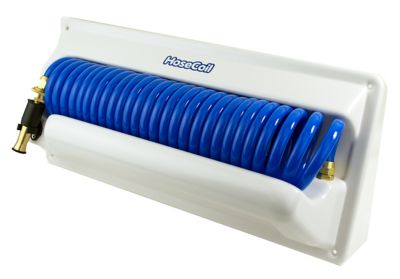
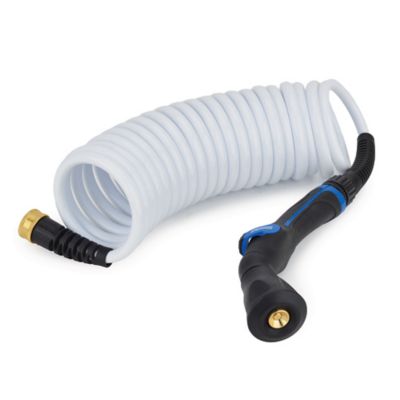
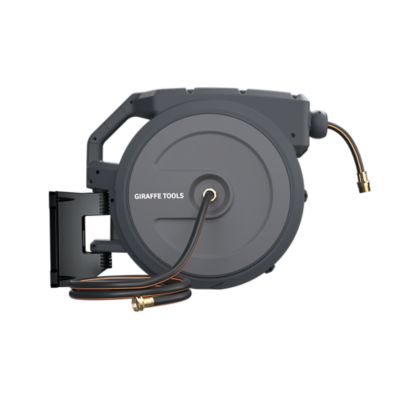
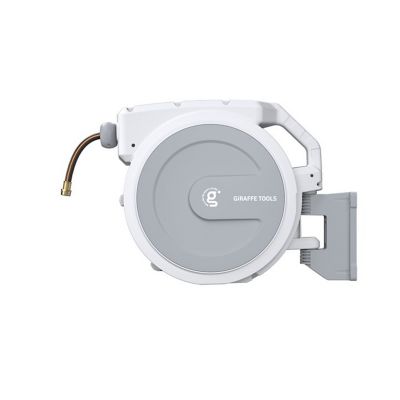
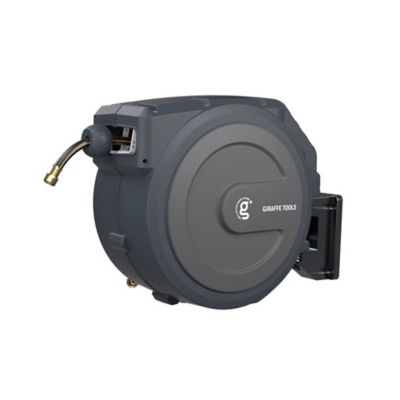
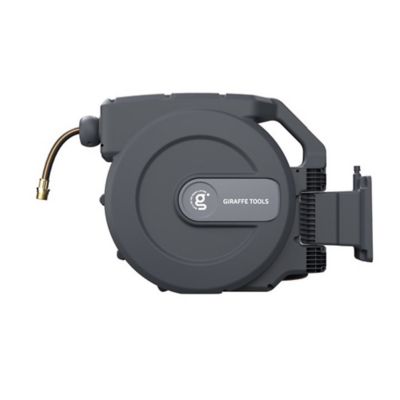
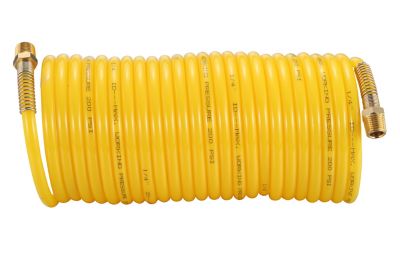
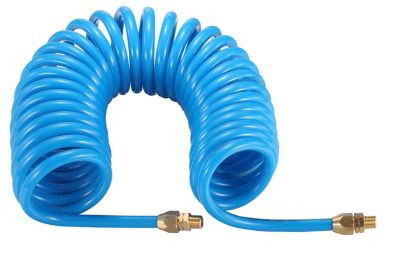
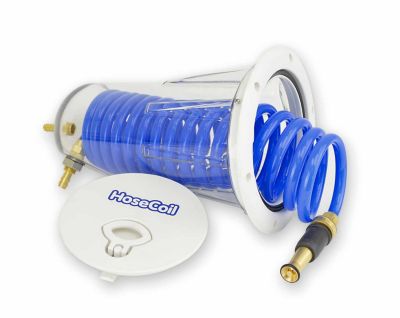
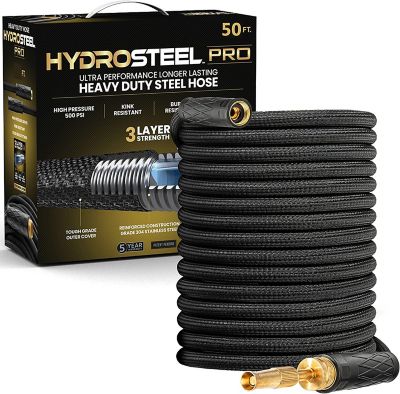
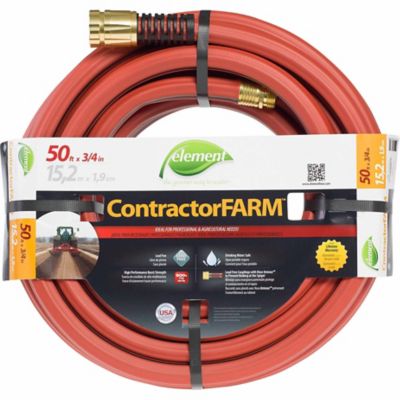
Self-coiling garden hoses keep everyday watering close at hand without leaving a long hose stretched across the yard. Also called coil hoses or recoil hoses, they have a spring-like spiral that extends as you move away from the faucet and draws back into a compact shape when released. That built-in coil makes them a practical fit for porch planters, patio pots, raised beds and small garden patches near a water source. Around a country place, a short watering run might mean tending herbs beside the kitchen steps, rinsing muddy boots near the shed or washing soil off a planting tray. A self-coiling hose suits those stop-and-go chores, especially when hauling a full-length garden hose would take more effort than the job itself. Its compact shape also helps keep a small work area tidy, although the coils still need a clear resting spot away from foot traffic. Reach is an important distinction with this hose style: the stated length does not always equal the distance it will comfortably cover during watering. Spring tension can make the last stretch harder to manage, and the path around porch posts, benches or garden beds adds distance. A hose that reaches a planter only when pulled tight may tug at the nozzle or drag across nearby pots. Some extra reach leaves room to move without putting constant strain on the faucet connection. Manufacturer specifications are the best reference for working length because coil shape, tubing and recoil strength vary. Unlike an expandable hose, which changes length as water pressure fills it, a recoil hose gets its shape from the tubing itself. It also differs from a hose reel: there is no drum winding the hose back in. The appeal is straightforward—a manageable length of hose that gathers into its own spiral between chores, with less loose tubing to carry or arrange by hand.
Materials, inside diameter and fittings all affect how a self-coiling garden hose feels at the faucet and performs at the nozzle. Polyurethane and ethylene vinyl acetate, often labeled EVA, are common tubing materials in this category. Polyurethane can provide good flexibility, abrasion resistance and shape recovery, while EVA can offer a light, easy-to-handle option for routine watering. Performance depends on the full construction, including wall thickness and fitting attachment, rather than the material name alone. Drinking-water suitability is a separate consideration; polyurethane or EVA labeling by itself does not establish that a hose is intended for potable water. An explicit drinking-water-safe designation matters whenever that is part of the intended job. Inside diameter deserves just as much attention as overall length. Many coil hoses have a smaller bore, often around 3/8 inch, than a conventional 5/8-inch garden hose. That smaller passage helps keep the hose manageable but generally limits flow, particularly over longer distances. Gentle watering around seedlings and container plants does not call for the same water delivery as filling a large trough or tackling a broad washdown area. Actual output also depends on supply pressure, hose length and the attached nozzle, so diameter alone cannot predict a particular flow rate. At the connection points, common U.S. garden-hose fittings have 3/4-inch garden-hose threads, a measurement separate from the tubing’s inside diameter. Matching those threads to the spigot and accessories helps prevent connection trouble. Metal couplings, including brass, can stand up well to repeated attachment, while easy-grip collars make connections easier to manage with wet hands. A sound hose washer helps seal the joint without excessive tightening. Strain relief near either end supports the tubing where sharp bends are most likely, and swivel fittings can reduce twisting as the hose moves. Those small details make a difference when the faucet sits low against a wall or behind a row of pots.
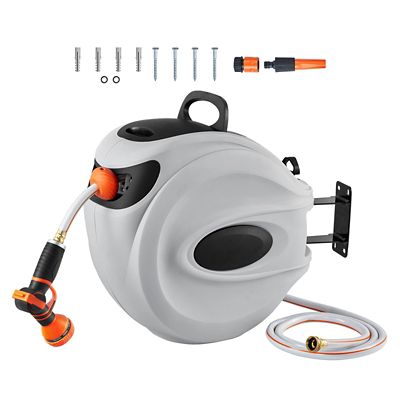
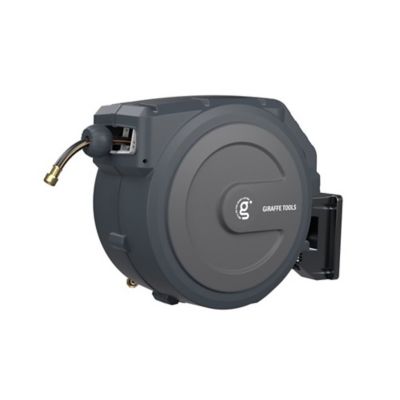
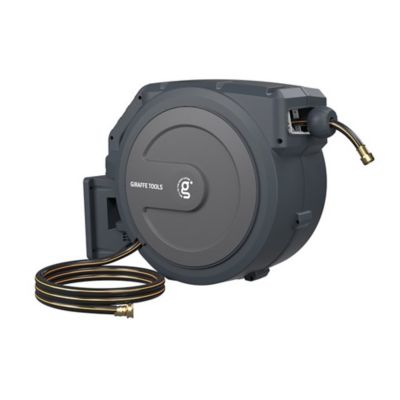
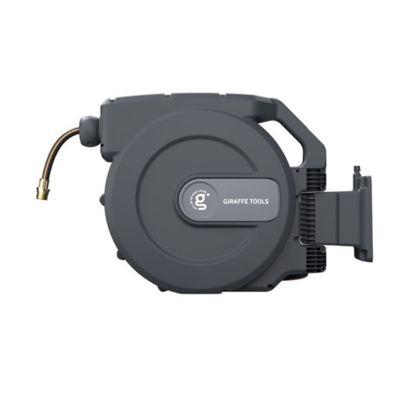
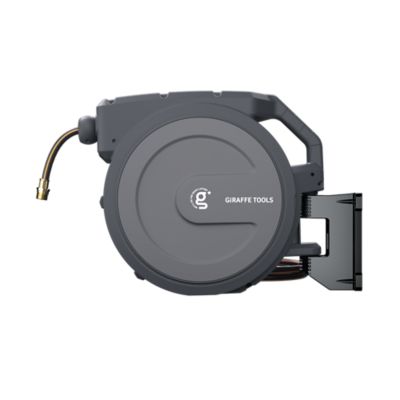
The best fit for a self-coiling garden hose is usually a defined watering area with a fairly open path back to the spigot. A row of buckets planted with tomatoes, a collection of hanging baskets or a potting bench beside the garage gives this hose style a clear job without asking it to stretch across an entire property. A spray nozzle with a gentle shower setting suits tender plants, while a more focused stream can rinse loose dirt from hand tools or an empty wheelbarrow. Nozzle compatibility and whether attachments come with the hose vary, so those details belong alongside length and diameter when comparing options. Handling matters, too. A lighter hose can be easier to carry, but strong recoil still takes effort to hold at full reach. For someone who prefers less lifting, comfortable working distance and an easy-to-operate nozzle may matter more than getting the longest hose possible. Gardeners who spend time tending porch pots or small beds may also appreciate a coil hose as a practical gift, particularly when the faucet location and watering distance are already known. For larger areas or shoppers who prefer a housed winding mechanism,
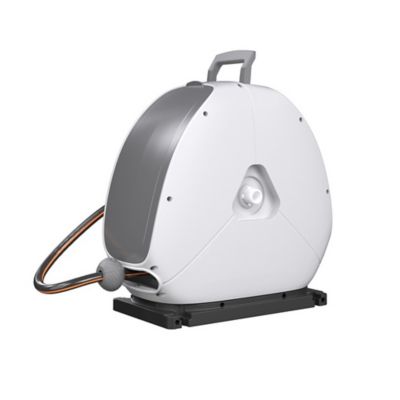
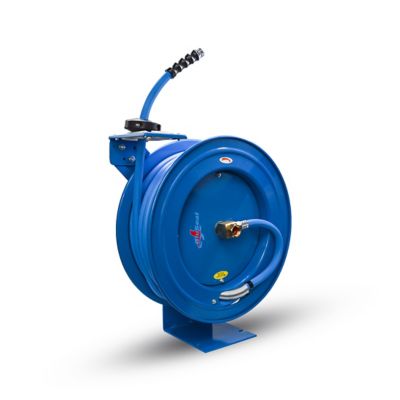
Automatic Hose Reels offer a different approach to keeping a watering setup organized. With a coil hose, everyday care centers on protecting the tubing and allowing the spiral to settle without tangles. Turning off the faucet and releasing pressure through the nozzle after watering reduces prolonged stress on the hose and connections. Guiding the coils back together, rather than pulling against a snag, helps protect their shape. Smooth storage surfaces keep the tubing away from sharp gravel, splintered boards and tool edges, while keeping it clear of tires prevents crushing. These hoses are not meant to support hanging tools or carry the weight of a nozzle dangling from a stretched section. Following the maker’s pressure limits, storage directions and care recommendations helps preserve flexibility and recoil. With the right reach, flow and fittings, a self-coiling hose keeps those small watering jobs simple without adding a long cleanup chore afterward.