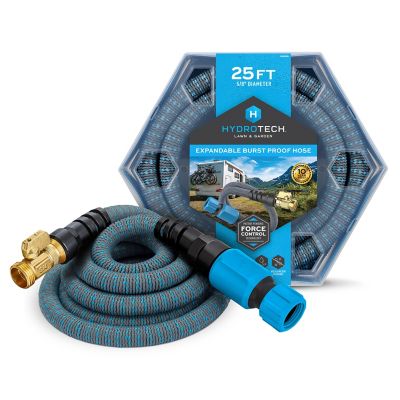
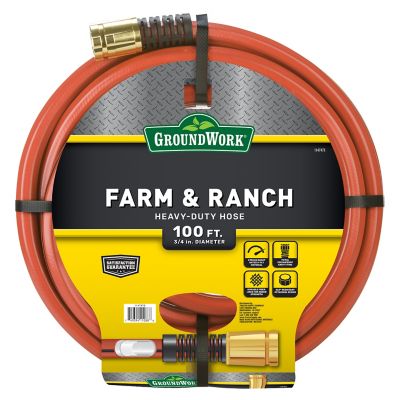
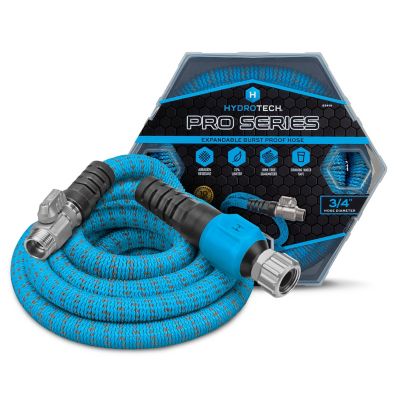
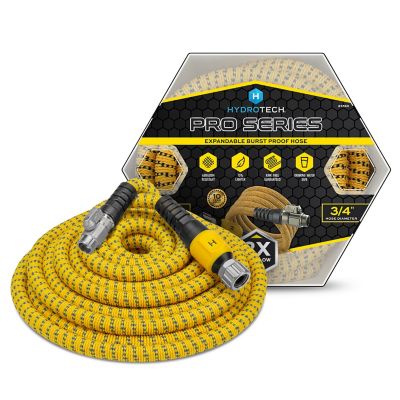
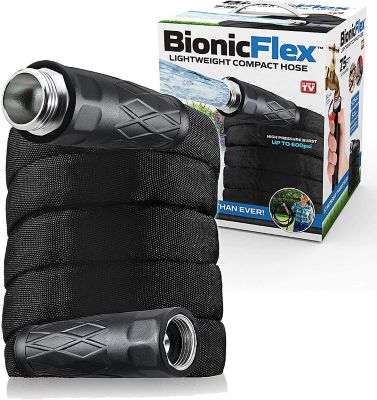
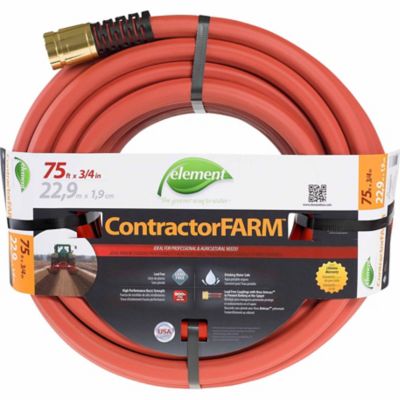
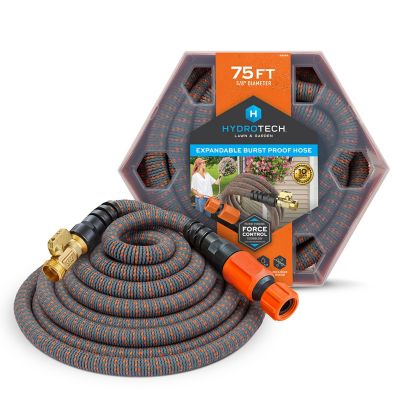
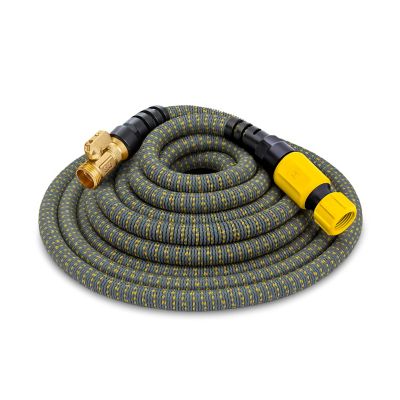
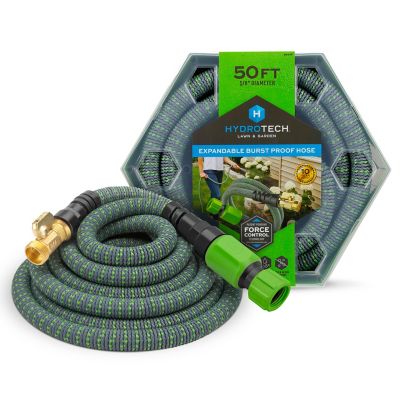
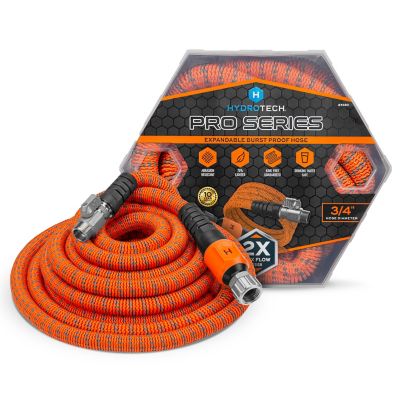
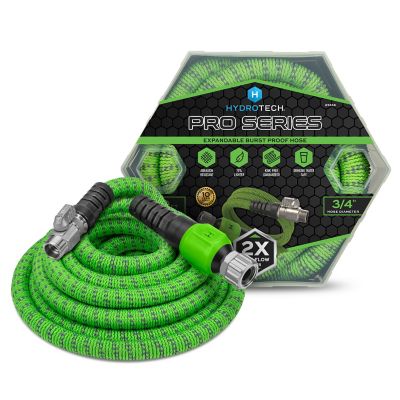
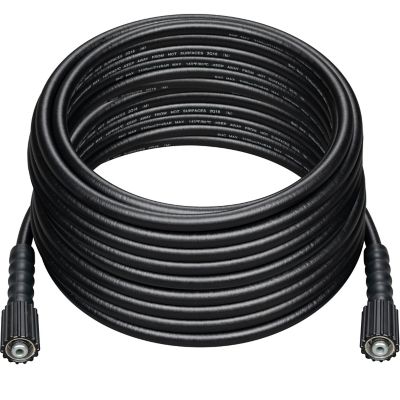
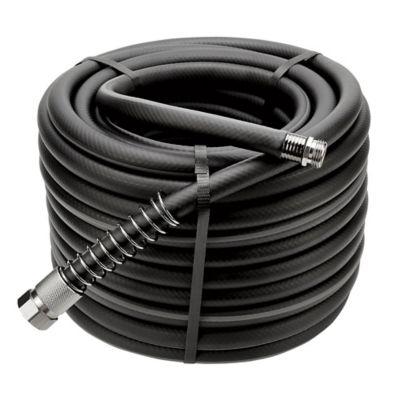
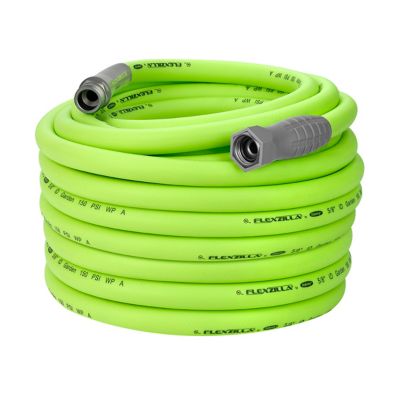
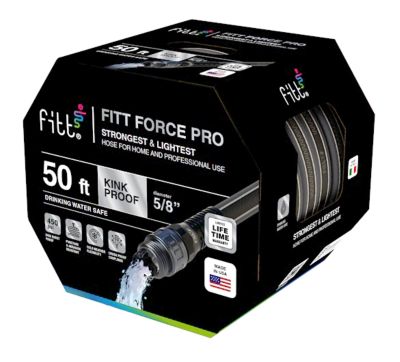
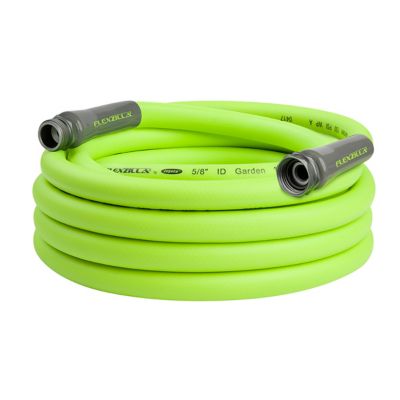
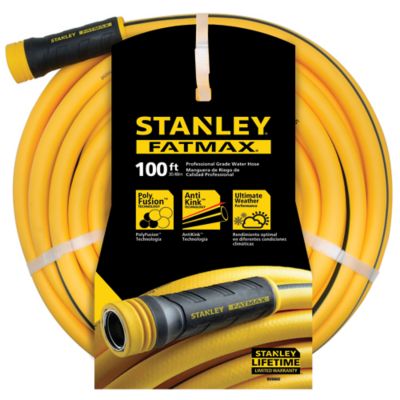
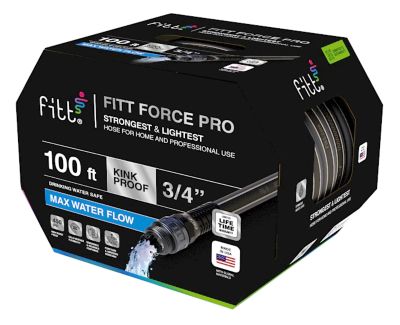
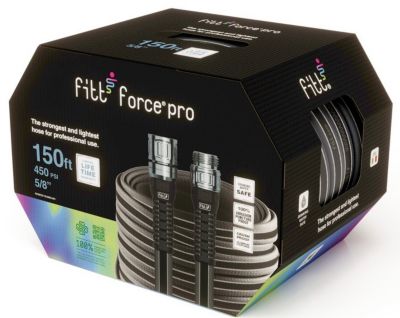
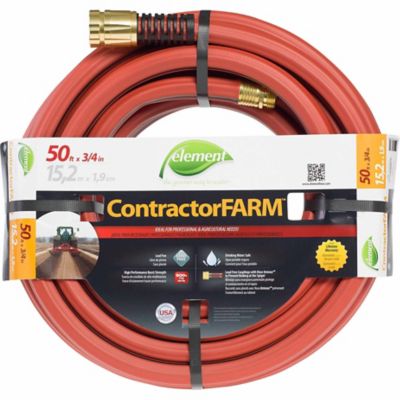
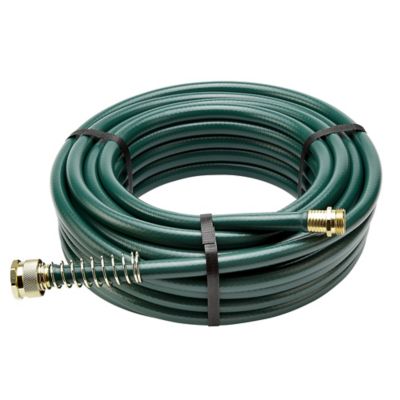
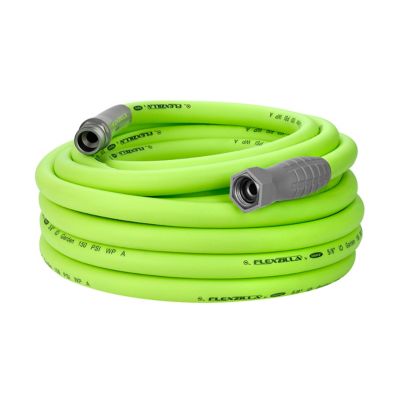
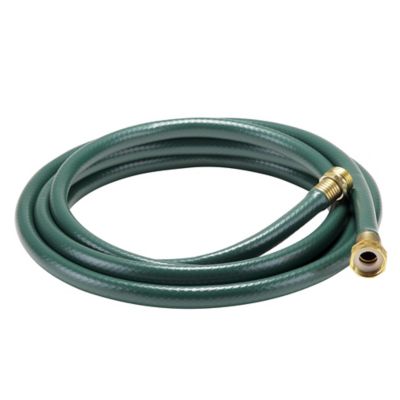
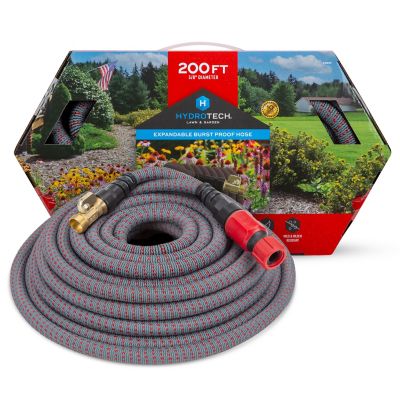
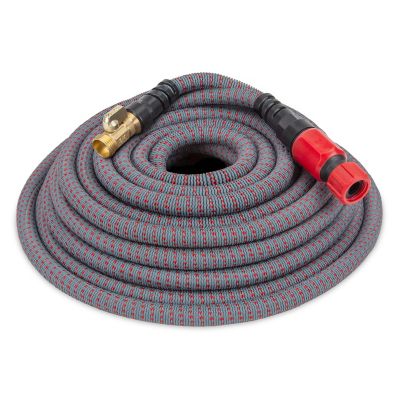
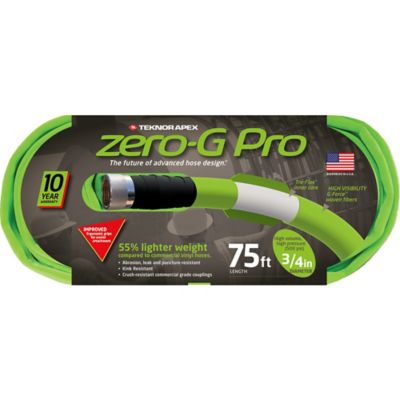
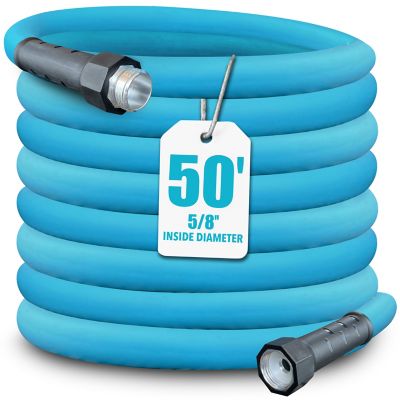
Anti kink hoses are made for the everyday jobs that call for a steady, reliable flow of water without constant stopping to straighten out a twist. Around a farm, homestead, garden, workshop, or busy yard, a hose may be pulled around fence posts, porch steps, raised beds, livestock pens, vehicles, and equipment. Ordinary hoses can fold sharply when they are dragged across the ground or left in a tight coil, pinching the inner passage and cutting down water flow. Anti kink designs help reduce that trouble with flexible materials, reinforced construction, or protective outer coverings that let the hose bend more smoothly. While no hose is completely immune to every kink, the right style can make watering, rinsing, filling, and cleanup a whole lot easier. Hybrid polymer hoses are known for their soft, flexible feel and low memory, so they can lay flatter and coil with less stubborn twisting. Expandable hoses use a flexible inner tube and fabric-style outer jacket that lengthen when filled and shrink for easier storage after the water is turned off. Stainless steel hoses use a durable metal mesh exterior to help shield the inner tube from pinching, snagging, and sharp bends. Each style has its own feel in the hand, so it helps to think about the places where the hose will be used, how far it needs to reach, and how often it will be moved. A short hose may be just right for washing off muddy boots beside the barn, while a longer option can reach garden rows, livestock waterers, driveways, or the far side of a detached garage. For quick reference, shoppers comparing hose colors and coordinating outdoor equipment can also browse
Black Hoses.
When choosing an anti kink hose, pay attention to length, flexibility, weight, fittings, and the type of work it will handle. A longer hose gives you more reach, but extra length also adds weight and takes more room to store. For routine watering near a spigot, a lighter hose may be comfortable to carry from bed to bed. For washing trailers, filling stock tanks, or rinsing off heavy dirt, a reinforced hose with sturdy connectors may be a better match. Look for crush-resistant fittings, dependable washers, and ends that are easy to grip when hands are wet or covered with soil. The hose diameter affects water volume as well; a wider inside diameter can provide stronger flow for larger cleaning jobs, while a smaller, lighter hose may be easier for children, older adults, or anyone who does not want to wrestle with a heavy line. Expandable styles are handy where storage space is limited, such as a small shed, camper, tack room, or porch box, but they should be handled with care and stored out of harsh conditions when possible. Metal-sheathed styles can be a good fit for rougher outdoor use because the exterior helps resist abrasions and punctures, though they may feel different from a traditional rubber or polymer hose. Hybrid hoses often offer a useful middle ground for homeowners and rural properties, combining flexibility with enough toughness for regular yard and chore work. Before buying, consider the water source and connection size, whether the hose will be used with a spray nozzle or sprinkler, and whether it will cross gravel, concrete, grass, or packed dirt. A hose that matches the job is less likely to be overextended, dragged by the end, or left bent behind a gate. Anti kink hoses can also make thoughtful gifts for new homeowners, gardeners, renters with outdoor space, campers, and folks setting up a first workshop or small homestead. Pairing one with a nozzle, hose hanger, or watering accessory creates a practical gift that will see plenty of use during warm-weather chores and the cooler cleanup season that follows.
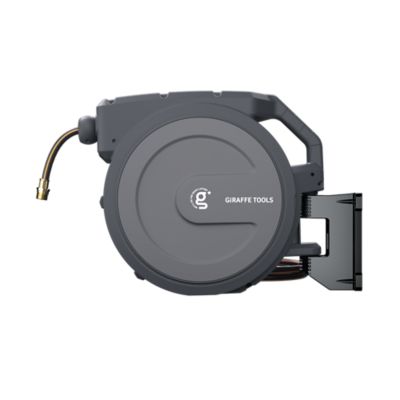
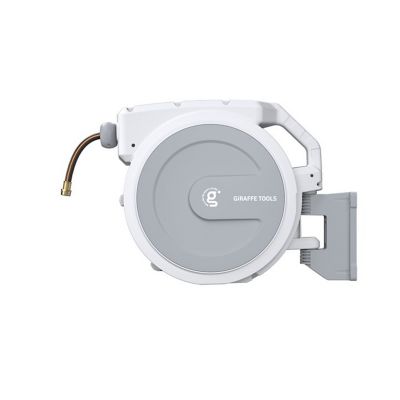
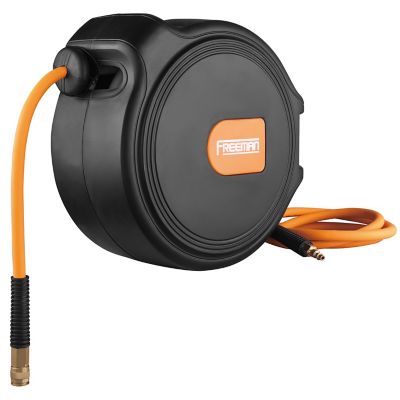
Good storage plays a big part in keeping any hose working well. Before using a hose that has been tightly packaged or stored, uncoil it fully and let it relax so the material can settle into a natural shape. Turning on the water while a hose is still bunched up can encourage sharp bends and place unnecessary stress on the inner tube. After use, shut off the water at the spigot, release pressure from the line, and guide the hose into wide, loose loops rather than tight circles. A wall-mounted hanger, reel, or broad storage hook can keep it off the ground and away from sharp tools, mower traffic, and curious pets. Avoid dragging the hose by the spray end, pulling it across rough corners, or leaving it stretched where vehicles and livestock can cross it. During the cooler months, drain as much water as possible before storage, especially in areas where freezing temperatures can split fittings or damage the inner tube. Keeping the hose shaded when it is not in use can also help protect flexible materials from prolonged sun exposure, while a quick rinse after muddy or chemical-related jobs helps prevent residue from building up. Anti kink hoses are useful for more than garden beds: they can help rinse feed buckets, clean kennels, wash ATVs and trailers, fill pools or troughs, freshen up patios, and handle the steady stream of chores that come with country living. A homeowner may appreciate a hose that coils neatly beside the garage, while a gardener may value one that bends around planting beds without flattening the flow. Someone caring for horses, dogs, chickens, or other animals may prefer a tough, easy-to-manage hose for daily rinsing and filling tasks. By considering construction, reach, storage, and the demands of the work, shoppers can choose an anti kink hose that feels dependable from the first watering of the season through the last outdoor cleanup before winter.