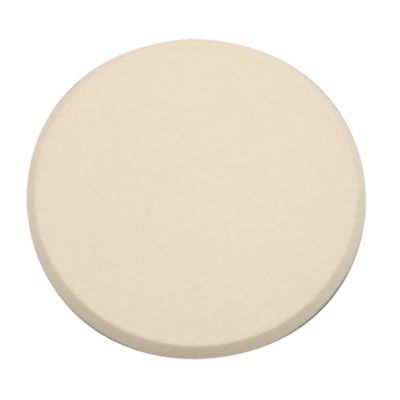
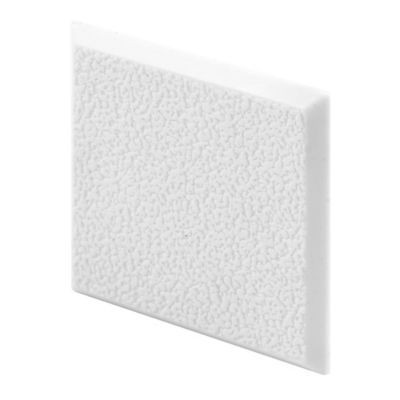
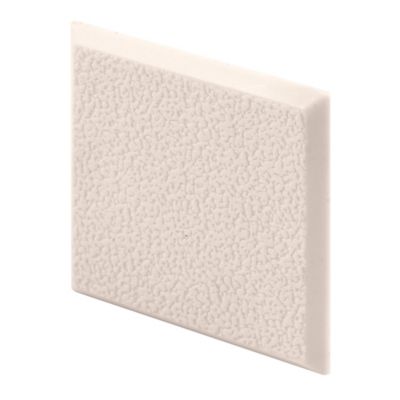
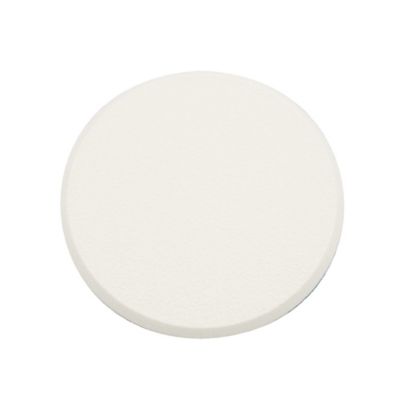
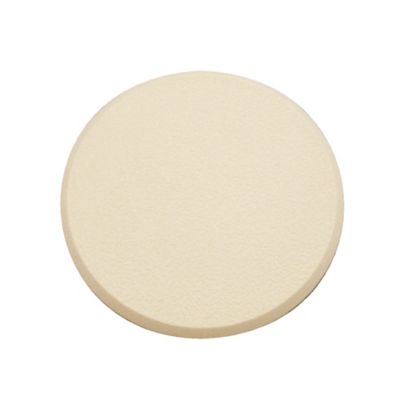
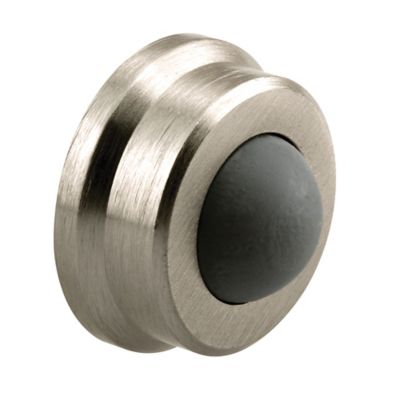
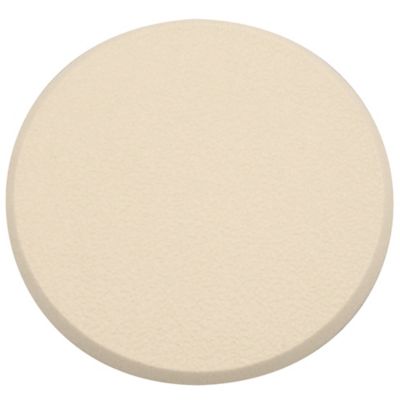
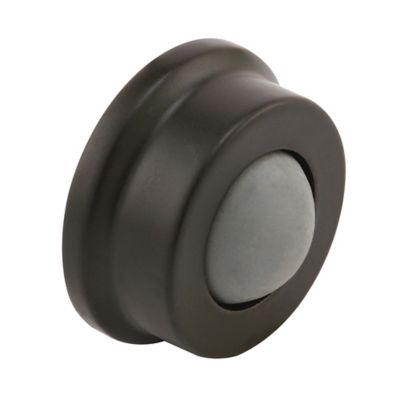
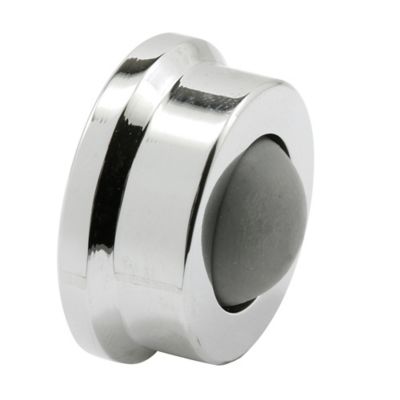
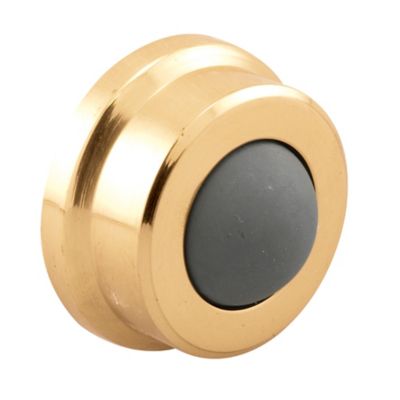
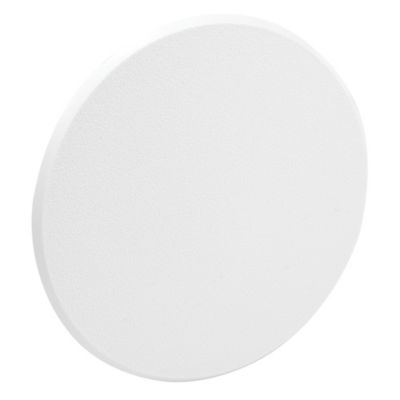
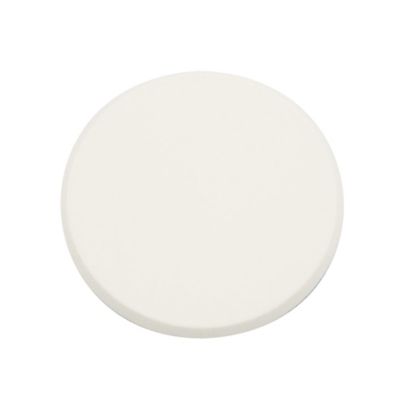
Wall protectors for door knobs help keep swinging doors from leaving dents, scuffs, and holes where the handle meets the wall. These guards sit at the contact point, creating a buffer between the knob and the wall surface. That small patch of protection can make a difference behind a bedroom door, beside a narrow pantry entrance, or in a mudroom where someone comes through with an armload of chore clothes. Soft silicone, rubber, and gel-style bumpers absorb some of the impact and can soften the sharp knock of a handle hitting the wall. Clear styles keep the look simple, while white and other solid colors can blend with surrounding paint or trim. Firmer plastic or vinyl shields spread contact over a wider area, helping protect the surface rather than letting the knob strike one small spot. Their ability to cushion a hit depends on their construction; a rigid shield is not necessarily as soft or quiet as a flexible bumper. Round shapes are common because they cover the area around a typical knob strike, though other shapes can suit different spaces and handle arrangements. Smaller pads work well where the contact point is easy to pinpoint, while broader shields offer more coverage around an existing mark. The best fit depends on the door’s swing, the handle shape, and the wall behind it—not just the size of the room. A hallway closet that opens gently has different demands than a busy laundry-room door that gets pushed open with a full basket. Homeowners, renters, property managers, and folks looking after an office or farm shop can all have a reason to protect those hard-hit spots. A wall guard can also help keep a fresh wall finish looking tidy without adding hardware along the floor, where it might get in the way of sweeping or moving a cart.
Material and mounting style affect how a door knob wall protector performs over time. Flexible pads generally compress at contact, while harder shields put more emphasis on covering and supporting the area around the strike. Repeated impacts can leave either type with wear, especially when a heavy door swings freely, so the guard needs to match the job rather than simply cover the mark. Thickness matters, too: a thicker bumper changes where the door comes to rest and may slightly reduce how far it opens. Coverage should extend beyond the knob’s contact point, particularly with rounded handles that can meet the wall at an angle. Lever handles need a closer look because the tip may strike in a different spot than a round knob, and a narrow contact area can concentrate force. With any handle style, placement follows the actual contact point, which may not sit where the center of the knob appears to line up. Peel-and-stick wall protectors keep mounting simple, but their hold depends on the backing and the condition of the surface underneath. Smooth, clean, dry surfaces generally give adhesive a better chance to bond than dusty drywall, loose paint, or heavily textured finishes. Fresh paint also needs its full curing time, according to the paint maker, before an adhesive attachment goes over it. A guard labeled for painted walls may still have limits on texture, finish, or removal, and an adhesive pad should not be assumed to come off without lifting paint. Mechanically fastened styles bring different considerations, including the wall material and the need for suitable anchors or solid backing. Wider shields may conceal a small cosmetic dent, but covering damage is not the same as repairing it. Crumbling drywall, loose surface paper, and a deep hole leave a poor foundation for an adhesive guard. A sound mounting area helps the protector stay seated instead of shifting when the door meets it.
Everyday care is usually straightforward, with attention to both the contact face and the edges. A soft cloth and a cleaner permitted by the manufacturer can remove dust, fingerprints, and household grime without roughening the surface. Harsh solvents or abrasive scrubbing may cloud clear plastic, damage a flexible pad, or weaken its attachment. In a mudroom or utility space, grit carried on hands and equipment can collect around the guard, so an occasional wipe helps keep the area neat. Raised edges, cracks, a compressed center, or a pad that has shifted away from the strike point are signs the protection needs attention. Paintable shields offer another way to blend a guard into the wall, but only materials specifically identified as paintable should receive a coating; paint may not bond well to silicone or other flexible surfaces. Wall protectors work best as one part of a sensible door setup. A bumper cushions contact at the wall, while a door stop limits how far the door can swing. Spring stops, baseboard-mounted stops, floor stops, and hinge-mounted designs have different mounting needs and clearance requirements. For a busy work area,
Commercial Door Stops can be worth considering when the mounting method and stated capacity suit the door and surrounding structure. Neither a small wall pad nor a broad shield should be expected to control a heavy door that is regularly thrown open. Loose hinges, a shifting stop, or a closer that lets the door travel too fast can keep sending force into the same patch of wall. Keeping those parts in good working order gives the wall protector a more manageable job. Whether the concern is a knob beside a bathroom vanity, a closet door near shelving, or an entry into the shop office, the goal stays practical: enough coverage at the contact point, an attachment suited to the wall, and a material that handles the everyday knocks of that space.