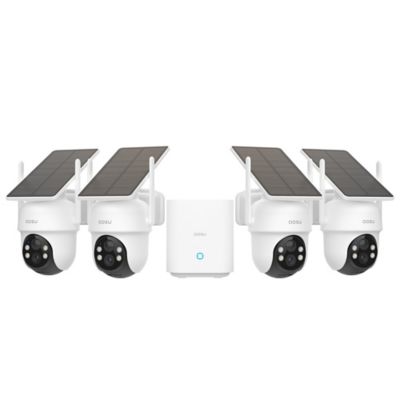
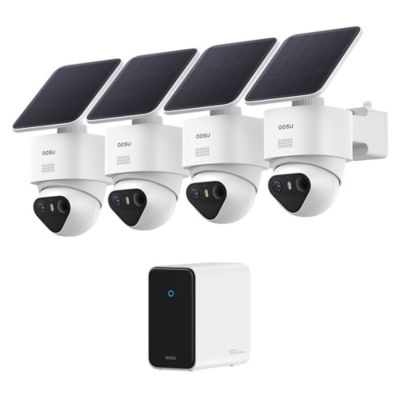
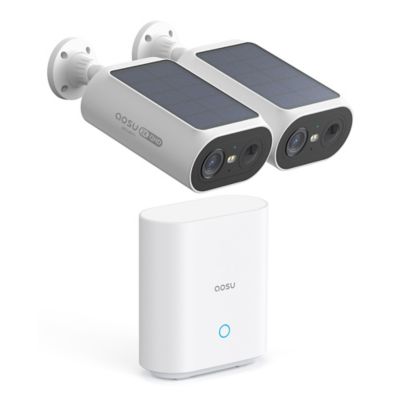
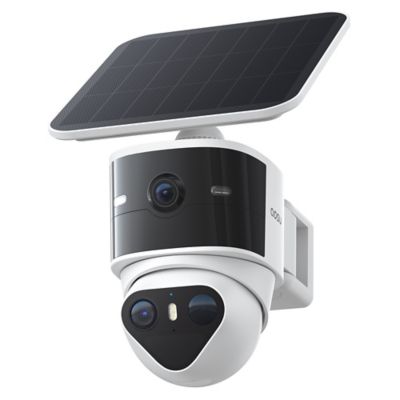
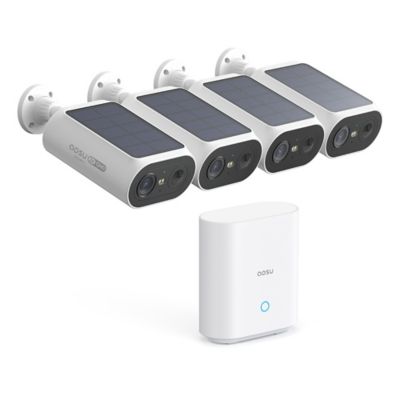
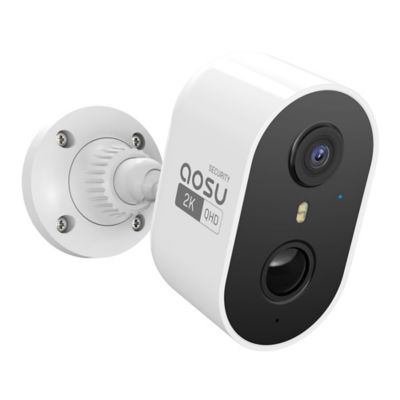
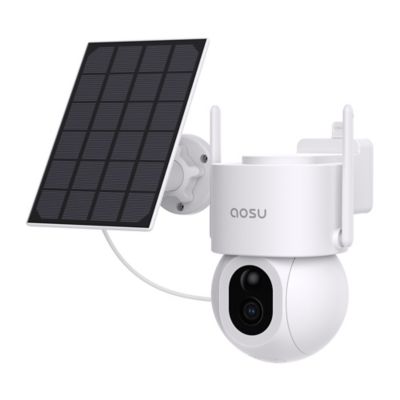
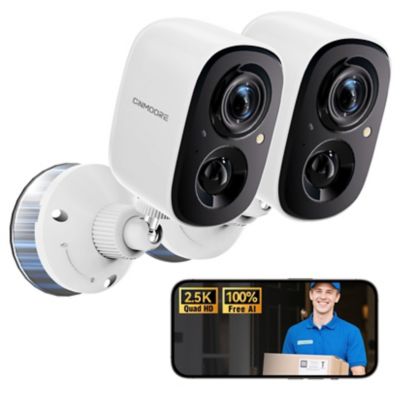
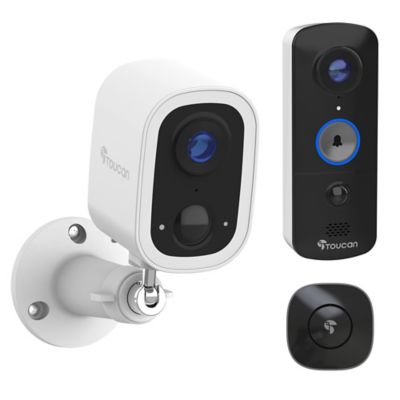
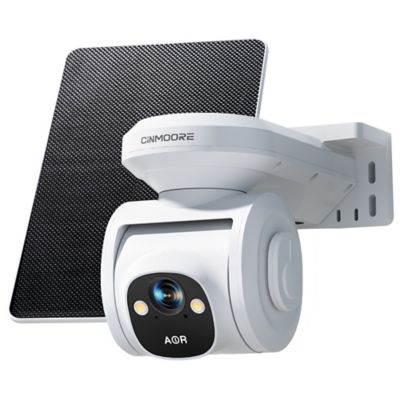
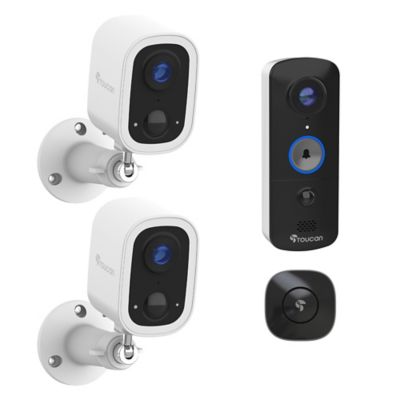
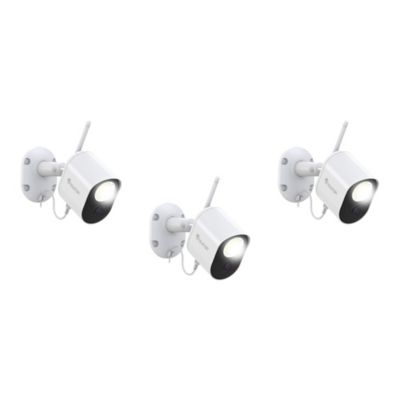
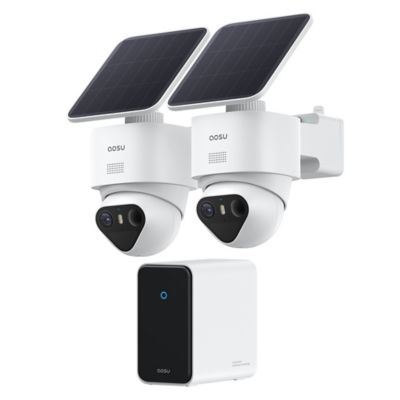
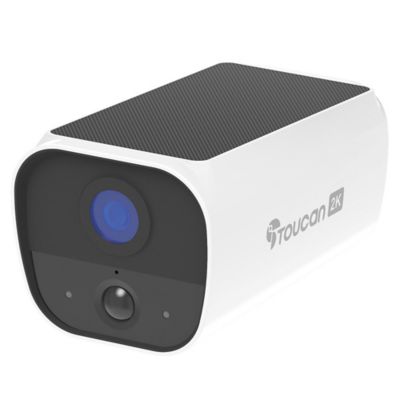
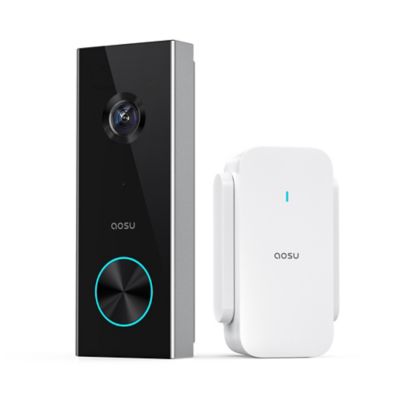
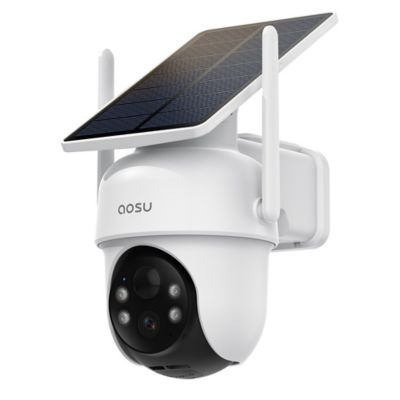
Security camera systems bring cameras, recording equipment, and viewing features together to help keep an eye on a home, barn, shop, or stretch of driveway. Depending on the setup, a system can record activity, show live video, and send alerts when something moves through a monitored area. Around a rural property, that might mean seeing a delivery at the front gate, checking the equipment shed after closing up, or watching the entrance to a feed room without walking across the yard. The main system types differ in how cameras receive power, transmit video, and save recordings. Wired IP camera systems often connect to a network video recorder, or NVR, through Ethernet cable. With compatible Power over Ethernet equipment, one cable carries both power and video data, keeping the wiring straightforward at each camera. DVR systems generally record video from compatible analog cameras connected by coaxial cable, with a separate power connection typically required. For either setup, recorder compatibility and the number of supported camera channels matter as much as the camera count in the box. A system with room for additional cameras can make sense when coverage may eventually extend from the house to a workshop or another entrance. For layouts where running data cable is a challenge,
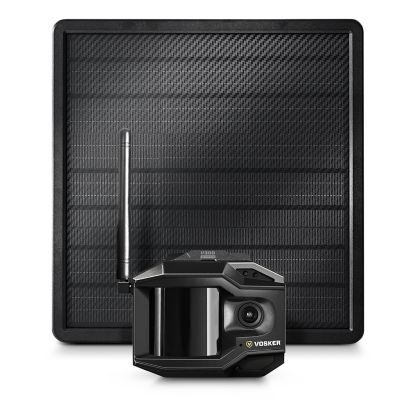
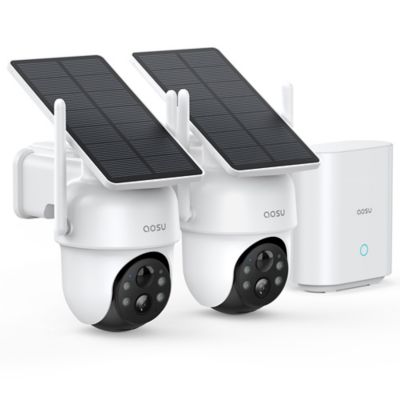
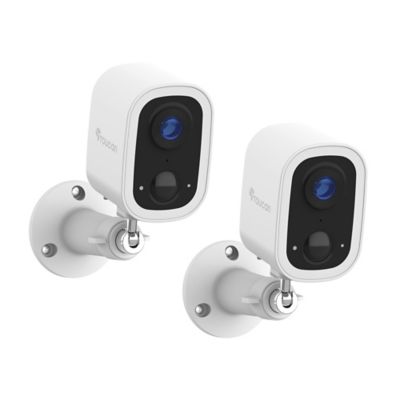
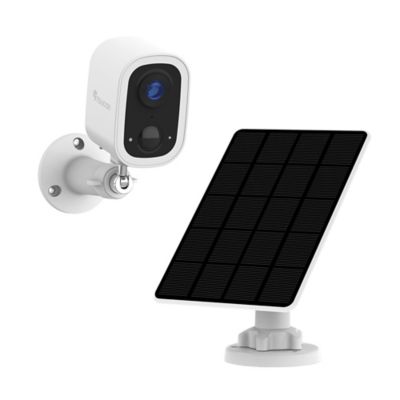
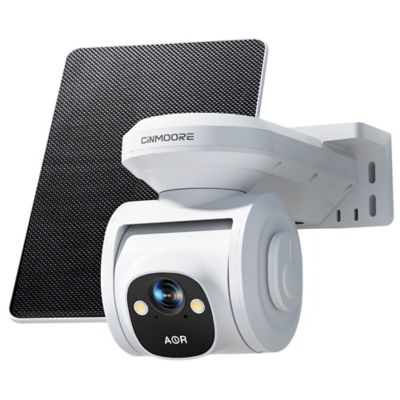
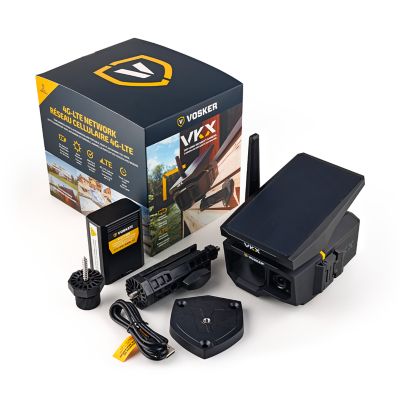
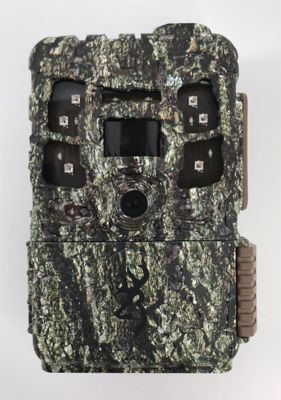
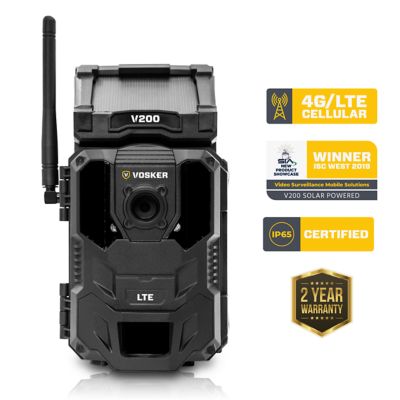
Wireless Security Cameras connect over Wi-Fi, though wireless does not always mean wire-free. Some need an outlet, while others run on rechargeable batteries. Battery models commonly record motion-triggered clips rather than continuous video, so recording behavior deserves a close look. Distance matters, too: a strong connection in the kitchen does not guarantee a usable signal inside a metal-sided barn. Building materials, walls, and the distance from the router all affect coverage. Cellular-connected systems offer another approach for certain remote locations, provided the equipment supports cellular service and the site has sufficient carrier coverage. Matching the connection type to the property helps keep daily operation from turning into another chore.
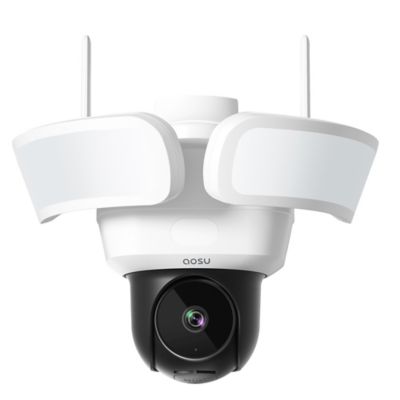
Clear footage depends on more than the resolution printed on the package. Security camera systems may offer resolutions from 1080p through 4K, but the lens, viewing angle, lighting, mounting position, and distance to the subject all shape what appears in the recording. A wide view can cover a larger part of the yard, while a tighter view may show more detail at a doorway or gate. One camera overlooking the whole driveway will not necessarily capture a readable license plate at its far end. Plate visibility also depends on vehicle movement, camera angle, and light, so broad coverage and close-up detail often call for different placements. Night vision is another important distinction. Infrared illumination generally produces black-and-white footage in darkness, while color night viewing typically depends on sufficient light or built-in illumination. Lights, sirens, and two-way audio can add ways to respond, where supported, whether that means speaking to someone at the porch or drawing attention to activity near a locked shop. Detection features also vary. Basic motion sensing responds to movement, while some systems can distinguish people, vehicles, or animals. Detection zones help focus notifications on a gate or walkway instead of every movement across the entire scene. Recording and storage deserve just as much attention as the camera view. Local storage may sit in an NVR, DVR, or compatible memory card, while cloud recording sends footage to an online account. Some systems support both. Continuous recording captures the full timeline; event recording saves clips around detected activity. Resolution, camera count, recording schedule, and storage capacity all affect how much history remains before older footage is overwritten. Local recording may continue through an internet interruption when the equipment still has power and its local connections remain intact, but remote viewing and cloud uploads generally need internet access. Clip search, playback, and export features can make a big difference when finding a particular arrival or saving footage for later.
A system should fit the buildings and routines it serves, not just the size of the property. A homeowner may need a clear view of the porch and garage, while a small farm or repair shop may need coverage at several doors, an equipment parking area, and a gate farther from the main building. Indoor cameras can help monitor enclosed spaces, but locations exposed to dust, moisture, or accidental contact call for housings specifically rated for those conditions. Metal and impact-resistant polymer housings are common construction options; the enclosure rating and mounting hardware help establish where a camera belongs. Mounting surfaces matter as well. Wood siding, masonry, and metal buildings require suitable fasteners, and brackets need enough adjustment to frame the intended area without leaving a large blind spot directly below the camera. Protected cable routes, secured connections, and accessible power sources make an installation easier to maintain. A reachable recorder location also helps with checking connections and managing stored footage, while keeping recording equipment out of casual reach adds another layer of protection. Cameras positioned beyond easy reach can discourage tampering, although mounting too high may leave mostly overhead views rather than useful facial detail. Routine care is usually straightforward: clear cobwebs from around the lens, gently clean the lens cover according to the manufacturer's directions, check mounting points, and inspect exposed wiring for damage. Battery-powered cameras need a practical charging routine, especially when frequent activity creates more recording events. For connected systems, app support, secure account access, and software updates are part of long-term ownership. Strong passwords, multifactor authentication where supported, and separate viewing permissions help keep access limited to the right people. Privacy settings and thoughtful camera angles can keep attention on your own entrances and work areas rather than neighboring spaces. With the right combination of coverage, recording, and everyday upkeep, a security camera system adds another way to stay connected to the places where life and work happen.