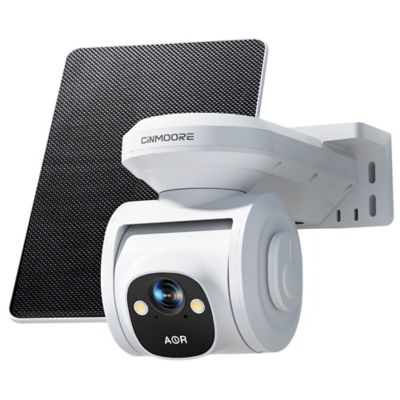
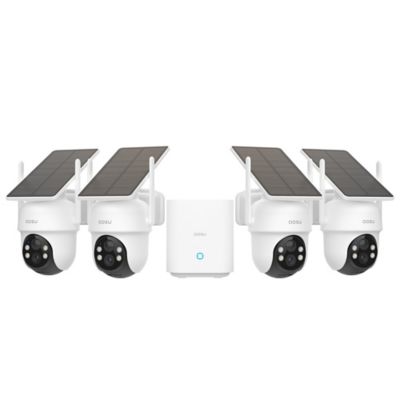
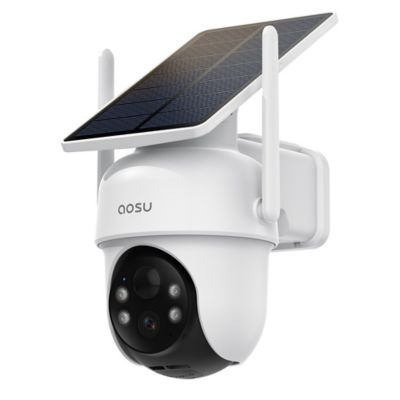
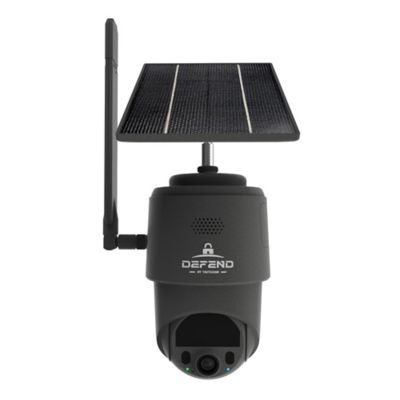
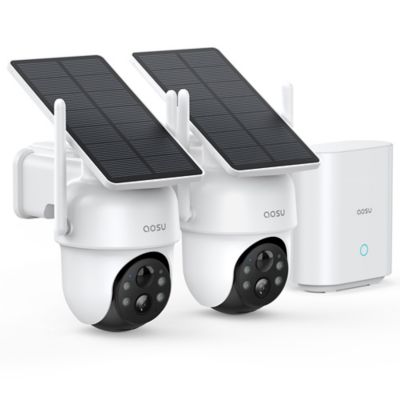
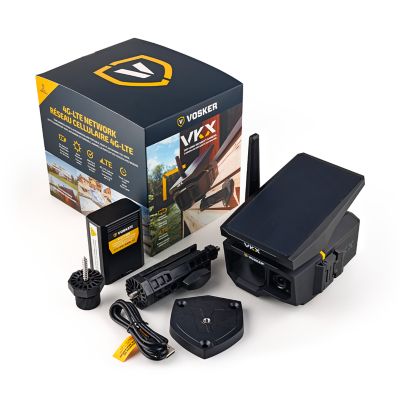
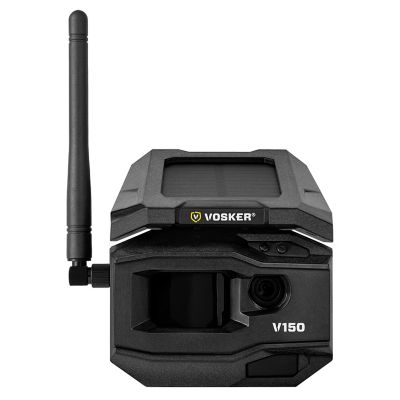
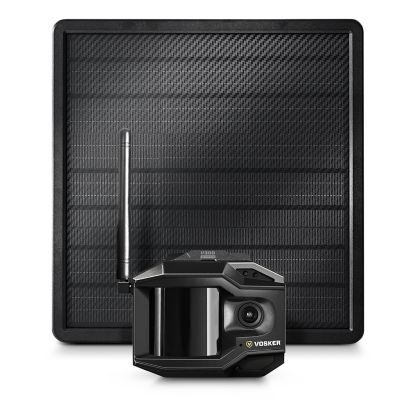
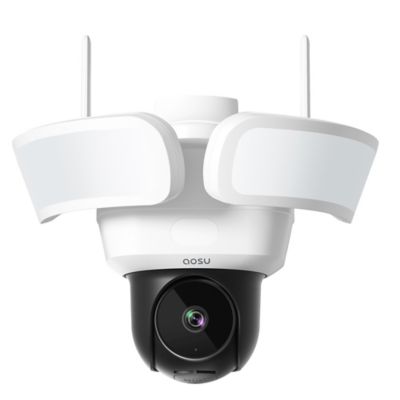
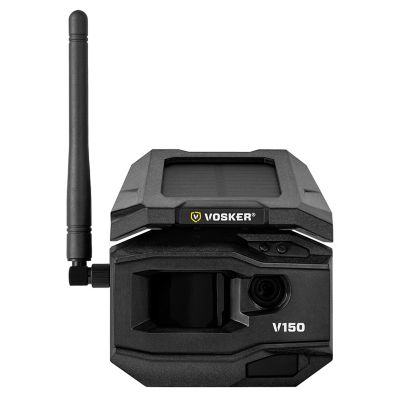
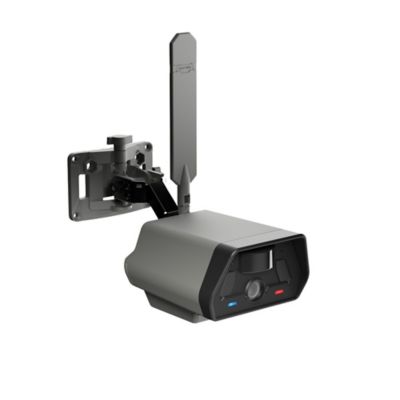
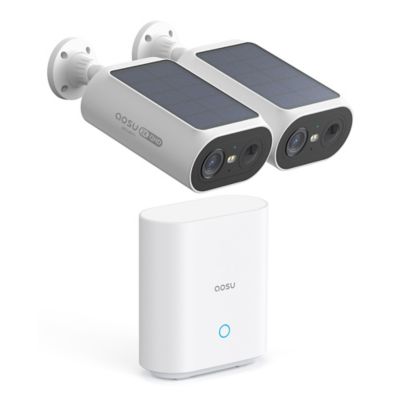
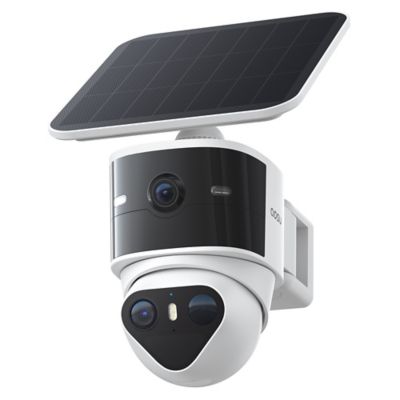
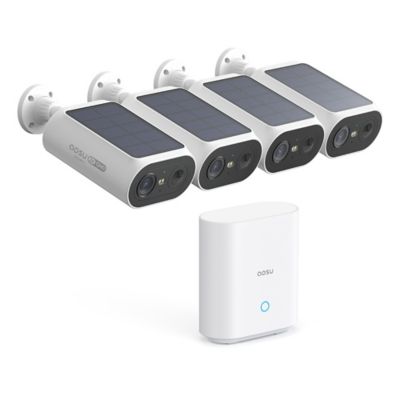
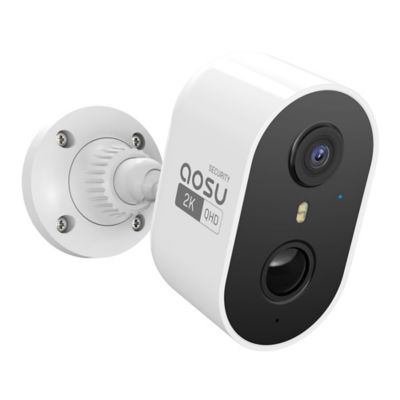
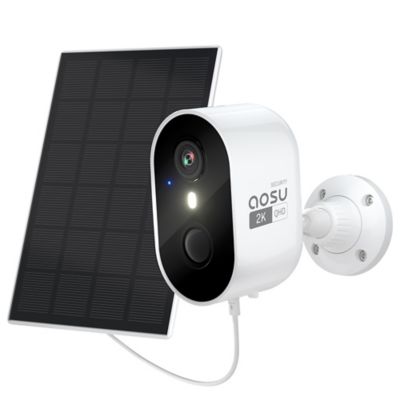
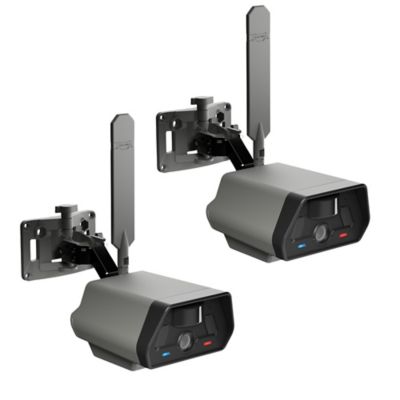
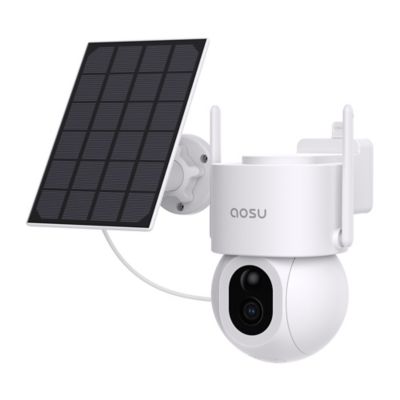
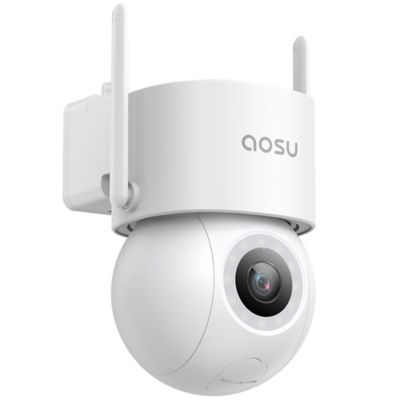
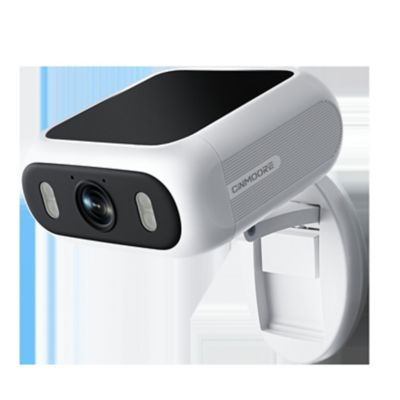
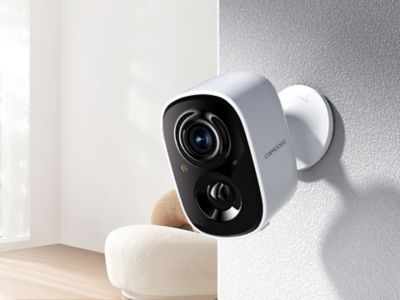
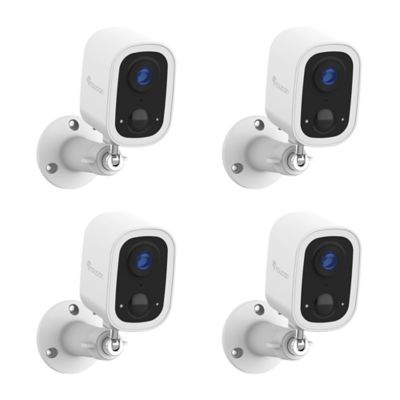
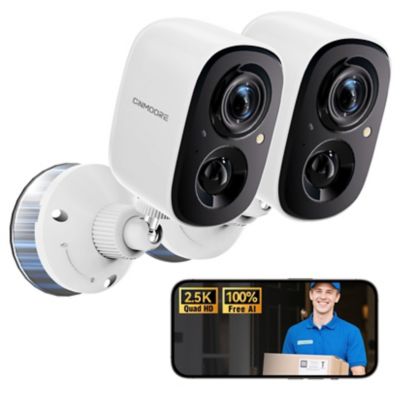
A security camera for a shed helps keep an eye on the doorway, stored equipment, and the path leading up to the building, whether that shed holds a riding mower, fencing tools, or a workbench full of projects. The right setup depends first on power and connectivity: wired cameras suit buildings with an appropriate power source, battery-powered Wi-Fi cameras fit locations within reach of the home network, and cellular cameras offer remote monitoring where Wi-Fi does not reach. Compatible solar panels can help recharge certain battery cameras, though panel placement, sunlight exposure, and camera activity affect how much charging they provide. Solar power and internet access are separate considerations; a solar-powered camera still needs its supported network connection for remote viewing and alerts. For a shed near the house, Wi-Fi may be practical, but distance, walls, and metal siding can weaken the signal at the actual mounting spot. A connection that works beside the back door may not reach the far side of an outbuilding. Cellular models instead depend on a supported carrier’s coverage and an active data plan, making them worth considering for equipment sheds farther from the house. Plug-in cameras need a suitable outlet and protected cable routing, while Power over Ethernet cameras receive power and data through a compatible Ethernet connection. Battery operation reduces the need for power wiring, but batteries still need charging or replacement according to the camera’s design. Many battery cameras record motion-triggered clips rather than nonstop footage, so recording behavior matters just as much as the power source. For someone checking whether the mower made it back inside or watching a side entrance after dark, short event clips may cover the job. A workshop with frequent activity may call for a system that supports longer recordings or continuous coverage. These differences help match a shed security camera to the building’s daily routine instead of treating every outbuilding like an extension of the living room.
Placement and picture detail shape what a shed camera can actually show. A view that includes the door and a stretch of the approach provides more context than a close shot of the padlock alone. It can show someone walking up with a toolbox, a delivery set beside the entrance, or equipment being rolled toward the gate. A wider field of view covers more ground, while a narrower view can devote more of the image to one doorway or passage. Higher resolution can reveal more detail, but distance, lighting, lens design, and recording settings also affect whether a face or object is recognizable. Night vision matters around sheds without much nearby lighting. Infrared night vision commonly produces black-and-white images, while some cameras offer color nighttime footage with sufficient ambient light or a built-in spotlight. A spotlight can make the entrance easier to see, though its direction deserves attention near neighboring homes or animal enclosures. Pan-and-tilt cameras can change their viewing direction through supported controls, but a single moving camera does not record every direction at once. Fixed cameras offer a consistent view of the same area, which can be helpful at a main entrance or tool storage corner. Inside the shed, a camera positioned toward the door can capture entry without staring straight into a bright opening that leaves the interior in shadow. Outside, housing materials, sealed compartments, and the manufacturer’s placement ratings help establish whether a model fits the intended location. Molded polymer and metal housings each appear across camera designs; the enclosure’s rating and construction matter more than appearance alone. Mounting hardware also needs to suit wood framing, masonry, or metal construction without interfering with doors or access panels. A sturdy attachment point helps keep the view steady when the shed door shuts. For coverage beyond the outbuilding, a
Security Camera for Backyard can complement the shed view by watching the paths and open areas between buildings.
Recording, alerts, and everyday upkeep determine how useful that view remains once the camera is in place. Local storage may save footage to a compatible memory card, hub, or recorder, while cloud storage sends recordings to an online service when the required connection and account features are in place. Not every camera supports both, and live viewing does not always include saved video. Storage capacity, video settings, and the amount of activity influence how long recordings remain before older footage is overwritten. A memory card inside the camera may be convenient, but recordings stored separately can remain accessible if the camera itself goes missing. Cloud recording depends on the service and connection, while standalone local recording is possible only with equipment designed to support it. Motion detection settings also make a difference around a working shed. A doorway may need close attention, while a moving gate or activity along a distant fence line can create alerts that do not help much. Supported activity zones and person or vehicle detection can narrow the focus, although detection results vary with placement and conditions. Two-way audio can let someone speak to a family member at the shed or direct a visitor toward the house, provided the camera and connection support the feature. Shared account access can give another household member a way to check the entrance without passing around a password. Strong passwords, account security features, and software updates help protect access to the system. Routine care stays straightforward: a clear lens, clean solar panel where fitted, sound mounting hardware, and properly closed ports help the equipment do its job. Checking a saved clip occasionally confirms that the intended area is being recorded, not just displayed live. For homeowners, gardeners, and folks keeping tools close to their work, the most useful shed camera is one that fits the property’s power, signal, viewing needs, and maintenance routine. It adds another way to check on the building alongside good locks, secure hinges, and sensible equipment storage.