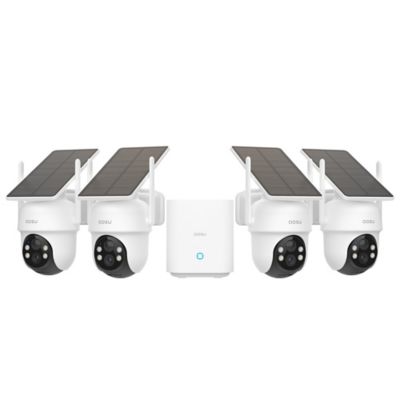
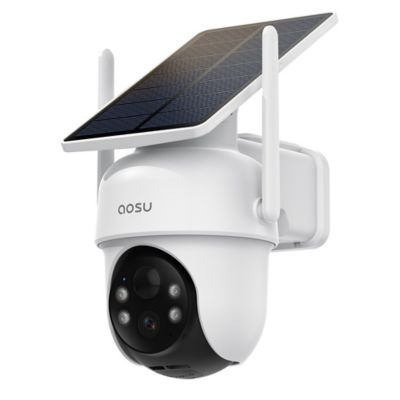
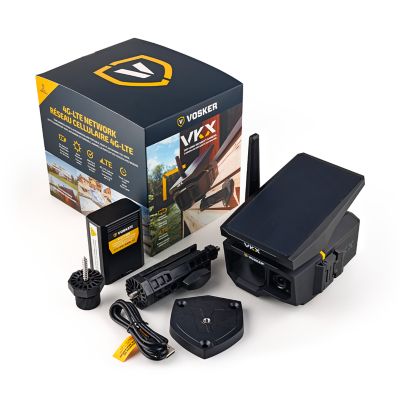
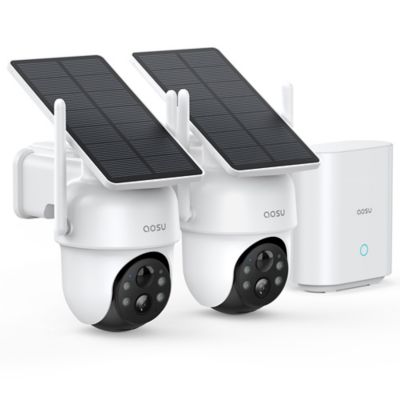
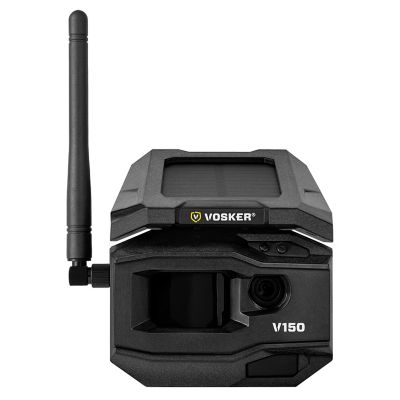
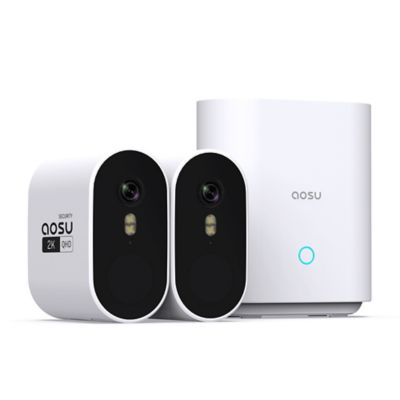
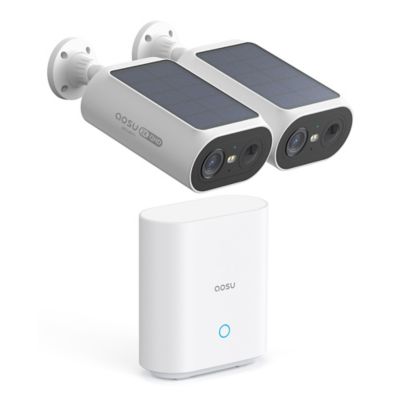
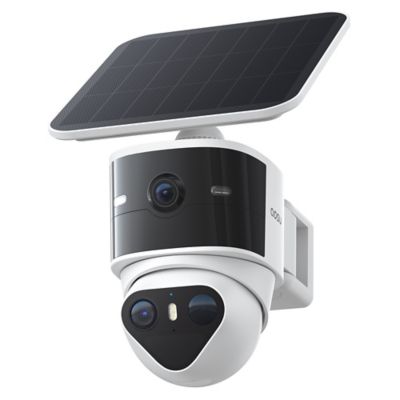
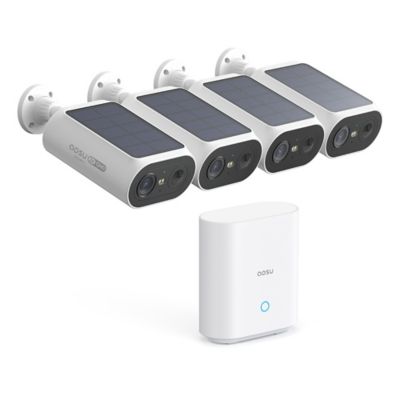
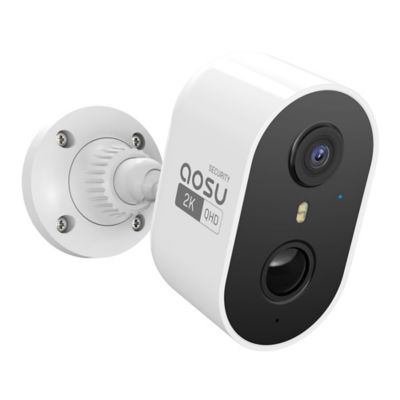
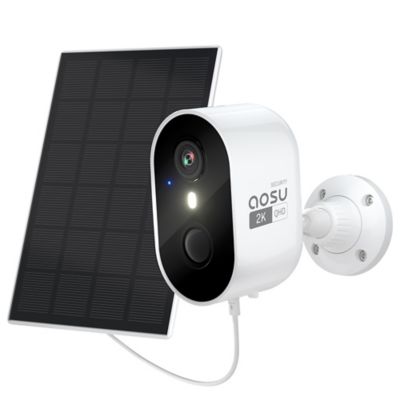
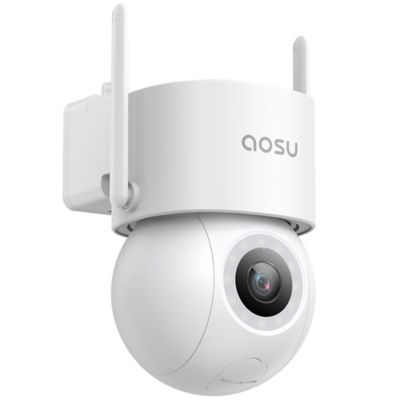
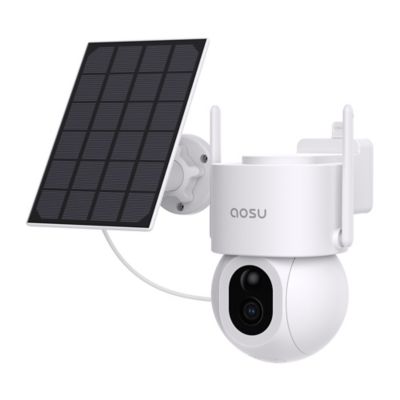
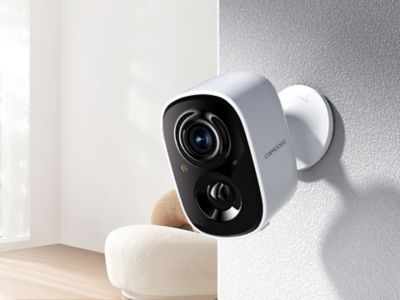
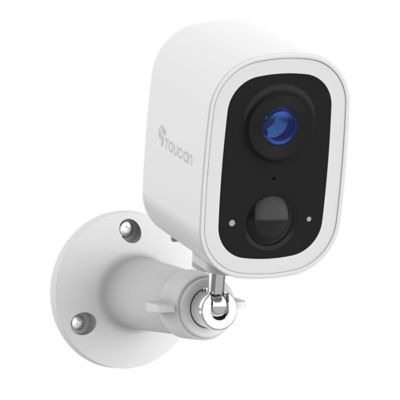
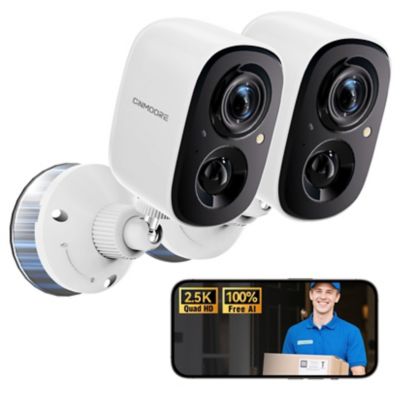
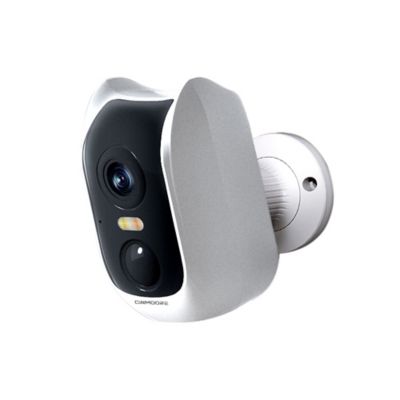
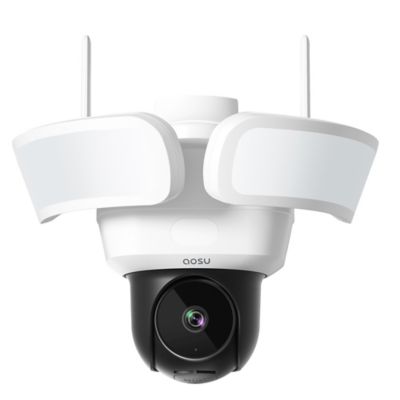
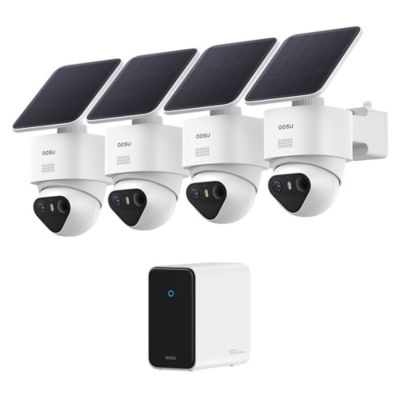
A security camera for a backyard helps keep the back gate, patio, and space beyond the porch in view, whether someone is home doing chores or checking in from town. Backyard security cameras come in several configurations, with differences in viewing angle, video resolution, night vision, power source, and recording options. A camera overlooking a small fenced yard has a different job than one watching a long stretch between the house and an equipment shed. Wide-angle lenses can show more of a patio or fence line, while a narrower view may give a better look at a particular gate or doorway. Higher-resolution video can make details easier to see, but distance, lighting, lens design, and recording settings all affect what appears in the picture. A broad view of the whole yard will not necessarily show a clear face at the far fence. Fixed cameras keep their attention on one area, while pan-and-tilt cameras can turn toward activity or let someone look around through a connected app. A moving camera still watches only the direction its lens faces at that moment, so separate viewpoints can make sense around corners and detached buildings. Night vision matters for yards without much existing light. Infrared night vision typically provides a black-and-white image, while some cameras offer color viewing with enough ambient light or a built-in spotlight. Floodlight cameras combine illumination with video coverage, which can be handy near a back entrance or the path to a workshop. Light placement matters, too: a bright fixture aimed into the lens can wash out the scene, and a light pointed across the fence may bother a neighbor. The most useful backyard view is often a practical one—a clear look at the latch, the steps, and the route someone takes toward the house, rather than a sweeping picture with little detail where it counts.
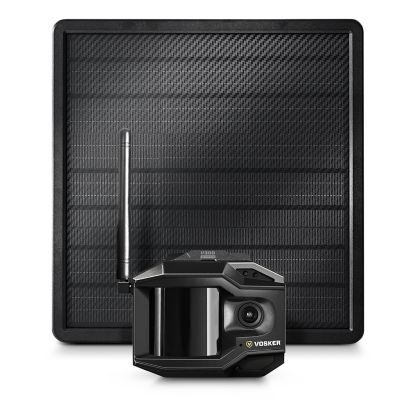
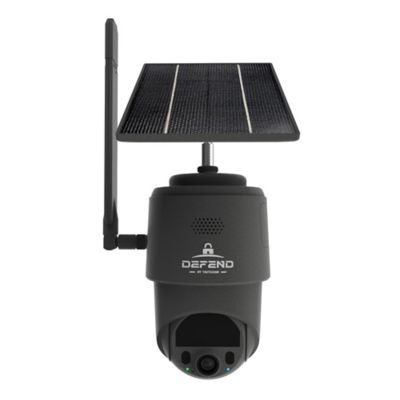
Power and connection options shape where a backyard camera fits and how much attention it needs afterward. Battery-powered cameras offer flexible placement where an outlet is out of reach, though battery life varies with motion activity, recording length, signal strength, and other settings. A camera watching a busy dog run may need charging more often than one covering a seldom-opened side gate. Solar-compatible cameras can help maintain a battery when a properly matched panel receives enough direct sunlight; the panel’s placement and the camera’s power demands still matter. Plug-in cameras need access to a suitable outlet and a safe cable route, while hardwired models may require electrical installation. Some systems carry power and video data through an Ethernet cable, reducing dependence on a wireless connection. Wi-Fi cameras depend on a strong signal at the mounting location, not just inside the house. Distance, masonry walls, and metal outbuildings can weaken that connection. Outdoor-rated housings, sealed connections, and corrosion-resistant mounting hardware are important construction details for equipment that stays outside. Mounting brackets also need to suit the surface, whether that is wood siding, masonry, or a post with a firm footing. The fit should allow a clear viewing angle without putting cables where a mower, gate, or curious animal can catch them. Recording choices are another distinction within the category. Local storage may save footage to a compatible memory card, recorder, or hub, while cloud storage keeps recordings off-site through an internet connection. Storage capacity, recording length, and overwrite settings determine how much history remains accessible. Motion-triggered recording captures events, whereas continuous recording requires a camera, power setup, and storage system that support it. Routine care is straightforward: a soft cloth suited to the lens, clear sightlines, secure brackets, and checks for loose connections help keep the picture useful. Dust, fingerprints, and spiderwebs close to the lens can obscure a view or reflect infrared light at night.
The features that make a backyard camera convenient are often the ones that fit everyday routines. Person, pet, and vehicle detection can help sort activity into more useful alerts, depending on the camera’s capabilities. Motion zones let compatible cameras focus notifications on a gate or walkway instead of every movement across the entire yard. That can mean fewer interruptions from a dog pacing along the fence or branches moving near the edge of the frame, though detection is not perfect. Adjustable sensitivity and event schedules offer ways to match alerts to household activity. Two-way audio can make it easier to speak with someone at the back entrance or call to a family member near the patio, with sound clarity depending on distance and background noise. A built-in siren or motion-activated light adds another way to draw attention to activity, but neither replaces a sound latch, proper fencing, or other physical safeguards. For households with pets, a camera can provide a quick look at the yard without turning every trip outside into an alert. For someone tending a garden or keeping tools behind the house, coverage of the access point may matter more than a close view of every bed or rack. Detached storage brings its own layout needs, and a
Security Camera for Shed can complement coverage around the house when a separate building sits beyond the main camera’s view. Connected features also deserve attention, including whether multiple household members can receive alerts and whether access permissions can be managed separately. Strong passwords, supported software updates, and multifactor authentication, when offered, help protect camera accounts. Thoughtful positioning keeps attention on the property rather than neighboring windows or private spaces, and audio recording calls for consideration of applicable laws. With the right combination of coverage, power, storage, and controls, backyard cameras can make it simpler to see what happened at the gate, check a notification, and get back to the day’s work.