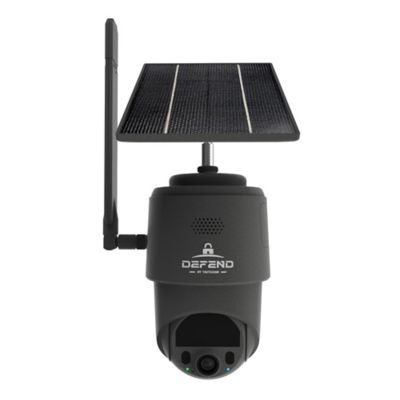
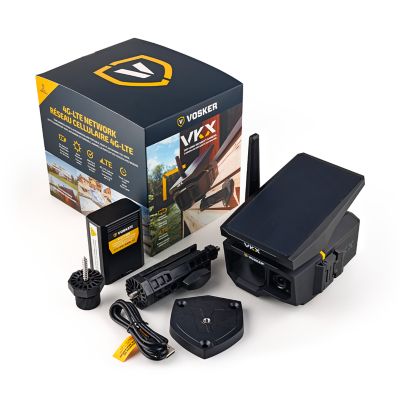
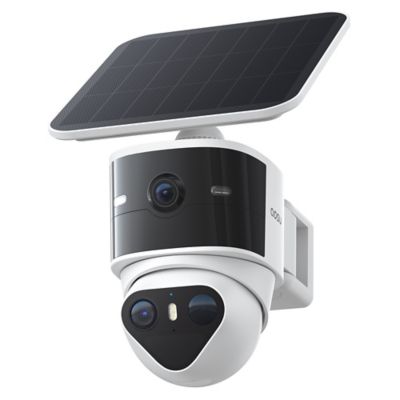
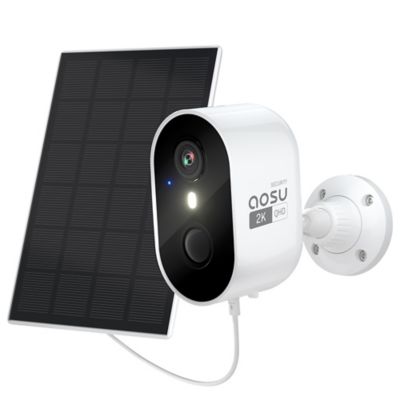
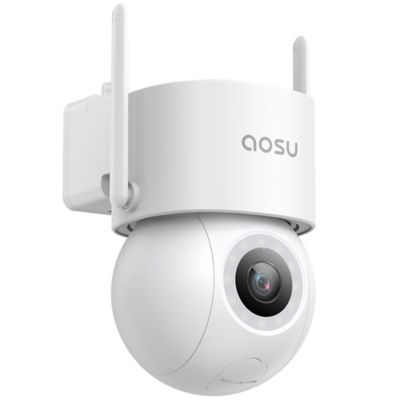
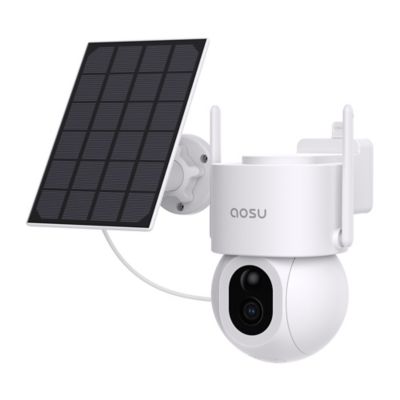
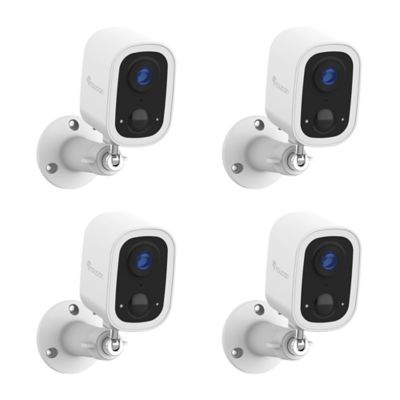
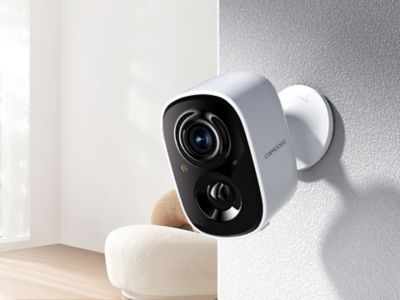
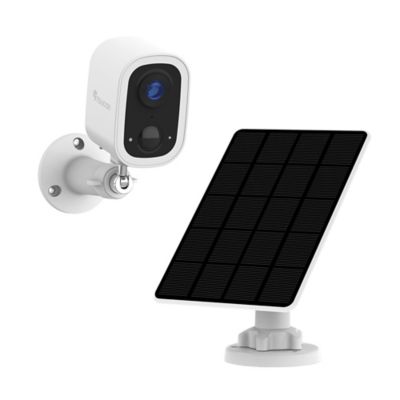
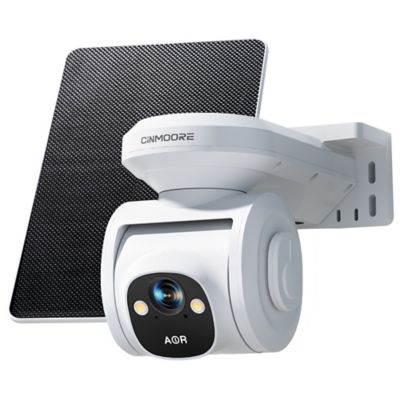
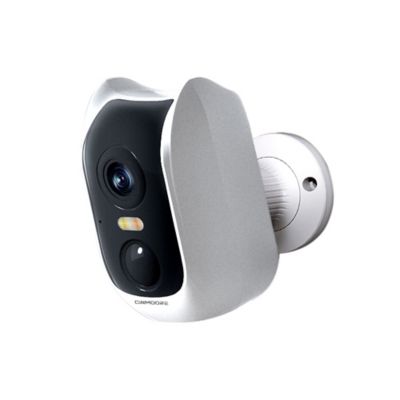
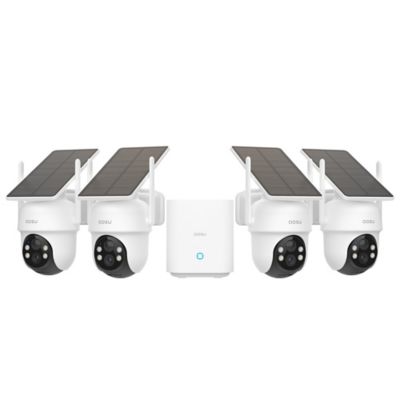
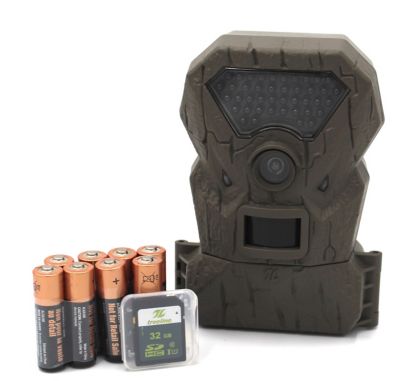
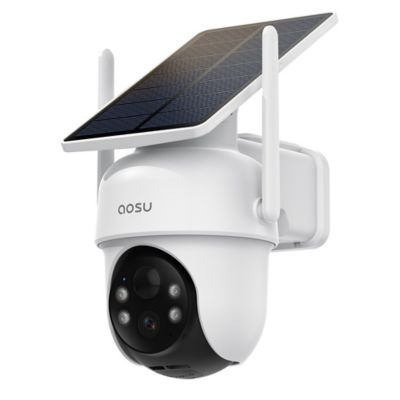
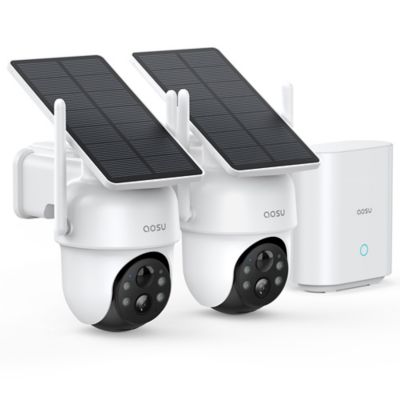
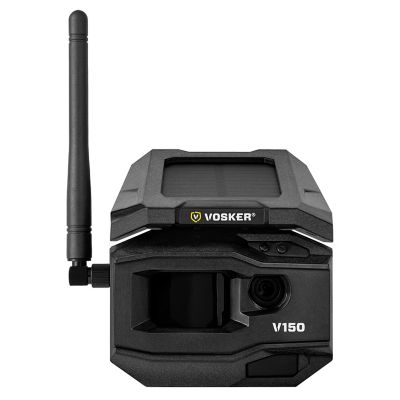
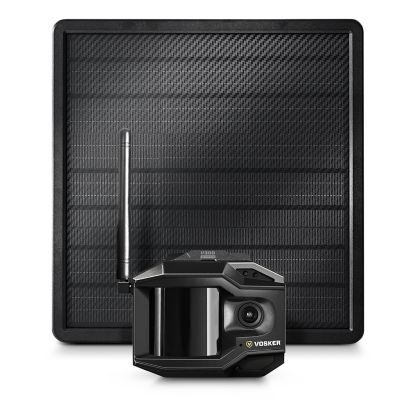
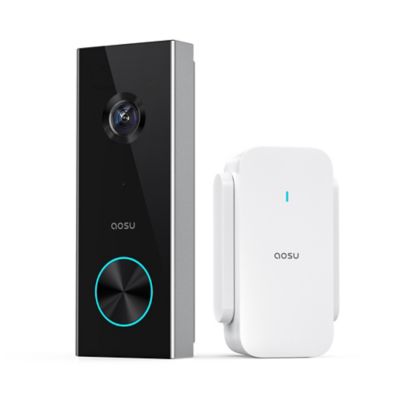
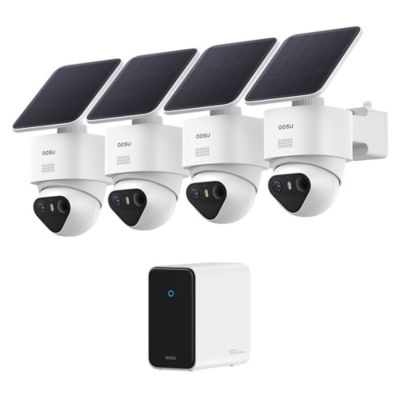
An outdoor security camera for a gate helps keep an eye on the spot where visitors, deliveries and vehicles enter your property. The right fit comes down to three main things: power at the entrance, the connection between the camera and your network, and whether you want alerts for people, vehicles or general movement. A camera overlooking a short driveway has different needs than one watching a pasture entrance a quarter mile from the house. For a gate near an electrical connection, a wired setup can support ongoing operation without routine battery charging. Power over Ethernet, often called PoE, carries power and data through compatible networking equipment and cable, though cable distance limits still matter. Battery-powered cameras allow more flexibility where running wire is impractical, but charging access deserves a little thought before mounting one high on a post. Solar-assisted charging can help with upkeep when the camera supports it and the panel receives enough direct sunlight; it does not eliminate every charging need. Connectivity matters just as much as power. A strong Wi-Fi signal inside the kitchen says little about reception down by a steel entrance gate, especially with buildings, trees or sloping ground in between. Metal surfaces can also interfere with a wireless connection. A suitable outdoor network connection may help reach farther entrances, while a cellular camera can make sense where Wi-Fi does not reach, provided the location has compatible cellular coverage and the camera has an active data plan. For a ranch entrance, equipment yard or long gravel drive, that distinction can determine whether remote viewing is practical. Recording behavior also varies: some cameras can save footage locally without an internet connection, while remote alerts and live viewing generally need a working connection. Power, signal strength and recording access all need to suit the actual gate location, not just the house or barn nearby. That makes the distance from the nearest outlet and network equipment more useful than a simple measurement from the front porch.
The view through an outdoor gate camera should match what happens at that entrance. A broad field of view can show a truck pulling off the road, a visitor standing near the latch and the space beside the gate, but a wider picture can make distant details look smaller. A tighter view may show the approach more clearly while leaving less of the surrounding fence line in frame. Resolution is only part of that picture; mounting distance, lens design, lighting and camera angle all affect how much detail appears in a recording. Seeing that a vehicle arrived is a different job from reading its license plate, and a general security camera should not be assumed to capture readable plates under every condition. For entrances with regular delivery traffic, person and vehicle detection can help separate useful activity from the movement of a swinging gate or livestock along the fence. Detection features vary by camera and may depend on settings, recording services or a supported connection. Adjustable activity zones are handy where the driveway runs beside a public road, since passing traffic can otherwise fill a phone with notifications. Night vision deserves the same attention as the daytime view. Infrared illumination can show activity without a visible spotlight, while cameras with suitable lighting may provide color images after dark. Nearby fence wire, a close gate rail or a bright reflective sign can interfere with the picture, so the position of the lens matters. Event recording, continuous recording and battery-saving wake behavior also create different results. A camera that starts recording only after detecting movement may capture less of a fast-moving vehicle’s approach than a system recording continuously. For someone checking whether a feed delivery arrived or a service truck left, clear event clips may be enough. For a busy entrance with frequent activity, a longer recording history and an easy-to-search timeline may be a better match.
Construction and mounting hardware matter when a camera becomes part of a working entrance. Outdoor-rated housings, sealed connection points and corrosion-resistant fasteners help protect the electronics, while metal or suitable outdoor-grade plastic housings offer different mounting weights and care needs. The camera, power adapter, cable connections and any separate charging panel each need a location appropriate to their ratings. A solid fence post, dedicated mounting pole or nearby building can provide a steadier view than the moving gate itself. Placement also needs to leave room for the gate’s full swing, latch access and the path of a wide trailer. A camera tucked out of reach can discourage tampering, but putting it too high may leave mostly the tops of hats and truck roofs in view. Gate monitoring shares many considerations with
Outdoor Security Cameras around barns, shops and driveways, with extra attention to distance and the movement of people and equipment through a narrow opening. Routine care includes keeping the lens clear of dust, cobwebs and insect buildup with cleaning methods approved by the manufacturer. Secure brackets and protected cable runs help keep the view steady and cords away from hinges, mower paths and livestock. Storage options deserve a look, too: memory cards, network recorders and cloud recording differ in how footage is saved, retrieved and retained. App compatibility and shared access can matter when several family members or property caretakers need to check an entrance. Strong account passwords, software updates and sensible access permissions help protect that connection. The camera’s view should stay centered on your entrance rather than neighboring windows or private spaces, and audio recording may require attention to local rules. Two-way audio can help with a visitor at the gate when the connection and surroundings allow a clear conversation, but a camera alone does not open a gate unless it is part of a compatible access system. For a home place, small farm or working property, the best match makes everyday arrivals easier to check without getting in the way of the work happening there.