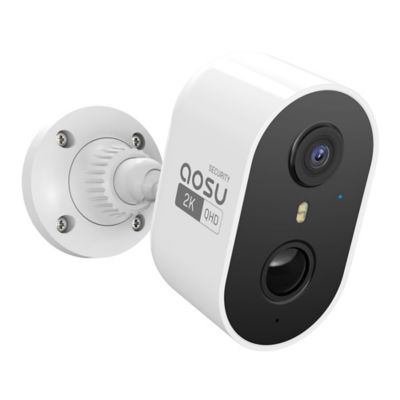
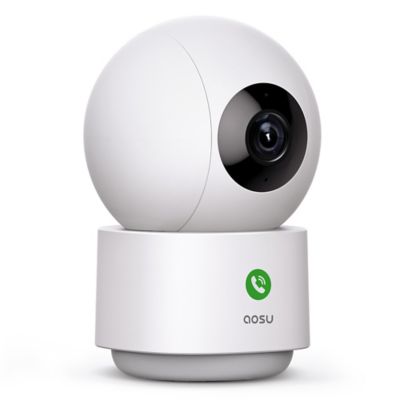
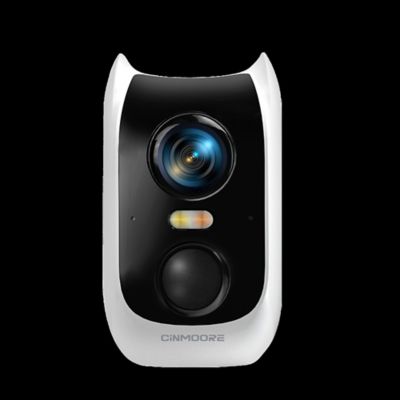
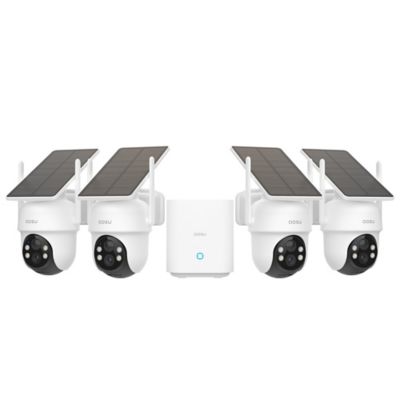
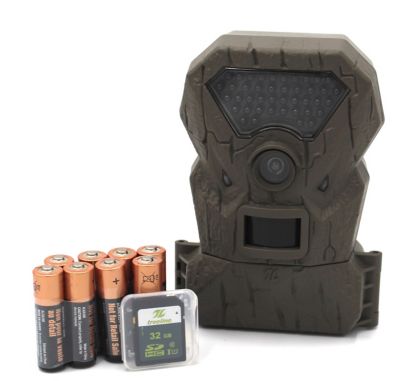
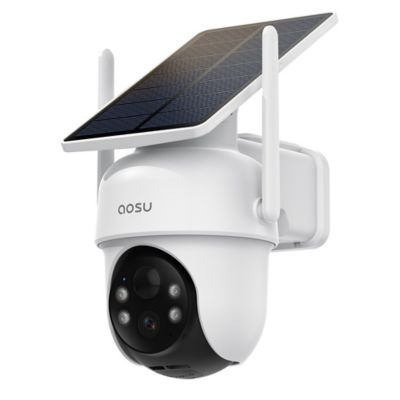
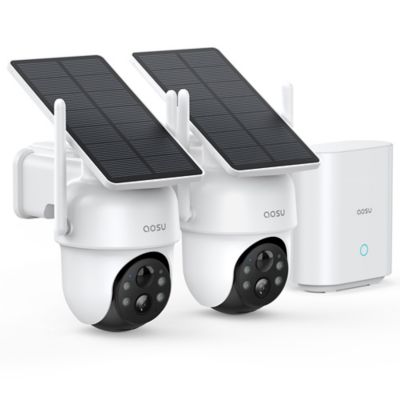
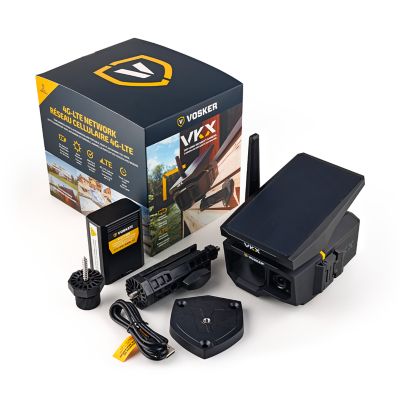
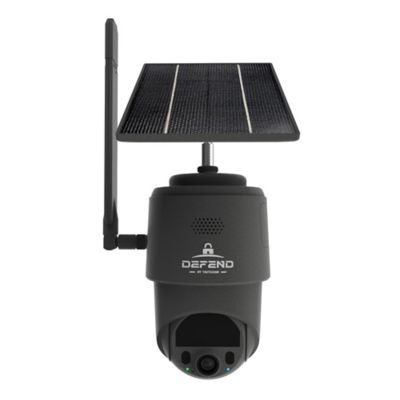
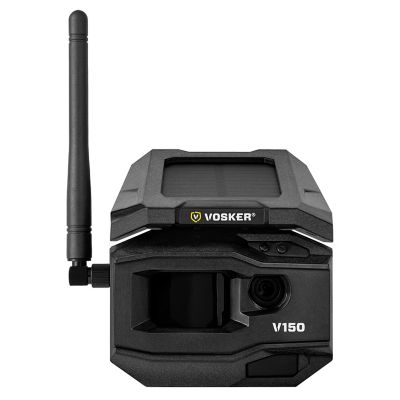
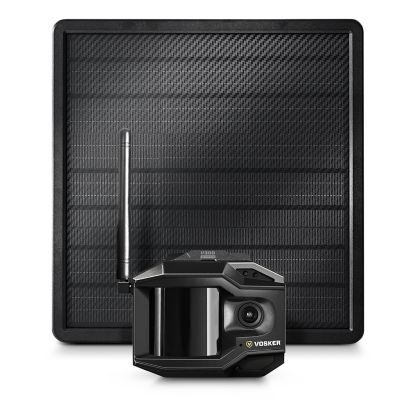
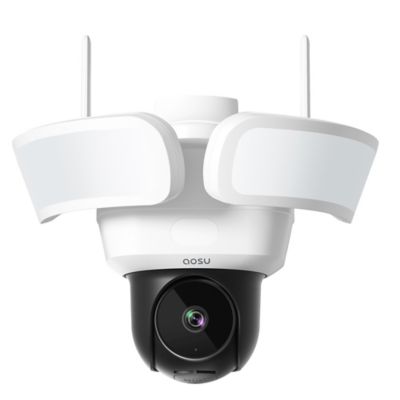
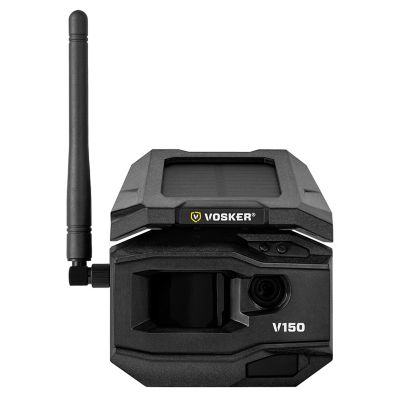
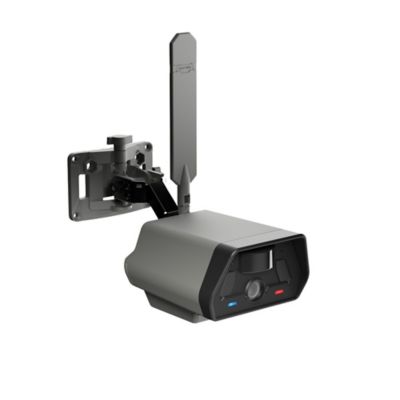
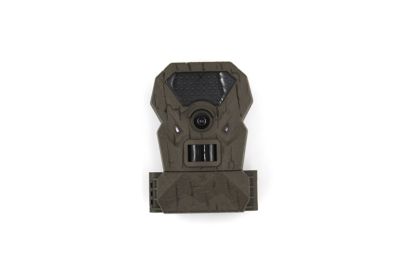
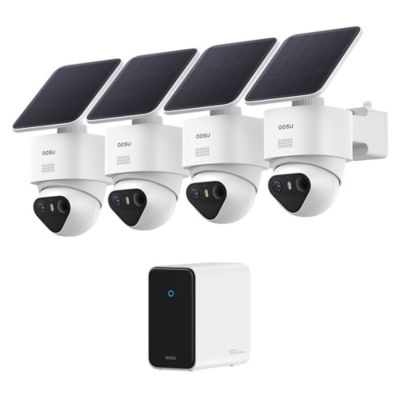
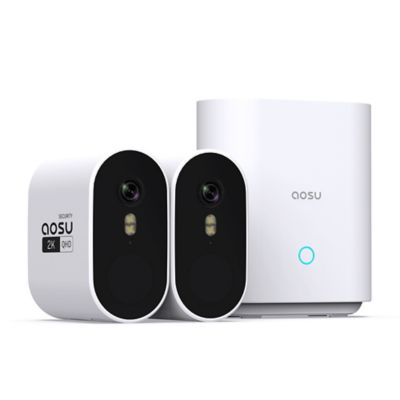
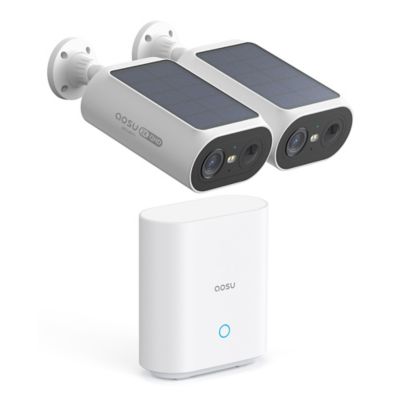
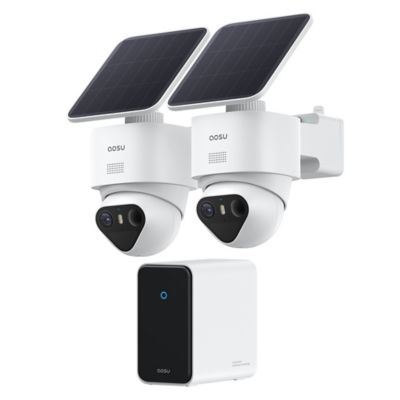
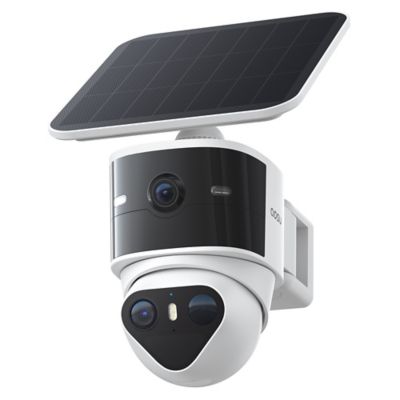
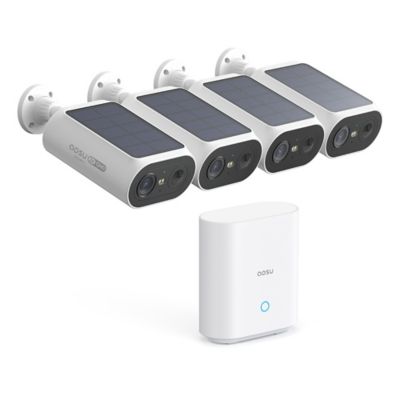
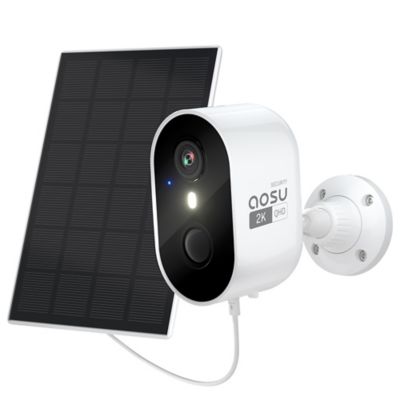
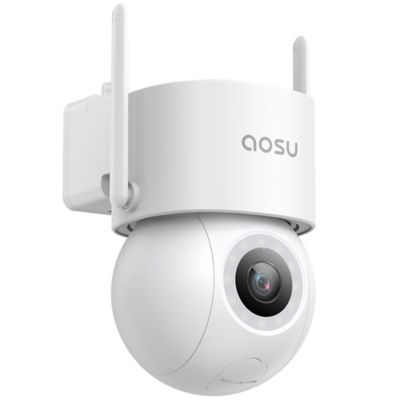
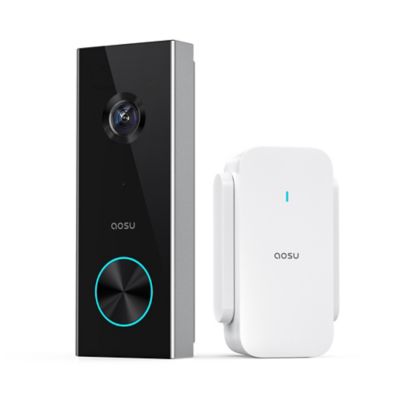
Security cameras for elderly adults can help keep an eye on a home while giving an older family member room to carry on with everyday life. These cameras serve different purposes: an indoor camera can support agreed-upon check-ins, while an outdoor camera can show who is at the front door, beside the garage, or coming through the gate. For an older adult living independently, a clear view of an entryway may make it easier to recognize a visitor before answering the door. For relatives helping from across town, shared camera access can provide another way to stay connected between visits. Features vary by system, but common considerations include video resolution, two-way audio, motion notifications, night vision, and access through a phone app or dedicated screen. Resolution options range from HD to 4K, which is about 8 megapixels, with some systems offering 12-megapixel imaging. More pixels can capture finer detail, but the lens, lighting, viewing angle, and video compression also affect how much can be seen. A broad view may cover the living room doorway and hallway together, while a narrower view may provide a closer look at one entrance. Infrared night vision can help show movement when room lights are off, though reflections from nearby glass can interfere with the picture. Two-way audio lets people speak through a compatible camera, whether that means checking in before a scheduled visit or letting a parent know someone is on the way. Motion detection can flag activity in a selected area, but a passing pet, moving curtain, or vehicle beyond the porch may also trigger a notification. Adjustable activity zones and notification settings can make those messages more useful. For senior home monitoring, the best fit depends less on having the longest feature list and more on whether the camera supports a clear, agreed-upon purpose without making the house feel watched from every corner.
The way a camera connects and receives power matters just as much as the picture it produces. In a farmhouse with thick walls, a detached garage, or a porch far from the router, the signal at the mounting spot may be weaker than it is beside the kitchen table. A Wi-Fi camera connects to a wireless network, but that does not necessarily mean it operates without a power cord. Plug-in models need a suitable outlet and a cord route that stays clear of walking paths, recliners, and doorways. Battery-powered designs offer more flexibility in placement, although charging or battery replacement becomes part of their care. Wired systems may suit permanent installations, especially where several cameras need to cover separate entrances. Remote viewing generally requires internet service at the camera location and a connection on the viewer’s phone or other device. A compatible standalone video monitor may support viewing within its operating range without relying on the same app-based setup, but its functions differ from those of a networked security system. Storage is another distinction: recordings may save to a memory card, a recorder, or a cloud service, depending on the equipment. Local storage does not automatically provide remote playback, and cloud recording depends on the service and settings. For an older adult who plans to check footage personally, readable controls, clear audio, and straightforward playback can matter more than advanced settings tucked several screens deep. Physical fit deserves attention, too. Compact plastic housings can blend into a bookshelf or side table, while metal housings and outdoor-rated enclosures suit other mounting locations. A secure bracket helps keep the view steady, and a reachable mounting position makes lens cleaning and routine checks less of a chore. Care generally includes gently removing dust with a soft cloth, following the manufacturer’s cleaning directions, checking connections, and keeping software up to date. Camera size, outlet placement, mounting hardware, and access for upkeep all shape how comfortably the equipment fits into the home.
Respect for the person living there belongs at the center of any camera arrangement. An older adult may welcome a view of the front steps but want the sitting room left private, or may prefer a camera that is active only during agreed-upon periods. Shared decisions about placement, audio, recording, and who can open the live view help keep monitoring from becoming an unwelcome intrusion. Bedrooms, bathrooms, and other private spaces call for particular care; a hallway or doorway view may meet the intended need without recording personal activities. Features such as a physical privacy shutter, a visible status light, or a simple way to pause recording can support those preferences when the model includes them. Account protection matters as well. Strong passwords, multifactor authentication where supported, and separate authorized accounts can help limit access to the people who need it. For families coordinating help among siblings, a neighbor, and a visiting caregiver, individual permissions make more sense than passing one password around. Clear arrangements also prevent confusion about who is expected to respond to a notification. Someone working in the barn or driving into town may not see a phone alert immediately, so a camera should never create the assumption that someone is watching every minute. Ordinary motion detection does not confirm a fall, and standard security cameras do not replace medical alert equipment, in-person care, or emergency services. Dedicated care-monitoring systems may include separate call buttons or other assistance features, but those functions should not be assumed from a camera’s resolution or two-way speaker alone. Households supporting more than one generation may also be considering a
Security Camera for Monitoring Children, with placement and access planned separately for each purpose. As a practical gift, a camera makes the most sense when the recipient wants it, understands its controls, and has help with setup if needed. The goal is a useful connection to home that respects an older adult’s choices, familiar routines, and independence.