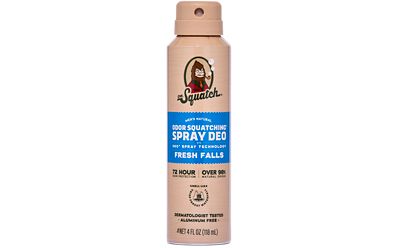
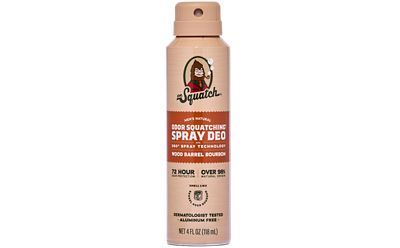
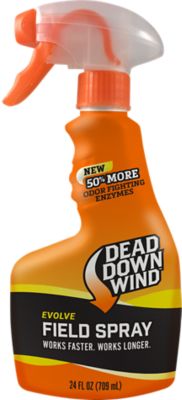
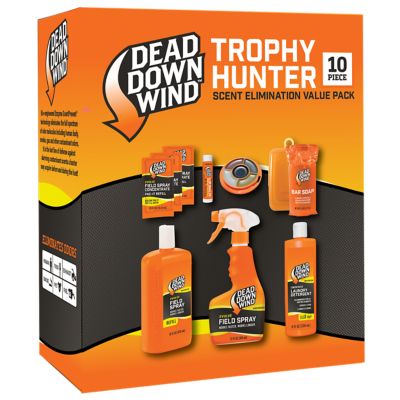
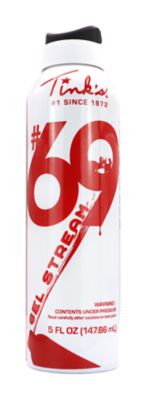
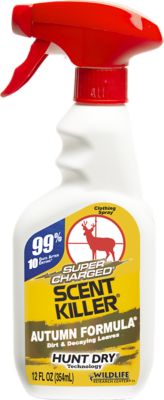
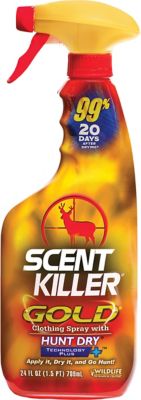
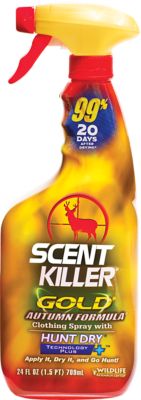
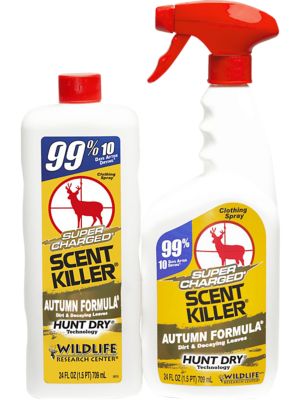
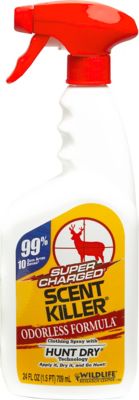
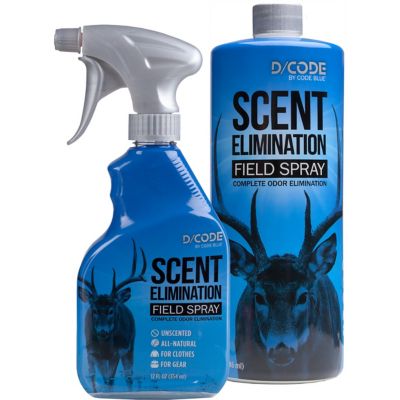
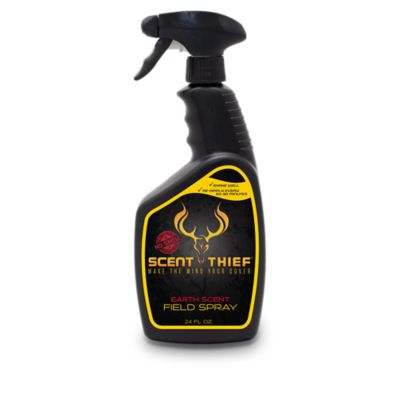
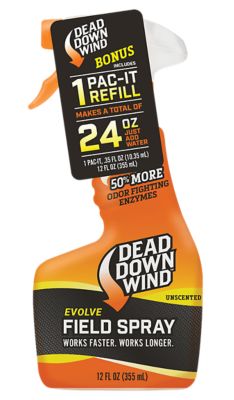
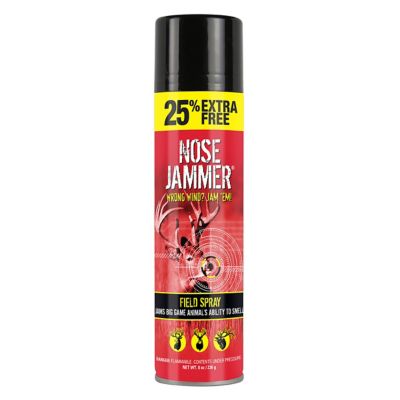
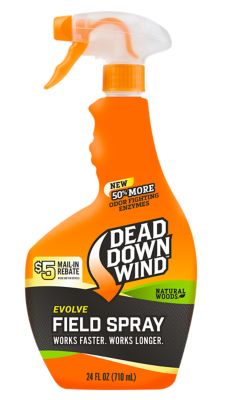
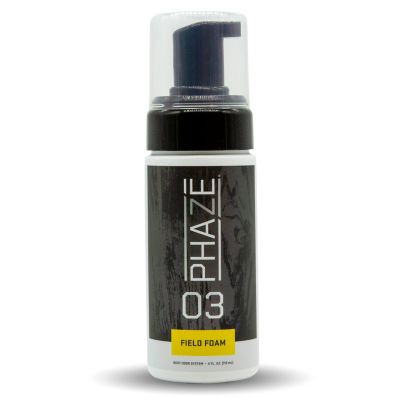
Scent control sprays are hunting sprays designed to reduce human odor on compatible clothing, boots and equipment. They help manage scent associated with perspiration, skin oils and handling, giving hunters another way to limit odor around a stand, blind or approach trail. These sprays do not make a hunter scent-free or guarantee that an animal will stay unaware. Deer, elk and other game can pick up on human presence through scent, sound and movement, so odor control is one part of a broader hunting routine. For someone slipping into a ground blind or walking a fence line toward a tree stand, a spray intended for hunting gear can help address odors carried along on fabric and footwear. Different formulas approach odor control in different ways. Some contain ingredients intended to bind or neutralize odor compounds, while others rely on enzymes or other odor-fighting ingredients. The label explains the intended action and approved applications; a scent-control claim alone does not establish how well every formula performs under every condition. Fragrance-free odor-control sprays also serve a different purpose from cover scents, which add another smell rather than simply targeting existing odor. That distinction matters when choosing a spray for a particular hunting setup. A hunter wanting to keep added fragrance off a jacket has different needs from someone intentionally incorporating a cover scent into a hunt. Sprays meant for clothing and equipment are not automatically suitable for skin, hair or animals, either. The right match depends on where the spray will go, what the material can tolerate and how the directions describe its application. From a pair of work-worn hunting boots to a pack carried through brush, the goal is straightforward: help reduce unwanted odor without treating every surface the same way. Clear application directions and material compatibility matter more than a sweeping promise of complete scent elimination.
Materials and bottle design make a real difference in how scent control sprays fit into a hunting routine. A fabric jacket, rubber boot, leather glove and padded pack each present a different surface, and a formula suitable for one may not be recommended for another. Water-resistant finishes, specialty membranes, leather treatments and coated equipment deserve particular attention because care requirements can vary. A small test on an out-of-sight area can help reveal spotting or discoloration when the label permits that approach. Hunting clothing also needs to retain its intended performance; scent treatment should not come at the expense of a garment’s finish or care requirements. The same caution applies around bow components, optics, rangefinders and other equipment with lenses, electrical parts or sensitive surfaces. A spray approved for fabric is not blanket permission to wet everything in a hunting pack. Application patterns matter, too. A fine mist can help spread treatment across a broad fabric surface, while a trigger sprayer may feel more manageable when treating several pieces of gear before heading out. Bottle shape, grip and closure are practical considerations for hunters handling equipment with gloves or working from a tailgate. A smaller bottle takes less room in a pack; a larger bottle may better suit treating clothing and equipment at home, provided its size fits the application directions and storage space. A secure closure helps limit spills, but any bottle still needs to ride where it will not leak onto food, ammunition or sensitive gear. Drying requirements are another useful point of comparison. Some applications call for allowing material to dry before wear or storage, and packing damp clothing into a closed bag can create a separate odor problem. Scent control spray does not replace washing, removing mud or following the care label on hunting apparel. Clean equipment, proper drying and storage away from fuel, smoke and strongly fragranced household products give an odor-management routine a better starting point than repeatedly spraying over dirt.
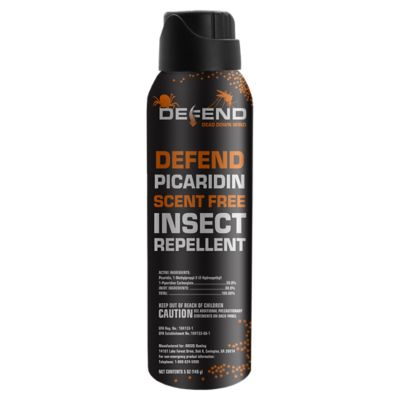
How and where someone hunts also shapes what makes sense in a scent control spray. A bowhunter working at close range may pay particular attention to sleeves, pack straps and other approved fabric surfaces that see frequent handling. Someone spending hours in a blind may be more concerned with clothing and footwear that carry odors from the truck, house or barn. Hunters covering ground with a pack have a different balance to consider: bottle weight, space and the opportunity to apply a treatment according to its directions. Even a short walk through a farmyard can bring hunting gear into contact with smells that have nothing to do with the woods. Keeping a hunting jacket separate from chore clothes and a pack away from gas cans helps keep those odors from becoming part of the outing. A spray can support that separation, but it cannot erase every trace of where equipment has been. Contact time, coverage, material and exposure all affect the treatment, so claims about how long a spray lasts need to come from its own label rather than assumptions about the category. Scent management also serves a different job from insect protection. For outings where biting insects are a concern,
Insect Repellent Sprays address that separate need; each formula has its own directions for skin, clothing or gear, and the two categories are not interchangeable. For a hunter receiving scent-control supplies as a gift, the most thoughtful match is a spray suited to the equipment they already carry and the routine they actually follow. Straightforward directions, a practical bottle and compatibility with their hunting clothing can matter more than a long list of claims. Whether the setup is a simple pack beside the door or a dedicated space for hunting gear, scent control sprays belong alongside sensible cleaning and storage habits, not in place of them.