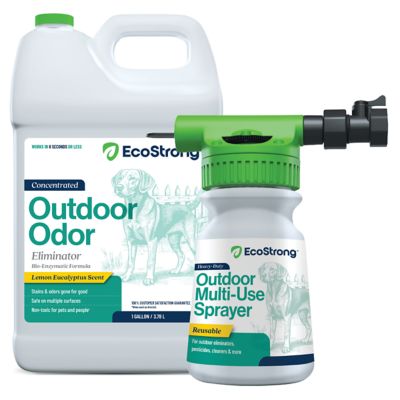
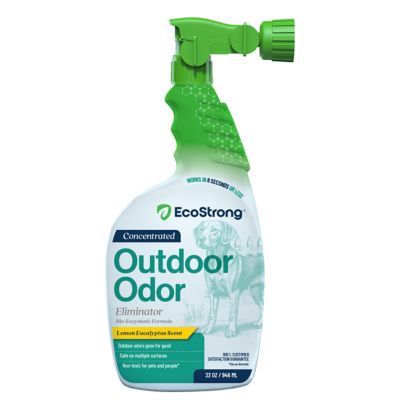
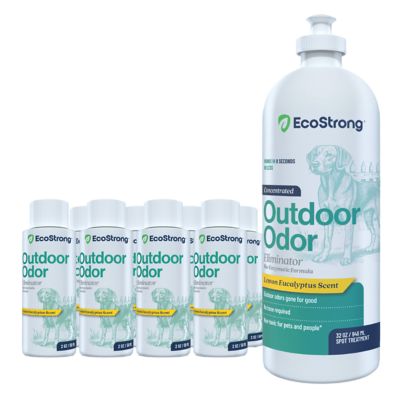
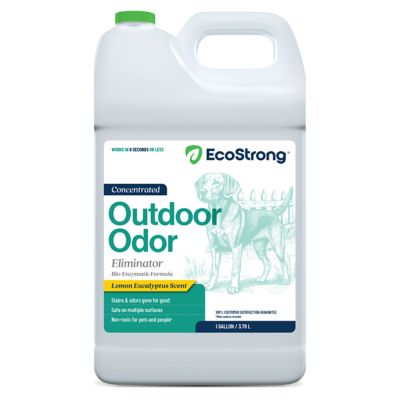
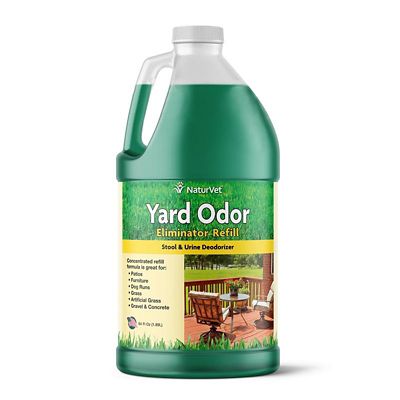
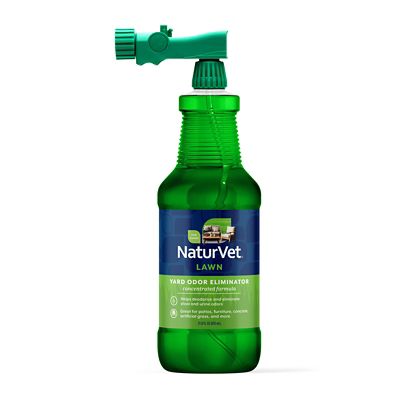
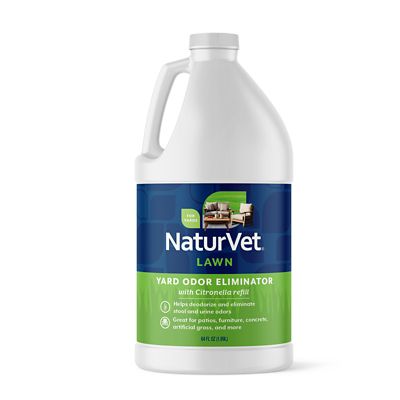
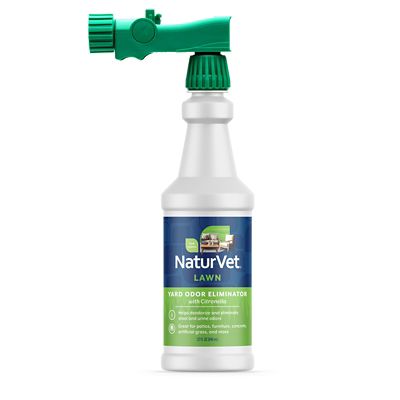
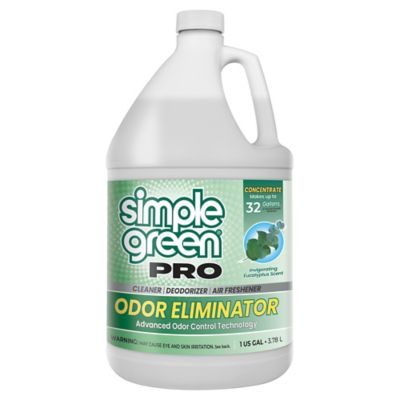
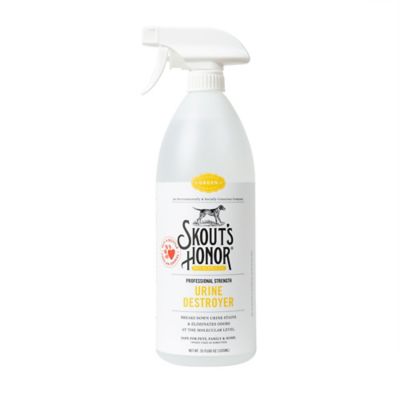
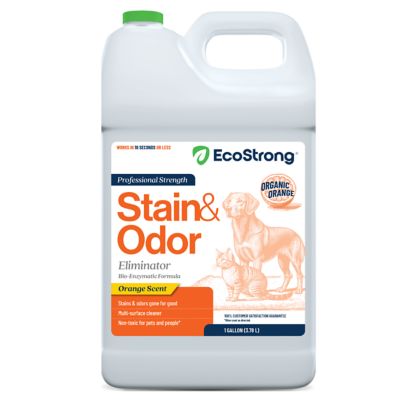
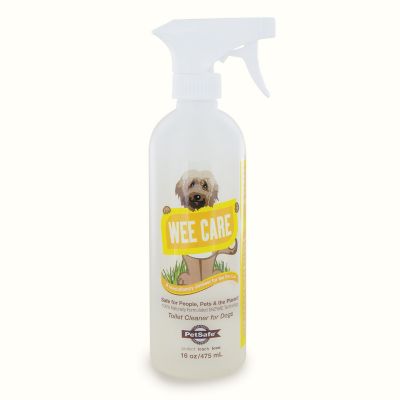
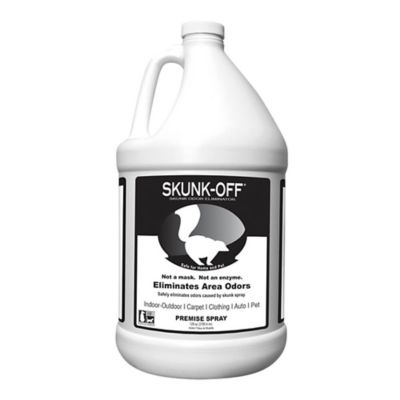
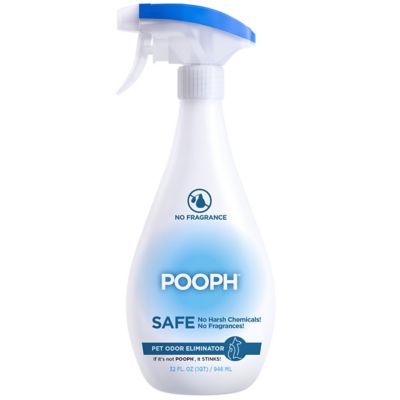
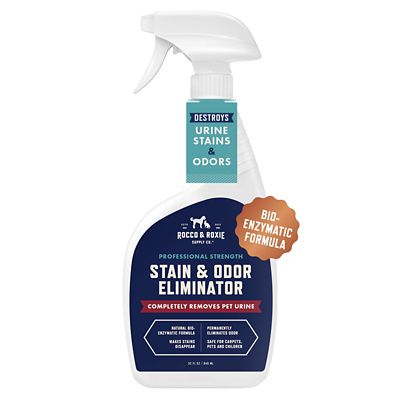
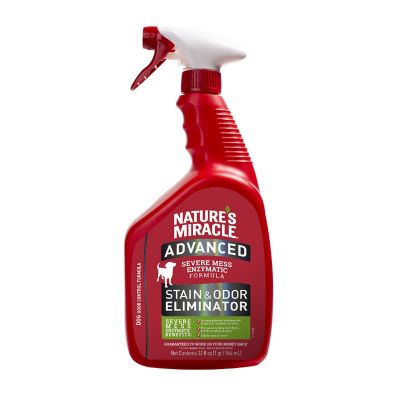
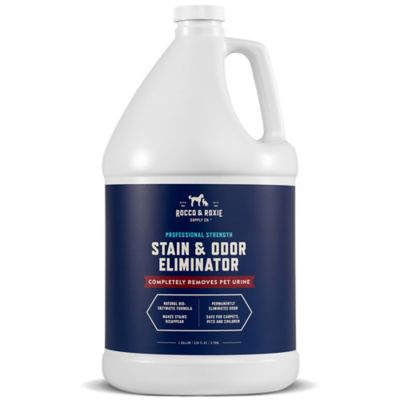
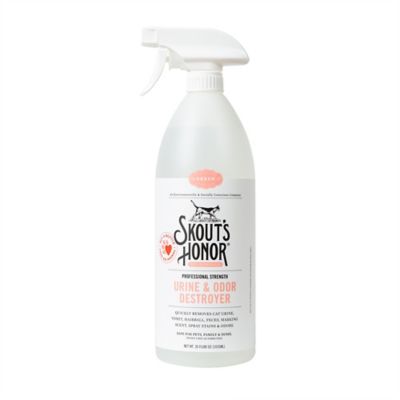
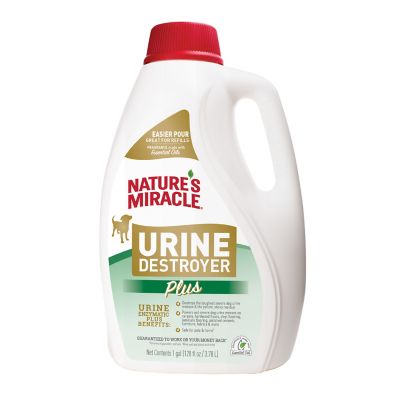
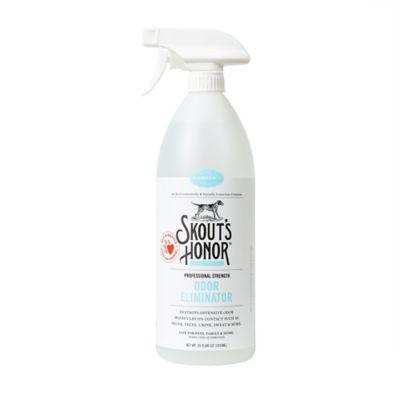
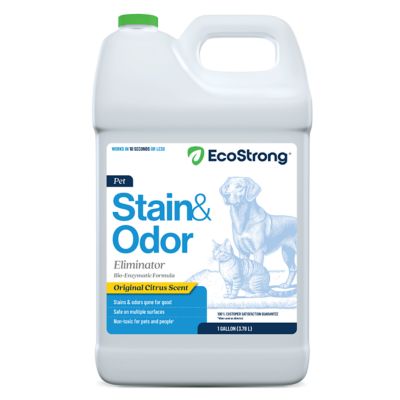
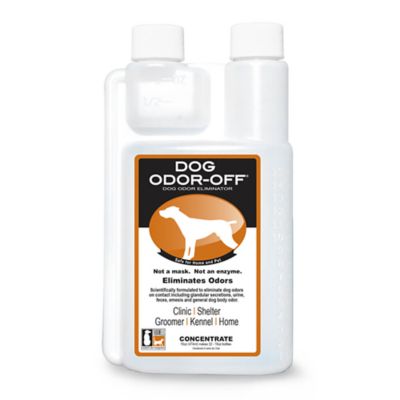
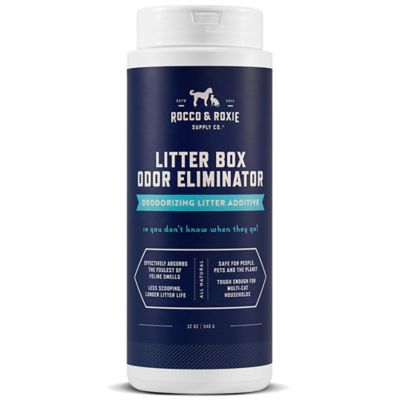
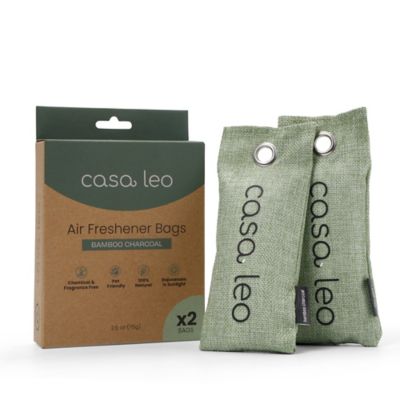
Yard odor eliminators help control outdoor smells from pet urine, feces, and other organic messes. Common types include enzyme-based liquids, bacteria-based treatments, odor-neutralizing sprays, and absorbent mineral granules. Depending on the formula, these products break down odor-causing residue, neutralize odor compounds, or capture moisture and smells instead of simply covering them with fragrance. The right match depends on the source of the odor, the surface being treated, and the application directions. For a household with dogs, trouble spots often include the strip of grass beside the back steps, the gravel along a fence line, or the corner of a patio where a pet keeps returning. Even after solid waste is picked up, residue can remain in soil, settle between pavers, or work into porous concrete. That lingering material is why a spot can look tidy but still smell when someone walks past. Enzyme formulas contain enzymes that act on particular organic substances, while bacteria-based formulas rely on microbial activity to help break down certain residues. Their performance depends on conditions and proper application, so neither should be treated as an instant fix for every outdoor smell. Mineral granules work differently, with absorbent or odor-binding properties that can suit certain ground surfaces. Some formulas also contain fragrance, while others focus on odor control without an added scent. A scented treatment may leave a noticeable smell of its own, which matters around a porch, a seating area, or pets that spend plenty of time close to the ground. Odor control also differs from stain removal and disinfection; a product should only be expected to perform the jobs stated on its label. For everyday backyard care, these treatments complement waste pickup and regular cleaning, helping address the residue that a scoop or broom cannot always reach. They serve a practical purpose in yards shared by paws, boots, and family activity, especially where a favorite pet spot sits close to the house.
Surface compatibility is a big part of choosing yard odor eliminators, since a lawn, a turf-covered dog run, and a concrete pad handle liquids differently. Formulas labeled for established grass may suit pet relief areas, but that does not automatically make them appropriate for every planting bed or landscape material. Artificial turf needs its own consideration because urine can move through the blades and collect in the infill, backing, or base below. A treatment intended for turf should fit the turf maker’s care requirements, and odor that keeps returning may point to trapped residue or a drainage problem beneath the surface. Gravel and bare soil can let liquid travel below the visible layer, while concrete and masonry may hold residue in small pores and joints. Wood, painted surfaces, and sealed patios call for attention to finish compatibility, including any label directions for testing a small, out-of-the-way spot. Application format matters just as much as the treatment surface. Ready-to-apply sprays can suit a small area beside a gate, while concentrates offer a way to mix the labeled amount for a larger space. Hose-end bottles can help distribute a compatible liquid across a broader treatment area, provided the attachment fits the hose and the directions allow that application method. Granular treatments offer a different approach where their labels permit scattering over the intended surface. Container size alone does not tell the whole story: dilution rate, labeled coverage, and repeat-application directions determine how much ground a treatment can cover. A concentrated formula is not necessarily better when mixed stronger, and extra product can leave residue or create unnecessary exposure. Storage and equipment care count, too. Tightly closed containers, readable labels, and rinsed application equipment, where directed, help keep routine yard care straightforward. Outdoor treatment should stay within the intended area, away from food and water dishes, with attention to label restrictions around drains, wells, ponds, and other water sources.
For pet owners, the most useful odor-control setup fits the way the yard actually gets shared. A single dog with one favorite bathroom spot creates a different cleanup routine than several dogs moving between a fenced yard and a run. A small patio beside the kitchen door may call for targeted treatment, while a larger exercise area may need attention across several trouble spots. Families with children also have to account for play spaces, toys, and the time pets and people spend on treated ground. Labels provide the product-specific directions for protective gear, application, drying or waiting periods, and when animals and people can return. Terms such as plant-based or naturally derived do not replace those instructions, and a formula suited to one outdoor surface is not automatically suitable for every animal enclosure. For dedicated dog housing and enclosed runs,
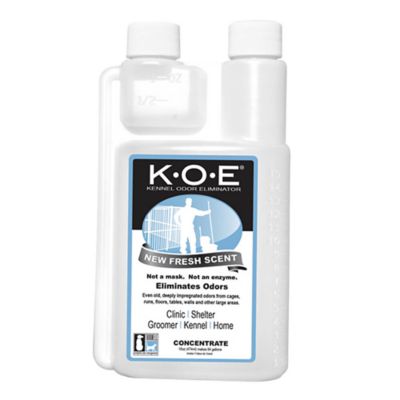
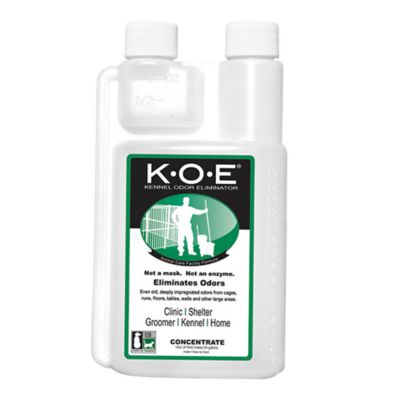
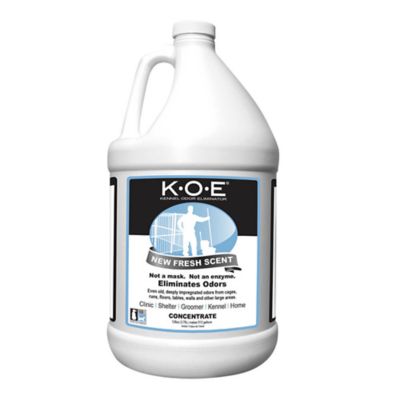
Kennel Odor Eliminators address a closely related part of pet-area care, where flooring, enclosure materials, and cleaning routines shape the choice. Across both yards and runs, keeping solid waste picked up gives odor treatments less material to contend with. Removing trapped debris from turf edges, clearing buildup from cracks, and maintaining drainage can also make ongoing odor management more effective. Frequent repeat odor in the same patch may mean the treatment is not reaching the residue, rather than simply calling for more fragrance. Compatibility with other cleaners matters as well, since mixing cleaning products can create hazards or interfere with a formula’s intended action. Clear application directions and a format that suits the space help make regular care manageable, whether the job is a narrow path along the fence or the patch of ground outside a kennel gate. Yard odor eliminators are most helpful when matched to a known odor source and a suitable surface, with realistic expectations about repeat treatment. The goal is a yard that smells cleaner without trading routine cleanup for a heavy layer of perfume.