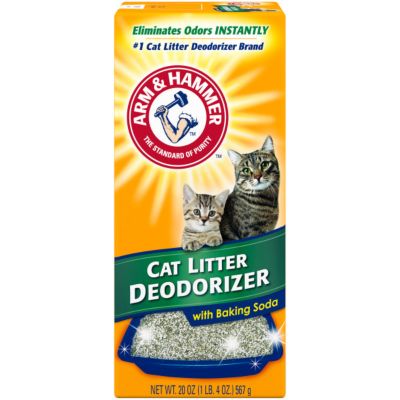
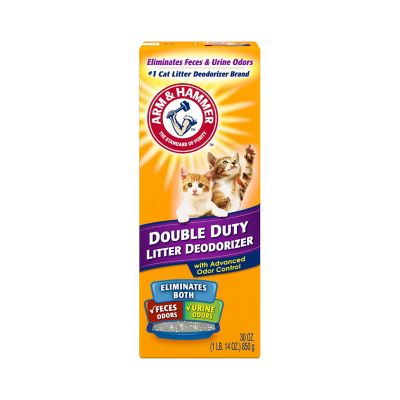
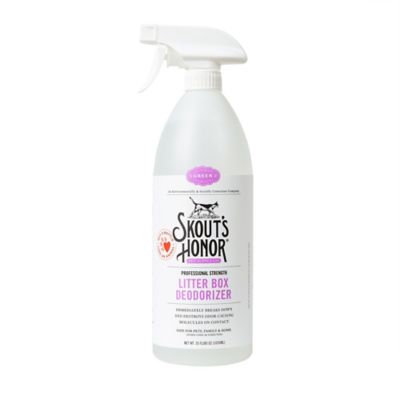
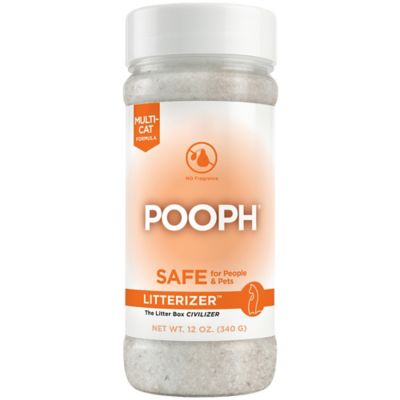
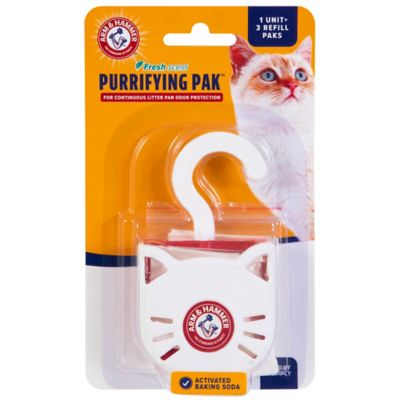
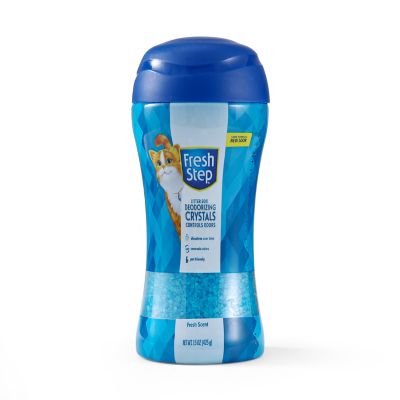
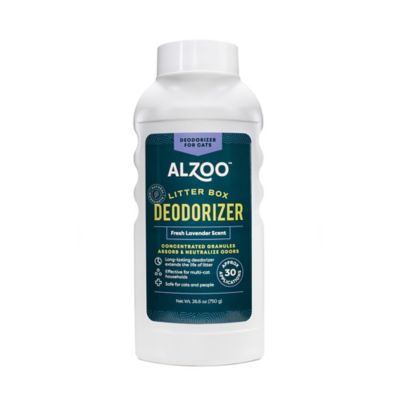
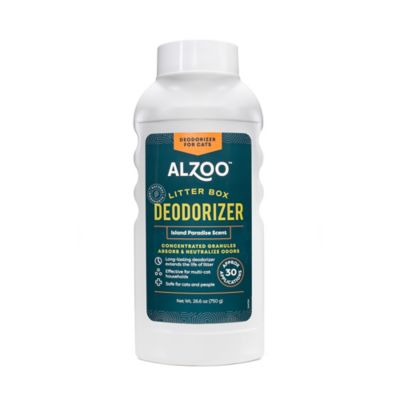
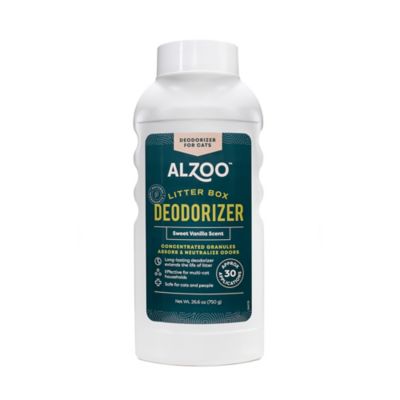
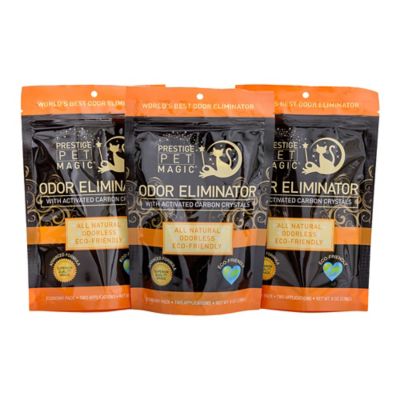
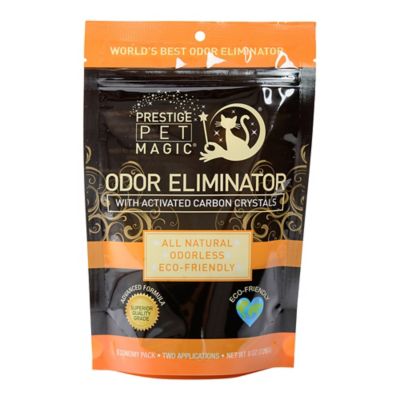
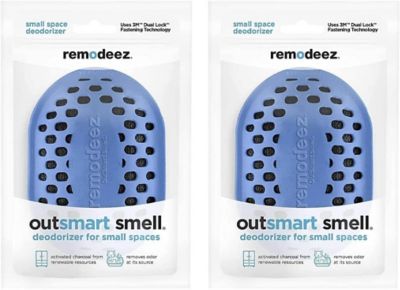
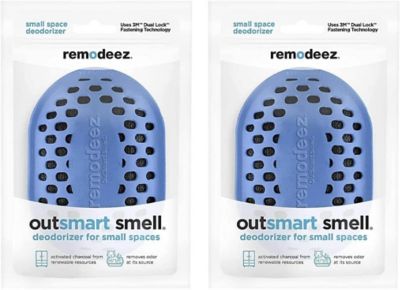
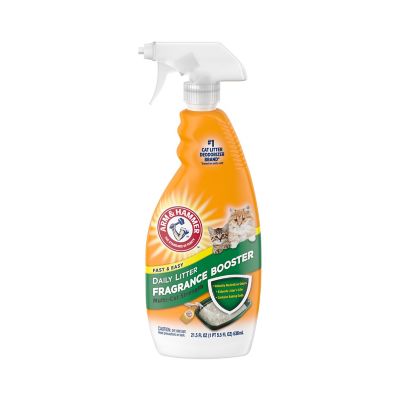
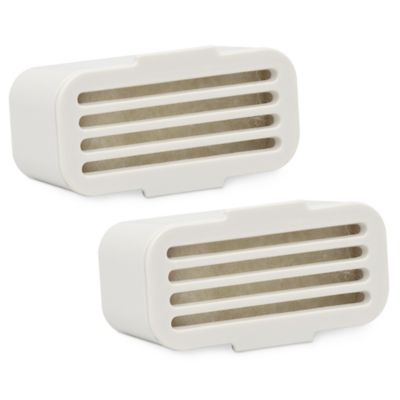
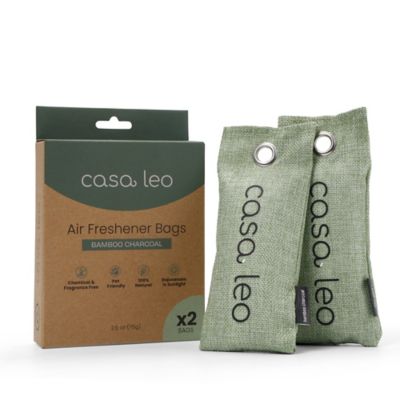
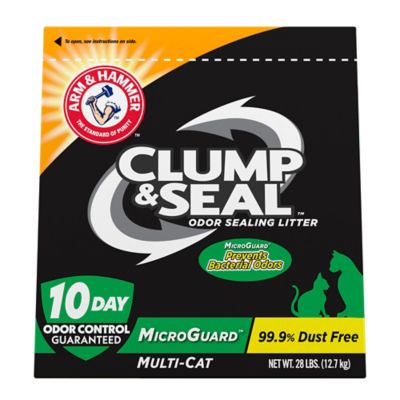
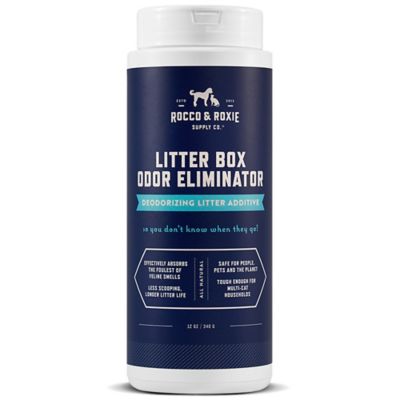
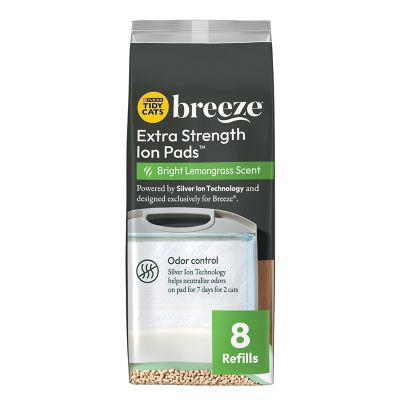
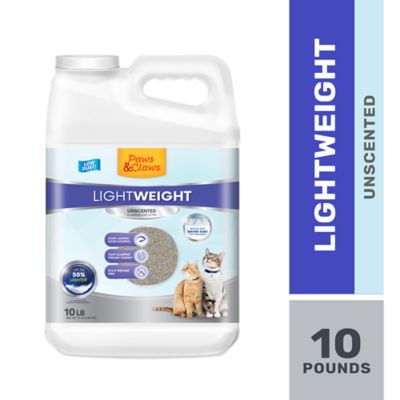
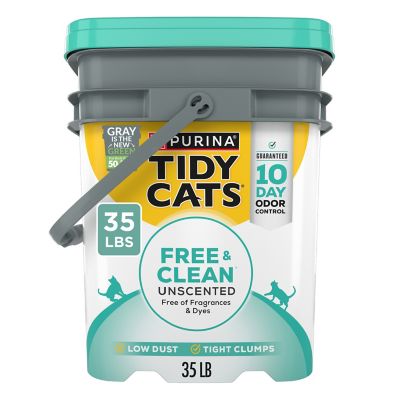
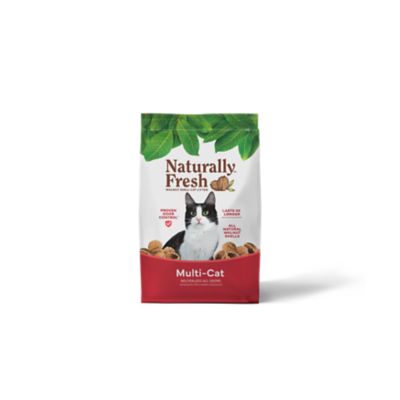
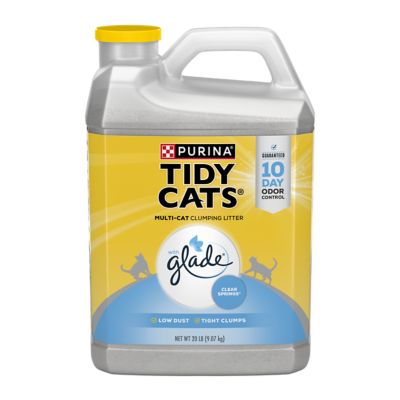
Litter box deodorizers help keep the cat area smelling fresher between cleanings by absorbing moisture, trapping odor, or breaking down the compounds that cause strong ammonia and waste smells. They can be especially handy in homes with several cats, smaller houses, apartments, laundry rooms, mudrooms, barns, and other spaces where a litter box does not have much ventilation. During the cooler months, when windows stay closed and pets spend more time indoors, a deodorizer can make a noticeable difference in the air around the box. Common options include baking soda-based powders, natural granules, charcoal, and enzyme-based sprays. Baking soda additives are usually sprinkled lightly over or mixed into the litter to help neutralize everyday odors. Granules made from materials such as corncob can help absorb moisture and trap smells, while coconut charcoal works by drawing odor into its porous surface. Enzyme sprays are generally used on the outside of the litter box, nearby flooring, mats, walls, or other hard surfaces where accidents and tracked litter may leave behind a lingering smell. These products work best as part of a regular litter box routine rather than as a replacement for cleaning. Look for a deodorizer that matches the type of litter you use, whether that is clay, clumping, crystal, wood, paper, or another material, and follow the package directions for the right amount. A little often goes a long way; too much powder or fragrance may bother a cat’s nose or discourage use of the box. Unscented or lightly scented choices can be a good fit for sensitive cats, kittens, older pets, and households where people are sensitive to strong fragrances. Avoid putting essential oils directly on a cat, in its food or water, or anywhere the animal may lick them, and use any scented product only as directed. If a cat suddenly avoids the box, has accidents, or shows a major change in bathroom habits, odor control should not be the only concern—check with a veterinarian, since changes in litter box behavior can signal a health problem.
The most dependable way to control litter box odor is to scoop solid waste and wet clumps at least once a day, and more often when several cats share the same box. Removing waste before bacteria have time to break down urea into pungent ammonia helps keep the box and surrounding room more comfortable. After scooping, add fresh litter as needed and use deodorizer according to the label, taking care not to bury large amounts under the litter or create a dusty cloud. Empty and wash plastic litter pans with mild soap and water on a regular schedule, often every couple of weeks or two to three times a month depending on the number of cats and the condition of the box. Rinse away all soap residue and let the pan dry before adding clean litter. Avoid mixing household cleaners, and never combine bleach with ammonia or other cleaning products. A scoop with a sturdy handle, a lined waste pail, a washable litter mat, and a spare pan can make this chore easier to manage. The litter box itself also matters. Plastic pans can hold onto odors and develop scratches over time, especially when scrubbed with abrasive tools. A stainless steel litter box is less likely to absorb smells and can be easier to wash thoroughly, though the size, height, and entry design should suit the cat using it. Large cats and multi-cat households generally need roomy boxes, while kittens and senior cats may need a lower entry. A good rule of thumb is to provide one box per cat plus one extra when possible, placed in quiet, easy-to-reach locations rather than beside loud appliances or busy doorways. Deodorizers can freshen the box, but adequate box space, clean litter, and good airflow do much of the heavy lifting. For help comparing litter types before choosing an odor control option, browse
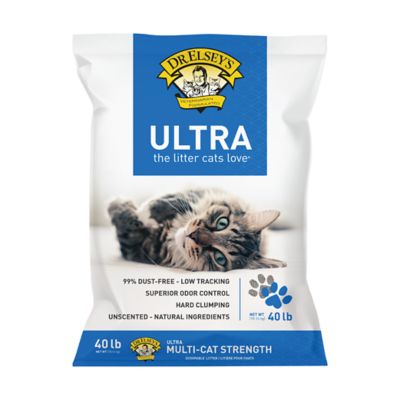
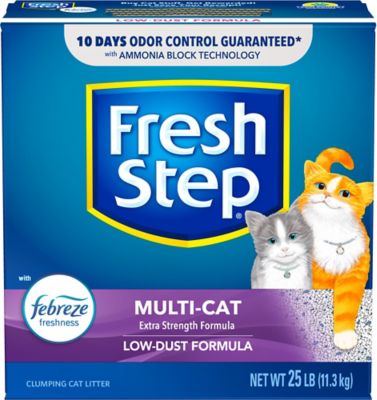
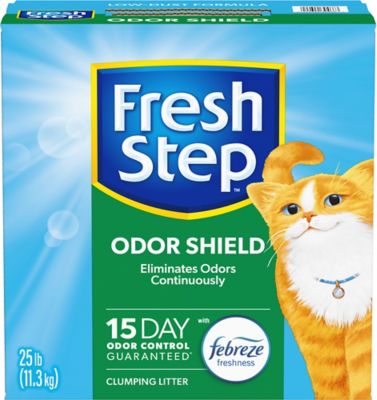
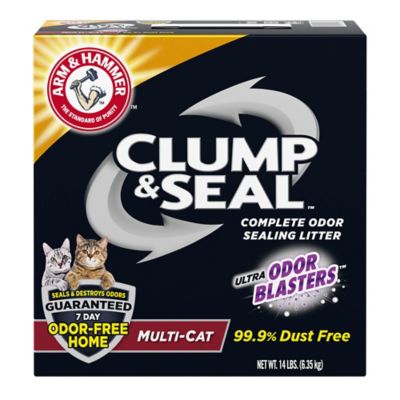
Best Cat Litter and consider how absorbency, clumping, tracking, dust, and scent fit your household.
Litter box deodorizers are a practical choice for new cat owners, longtime pet families, foster homes, and anyone setting up a more comfortable indoor space for a cat. They can also make a thoughtful, useful gift for a friend who recently adopted a kitten, brought home a rescue, or is caring for multiple cats—especially when paired with scoop bags, a litter mat, or a fresh litter pan. When shopping, think about where the box sits, how many cats use it, how often it can be cleaned, and whether children, dogs, or other pets might reach the deodorizer. A covered box may hold odors inside but can also concentrate smells if it is not cleaned often, so a deodorizer should never be used to cover up a neglected pan. In a mudroom or enclosed porch, charcoal or moisture-absorbing granules may be useful where damp air makes litter smell stronger. In a family laundry room, a low-dust, lightly scented, or unscented formula may be more comfortable around people and pets sharing the space. For accident cleanup, use an enzyme cleaner labeled for the surface, allow it to remain wet for the recommended contact time, and keep the cat away until the area is dry. Never spray deodorizer onto the cat, food dishes, bedding, or litter unless the directions specifically say it is safe for that use. Store powders, sprays, and granules where curious pets and children cannot get into them. With daily scooping, routine washing, enough boxes, and the right deodorizer for your litter setup, it is easier to keep the cat corner from taking over the whole house. The goal is a clean, low-stress place that smells manageable to the people living there while still feeling familiar and comfortable to the cat using it.