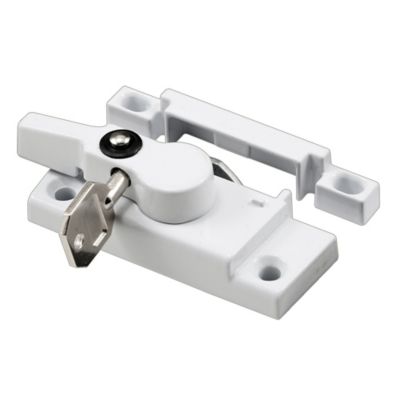
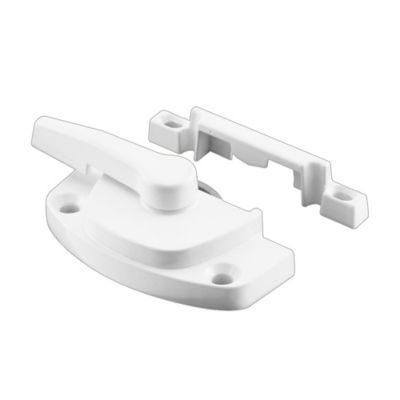
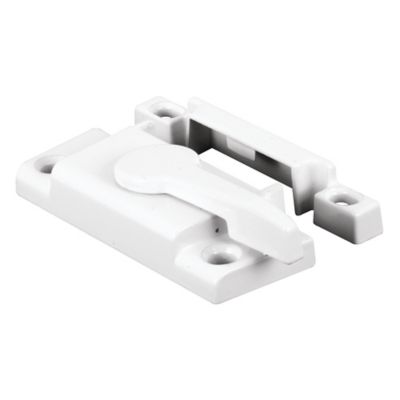
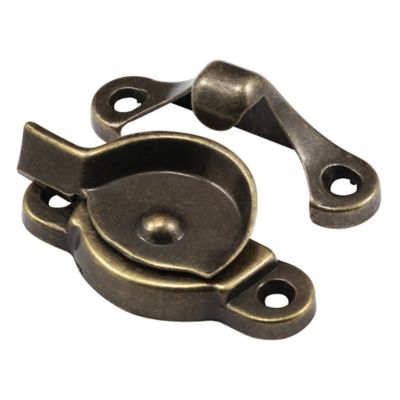
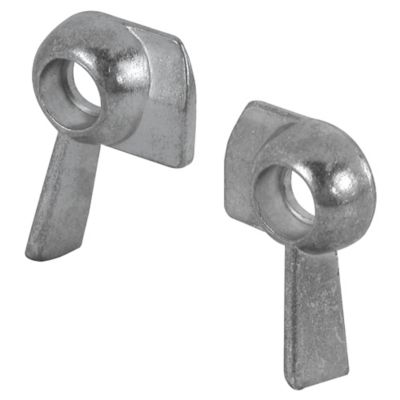
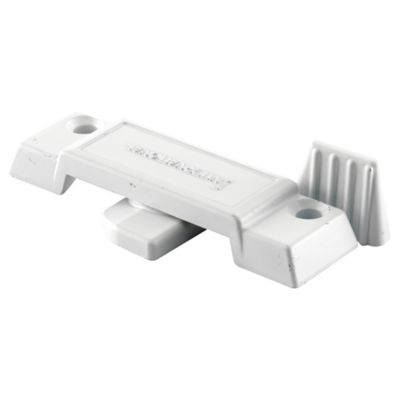
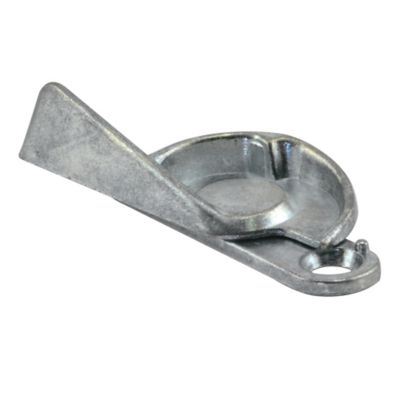
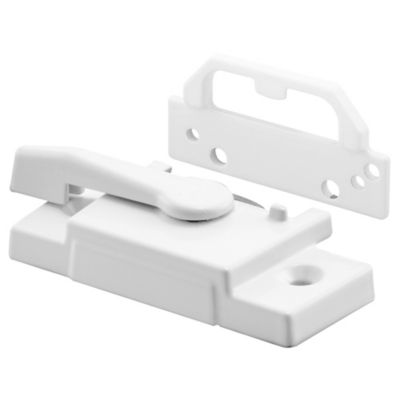
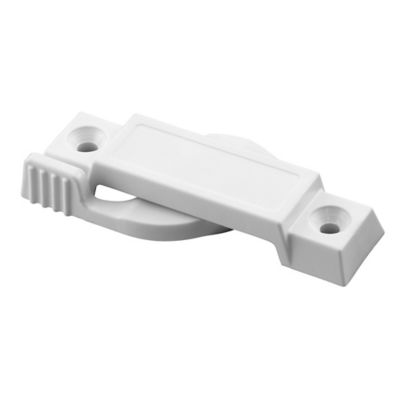
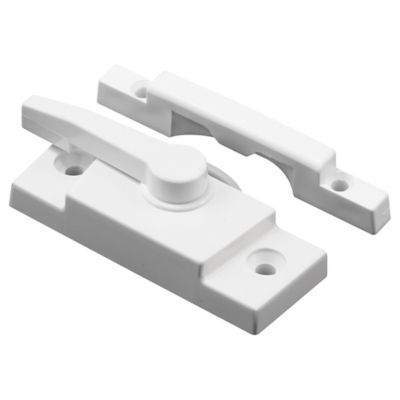
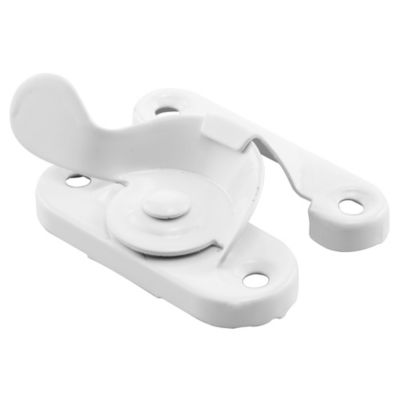
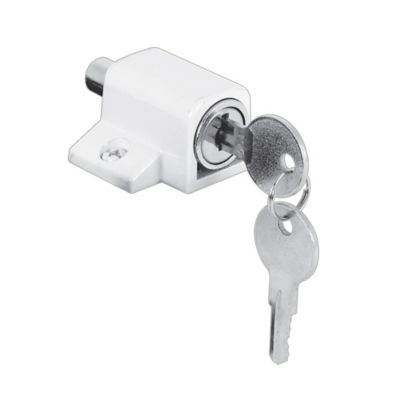
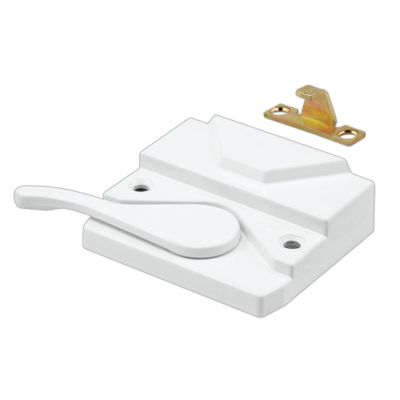
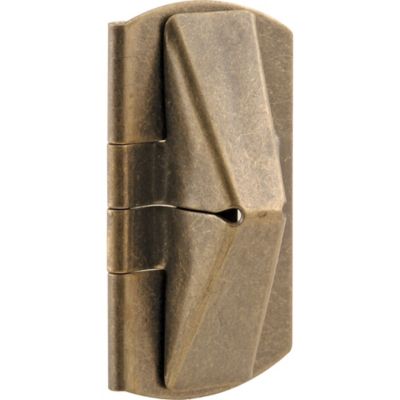
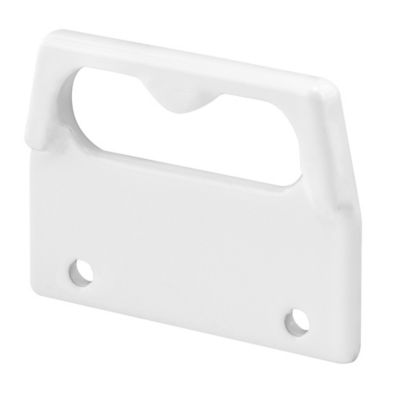
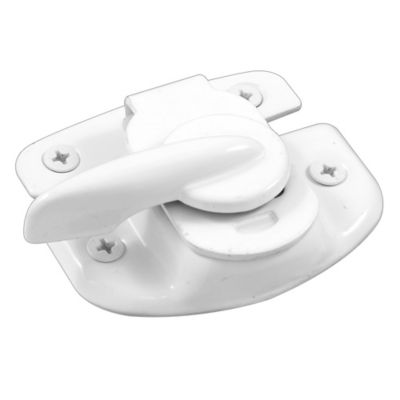
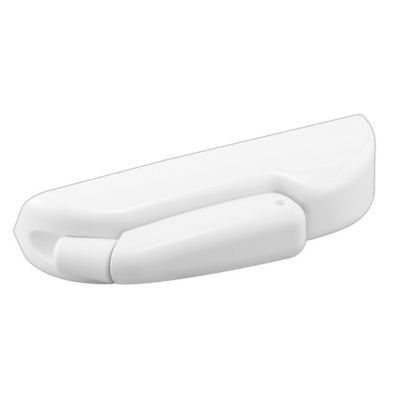
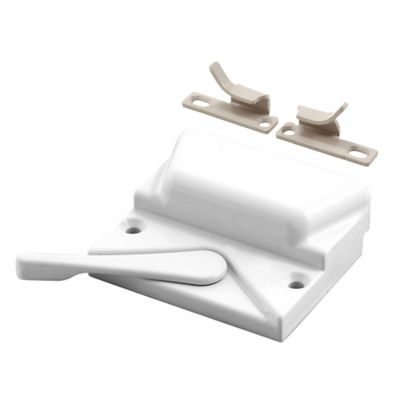
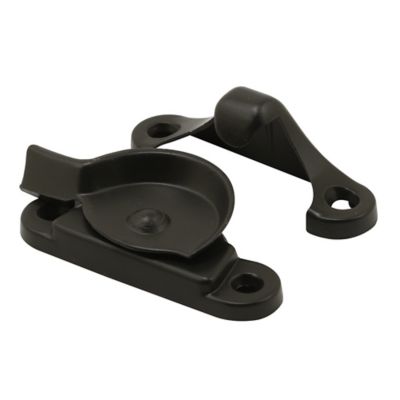
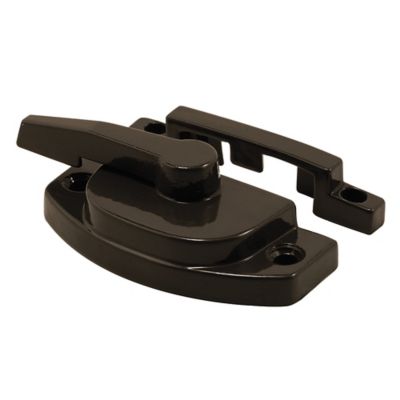
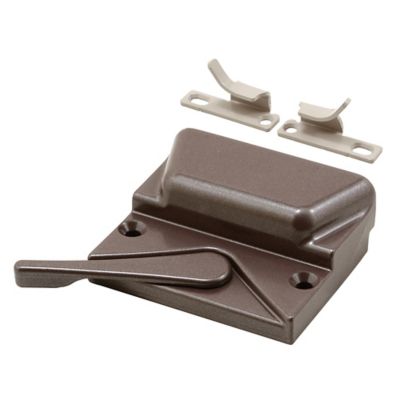
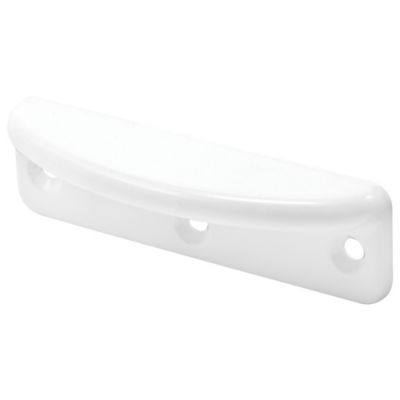
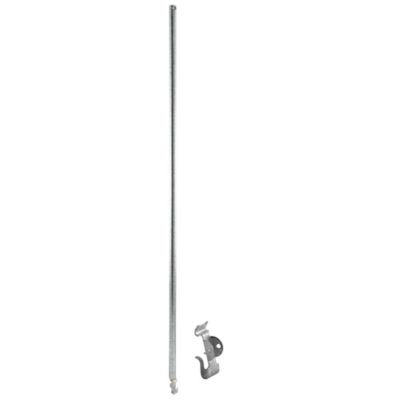
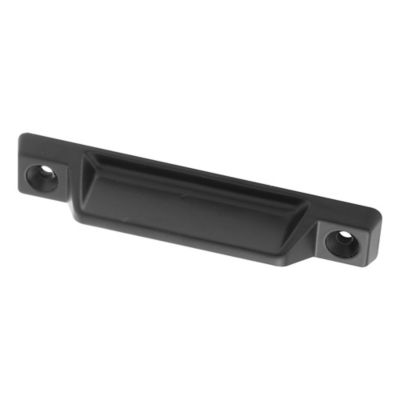
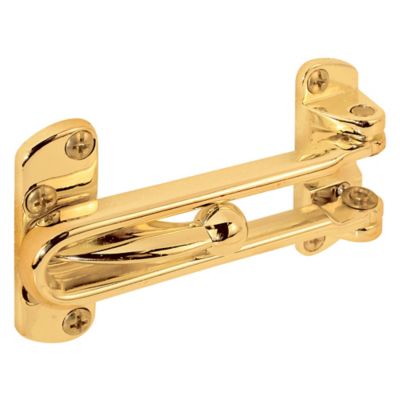
Sash locks are practical pieces of hardware used to hold a window or door securely closed, but the name can describe two different types of lock. On a double-hung window, a sash lock is the small fastener mounted where the upper and lower sashes meet. Its cam-action design pulls the meeting rails together, helping close small gaps, limit drafts and keep the window from being lifted open from the outside. These locks are useful on older farmhouses, rental homes, workshops, cabins and outbuildings where an original fastener may be loose, worn or missing. They can also be a handy finishing touch during a window refresh when the glass and frame are still in good shape but the hardware has seen better days. Window sash locks come in several styles, including basic cam fasteners, clamp-tight designs and keyed versions. A standard fastener may be all that is needed for a lightly used interior window, while a keyed sash lock can add another layer of control around a child’s room, porch, hunting cabin or ground-level window. Before choosing one, measure the existing lock and the flat area where it mounts. Check the distance between screw holes, the width and thickness of the meeting rails, and the amount of clearance available when the window is closed. A replacement that looks close in the package may not sit correctly if its base is too wide or its cam does not reach the opposite sash. Pay attention to the finish, too. A bright finish can blend with newer window hardware, while oil-rubbed, aged or darker finishes may suit a restored home with vintage trim. Solid-feeling metal construction is a good choice for windows that get opened and shut every day, especially in kitchens, mudrooms and bedrooms. For occasional-use windows in a barn office or seasonal cabin, simple hardware may be enough. Whatever the setting, a sash lock should pull the sashes snugly without forcing the frame, scraping the rails or making the window difficult to operate.
A door sash lock is a different kind of hardware altogether. It is generally a mortise lock body installed into the edge of a swinging door, combining a spring-loaded latch with a deadbolt in one compact case. The latch works with a knob or lever to keep the door closed during everyday use, while the deadbolt provides added security when operated by a key, thumb-turn or other interior control. This style is often found in older homes, traditional cottages, back doors, interior passage doors and restoration projects where preserving the original look matters. Door sash locks may be made for different levels of security, including configurations with three levers or heavier five-lever designs. The right choice depends on the door’s construction, the location of the entry and how much security the space needs. A lock for a bedroom or office may be selected mainly for privacy and a clean, traditional appearance, while one used on a back entrance, detached shop or equipment room may need a more robust deadbolt and stronger internal components. Take careful measurements before buying a replacement or planning a new installation. The lock case must fit inside the door, and the backset—the distance from the door edge to the center of the handle or key opening—needs to match the existing holes and trim. Also check the case depth, faceplate length, door thickness, handing requirements and the position of the latch and deadbolt. The strike plate on the door frame must line up with both locking points so the door closes smoothly and the bolt extends fully. A door that sticks, rubs or needs to be pulled hard into place may need frame adjustment before new hardware is installed. On older rural homes, years of settling can shift the frame just enough to affect a careful installation. When matching door hardware, consider the handles, hinges and other metalwork already in the room. Coordinating finishes can make a replacement feel like part of the house rather than a patch added later. If you are comparing related hardware for cabinets, gates or utility doors, take a look at
Locking Handles for another option that may suit the job.
Sash locks are most often purchased for repairs, remodels and upkeep rather than as a gift, but they can make a thoughtful practical present for someone restoring an old house, fixing up a hunting camp or keeping a small homestead in working order. They are the kind of item that tends to be needed at the exact moment a window will not stay shut or a door lock finally gives up, and having the right replacement on hand can save a trip into town. When shopping, start by identifying whether the project involves a window sash fastener or a mortise-style door lock; the two are not interchangeable. Look at the current hardware, take photographs of the mounting area, and write down every useful measurement before removing anything. If the old lock is still installed, compare its screw pattern, faceplate and operating points with the replacement options. For a window, inspect the meeting rails for soft wood, stripped screw holes or paint buildup that could keep the lock from drawing the sashes together. Small repairs, such as cleaning the rails, tightening screws or filling worn holes with suitable wood repair material, may help the new fastener sit firmly. For a door, check that the hinges are tight and that the frame is square enough for the latch and deadbolt to align. Follow the hardware instructions, use the correct screws and avoid overtightening, which can distort a thin window rail or door face. During the cooler months, a properly fitted window sash lock can help reduce noticeable air movement around older windows, while a dependable door lock brings peace of mind when the property is closed up overnight or left unattended. Whether the project is a quick replacement on a well-used back window or a careful restoration of a weathered farmhouse door, choosing the correct style, size and finish helps the hardware work properly and look right for years to come.