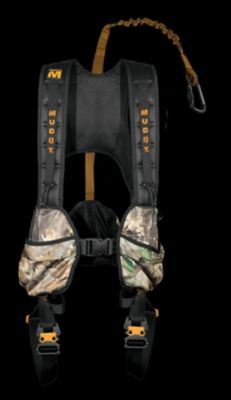
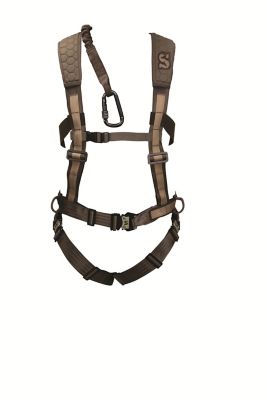
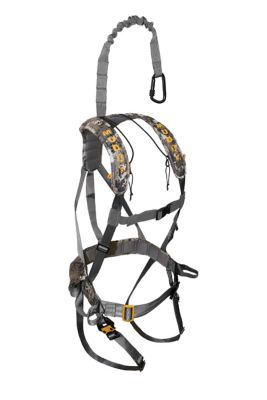
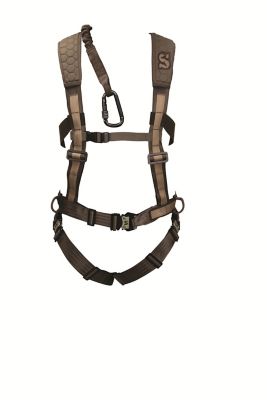
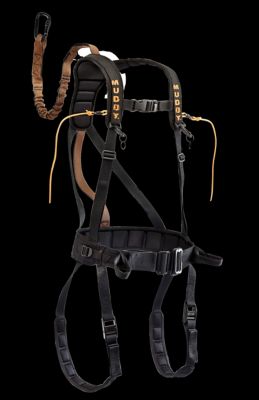
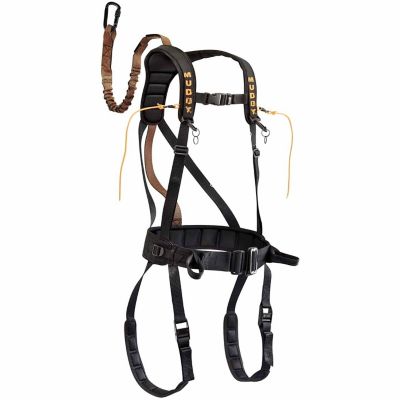
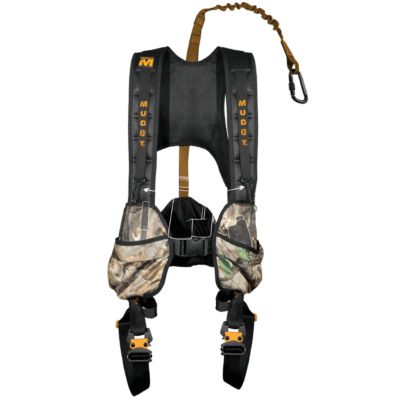
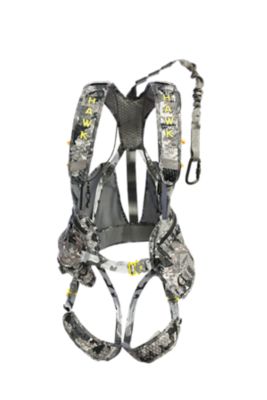
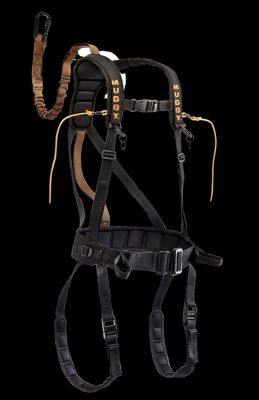
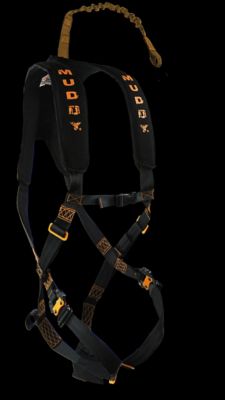
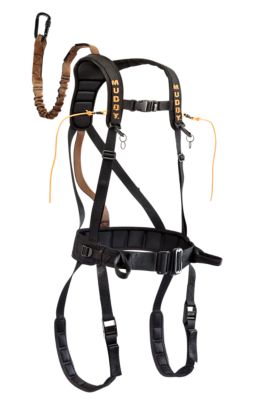
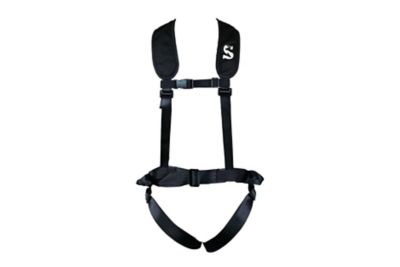
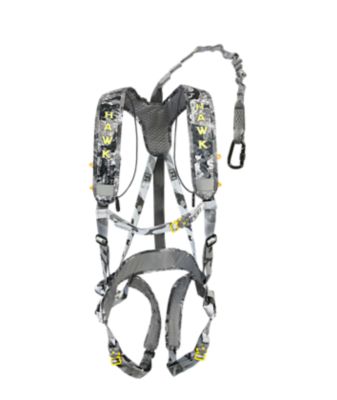
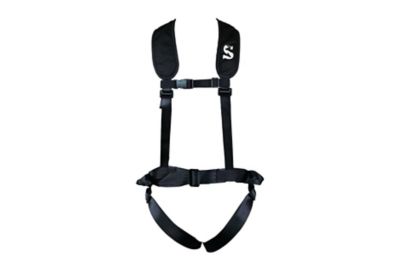
Safety harnesses are wearable components of fall protection systems, built to help spread the forces of an arrested fall across the thighs, pelvis, chest, and shoulders. A full-body harness does not stop a fall by itself; it works with compatible connecting equipment and a suitable anchorage as part of a complete system. That matters whether the job involves repairing an elevated farm structure, working on a construction site, or maintaining equipment above ground level. Roofers, construction crews, maintenance workers, and property owners taking on elevated work all need equipment matched to the task, along with the training to recognize its limits. Full-body harnesses serve a different purpose from body belts, which are not appropriate for personal fall arrest. Materials commonly include woven polyester or nylon webbing, with steel or aluminum hardware at connection and adjustment points. Webbing carries the load, while stitching, buckles, and attachment hardware work together to maintain the harness’s shape and fit. Material choice affects weight, flexibility, resistance to abrasion, and care requirements, but suitability depends on the complete harness and its stated applications rather than one material alone. A rear dorsal D-ring, generally positioned between the shoulder blades according to the manufacturer’s instructions, is the usual connection point for general fall arrest. Other attachment points may support work positioning, climbing systems, or rescue functions when the harness is specifically designed for those purposes. Side D-rings are generally for positioning, not a substitute for the designated fall-arrest attachment. Padded shoulders, leg straps, and waist supports can make a difference during longer tasks, while simpler designs may feel less cumbersome for shorter work periods. A waist pad or tool belt does not turn a harness into a positioning system on its own. The attachment points, connecting equipment, and intended application still have to match. For work near electrical hazards, sparks, or other specialized exposures, ordinary webbing and hardware may not be suitable; the harness needs the appropriate ratings for that environment.
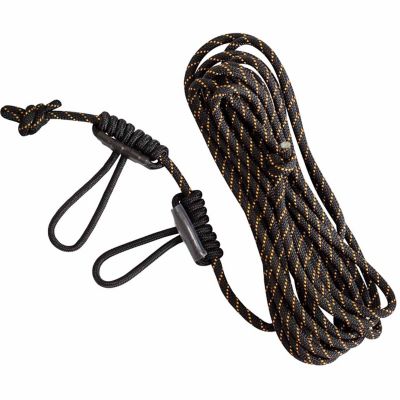
Fit deserves as much attention as the hardware, especially when a job calls for bending, reaching, climbing, or carrying tools. A harness that fits one worker well may sit differently on another person with the same general build, so sizing depends on the manufacturer’s measurements and adjustment ranges rather than a familiar shirt size. Capacity ratings also need a close look because they may account for the combined weight of the wearer, clothing, tools, and other carried equipment. Shoulder, chest, and leg straps should lie flat and adjust snugly according to the manufacturer’s directions without restricting normal movement. Twisted webbing, loose leg loops, or a chest strap sitting in the wrong place can interfere with the intended fit. Trying the harness through the movements the job requires, in a safe location before elevated work begins, helps reveal pinching, slipping straps, and hard-to-reach adjustments. Quick-connect, tongue-style, and pass-through buckles offer different fastening arrangements; the important points are correct engagement, secure adjustment, and a fastening method the wearer understands. Padding can ease pressure during ordinary wear, but extra padding does not increase the harness’s fall-arrest rating. Tool loops and belt attachments also need clear limits: a loop meant to carry a tape measure is not a fall-arrest connection point. Around a barn repair or equipment platform, loose tools and trailing webbing can create snagging problems, making strap keepers and sensible tool placement worth considering. The rest of the fall protection system matters just as much. A shock-absorbing lanyard and a self-retracting device have different operating requirements, and neither is automatically suitable for every anchor location or edge exposure. Available fall clearance, possible swing falls, connection compatibility, and the position of the anchor all affect the setup. Leading-edge work requires equipment specifically approved for that application. Applicable OSHA requirements, relevant ANSI/ASSP standards, manufacturer instructions, and the worksite’s fall protection plan provide the framework for choosing equipment rather than relying on appearance or comfort alone.
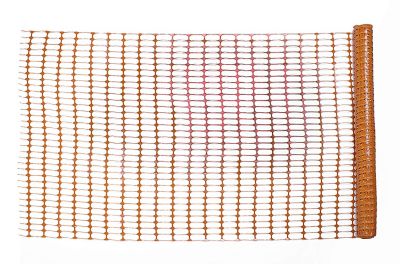
Regular inspection and proper care help keep safety harnesses ready for the work they are designed to handle. Before each use, the webbing needs a close check for cuts, fraying, burns, pulled stitching, discoloration, and signs of chemical damage. Buckles, D-rings, and other hardware need attention for cracks, distortion, corrosion, rough edges, and parts that no longer operate as intended. Readable labels matter, too, because they identify the harness, its limitations, and the instructions tied to it. Required periodic inspections by a competent person, along with any inspection records called for by the employer or manufacturer, add another layer of oversight beyond the wearer’s check. A harness that has arrested a fall must come out of service immediately and be handled according to the manufacturer’s instructions; visible damage is not the only sign that equipment may no longer be fit for service. Questionable equipment belongs out of the work rotation until the proper evaluation is complete. Cleaning methods vary, though many harnesses permit mild soap and water followed by thorough air drying away from direct heat and sunlight. Bleach, solvents, aggressive scrubbing, and unapproved treatments can damage webbing or hide problems. A clean, dry storage spot away from sharp tools, chemicals, and direct sunlight helps prevent damage between jobs. Tossing a harness beneath saw blades or beside an open chemical container gives it hazards to deal with before the next task even starts. Planning for rescue is equally important because remaining suspended after a fall can become a medical emergency. Suspension relief straps, when provided and deployed according to training, may help reduce pressure while rescue is underway, but they do not replace prompt rescue. At ground level,
safety fences can help mark restricted areas and separate foot traffic from an elevated work zone; they do not replace required guardrails or personal fall protection. A well-matched harness belongs within that broader approach: the right equipment for the task, a fit that stays secure through movement, trained workers, and a clear plan when something goes wrong.