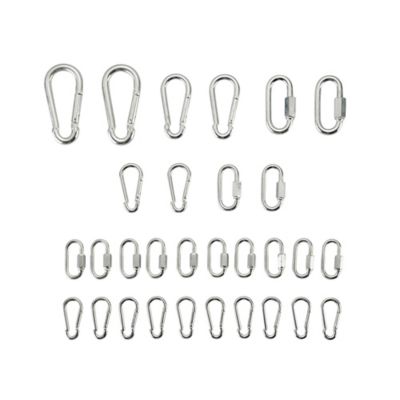
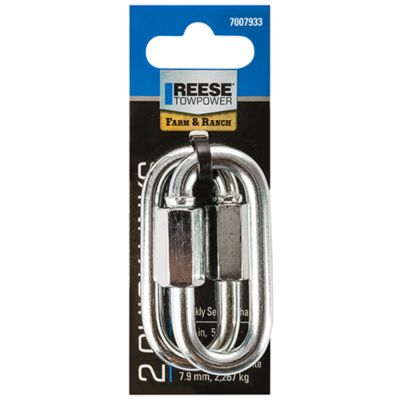
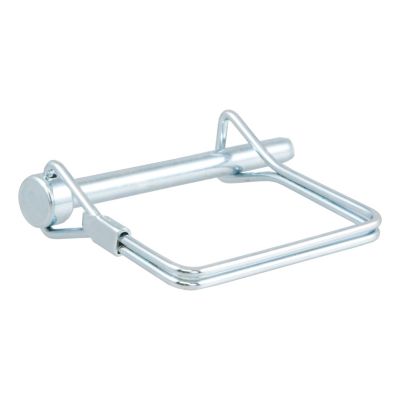
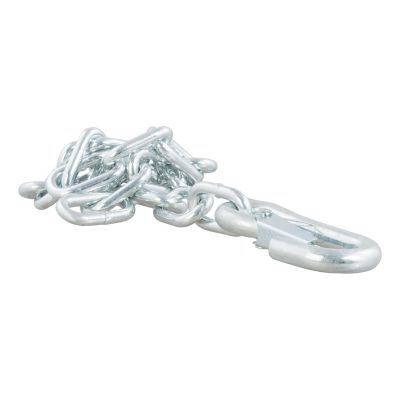
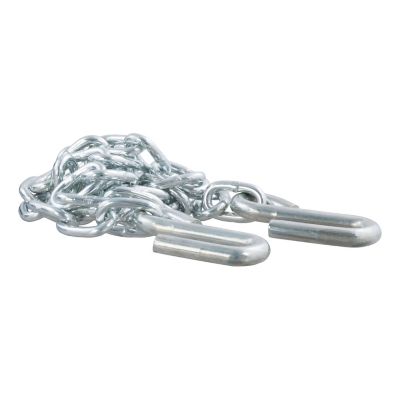
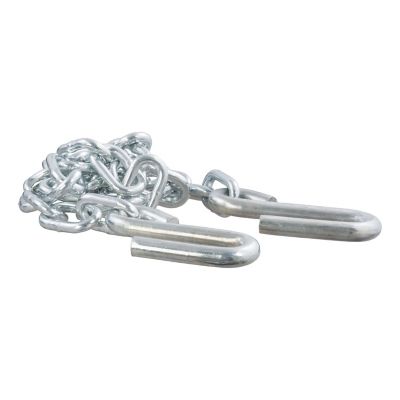
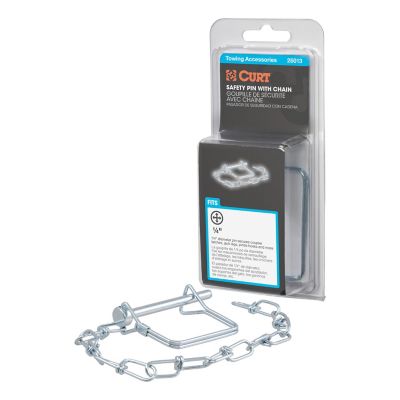
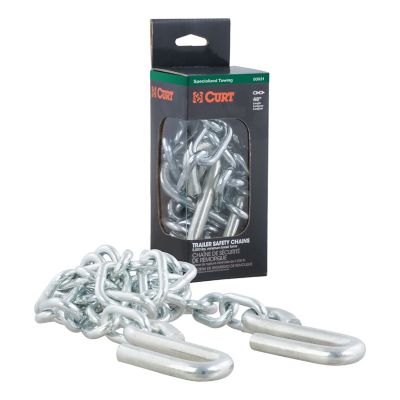
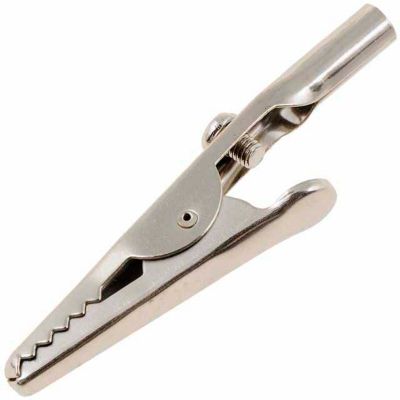
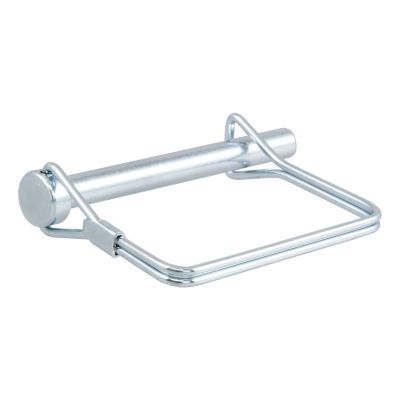
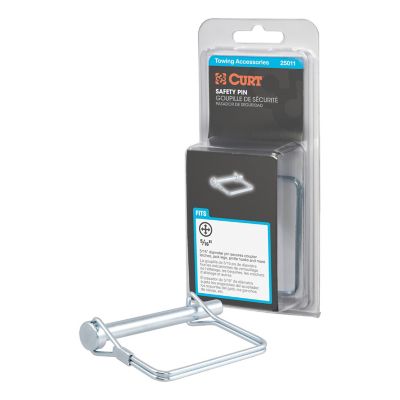
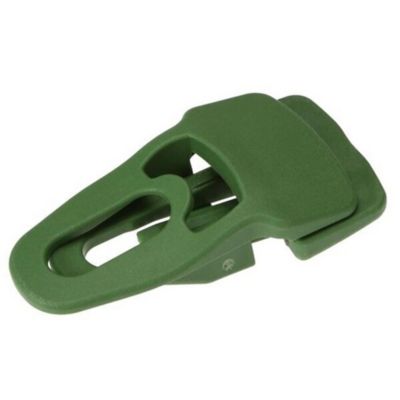
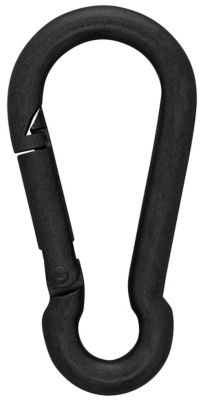
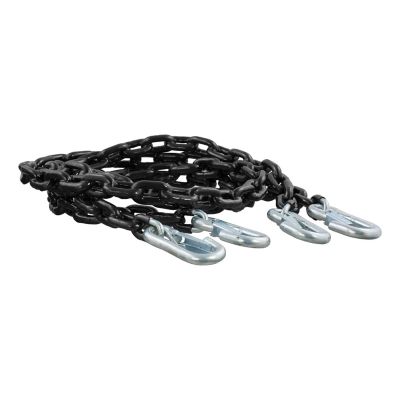
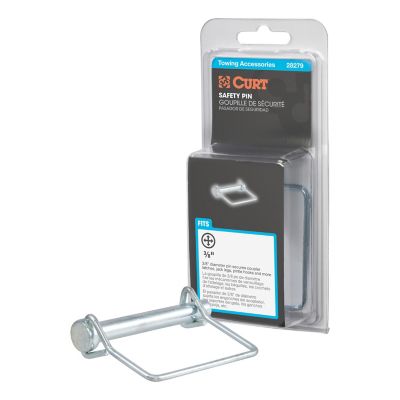
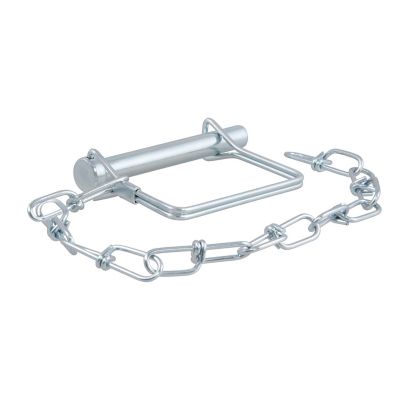
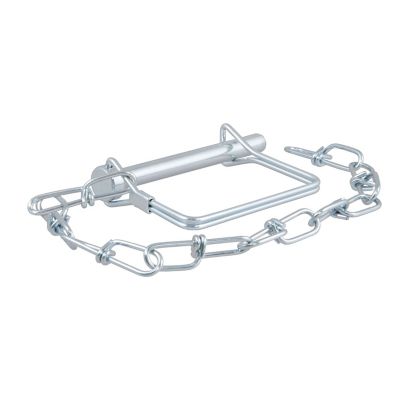
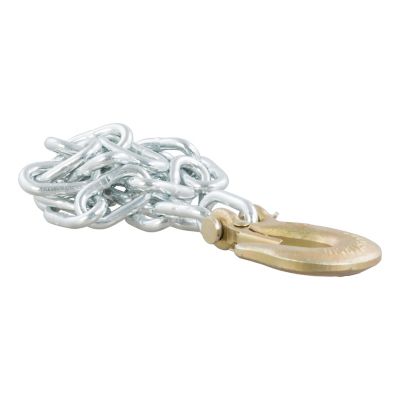
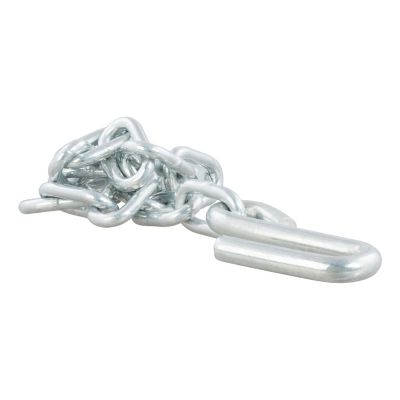
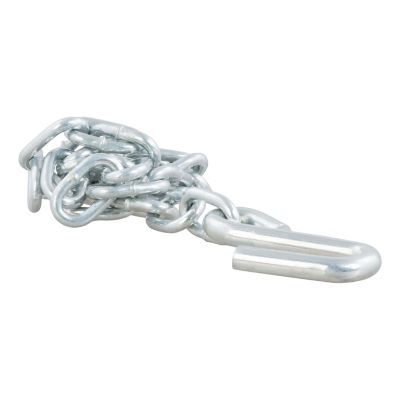
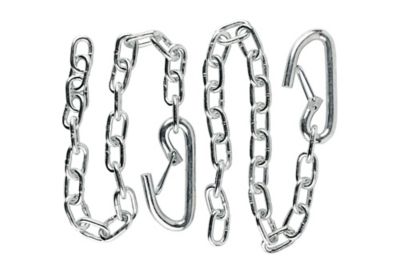
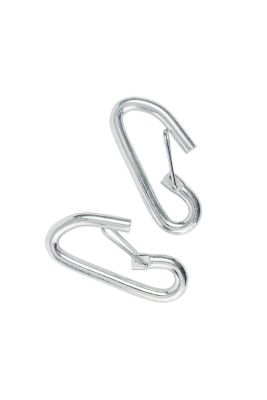
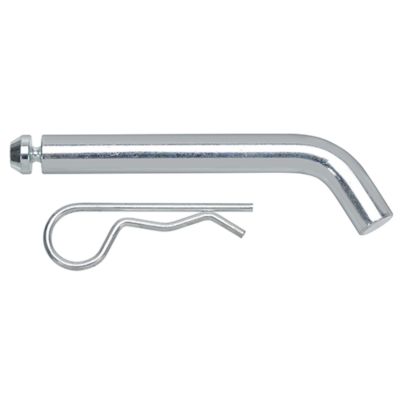
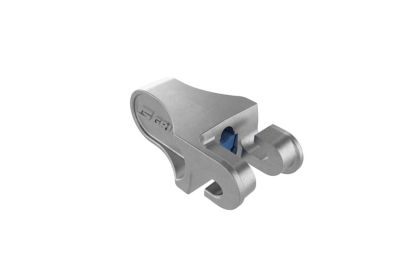
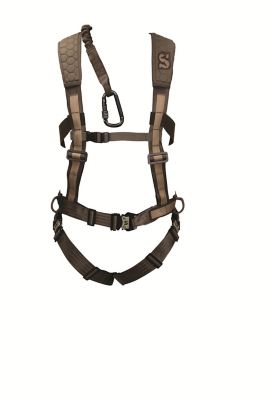
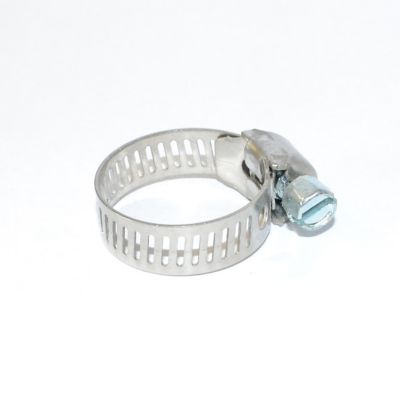
Safety clips are retention fasteners that help keep pins, fittings, and other connected parts from working loose or separating unintentionally. Around a farm, shop, garage, or equipment yard, these small pieces of hardware can play an important part in keeping a larger assembly together. A clip might retain a clevis pin on an implement linkage, hold a removable shaft in place, or help secure a compatible air hose coupling. The name covers several designs rather than one interchangeable part, so the connection matters more than the label alone. Hairpin cotter clips, often called R-clips, typically have a straight leg that passes through a hole and a curved leg that grips the outside of a pin or shaft. Other retaining clips have shaped wire bodies, closing loops, or latching features made for particular connections. Their job is generally to keep another component in position, not to replace the pin, bolt, or coupling that carries the working load. That distinction matters on equipment that shakes, pivots, or moves through repeated work cycles. A retaining clip on a mower linkage, for example, needs to fit its mating pin and remain clear of moving parts throughout the linkage’s travel. Farm operators, mechanics, grounds crews, and folks maintaining acreage may all encounter these fasteners during everyday equipment upkeep. Safety clips also appear in warehouse racking and pneumatic systems, where the shape and fit can be specific to the equipment manufacturer. A rack beam locking clip helps prevent a beam connector from lifting out of its upright, while an air coupling safety clip helps prevent a compatible connection from unlocking. Neither should be treated as a general substitute for a hitch retaining clip. Across these applications, the common purpose is controlled retention: keeping an assembled connection in its intended position while allowing removal when the design calls for service or adjustment.
Material, dimensions, and closure design help determine whether safety clips suit a particular job. Spring steel can provide the flex and gripping action needed in wire retaining clips, while stainless steel can offer corrosion resistance where dampness or frequent washing is part of the work. Zinc-plated steel has a protective surface treatment, though wear, scratches, and exposure can affect how well that coating holds up. No material description alone establishes a clip’s load rating or compatibility. Wire thickness, overall length, pin diameter, hole size, and the reach of the retaining leg all affect the fit. A clip that slips into the hole but barely engages the shaft may not provide the retention the assembly requires. An oversized clip can interfere with surrounding parts, and one forced into a tight opening can lose its intended shape. On a close-fitting implement connection, clearance around the pin head and nearby brackets can be just as important as the diameter of the hole itself. Product dimensions and the equipment’s parts information provide a better match than judging a replacement by appearance. Closure style also changes how a connection handles routine work. An exposed pull loop may be convenient for frequent removal, but its location matters if brush, rope, or loose material could catch it. A more enclosed retaining arrangement may suit some assemblies, provided it is the specified design. For connections that call for larger hardware,
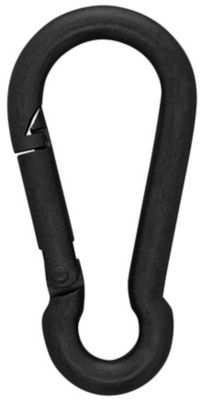
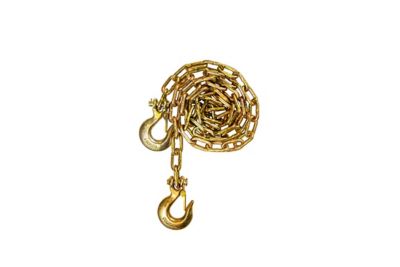
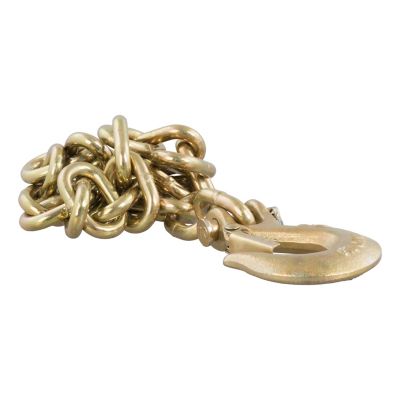
Heavy Duty Clips offers a related category to consider, with the same attention to dimensions, intended use, and any stated ratings. A heavier-looking clip is not automatically a suitable replacement, and the words “heavy duty” do not establish approval for lifting, towing, or personal fall protection. The right match comes from the connection’s requirements, including whether the clip is meant for repeated removal or for a particular locking arrangement. That fit is what makes a small fastener useful through the repeated motion and vibration of everyday work.
Care and inspection matter because safety clips often sit where grit, grease, and friction can hide wear. A clip may look fine from the pull end while the section passing through the pin hole has developed a groove. Bent legs, cracks, thinning wire, corrosion, or a closure that no longer seats fully can all point to a need for replacement. A spring clip should retain the shape and tension its design requires; bending a tired clip back by hand does not establish that it can still do its job. Keeping clips clean enough to inspect, following any specified care requirements, and storing replacements in labeled compartments makes routine upkeep less of a scramble. Separating similar-looking sizes is especially helpful in a shop where several machines have different pin diameters. A small divided tray can keep a clip for a gate linkage from getting mixed in with retainers meant for an implement or cart. Inspection also extends to the mating parts. An enlarged pin hole, damaged coupling, or worn bracket will not be corrected by fitting a fresh clip. For compressed-air connections, the specified coupling safety clip is only one part of the assembly’s safeguards; hose restraints and other protective measures may also be required. Pressure must be relieved before a connection is opened, and a retaining clip is not a substitute for that step. On pallet racking, the locking device needs to match the rack system rather than merely fit into an opening. Snap hooks and lightweight accessory clips likewise should not be assumed suitable for overhead loads or climbing because they close with a spring gate. These distinctions help keep everyday convenience separate from rated safety functions. Whether the setting is a tractor shed, repair bay, or maintenance bench, well-matched safety clips support practical, repeatable connections. Clear sizing, suitable materials, proper engagement, and attention to wear give these small fasteners their value, especially when the next job depends on having equipment assembled as its manufacturer intended.