A climbing harness connects a climber to a rope or another compatible safety system for activities such as indoor and outdoor rock climbing, ice climbing and rappelling. The familiar sit harness has a waist belt and two leg loops that distribute the load when a climber hangs, lowers or takes a fall. The harness is one part of the system, not fall protection on its own. Its tie-in points and belay loop serve different purposes, and the maker’s diagrams show which attachment points are meant for each task. The smaller loops along the sides are generally for carrying gear, not supporting a person. From there, the differences among climbing harnesses come down to where and how someone climbs. At the gym, a low-profile waist belt and a straightforward buckle setup can make sense for short routes with little gear to carry. Out at the crag, it helps to have gear loops within easy reach, especially when a climber needs to grab something with one hand. On a longer route with hanging belays, a broader belt and more support at the legs may matter more than shaving off a little weight. Ice climbers may want leg loops that adjust over layers, while someone sticking with the same setup at an indoor wall might prefer the simpler feel of fixed leg loops. Rappelling and via ferrata call for gear suited to those activities as well. When looking at
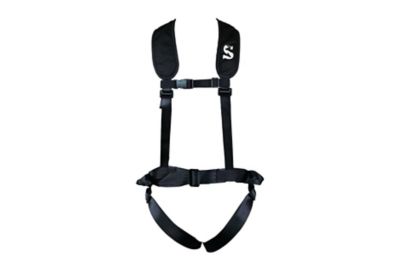
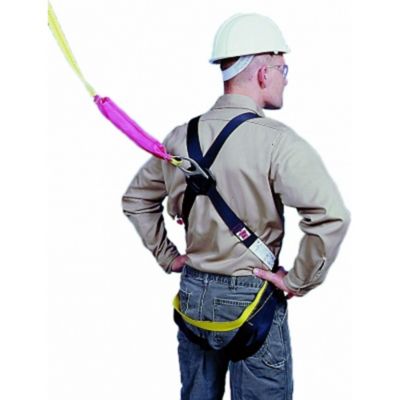
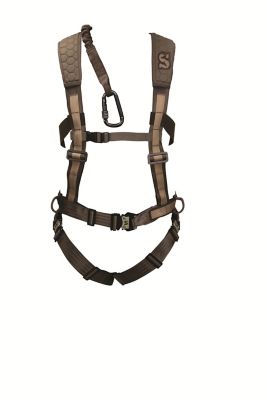
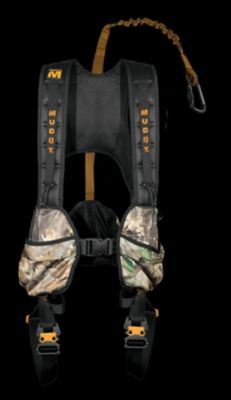
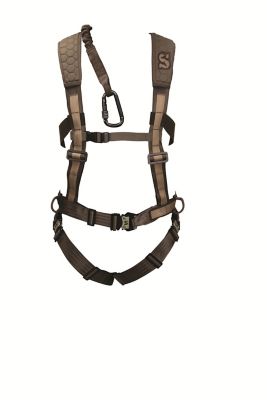
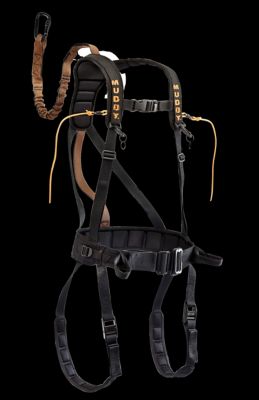
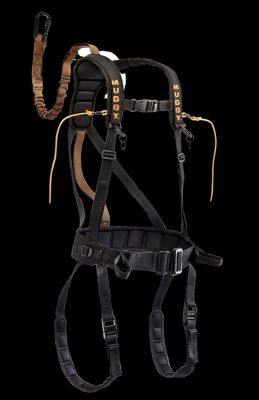
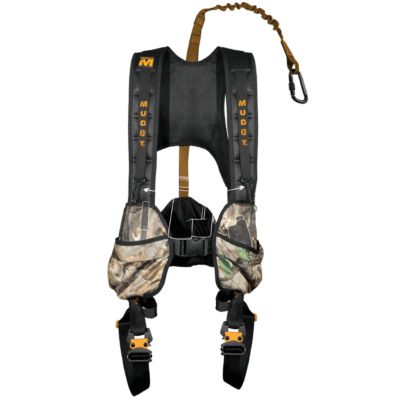
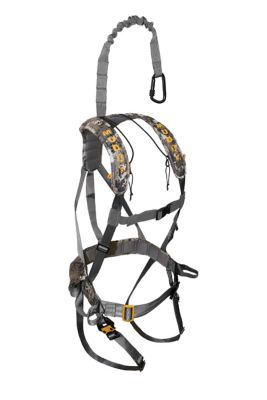
Climbing Hardware to go with a harness, check the maker’s directions for compatibility with the rest of the setup. Recreational climbing harnesses aren’t interchangeable with arborist harnesses for tree work, hunting safety harnesses for tree stands or full-body fall arrest harnesses for job sites. They may share a few features, but the attachment points and the way each harness supports a person can differ.
Fit starts with actual waist and thigh measurements rather than the size on a pair of jeans. Size ranges vary, and waist belt shape can make two harnesses with similar measurements feel different. On a sit harness, the belt should sit above the hip bones and adjust snugly enough that it can’t slide down over them. Leg loops should allow a full step without pinching, and neither the belt nor the loops should leave the buckles at the very end of their adjustment range. Fixed leg loops can cut down on buckle hardware, while adjustable loops give more room to dial in the fit over different clothing. Centering the belt matters, too. A belt that pulls off to one side can leave a gear loop farther back than expected, where reaching for it becomes a chore. A fit that feels fine while standing may feel different with a knee raised to a high hold or with weight in the leg loops. For climbers who spend much of a session belaying or hanging at an anchor, where the padding lands under load can matter more than how thick it looks on the rack. Children and smaller climbers need a harness that fits their proportions, not just an adult harness with the straps cinched down. Depending on the child’s size and build, a full-body design may be a better match; the maker’s fit and sizing guidance is the place to check. A harness can be a practical gift for someone getting into climbing or replacing familiar gear, but it’s worth letting the recipient weigh in on the fit and the kind of climbing they do. Knowing that they climb at a gym every week is more helpful than guessing from their pants size, and it still doesn’t replace measurements.
Most climbing harnesses get their strength from load-bearing nylon or polyester webbing. Foam and mesh can add cushioning or help the belt and leg loops feel less bulky, while metal buckles hold the adjustments in place. More padding doesn’t necessarily mean more support. Some designs spread pressure across a wider belt, while others keep the harness trim for freedom of movement and easier packing. How long a harness holds up depends in part on where it goes and how it’s handled. Grit can work into webbing, and repeated rubbing against rock can wear spots that don’t stand out on a quick look. Before each climb, pay particular attention to the tie-in points, belay loop, load-bearing stitching and buckles. Cuts, fraying, damaged stitching or a buckle that no longer works as it should are reasons to take the harness out of service. A harness that has taken a major fall or has an uncertain history should also come out of service while the maker’s retirement guidance is checked. For routine care, follow the cleaning directions that come with the harness, let it air-dry away from direct heat, and store it somewhere dry and out of direct sunlight. A bag or a clean shelf makes more sense than leaving it in the back of a pickup alongside fuel cans and sharp tools. Makers set retirement limits for textile gear, so a harness can be due for replacement even if the padding still looks good and the buckles work. The date and inspection information on the label are worth keeping legible. Whether the harness is headed for a first night at the climbing gym or a long route with several stops along the way, the best match is one that fits the climber, suits the activity and can be checked and cared for between outings.