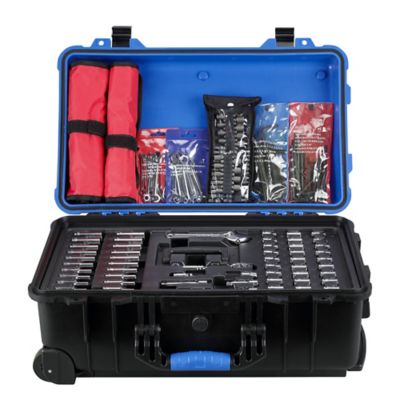
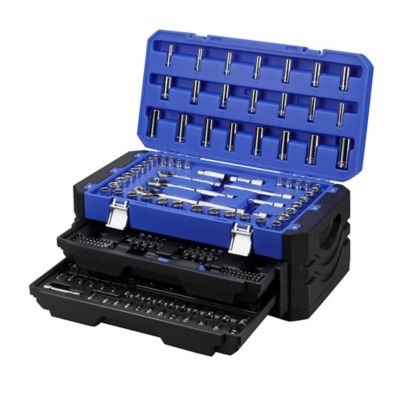
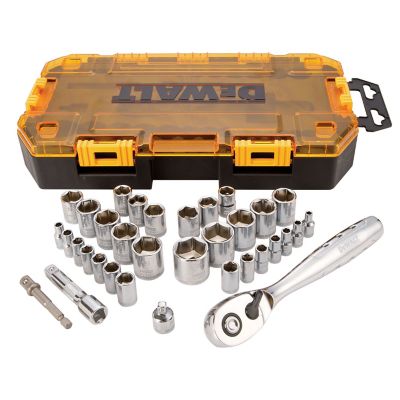
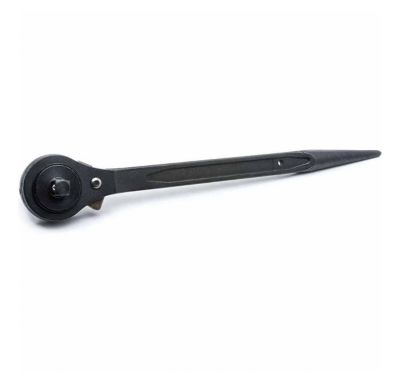
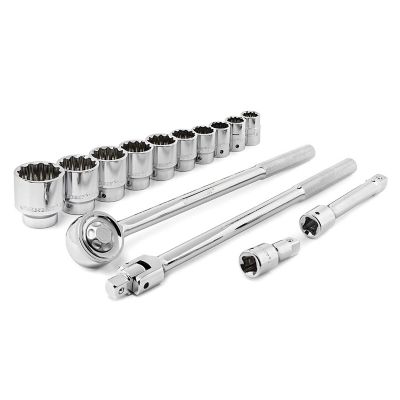
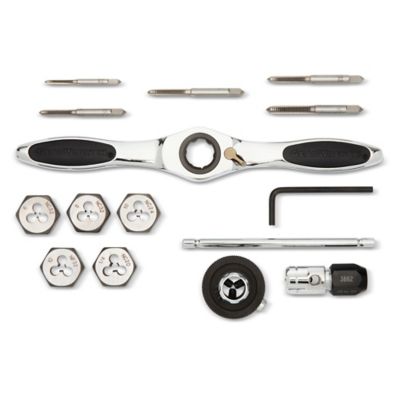
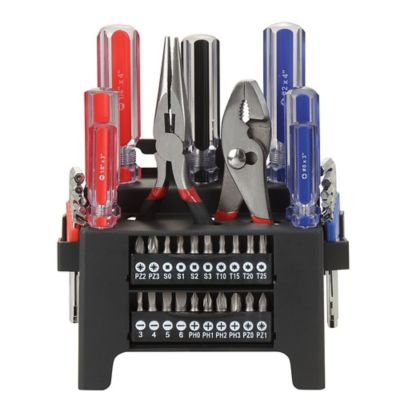
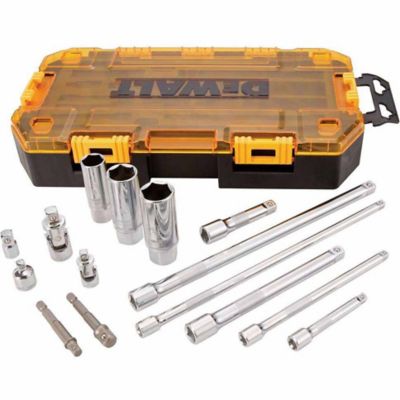
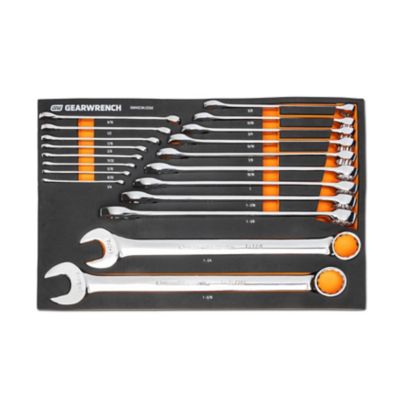
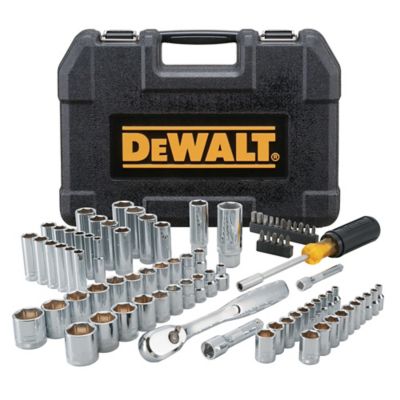
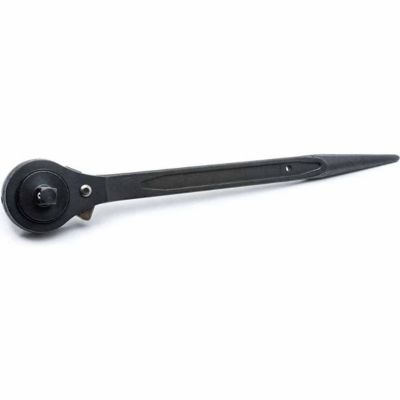
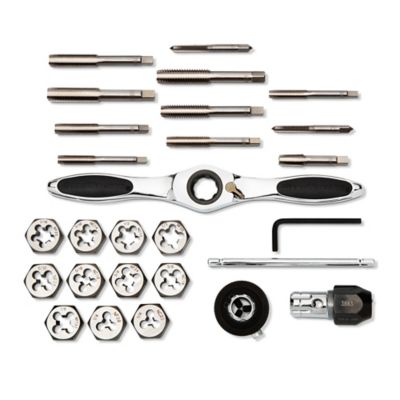
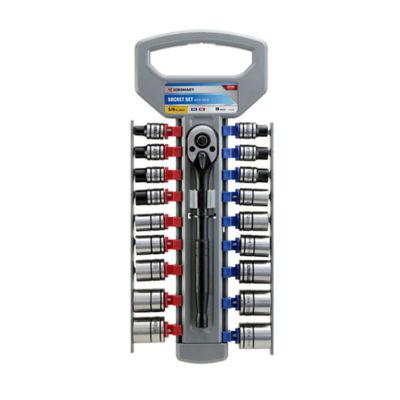
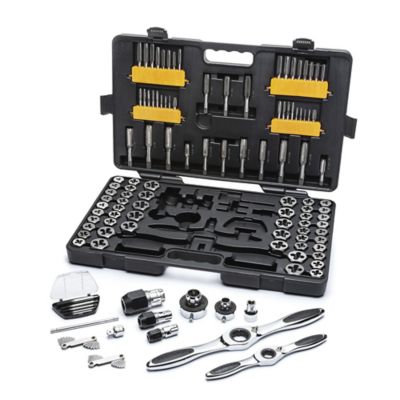
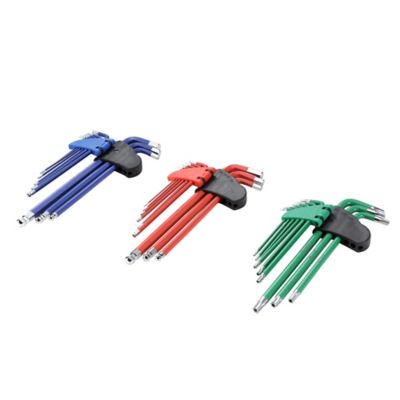
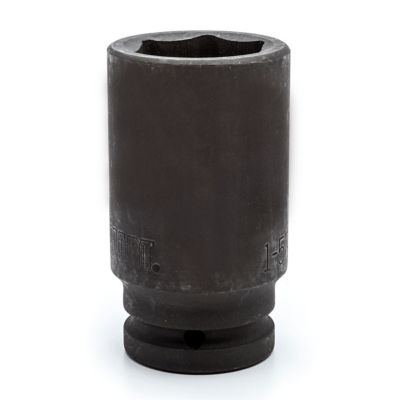
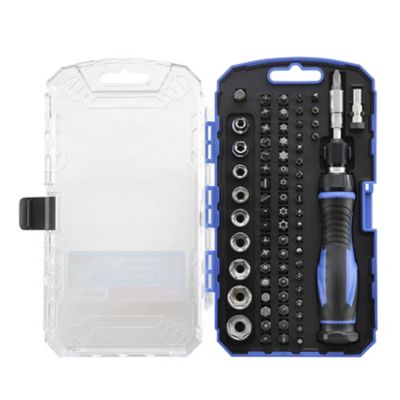
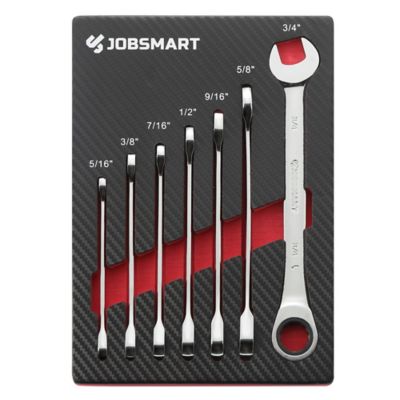
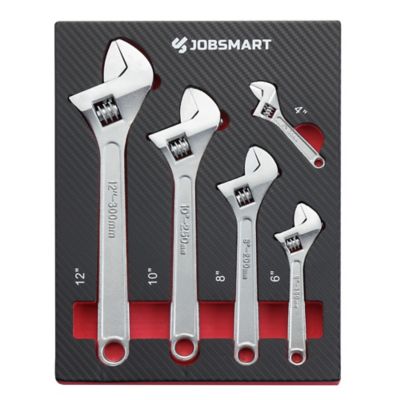
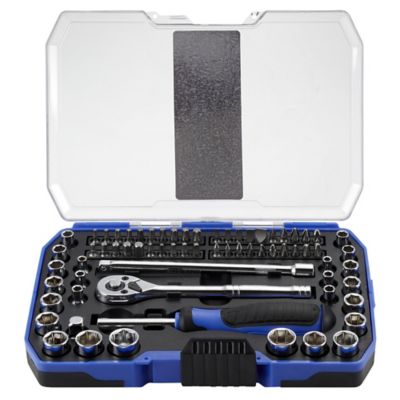
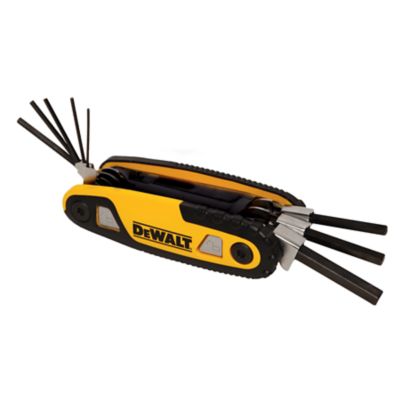
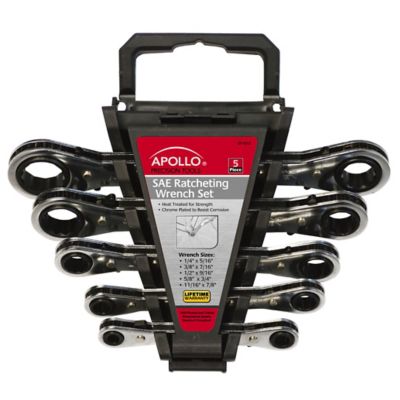
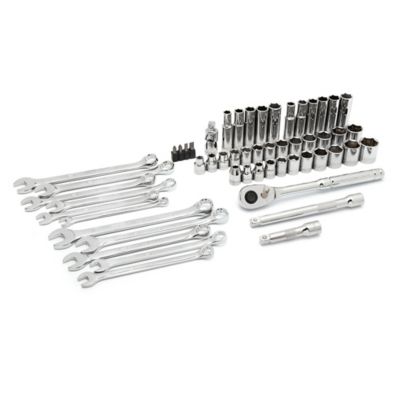
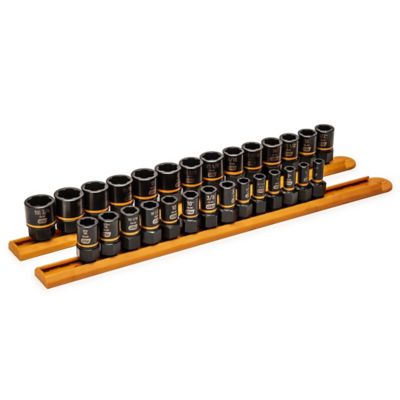
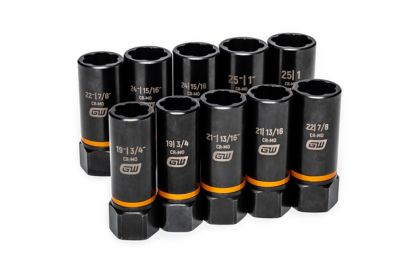
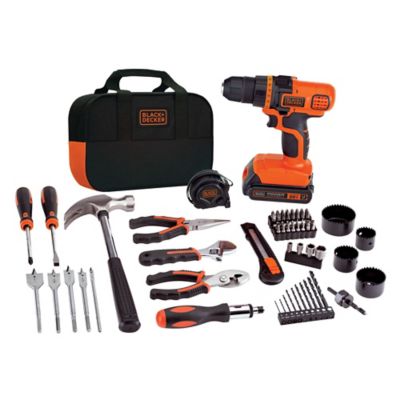
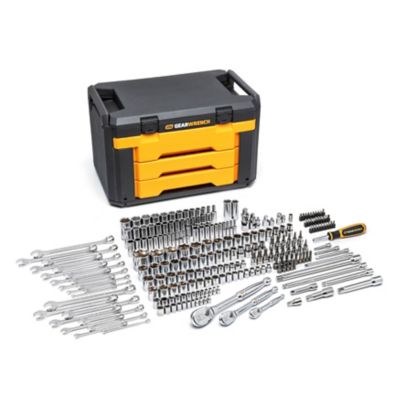
SAE tools are hand tools sized in the inch-based system used for many American vehicles, older equipment, farm machinery, plumbing parts, and hardware. SAE stands for the Society of Automotive Engineers, and these tools are commonly marked in fractions of an inch, such as 1/4 inch, 3/8 inch, 1/2 inch, or 3/4 inch. A solid assortment may include sockets, ratchets, combination wrenches, adjustable wrenches, nut drivers, hex keys, extensions, and other everyday tools for turning, tightening, loosening, and holding fasteners. They have a well-earned place in a farm shop, home garage, truck toolbox, or maintenance cabinet, especially where classic vehicles, older tractors, trailers, implements, and legacy machinery are part of the work. During the warmer parts of the year, SAE tools can help with routine equipment upkeep, trailer repairs, fence and gate projects, and small engine work, while the cooler months often bring more time indoors for rebuilding parts, servicing vehicles, or organizing a workbench. The right set can be useful for a seasoned mechanic, a farmer who handles repairs between chores, a homeowner who likes to keep up with maintenance, or someone learning practical skills for the first time. A well-chosen tool set also makes a thoughtful gift for a new driver, apprentice, do-it-yourselfer, or anyone setting up a first garage or workshop. Look for tools that match the fasteners on the equipment being serviced and that feel comfortable in the hand, since a good grip matters when a bolt is tight, greasy, or tucked into a hard-to-reach corner.
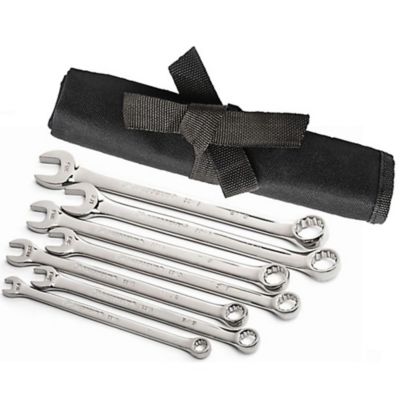
When shopping for SAE tools, start by considering the jobs ahead rather than simply choosing the largest assortment. A smaller set may cover common sizes for light automotive work, household repairs, and basic maintenance, while a broader range can be valuable for older trucks, agricultural equipment, restoration projects, and heavy-duty repairs. Socket sets are handy for reaching nuts and bolts with a ratchet, and extensions can make the difference when a fastener sits deep inside an engine compartment or behind a bracket. Combination wrenches offer an open end for quick access and a box end for a firmer hold, while hex keys and T-handle keys are made for turning internal hex fasteners found on machinery, furniture, equipment, and shop fixtures. Pay attention to drive size, the type of fasteners you encounter, storage options, and whether the set includes both shallow and deep sockets. A case or organizer helps keep fractional sizes in order, which saves time when muddy boots are by the door and a repair needs to be finished before the next chore. Durable construction, clear size markings, corrosion resistance, and a dependable ratcheting action are all practical details worth weighing. For regular shop use, a comfortable handle and smooth fit can reduce hand strain over a long afternoon. For roadside or field repairs, compact storage and a useful selection of common sizes may matter more than having every size available. Browsing related
Work Tools can also help round out a repair setup with tools suited to the rest of the job.
It is important to keep SAE and metric tools straight. SAE sizes are measured in inches and fractions of an inch, while metric tools are measured in millimeters. Some sizes may look close enough to fit, but they are not interchangeable. Using the wrong socket or wrench can leave a fastener rounded off, damage the tool, or make a simple repair much harder. Check the markings on the fastener or consult the equipment manual before putting force on it, and keep SAE and metric tools separated or clearly labeled in the toolbox. A properly fitted tool should sit squarely on the fastener with as little looseness as possible. Clean dirt and packed grease from the fastener when needed, use the correct drive size, and reach for a breaker bar or penetrating lubricant when a stubborn bolt calls for more care rather than more strain. SAE tools are useful well beyond vehicle repair: they can help maintain balers, mowers, snow equipment, generators, utility trailers, shop benches, gates, and many older machines still earning their keep around a property. Whether the goal is handling occasional fixes, preparing equipment for changing weather, or building a dependable collection one piece at a time, the right SAE sizes make routine work feel more manageable and help keep everyday repairs moving.