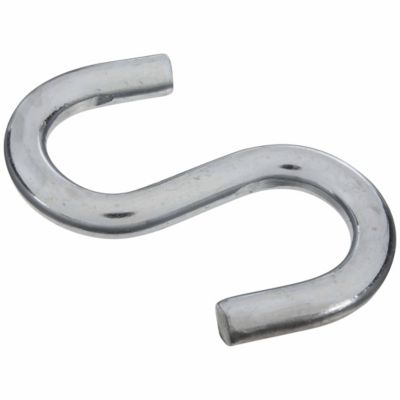
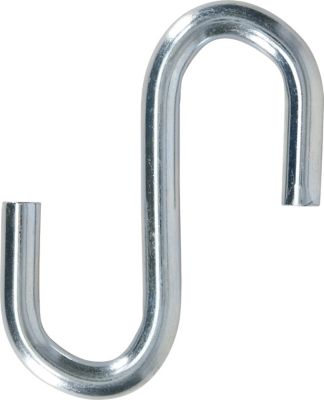
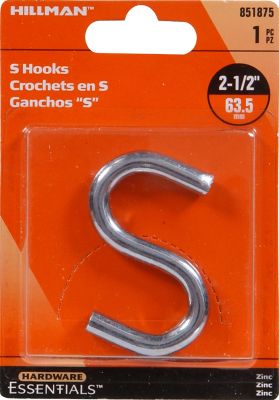
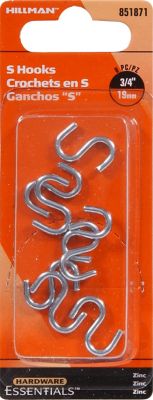
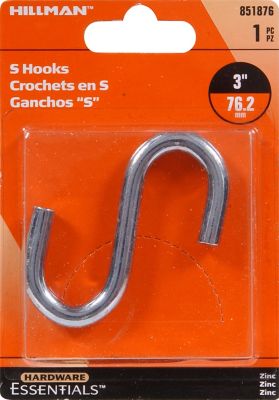
S hooks for the garden are simple, handy pieces that help turn open space into useful storage and display space. With a curved shape that slips over a rail, fence panel, gate, branch, pipe or other sturdy support, an S hook can hold lightweight baskets, hand tools, lanterns, watering accessories, plant tags, gloves and plenty of everyday garden odds and ends. They are especially useful when a shed, potting bench or garage is already crowded and you need to keep frequently used items close at hand. A few hooks along a fence can make room for pruners and twine, while hooks tucked beneath a porch rail can keep hanging planters off the ground and away from curious pets. Gardeners also use them to hang decorative items, seasonal accents and small containers where they can be seen without taking up valuable table or shelf space. Their movable design makes it easy to change an arrangement as plants grow, furniture shifts or outdoor chores move from one part of the property to another. When choosing S hooks, start with the job they need to do. Check the material, finish, overall length and opening size, then compare those details with the rail, branch or support where the hook will be used. A narrow opening may work well on a small wire shelf but will not fit over a thick fence rail, while a longer hook may be useful when you want extra clearance between the support and the item being hung. Consider the weight of the item, too. Lightweight hooks are a good match for gloves, small pots and hand tools, but heavier loads call for a sturdier design and a dependable support underneath. Even a strong hook should not be used as a substitute for a securely mounted bracket or a load-rated hanging system when holding anything heavy, fragile or overhead. For outdoor use, look for a finish suited to changing weather and keep an eye out for wear, rust or rough edges over time. Wiping away mud, fertilizer dust and standing moisture can help hooks stay neat and ready for the next job.
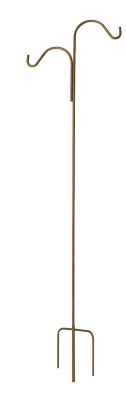
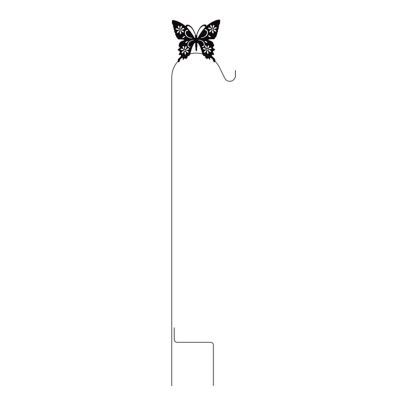
S hooks fit into all kinds of garden routines, from a small backyard growing space to a working homestead with fencing, livestock areas and outbuildings. A raised bed gardener may use them along a trellis to hold a basket of harvest shears or a coiled length of soft plant tie. Someone tending a porch full of herbs may use them to suspend small planters where the leaves catch the light and watering is easy. Around a barn or utility shed, they can keep a hat, rain jacket, feed scoop or brush within reach, provided the hook and supporting surface are appropriate for the load. They also work well for seasonal decorating without requiring permanent holes in siding, posts or finished wood. A woven basket of pinecones, a small wreath, a bird-friendly ornament or a lantern can be moved from a gate to a porch rail as the cooler months settle in and outdoor spaces change with the weather. Gardeners who spend early fall cleaning beds, gathering leaves and putting tools away often appreciate anything that makes the work area less cluttered. During colder stretches, S hooks can help organize frost cloth, empty hanging baskets and bundled garden stakes in a covered area, while still keeping those supplies easy to find when warmer weather returns. They make practical gifts for new homeowners, community garden volunteers, backyard growers and anyone who enjoys improving a porch, patio or garden corner a little at a time. They are small enough to add to a housewarming basket with gloves and seeds, yet useful enough to become part of a regular chore routine. Bird watchers may also find S hooks helpful for hanging accessories from a sturdy shepherd hook or garden support; for related hanging options, browse
Shepherd Hooks for Bird Feeders. As with any hanging accessory, place items where they will not block a walkway, scrape against a vehicle or swing into windows, and keep breakable decorations away from areas where wind or passing animals could knock them loose.
Before adding S hooks to a cart, picture the actual spot where each one will live. Measure the thickness of the rail, fence wire or branch, and allow enough room for the hook to slide on without binding. Look for smooth bends and edges that will not snag fabric, damage plant stems or scratch a finished surface. If the hook will hang from a tree limb, choose a healthy, stable branch and avoid placing weight on small or brittle growth. For fences and gates, make sure the structure is solid and that the added weight will not pull the panel out of alignment. A hook that swings freely may be convenient for quick access, but a windy location may call for a more sheltered placement or a way to prevent the item from catching and bouncing. It is also worth thinking about reach: frequently used tools belong at a comfortable height, while decorative or rarely handled items can go higher. In a family garden, lower hooks can give children a simple place to return their own gloves or small watering cans, with heavier or sharper tools stored safely out of reach. Keep metal hooks clean and dry when possible, and move them indoors or under cover if the finish begins to deteriorate. The right S hooks can bring a little order to a busy garden without making the space feel fussy. They let you use the sturdy edges and vertical surfaces already around the property, keeping useful items visible, reducing time spent hunting through a bin and making outdoor spaces easier to enjoy through changing seasons.