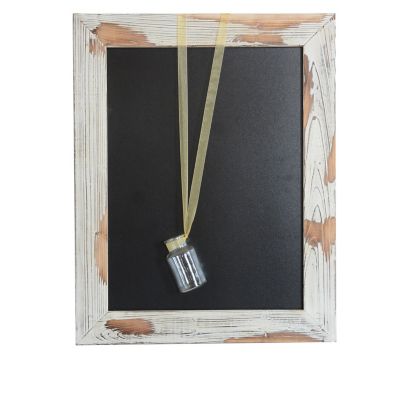
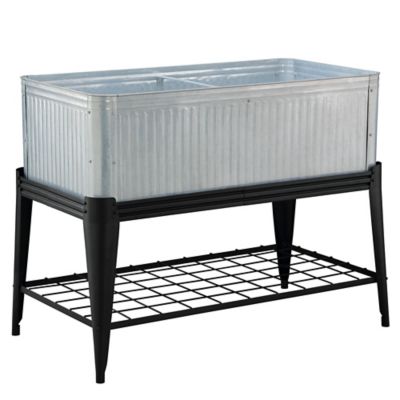
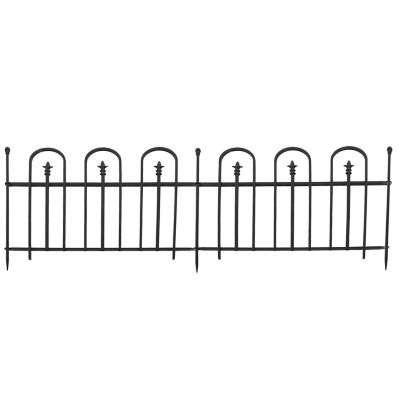
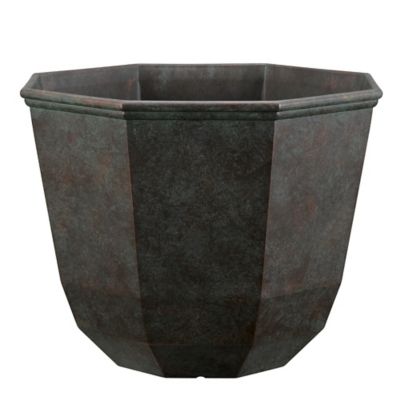
Rustic garden accents bring a little farmstead character to the places where you plant, gather and take a breather. Their appeal comes from straightforward shapes, earthy colors and surfaces that look right beside a gravel walk, a split-rail fence or a porch with muddy boots by the door. Rather than making every corner match, this style gives an outdoor space a settled, easygoing feel. Wood grain, muted metal finishes and the rough texture of stone can sit comfortably alongside leafy beds without taking attention away from the plants. Brown, charcoal, cream and soft green are natural partners for brick paths and timber edging, while a small touch of brighter color can draw the eye toward an entry or seating spot. Rustic garden accents suit more than sprawling acreage, too. A narrow side yard, a small patio or a front stoop can carry the same country character when the size and placement fit the space. Beside a broad barn wall, a substantial shape is easier to see than several tiny details. Near a shallow doorstep, a smaller footprint leaves room for boots, bags and the everyday traffic of coming and going. The best fit often comes down to what is already there: the tone of the siding, the shape of the beds and the materials along the walk. Repeating one finish or color helps tie those surroundings together without making the yard feel staged. For a palette that blends easily with foliage,
green garden accents offer another direction to explore. A little contrast still has its place. A dark finish stands out against pale gravel, and a lighter surface shows clearly against dense greenery. Those simple relationships help an accent feel like part of the property instead of something set down with no connection to its surroundings. They also leave room for personal taste, whether that leans toward clean farmhouse lines, rough-hewn textures or a few playful details tucked along a familiar path.
Materials play a big part in both the appearance and the day-to-day care of rustic garden pieces. Solid wood brings visible grain and variation, but the type of wood, surface treatment and joinery all matter to how it holds up. A smooth, sealed surface generally wipes down more easily than deep grooves or rough edges, which can collect soil and plant debris. Metal offers a different range of looks, from dark, understated finishes to lighter galvanized surfaces. The base metal and its coating deserve a closer look, especially where a piece touches damp soil or gets splashed during watering. A brown, aged-looking finish does not necessarily mean exposed metal, and actual corrosion can affect more than appearance. Product descriptions and care directions help distinguish a finish meant to have variation from a surface that needs attention. Stone and concrete can bring a substantial, grounded look, though their weight makes placement worth thinking through before carrying them across the yard. Resin and other molded materials may offer textured surfaces with less weight to move, but construction and outdoor-use labeling still matter. Whatever the material, the back, bottom and attachment points can tell as much as the front. A broad base supports steady placement, sound joints help a piece stay together, and suitable mounting hardware matters wherever an accent hangs or attaches to a fence. Measurements deserve the same attention as the finish. Height alone will not tell whether something fits beside a gate; width, depth and clearance for the gate swing count, too. On a porch, leave enough room to pull out a chair without bumping nearby accents. Along a garden bed, keep access open for kneeling, pruning and moving a hose. When a piece also has a practical job, such as holding plants or supporting climbing growth, check its stated purpose, capacity and assembly requirements rather than judging by appearance alone. Openings for drainage and access for cleaning can make a real difference in how well it suits that job.
A rustic garden setting ought to feel comfortable to live with, not like another chore waiting at the end of the day. Care requirements are worth matching to the way the space gets attention. Someone who spends plenty of time tending beds may not mind occasional finish maintenance, while a busy household may favor surfaces that need little more than the cleaning outlined by the manufacturer. Gentle cleaning methods are often a sensible starting point, but abrasive brushes, strong cleaners and pressure washing can damage some coatings or textures. Follow the directions for the material, and check fasteners, bases and hanging points as part of regular upkeep. Placement also affects how much cleaning a piece needs. Right beside loose soil, it may collect splashes during watering; close to a mowing edge, it can gather clippings or get in the way of equipment. A little breathing room makes those everyday tasks simpler. Keep narrow paths clear and place sharp edges, small loose parts or breakable pieces away from spots where children and pets play. Near livestock areas, keep garden accents separate from feed, water and animal reach unless they are expressly made for that setting. For gifting, this style can be a good match for a gardener, a new homeowner or someone who enjoys making a porch feel welcoming. The most thoughtful choice reflects the recipient’s space and habits: manageable weight for someone who rearranges often, modest dimensions for a small entry, or a finish that works with an established garden. Check whether assembly or separate mounting hardware is part of the setup so the gift does not turn into an unexpected project. There is no need to fill every open patch. A clear focal point near the entrance, a repeated texture beside the beds and enough open space to move comfortably can give the whole yard a sense of belonging. That balance lets rustic character sit naturally alongside the work and enjoyment of everyday country life.