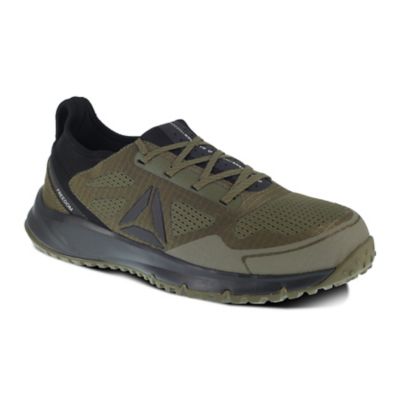
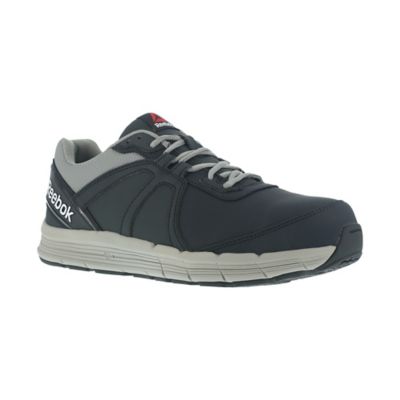
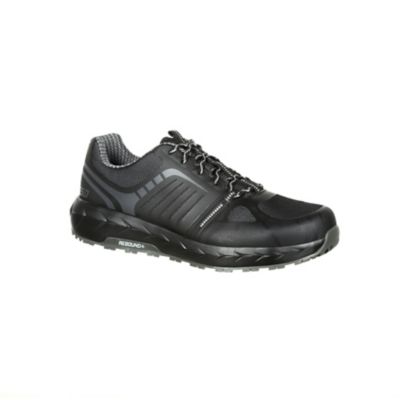
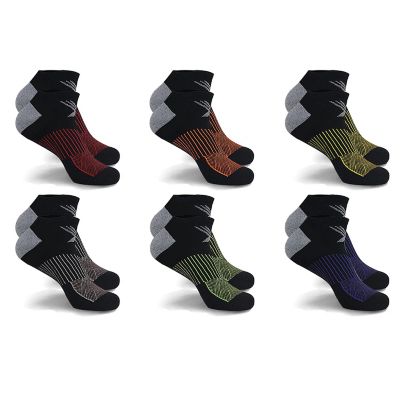
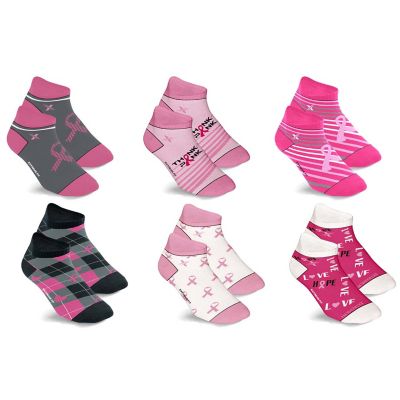
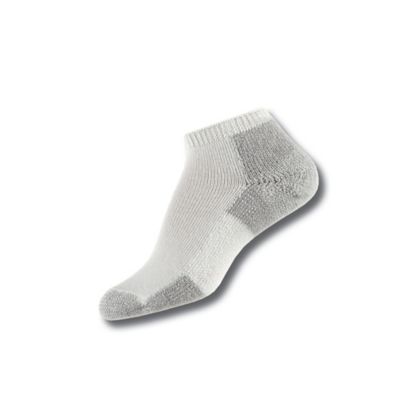
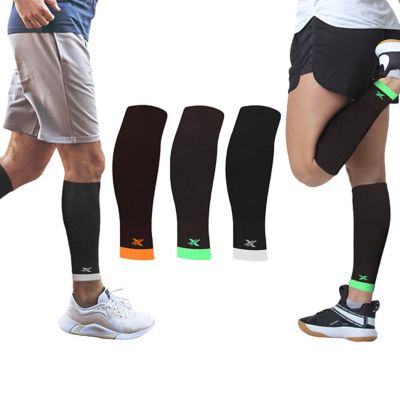
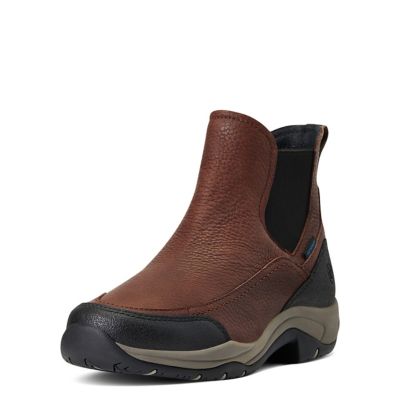
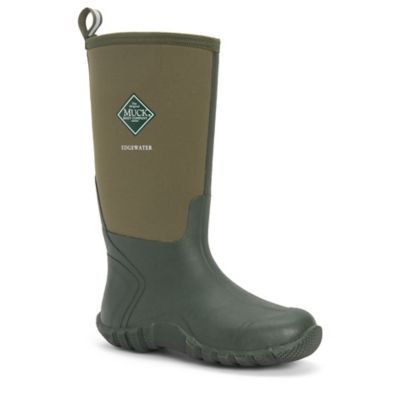
Running essentials for men start with running shoes suited to the route, moisture-wicking clothing that moves freely, and supportive socks that sit smoothly against the foot. Together, those basics help make a quick loop around town, a few miles down a country road, or a treadmill session more comfortable. The right setup depends less on how fast a man runs than on where he runs, how far he goes, and what feels good mile after mile. Footwear does much of the work: cushioning softens the feel of each landing, while the outsole supplies traction and the upper holds the foot in place. Road running shoes generally have a smoother tread for pavement and other even surfaces. Trail running shoes typically have deeper lugs for grip on loose dirt and uneven ground, sometimes with added protection around the toes or underfoot. A heavily lugged sole can feel out of place on a treadmill, just as shallow tread may struggle on a loose gravel climb. Fit matters as much as tread. A secure heel, comfortable midfoot, and room for the toes to spread help keep feet from sliding or feeling pinched. Some extra space ahead of the longest toe allows for foot movement and swelling over a longer outing, though the shoe should not feel sloppy. Cushioning preferences vary, and more padding does not automatically make a shoe the better match. Some runners like a softer landing; others prefer a firmer, more connected feel. Support features also differ, so familiar comfort is more useful than choosing by looks alone. Running socks complete that fit. Synthetic fibers and merino wool blends can help manage moisture, while smooth toe seams and cushioning at the heel and forefoot can reduce friction. Cotton tends to hold moisture longer, which can leave socks feeling heavy against the skin. Sock thickness changes the space inside a shoe, too, making footwear and socks worth considering as a pair rather than as separate parts of the outfit.
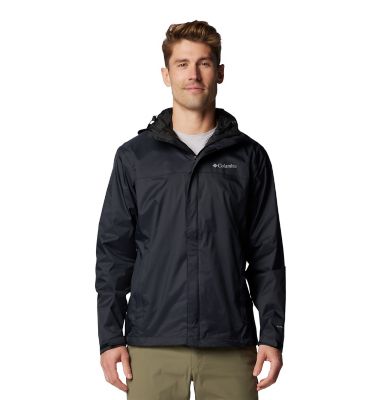
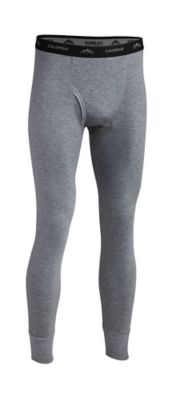
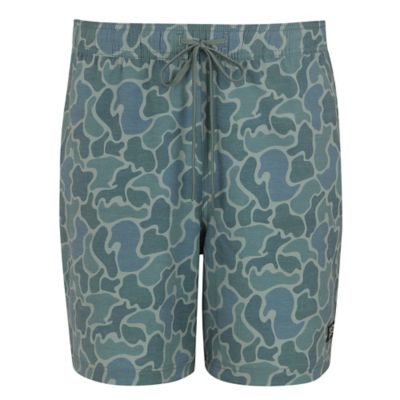
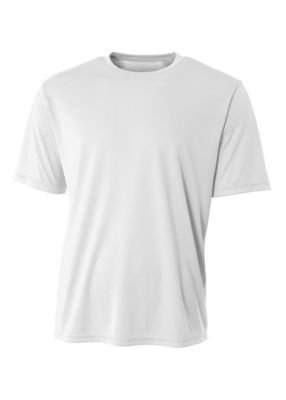
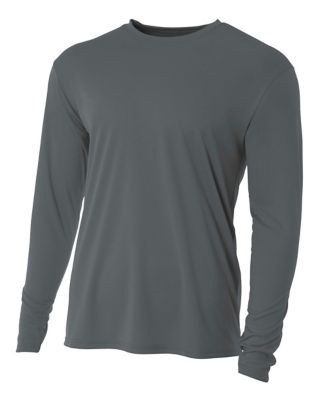
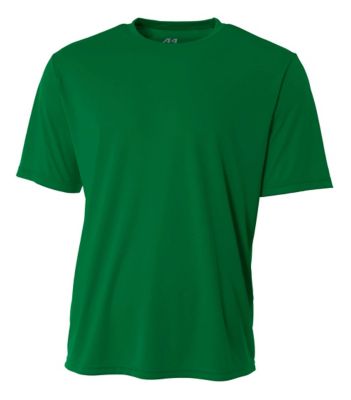
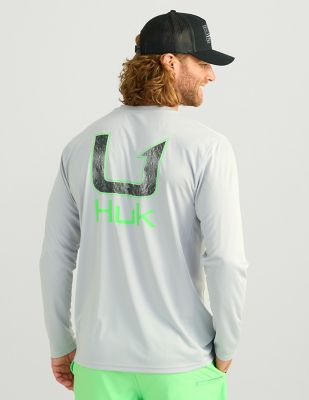
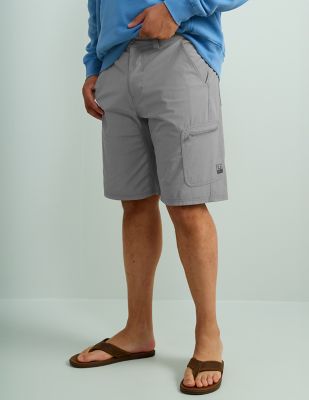
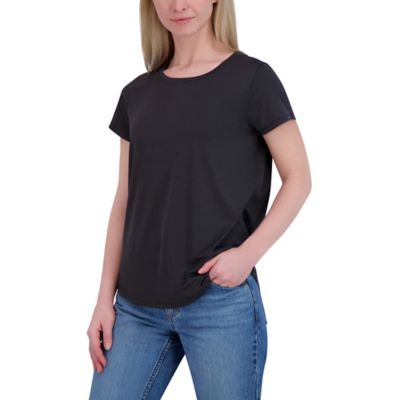
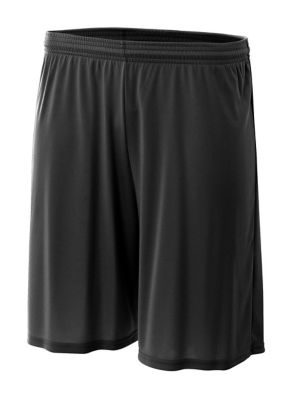
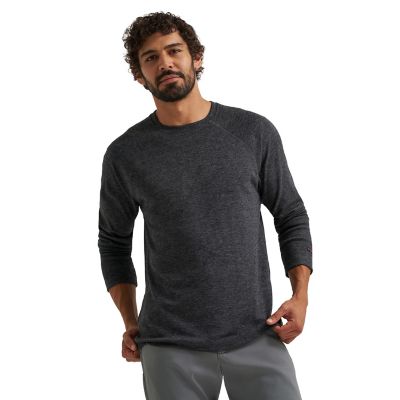
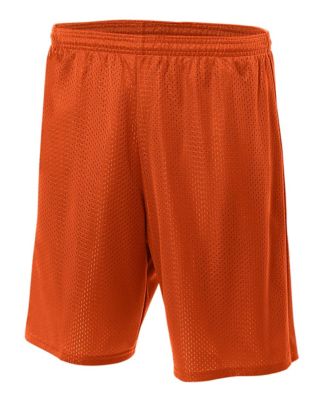
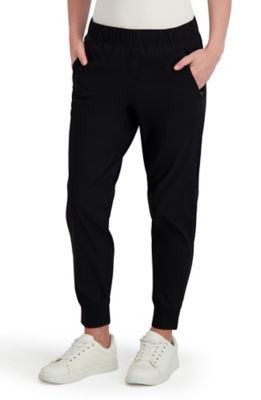
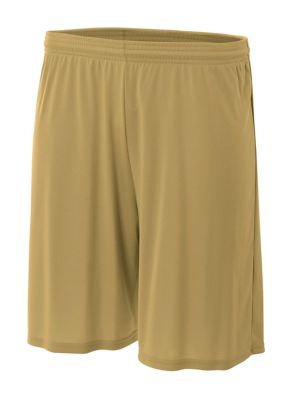
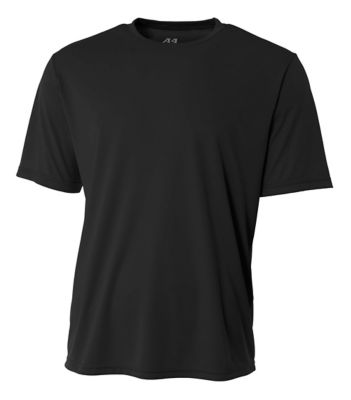
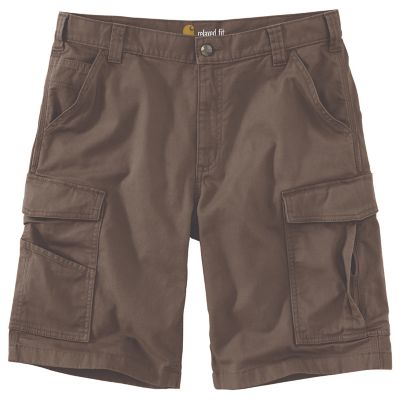
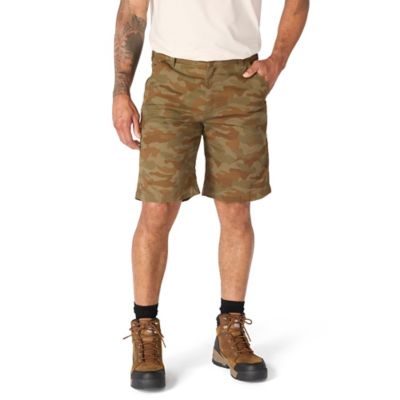
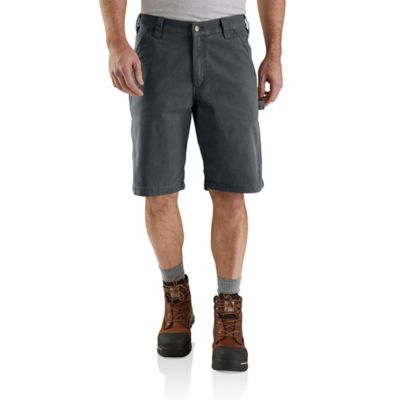
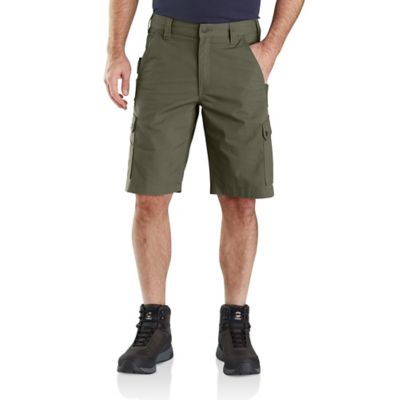
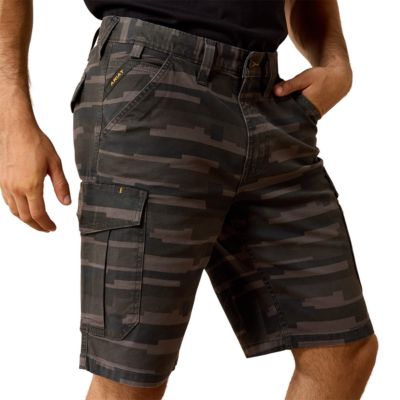
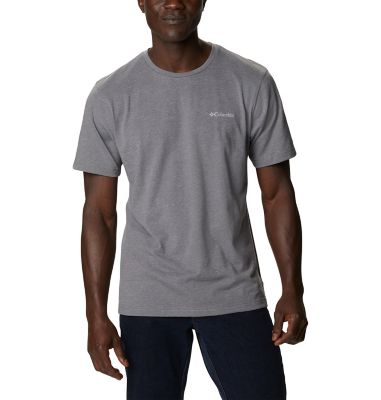
Men’s running apparel works best when it stays out of the way. A shirt that pulls across the shoulders or shorts that ride up can become a distraction before the first mile is done. Lightweight polyester and nylon fabrics are common in running tops because they move moisture away from the skin and dry more readily than many cotton fabrics. Mesh panels allow airflow, and a little stretch helps a shirt move with an easy arm swing. A relaxed fit offers room without clinging, while a closer fit limits loose fabric that can bunch beneath a hydration vest. Neither should bind across the chest or rub at the underarms. Seams, tags, and fabric texture deserve attention, especially for runners who spend enough time on their feet for a small rough spot to become bothersome. Running shorts bring their own set of considerations, including inseam length, leg opening, waistband design, and pocket placement. Shorter inseams leave more of the leg free, while longer cuts provide more coverage. Stretch woven fabric and side openings can allow a full stride without tugging at the thigh. An adjustable drawcord helps hold the waistband steady, particularly when pockets carry a phone or keys. Built-in liners provide support with fewer separate layers, though some men prefer unlined shorts with their choice of athletic underwear. Close-fitting running tights and fitted undershorts offer another option for limiting fabric movement and skin-on-skin rubbing. Flat seams and a waistband that lies smoothly can make a noticeable difference over repeated strides. Pockets work best when their placement keeps belongings close to the body instead of swinging against the leg. A zippered pocket gives small essentials a more secure home, while a snug phone pocket can cut down on bounce. For the man fitting a run between feeding animals and heading to work, clothing that is easy to pull on, comfortable through the full route, and straightforward to wash earns its place in the regular rotation.
Beyond shoes and clothing, running accessories help carry necessities without turning an everyday outing into a packing job. A handheld water bottle keeps a drink within reach, often with a strap that means less gripping. A running belt places water or small belongings around the waist, while a hydration vest spreads the load across the torso for longer routes. Capacity and fit should match the distance and access to refill stops; a short neighborhood loop calls for a different setup than several miles on a trail with no water access. A close, adjustable fit helps limit bouncing and rubbing, and openings wide enough for cleaning make bottles and reservoirs easier to maintain. A running watch can track time, distance, and pace, with GPS-equipped options recording an outdoor route without requiring a phone for location tracking. Battery life, readable controls, and straightforward displays matter more when hands are moving and attention belongs on the path ahead. A secure place for identification and a phone can also be useful, especially along quieter roads. Reflective details and lights help improve visibility in low light, although they do not replace staying alert around traffic. Anti-chafe products can help reduce friction where skin or clothing rubs, with label directions guiding application. Runners whose routes often lead onto footpaths may also find useful crossover gear among
Hiking Essentials For Men, particularly for carrying water and small necessities. Everyday care helps running gear stay comfortable through repeated outings. Washing according to the garment label, avoiding fabric softener when advised, and allowing shoes to air-dry away from direct heat help protect fabrics, cushioning, and adhesives. Flattened cushioning, worn tread, stretched waistbands, and persistent rubbing can signal that equipment deserves a closer look. For gifting, socks, water carriers, and small running accessories can suit a dad, brother, partner, or friend with an established routine. Shoes and fitted clothing call for more knowledge of his size and preferences, since the best running setup is one he feels comfortable reaching for again.