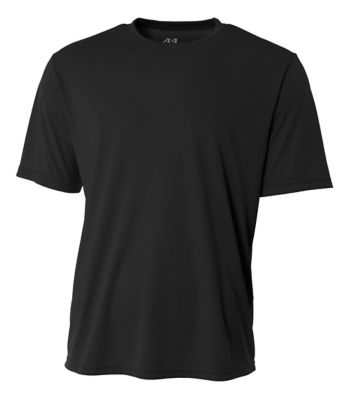
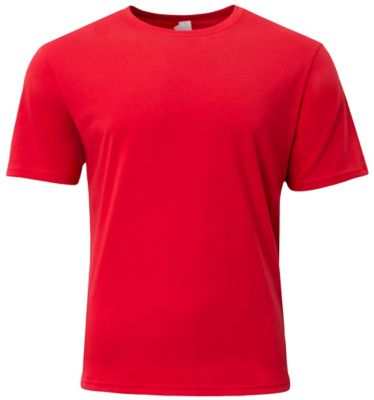
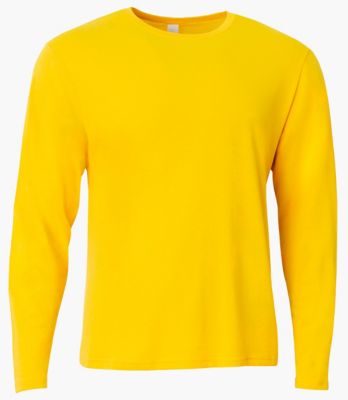
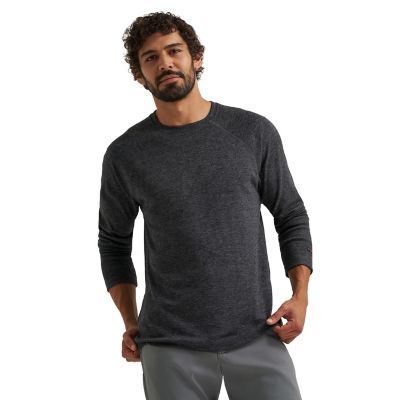
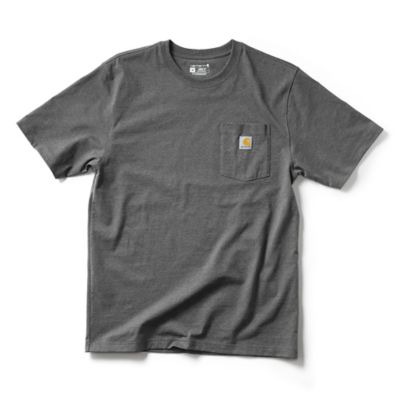
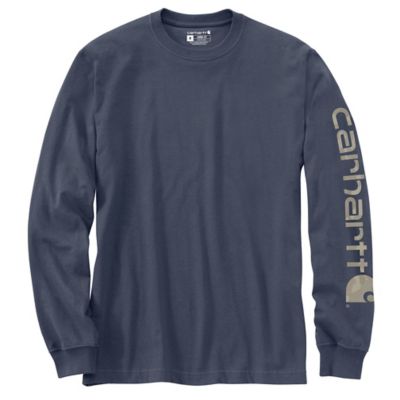
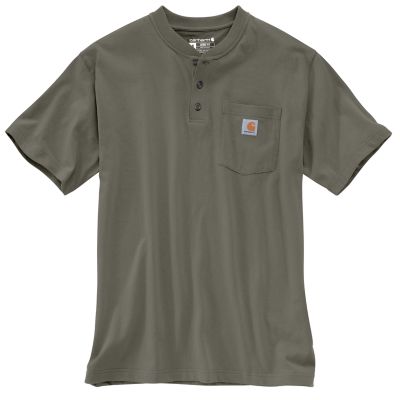
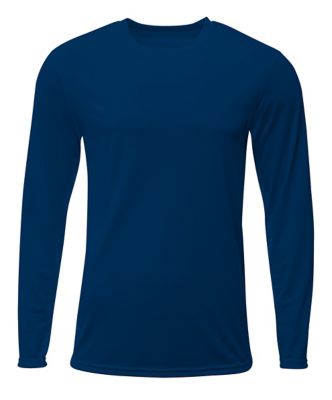
Exercise shirts for men are made to keep movement comfortable, whether the routine involves lifting weights, jogging down a farm lane, walking on a treadmill, or working through a few sets in the garage. The main differences come down to fabric, fit, and construction—not just how a shirt looks on a hanger. Moisture-wicking fabric moves perspiration away from the skin toward the outer surface, while quick-drying fabric releases that moisture more readily as it evaporates. Those features work together, but they are not the same thing, and performance varies with the fabric blend, knit, and thickness. Polyester is common in men's workout shirts because it absorbs relatively little moisture and can dry faster than cotton. Nylon can provide a smooth feel, while a small amount of spandex adds stretch for reaching, bending, and twisting. Cotton offers a familiar, soft feel that suits walking, stretching, and lighter exercise, though it absorbs sweat and may stay damp longer during demanding sessions. Cotton blends can strike a middle ground for men who want an everyday T-shirt feel with some of the benefits of synthetic fibers. Fabric weight matters, too. A thin training shirt can feel light through repeated sets, while a more substantial knit may offer greater coverage and a less clingy drape. Mesh panels or open-knit sections allow more air to pass through, although their placement matters when a bench, backpack, or lifting belt rests against the shirt. Breathability, stretch, and moisture management are separate features worth considering together rather than treating any single fabric name as a guarantee. For a steady-paced walk, softness and a comfortable neckline may be enough. For intervals, rowing, or a long lifting session, a shirt that handles perspiration and moves without pulling can make a noticeable difference. Men who exercise several days a week may prefer different shirts for different routines instead of expecting one fabric and cut to handle every activity equally well.
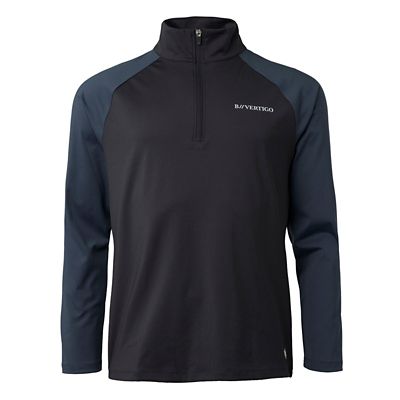
Fit determines how an exercise shirt behaves once the workout gets going. A regular fit leaves room through the chest and waist without excess fabric, making it a straightforward choice for general training and everyday wear. An athletic fit usually sits closer through the shoulders and torso, though the exact shape varies by maker. A relaxed cut provides more room, but a very loose hem or oversized sleeves can get in the way around equipment. Compression shirts fit snugly against the body and can serve as a close-fitting first layer; that fit is a matter of preference, not a requirement for an effective workout. Size charts and body measurements provide a better starting point than assuming the same letter size fits alike across every shirt. Shoulder width, chest room, torso length, and the amount of stretch all affect comfort. During an overhead press, the hem should provide enough coverage without requiring a tug after every repetition. During a squat or seated row, the fabric should allow movement across the back without binding under the arms. Short-sleeve exercise shirts provide familiar coverage for a wide range of routines. Sleeveless tops leave the shoulders free, while long-sleeve training shirts offer more arm coverage without necessarily requiring a heavy fabric. Armholes deserve attention on any cut: openings that pinch can rub, while overly deep openings may expose more than the wearer prefers during bending or floor exercises. Necklines should sit comfortably without pressing against the throat or stretching out of shape. Flat seams and smooth interior finishes may help limit rubbing during repetitive movement, especially beneath the arms and across the shoulders. A printed neck label or a soft tag can also make a difference over a longer session. These small details become easier to appreciate halfway through a run or when settling against a weight bench, when a scratchy seam or shifting collar becomes a distraction.
How a training shirt holds up depends on its fabric, stitching, and care, as well as the demands placed on it. Stretch fabric should return toward its original shape after movement rather than leaving the neckline or hem looking stretched out. Even stitching, secure hems, and neatly finished seams are useful construction details, particularly for shirts that make frequent trips through the washing machine. A lightweight knit may feel comfortable for running but be less suited to repeated rubbing from rough straps or textured surfaces. A heavier fabric is not automatically the better choice, either, since added weight can change the drape and feel during exercise. Care instructions matter because fibers, stretch components, and fabric treatments can respond differently to washing and drying. Prompt washing after sweaty workouts helps keep perspiration and body oils from sitting in the fabric. Turning shirts inside out can reduce friction on the outer surface, and separating them from garments with exposed hook-and-loop fasteners can help prevent snags. Fabric softener can interfere with moisture management in some performance fabrics, so the garment label should take priority. Excessive dryer heat can affect stretch fibers and printed details; a lower setting or air drying may be appropriate when the care directions allow it. Exercise shirts also overlap with the broader
Performance Shirts category, with similar attention to movement, moisture handling, and fit. As a gift for a husband, dad, brother, or friend who enjoys staying active, a workout shirt is easier to choose when the recipient's usual size, preferred sleeve length, and favorite fit are known. A man who likes a roomy cotton tee for daily walks may not enjoy a close-fitting synthetic top, even if both suit exercise. Matching the shirt to the wearer's routine, laundry habits, and comfort preferences helps make it something that gets reached for before the next workout rather than left at the bottom of a drawer.