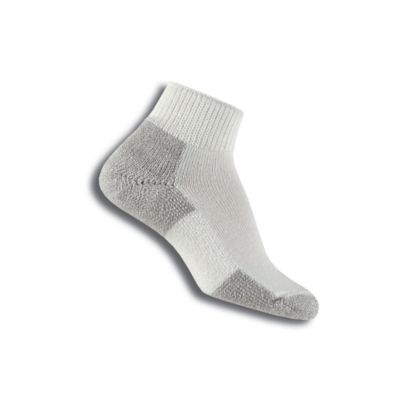
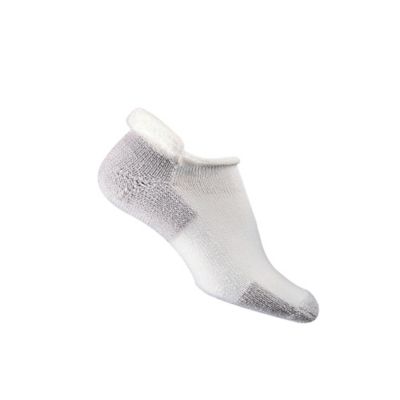
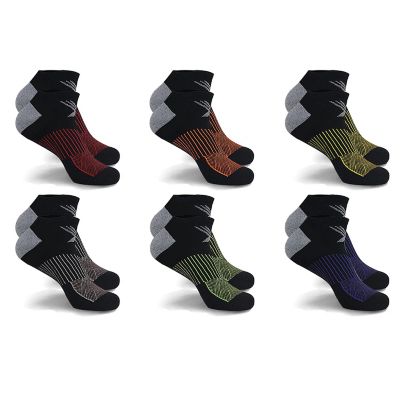
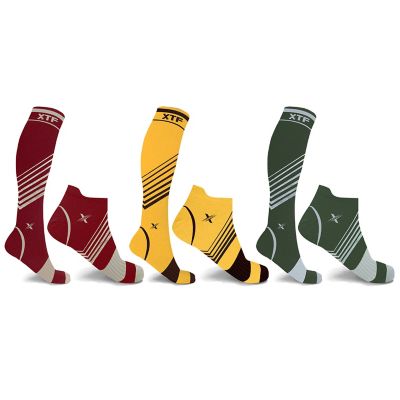
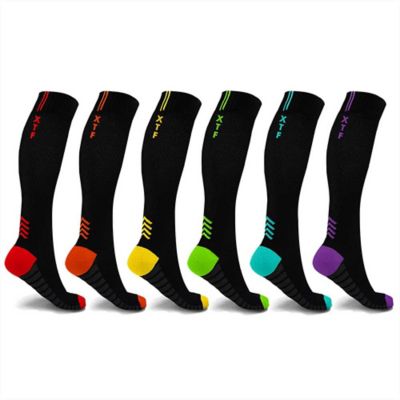
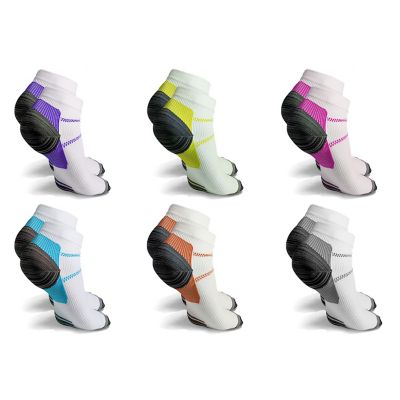
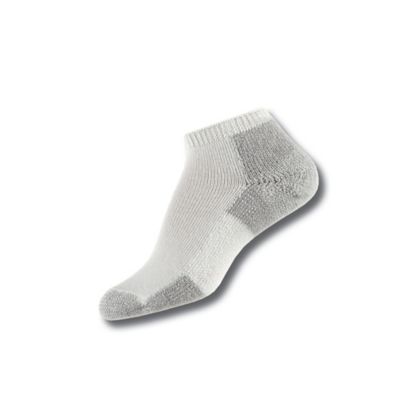
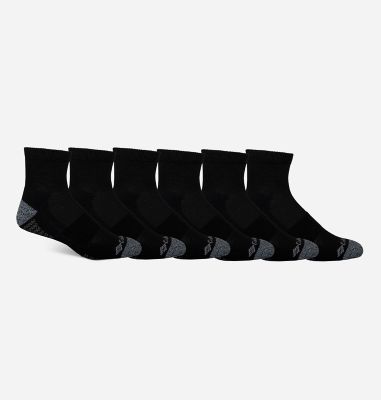
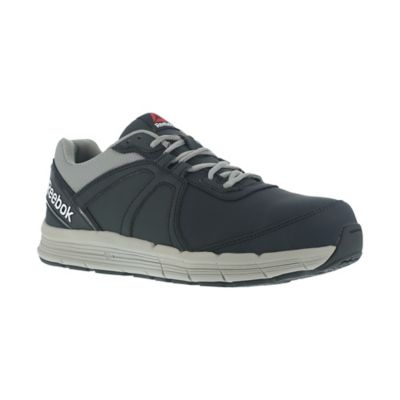
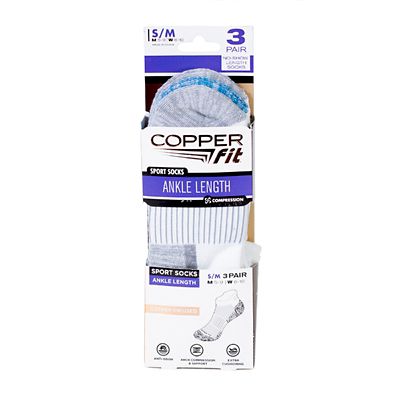
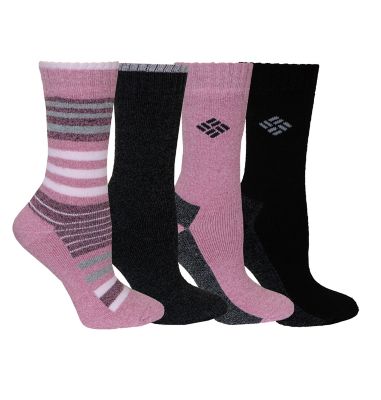
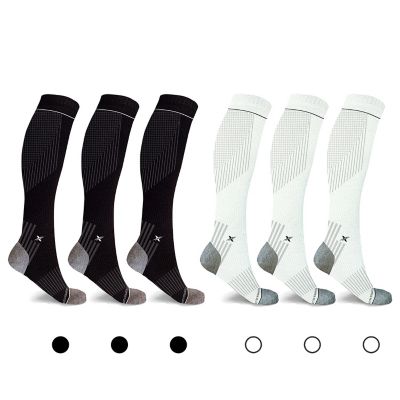
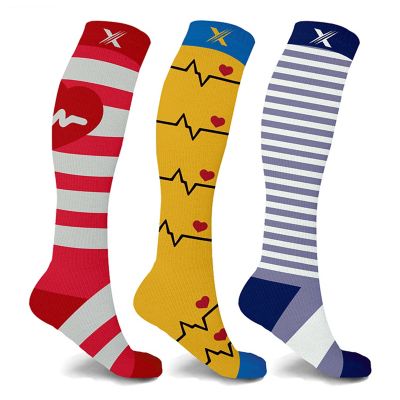
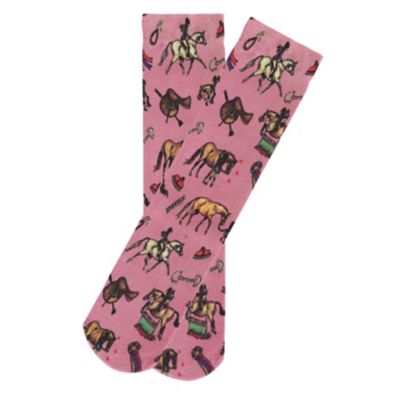
Essentials for runners center on comfortable footwear, sweat-managing socks and clothing, and practical ways to carry water and small belongings. Whether a run follows a paved loop through town or a gravel lane past the back pasture, the right gear needs to match the surface, distance, and person wearing it. Running footwear combines cushioning underfoot with an upper that holds the foot steady without squeezing it. A comfortable fit leaves room for toes to spread and a little space ahead of the longest toe, while keeping the heel from slipping with each stride. Sizing can vary between footwear styles, so the fit with running socks matters more than the number on the box. Road-focused soles generally favor smooth transitions on pavement, while trail-oriented tread provides more bite on loose ground and uneven paths. Deeper tread is not automatically better for every route; the balance of grip, flexibility, and cushioning depends on where the miles happen. Mesh uppers allow airflow, reinforced sections help handle scuffs, and secure lacing helps keep the foot from shifting on turns. Socks contribute just as much to how that fit feels over time. Polyester, nylon, and wool blends can move moisture away from the skin, while a touch of stretch helps fabric stay close instead of bunching beneath the arch. Smooth toe seams and padding placed at the heel or forefoot can reduce rubbing, though no sock can guarantee a blister-free run. Thickness also changes how much room remains inside a shoe, making footwear and socks worth considering together. For someone starting with short run-walk outings, comfort and a natural stride matter more than a complicated set of features. Someone covering longer distances may pay closer attention to cushioning, pressure points, and how the fit feels after several miles. Across either routine, sound stitching, securely bonded soles, and materials suited to repeated movement help running gear stand up to regular wear without making it feel stiff or heavy.
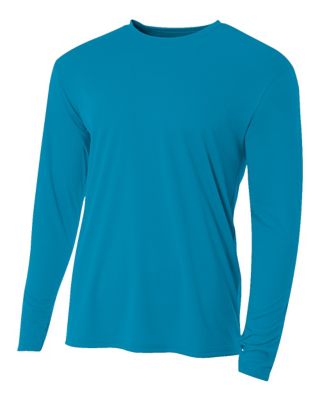
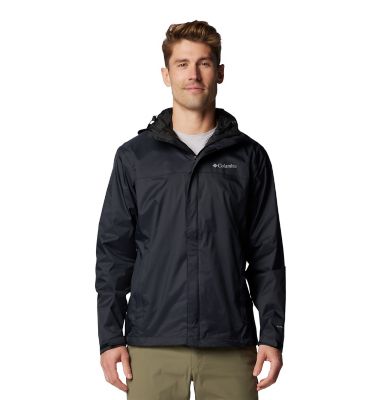
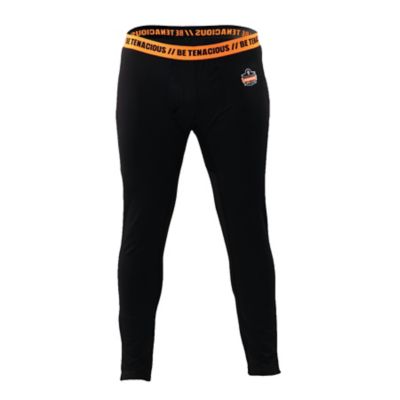
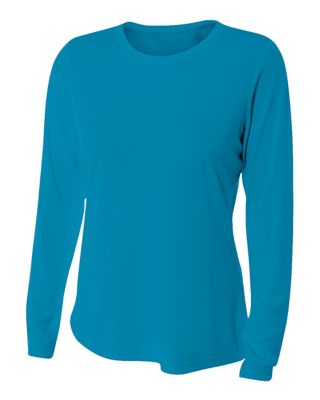
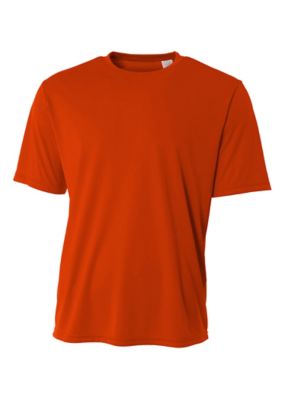
Running clothing works best when it stays comfortable through a full stride, a deep bend, and the repeated swing of the arms. Lightweight knit fabrics made with polyester or nylon are common because they manage sweat and tend to dry faster than heavier cotton. Stretch fibers add give through the hips, knees, and shoulders, but the amount and placement of stretch matter as much as the fabric label. A close fit can limit loose fabric and rubbing, while a roomier cut may feel better to runners who prefer less contact against the skin. Neither should pull across the shoulders, pinch at the waist, or restrict movement when stepping over a rut along a farm lane. Flat seams, soft binding, and smooth interior surfaces are useful details wherever fabric repeatedly touches the body. Waistbands need enough hold to stay put without digging in, especially when a pocket carries a phone. Pocket placement makes a noticeable difference: a load held close to the body tends to move less than one hanging away from it. Secure closures help keep a house key or identification from working loose during a steady jog. Supportive underlayers also belong in the picture, with fit and support level matched to the runner’s needs rather than appearance alone. For shoppers narrowing their search by fit,
Running Essentials For Men offers a related place to focus on gear for that routine. Clothing measurements, inseam length, and the intended cut offer a better starting point than assuming every garment fits alike. Care plays a part in how well those fabrics keep their shape and feel. Following the care label, closing fasteners before washing, and avoiding excessive dryer heat can help protect stretch fibers and trims. Fabric softener may interfere with the moisture-moving performance of some technical fabrics, so garment directions deserve a look. Letting footwear air-dry away from direct heat and clearing dirt from the tread helps keep everyday maintenance straightforward. A regular check for thinning fabric, loose seams, and worn sole edges can also reveal when favorite gear is no longer doing its job.
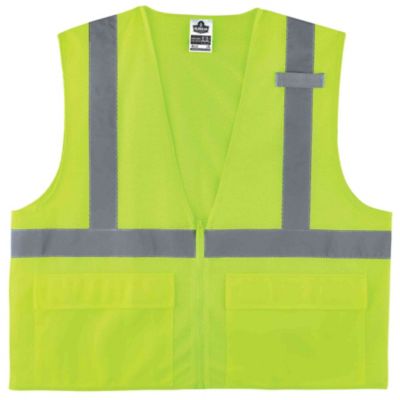
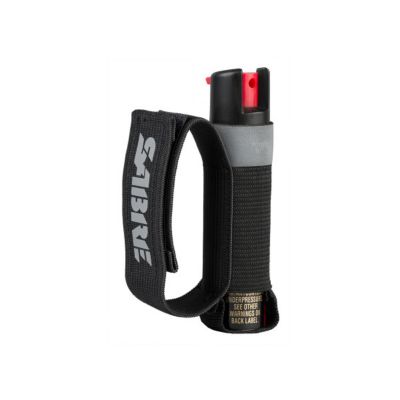
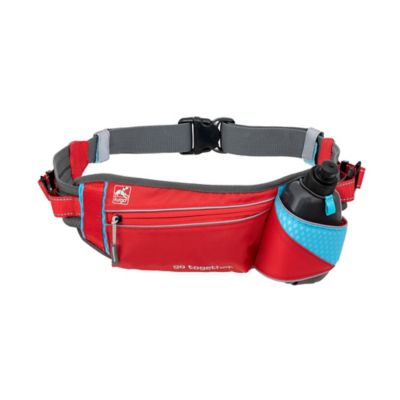
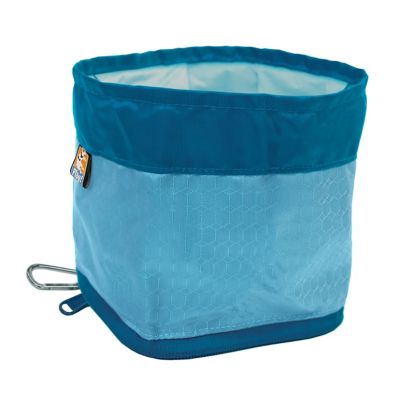
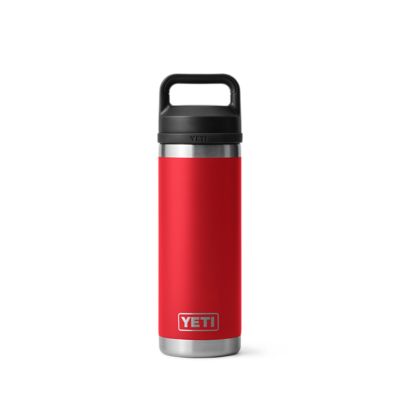
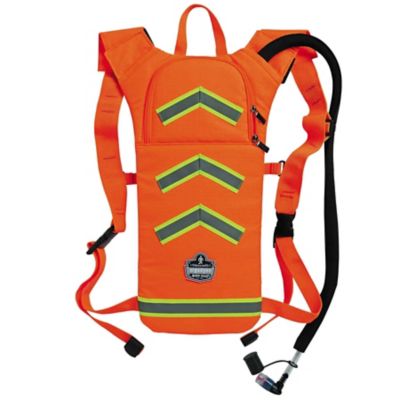
Carrying essentials comfortably becomes more important when a route stretches beyond a quick lap near home. Running storage is built around keeping small belongings secure without leaving a runner gripping a phone or listening to keys jingle the whole way. Body-hugging designs, adjustable straps, and separate compartments can help reduce bouncing and keep hard edges from pressing into the skin. Capacity should reflect the actual load: a phone, identification, and a key take less room than supplies for a longer outing away from easy stops. Hydration gear follows the same principle. Comfortable carrying, easy access to a drink, and an opening that can be cleaned thoroughly all matter more than extra capacity that feels awkward on the move. Fluid needs vary with the person, effort, and length of the run, so there is no single amount that suits every outing. Secure lids, manageable drinking valves, and parts that come apart for washing make regular care easier. Containers and drinking components need cleaning according to their directions and time to dry between outings. Visibility is another practical consideration on routes shared with vehicles, bicycles, or other trail users. Reflective details can help a runner stand out when headlights reach them, while a light can help illuminate the path; neither replaces attention to traffic or a route with safe footing. Audio gear also calls for sensible expectations. Designs that leave the ears open may allow more surrounding sound through, but listening can still distract from an approaching vehicle or a bicycle coming from behind. For gift giving, running accessories can suit a neighbor training for a first community race, a family member who heads out after chores, or a friend who enjoys quiet miles on local trails. Footwear and close-fitting clothing usually require more knowledge of the recipient’s measurements and preferences. The most useful running essentials fit the runner’s real habits, feel comfortable in motion, and are easy to clean and keep ready for the next trip down the road.