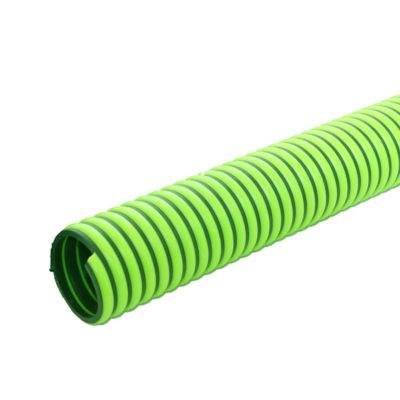
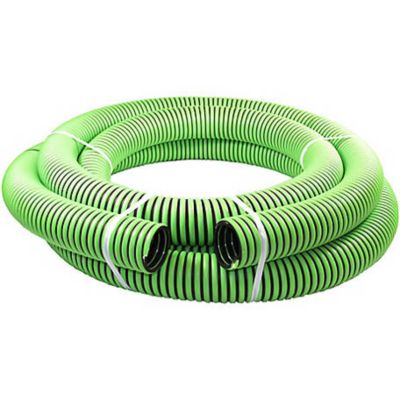
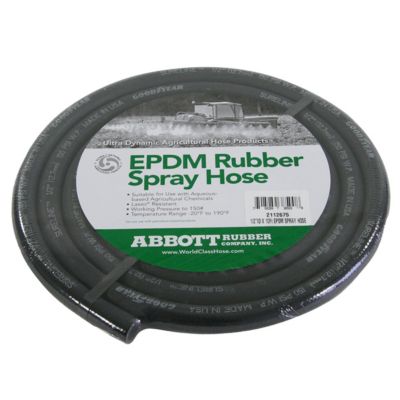
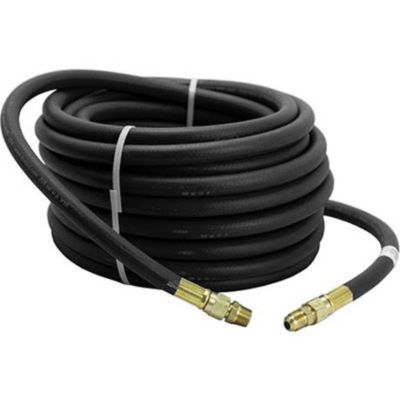
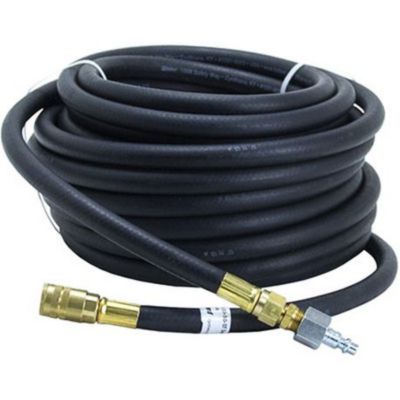
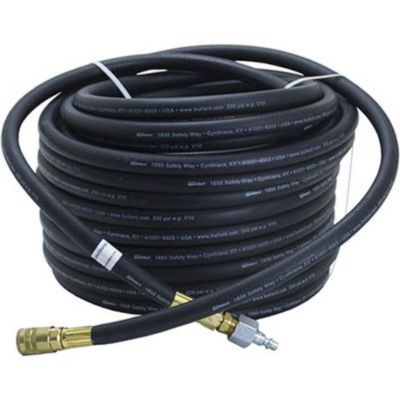
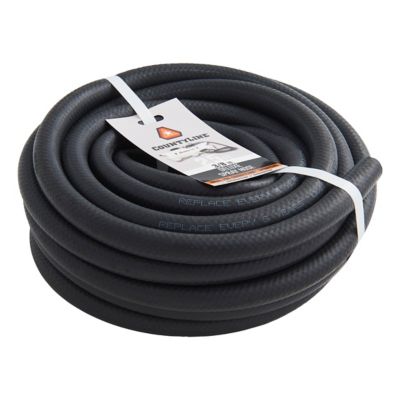
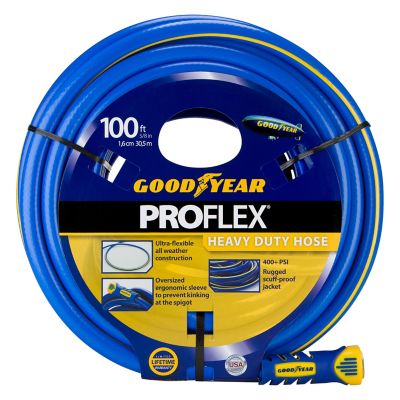
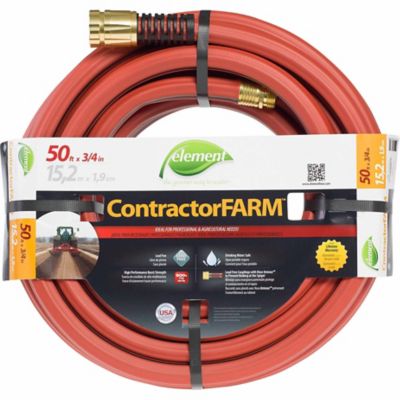
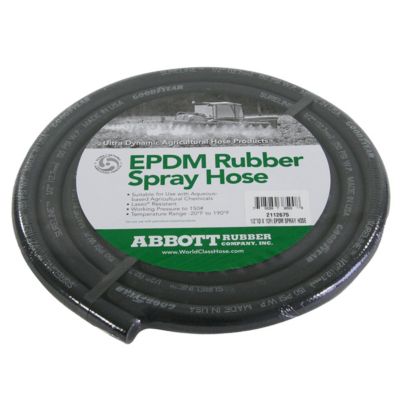
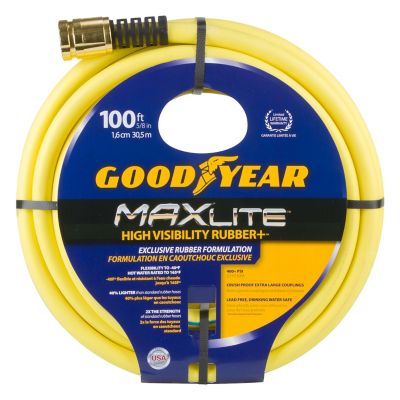
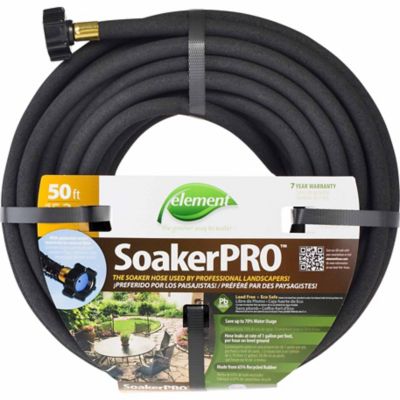
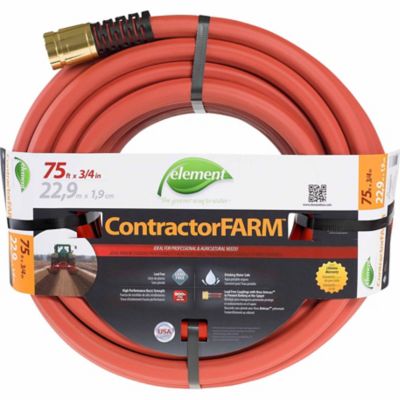
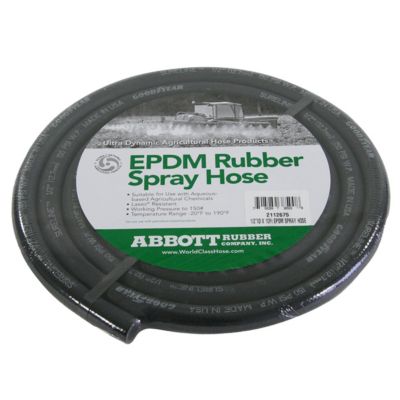
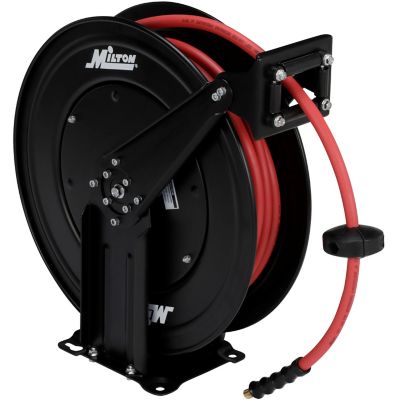
EPDM rubber hoses are a dependable choice when a hose needs to stand up to weather, water, heat and everyday wear. EPDM stands for ethylene propylene diene monomer, a synthetic rubber valued for its flexibility and long service life. These hoses can remain pliable in cold conditions and handle heat that would make lesser materials stiff, brittle or cracked. Many EPDM rubber hoses are rated for temperatures from about -40°F to 212°F, though the exact range depends on the hose construction and intended use. They resist ozone, sunlight and changing outdoor conditions, making them useful around farms, shops, garages, barns and work areas where equipment may be exposed to the elements. An EPDM hose can help move water, air, coolant or other approved fluids without feeling overly rigid in your hands. That flexibility comes in handy when routing a line around an engine, fitting a connection in a tight space or reaching across a work area without fighting a hose that wants to stay coiled. For a broader selection of pliable hose options, see
Flexible Rubber Hoses.
When choosing an EPDM rubber hose, start by matching the hose to the job instead of shopping by appearance alone. Check the inside diameter so it fits the barbed fitting or connection properly, then confirm the outside diameter if the hose must pass through a clamp, bracket or opening. Length matters, too: a little extra reach can make maintenance easier, but excessive slack may rub against moving parts or create low spots where water can collect. Look for the stated working pressure and temperature rating, especially when the hose will carry heated coolant, compressed air or water under pressure. A hose used for an engine cooling system may need to handle hot coolant and repeated heating and cooling cycles, while an air line or discharge hose may need a different pressure rating and reinforcement. Flexibility is helpful, but every hose still has a bend limit. A smooth, wide bend is safer than folding the hose sharply near a fitting, where repeated stress can cause early wear. Use the correct clamps and fittings, keep connections clean, and leave enough room for the hose to move slightly with vibration. On a tractor, truck, mower or other machine, keep the hose away from exhaust components, sharp edges, belts and rotating shafts. Inspect it during regular maintenance for soft spots, bulges, surface cracking, abrasion or loose connections. EPDM holds up well against sunlight and ozone, but even a tough hose benefits from being stored out of direct weather when it is not in use.
EPDM rubber hoses are commonly used for automotive coolant and radiator lines, heater-core connections, shop air service, general water transfer, water discharge, agricultural sprayers and irrigation setups. Around the property, they can be useful for moving water between tanks, pumps and watering equipment, or for replacing a worn line on machinery that spends long hours outdoors. In a farm shop, an appropriately rated hose can help connect air equipment or direct water where it is needed during cleanup and maintenance. Their weather resistance makes them a practical fit for equipment that works through hot afternoons, cool nights and changing conditions, while their soft feel helps with routing and handling when the ground is uneven or the work area is crowded. EPDM is not compatible with petroleum-based oil, fuel, diesel, gasoline or grease; those fluids can cause the rubber to swell, soften and break down. Always review the manufacturer’s compatibility information before using a hose with chemicals, fuel mixtures, solvents, hydraulic fluid or agricultural treatments, since not every EPDM hose is intended for every spray or fluid. For anyone who keeps a tractor, truck, utility vehicle or small engine running, a properly sized length of EPDM hose can be a thoughtful and useful gift, especially for a hands-on mechanic or a neighbor who is always fixing something around the place. The right hose may not be flashy, but it can save a trip to town when a coolant line, water connection or air line gives out during a busy stretch of work. During warmer weather and the cooler months alike, choosing a hose with the right diameter, pressure rating, temperature range and fluid compatibility helps keep repairs dependable and equipment ready for the next job.