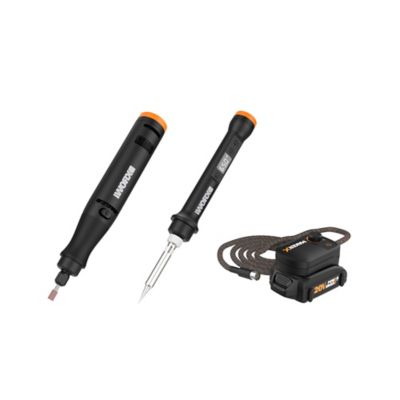
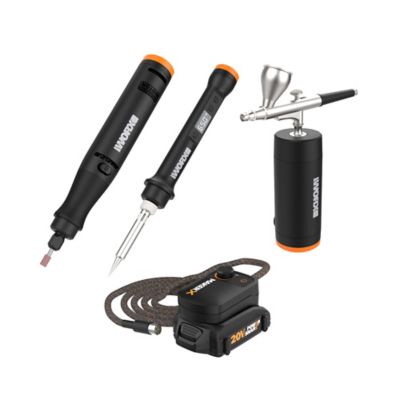
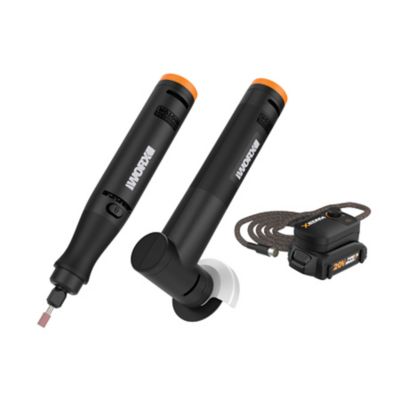
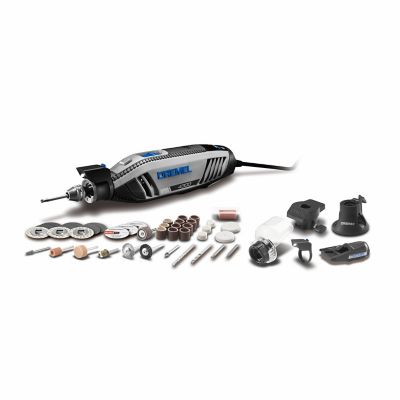
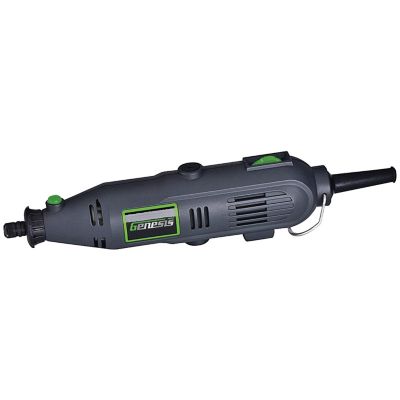
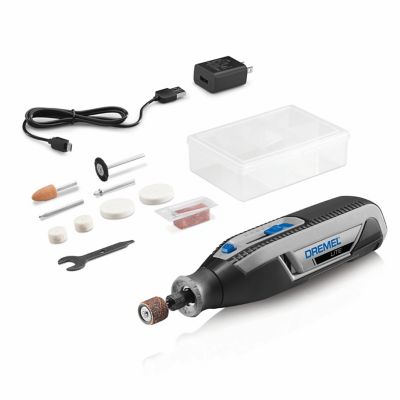
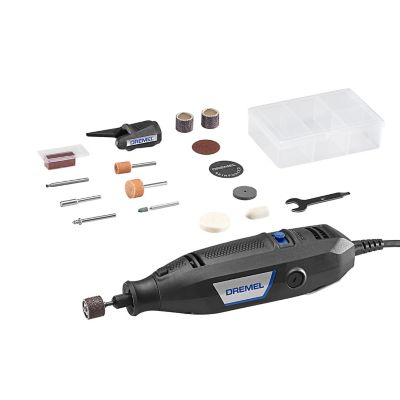
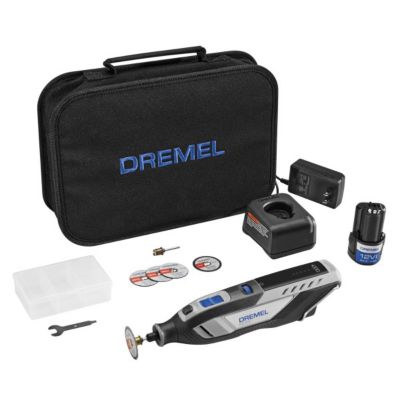
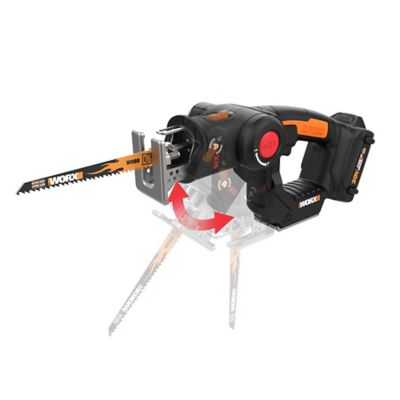
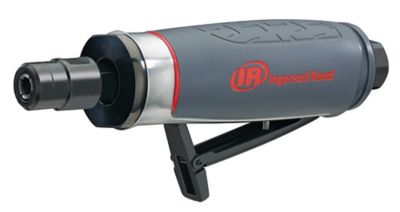
Small wood carving projects call for a tool that feels manageable when the work gets down to a feather line, a curved edge, or the space between two carved leaves. Rotary tools bring a spinning cutter to those tight spots, making them a practical choice for shaping small wooden figures, adding texture to a walking stick handle, or refining lettering on a keepsake box. Their appeal is in the range of work a compact tool can handle, from removing a little extra material to smoothing a shallow recess. For folks who carve at a garage workbench, in a farm shop, or at a dedicated craft table, tool size and handling deserve as much attention as motor power. A slim body can be easier to hold close to the cutting point, while a larger housing may feel better for broader shaping work. Weight, balance, vibration, and switch placement all affect how comfortable a tool feels through a stretch of detail work. Variable-speed controls offer flexibility across different cutters and tasks, though the right setting depends on the wood, attachment, and manufacturer's directions. Corded rotary tools suit bench work where an outlet is handy and steady power matters. Cordless designs make it easier to move around a carving without managing a cord, with battery weight and runtime becoming part of the decision. Some models accept a flexible shaft that moves the motor's weight away from the handpiece, a useful arrangement for fine lines and small curves. That attachment needs to match the tool, and its reach should suit the work area. Rotary tools are generally better suited to modest shaping and detail work than removing large amounts of wood. A small carving may not take up much bench space, but the tool still needs room to move without the cord, battery, or attachment getting in the way. A good fit between the tool, the task, and the person holding it makes a difference long before the final surface takes shape.
The attachments do much of the work of turning a rotary tool into a wood carving setup. Cutter shape determines where it can reach and what sort of mark it leaves: rounded profiles suit hollows and sweeping contours, pointed profiles reach narrow spaces, and cylindrical profiles can help establish straighter walls or broader surfaces. Cutting teeth and abrasive surfaces behave differently, so the intended material matters more than appearance alone. Accessories intended for wood are a more sensible match than attachments chosen simply because they fit the chuck. Shank diameter must match the collet or chuck's stated capacity, and the attachment's speed rating must cover the tool's operating speed. Those details are especially important when adding accessories to a tool already on the bench. A compact assortment that matches the work can be more useful than a large selection with little purpose for small carvings. Wood choice changes the feel of the job, too. Basswood has a relatively even texture that lends itself to small figures and practice pieces, while denser woods can demand more from both the cutter and the person guiding it. Open grain, knots, and changes in grain direction can interrupt a smooth line or leave a fragile edge vulnerable to chipping. Dry, sound wood gives a more predictable starting point than a cracked scrap with hidden defects. Reclaimed lumber also calls for a careful check for nails, staples, coatings, and other material that does not belong near a spinning cutter. On a tiny bird carving, the rounded body and narrow beak place very different demands on an attachment; on carved lettering, the bottoms of the grooves may need a different profile from the outside edges. Accessory selection is about matching those shapes, not simply choosing the most aggressive cutter. Easy attachment changes can be handy when a project moves between shaping and detail work, but secure holding and clear compatibility information matter throughout.
Finishing supplies, work holding, and tool care round out a small carving setup. Cutting attachments often leave ridges or tool marks, and sanding accessories help soften those marks without taking away every crisp line. Small drums can suit open curves, while other abrasive profiles reach areas that a flat sheet cannot easily touch. Grit choice affects the surface left behind, and excessive pressure can round over lettering or erase a shallow detail. For the final cleanup around edges, grooves, and tight corners,
Detail Sanding Tools for Wood Crafts offer another way to match the abrasive to the shape of the work. Some areas are better finished by hand, particularly where a powered attachment could remove too much material in a moment. A carving vise, suitable clamp, or other secure holding arrangement helps keep fingers away from the cutting path and leaves the tool hand free to concentrate on movement. Eye protection, hearing protection when needed, and respiratory protection suited to wood dust belong alongside dust collection or extraction appropriate for the setup. Long hair, dangling jewelry, and loose sleeves need to stay clear of rotating parts. For lasting service, tool care includes keeping ventilation openings clear, checking cords or batteries for damage, and inspecting attachments for wear or bent shanks according to the manufacturer's instructions. Power should be disconnected before attachment changes or maintenance. Keeping cutters separated in a case protects their edges and makes the next session less of a rummage through the bench drawer. These tools can suit experienced woodworkers adding finer detail, beginners building a modest carving setup, or a gift recipient who already enjoys working with wood. For a gift, compatibility with an existing tool and the kind of carving the recipient enjoys are more helpful than sheer accessory count. The strongest setup is one that fits the person's hands, work space, and projects, with the right support for careful work from rough shaping through the last small touch.