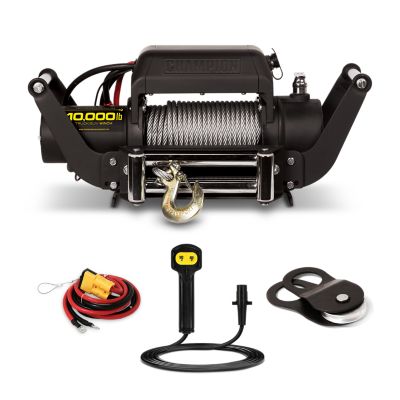
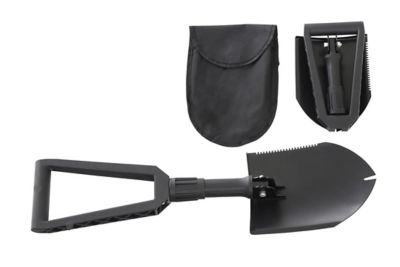
Overlanding accessories help turn a capable vehicle into a comfortable, organized base camp for travel on gravel roads, forest trails, desert tracks and remote backcountry routes. This style of travel blends off-road driving with camping, so the right gear supports both parts of the trip: getting where you are going and settling in once you arrive. Recovery gear is a smart place to start. Recovery boards can help provide traction when tires sink into sand, mud or loose soil, while kinetic recovery ropes, snatch straps and soft shackles can help with a careful vehicle recovery when used with properly rated attachment points. A compact shovel is useful for clearing packed dirt or snow from around a tire, and a trail-ready tool kit can help with loose fasteners, small adjustments and everyday vehicle maintenance. Tire deflators make it easier to lower pressure consistently on rough ground, helping the tread conform to uneven surfaces, while a portable air compressor lets you bring the tires back to road pressure before heading home. Look for equipment with clear weight ratings, durable construction and storage bags or cases that keep muddy gear separated from clean camping supplies. Recovery equipment should be selected for the vehicle’s weight and used according to the manufacturer’s instructions; it is not a substitute for safe driving, sound attachment points or good judgment. Shoppers comparing
Four Wheeler Accessories may also find useful ideas for building a practical setup around the vehicle they already own. Before buying, consider ground clearance, available cargo room, payload capacity, tire size and the kinds of roads that make up a typical trip. A lightweight setup for maintained gravel roads may need little more than basic recovery and camping gear, while rocky trails, deep sand and remote routes call for stronger equipment and more backup options.
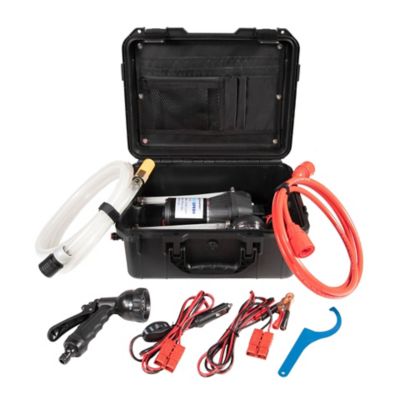
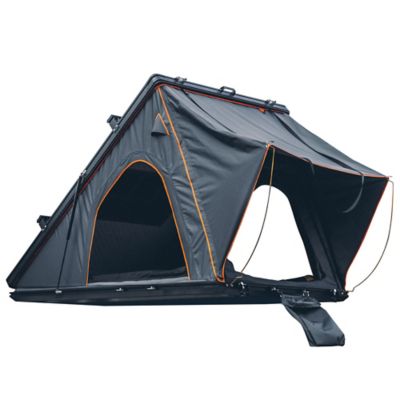
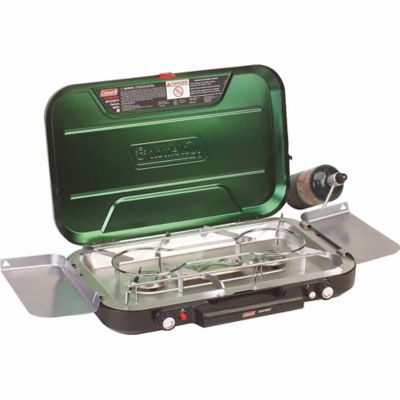
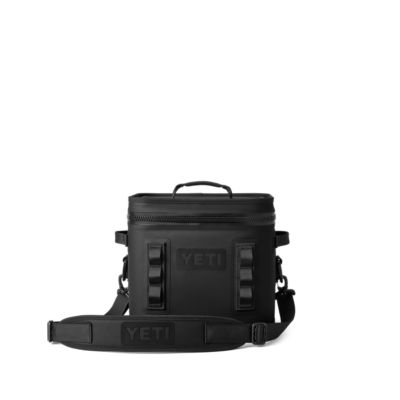
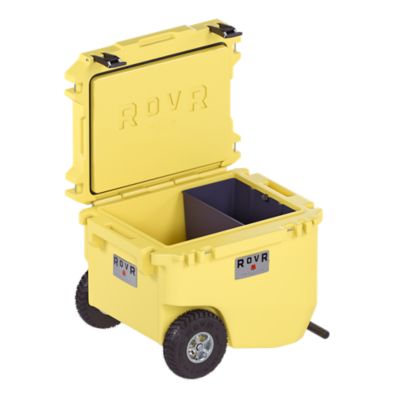
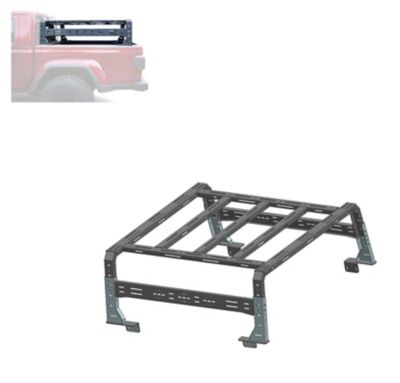
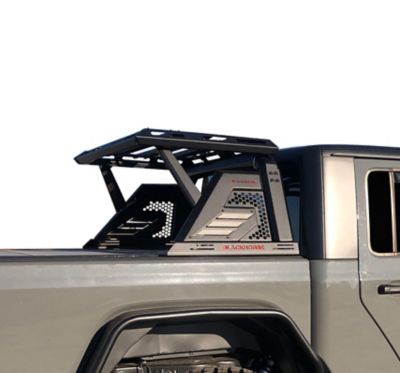
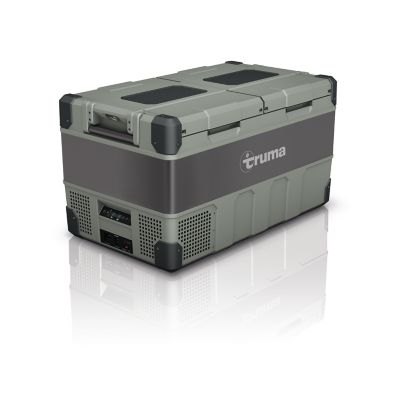
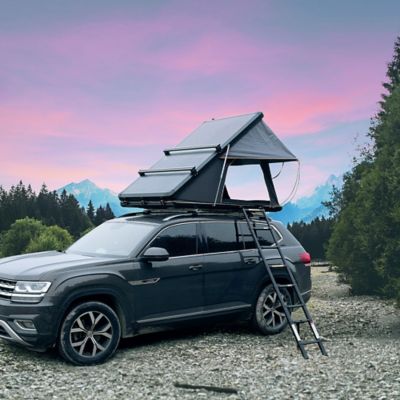
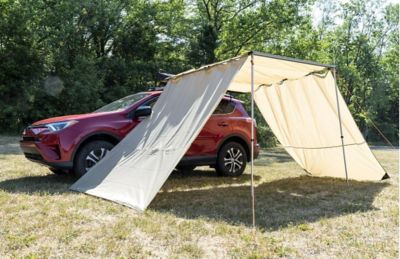
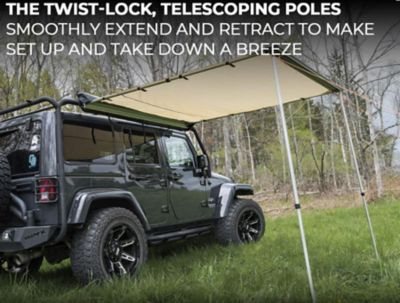
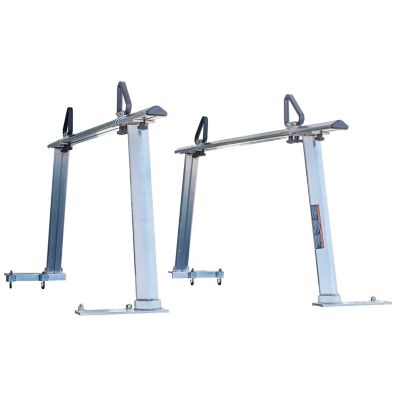
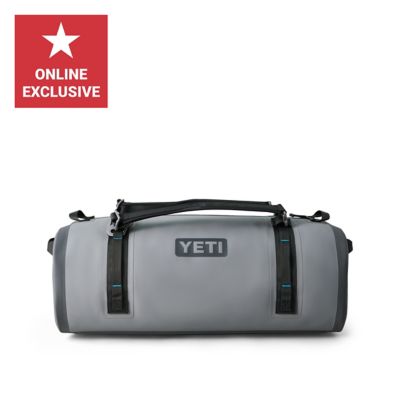
Shelter and camp comfort make a big difference when the road ends for the day. A weather-resistant ground tent is a familiar choice for sleeping near the vehicle, while a rooftop tent can keep a sleeping area above damp ground and make camp setup feel quick and straightforward. Vehicle awnings provide shade during bright afternoons and a dry place to cook, sort gear or pull on muddy boots when the weather turns. When choosing shelter accessories, pay attention to packed size, setup time, fabric strength, waterproof ratings, mounting requirements and how well the design fits the vehicle. Storage matters just as much. Tough cargo bags, roof storage solutions, drawer systems and tie-downs help keep tools, food, clothing and camp equipment from sliding around on washboard roads. A well-organized vehicle is easier to load before leaving and easier to live out of once camp is established. For meals and fresh food, portable powered coolers or refrigerator-freezers offer steady cooling without the soggy ice and meltwater that can collect in a traditional cooler. Pairing one with food-safe containers and a simple camp cooking setup can make a long weekend feel a lot more manageable. Portable showers, water containers, battery-powered faucets and rinse systems are handy for washing hands, cleaning dishes, rinsing sandy feet or freshening up after a dusty trail. These accessories can be useful gifts for campers, hunters, anglers, photographers and families who enjoy state parks or dispersed camping. They also make thoughtful additions for someone outfitting a first overlanding rig, especially when the gear is compact, durable and useful beyond the trail.
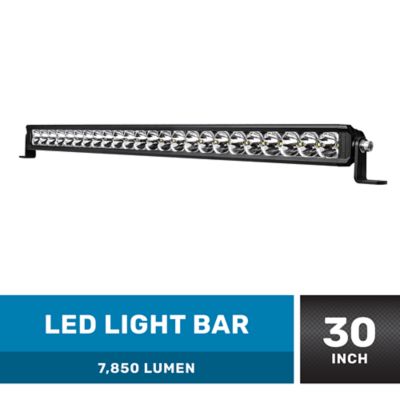
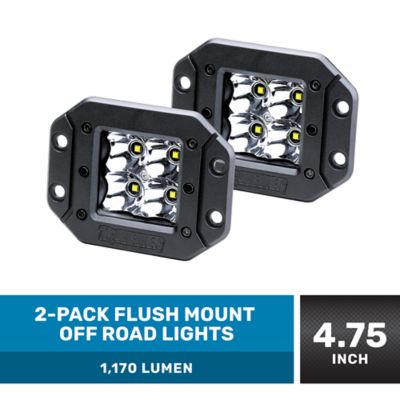
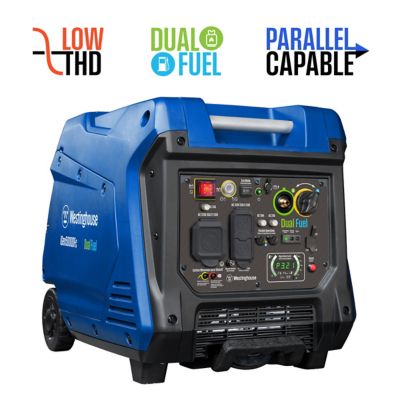
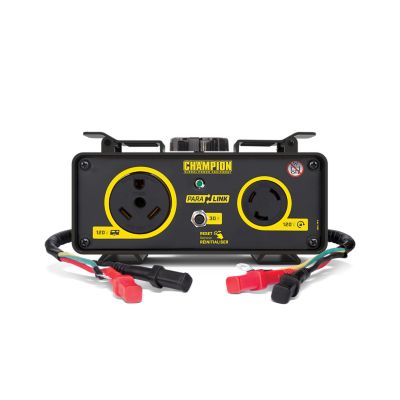
Power, navigation and communication accessories help travelers stay prepared as conditions change and daylight fades. Portable power stations can supply electricity for lights, phones, cameras, small appliances and cooling equipment, with charging options that may include vehicle outlets, household power or solar panels. When selecting a power setup, compare battery capacity, output wattage, recharge time, port types and the power demands of the devices being carried. Solar charging can be helpful during extended stays away from electrical hookups, although shade, cloud cover and changing daylight can affect how quickly a battery replenishes. Offline-capable mapping apps and downloaded trail maps can help with route planning when cell service drops, while a dedicated GPS device may offer a larger screen, improved durability or easier use with gloves. Paper maps and a compass remain sensible backups for remote travel. Two-way radios can make it easier for passengers to communicate with another vehicle or with someone spotting a difficult section of trail, and satellite communication devices may provide a way to send location updates or emergency messages beyond cellular coverage where service plans and open sky allow. Pack spare charging cables, backup batteries and weather-protected storage so important electronics are ready when needed. During the cooler months, extra lighting, insulated bedding, weatherproof clothing storage and dependable power become especially useful as nights grow longer and camp conditions change quickly. Whether the trip is a quiet weekend beside a creek, a long haul across open country or a family outing on a rough county road, overlanding accessories should make the vehicle safer, the campsite more comfortable and the whole setup easier to manage. Choose dependable gear that fits the vehicle, matches the terrain and earns its place in the cargo area trip after trip.