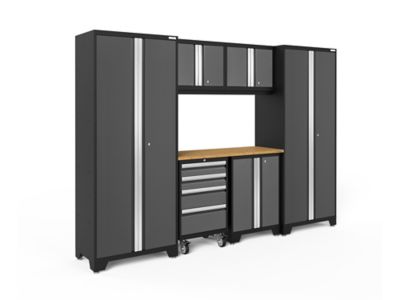
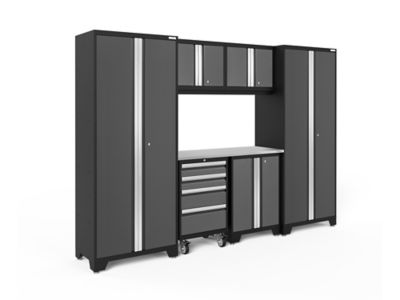
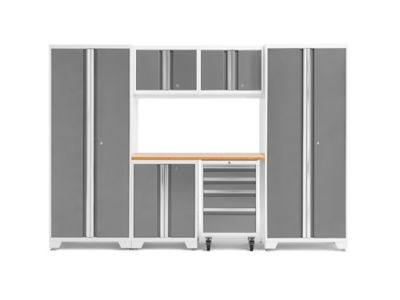
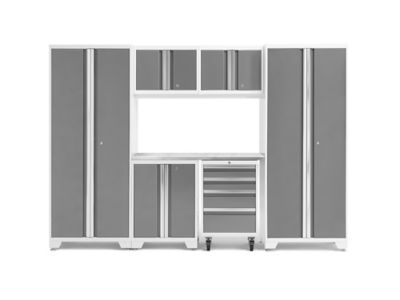
Garage accessories support storage, organization, vehicle care and everyday work, helping a parking space pull double duty as a practical place to get things done. Wall organization, floor protection, task lighting and workspace accessories all serve different needs, from keeping hand tools within reach to giving automotive supplies a place away from foot traffic. For a homeowner handling repairs, a hobby mechanic working on a pickup or a property owner maintaining mowing equipment, a well-arranged garage means less time hunting for the right gear and more room to work. The most useful setup follows the jobs that happen there. Frequently handled supplies belong near the work area, while equipment that comes out less often can sit farther from the main path. Wall space can help keep the floor clear, but anything projecting into the room needs enough clearance for vehicle doors, walking space and equipment moving in and out. A long-handled tool should come off its spot without bumping a windshield, and a supply drawer should open without forcing someone to squeeze between it and a bumper. Storage needs also vary with the size and shape of the space. A narrow garage may benefit from shallow organization along its edges, while a larger work area can accommodate separate zones for maintenance, household repairs and property chores. Related
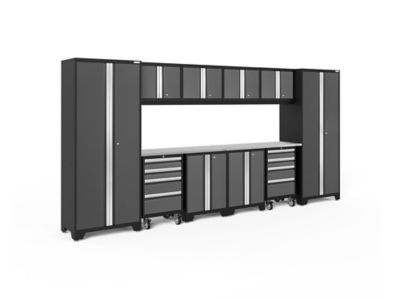
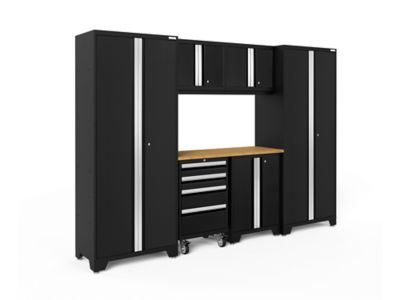
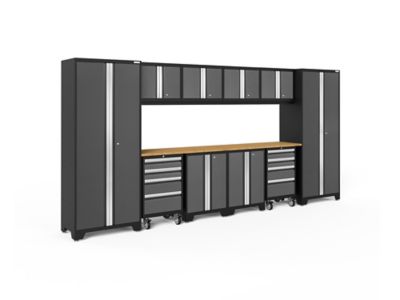
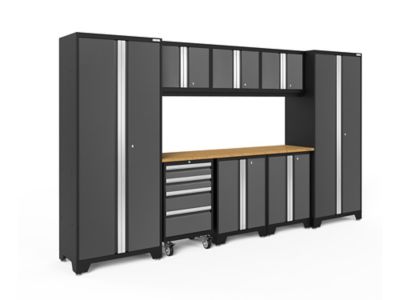
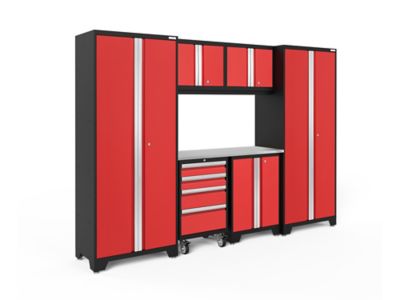
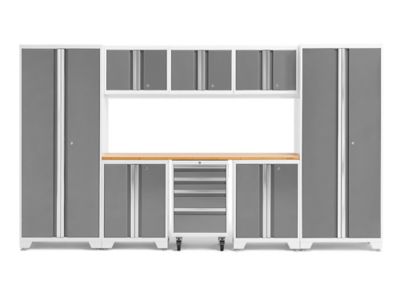
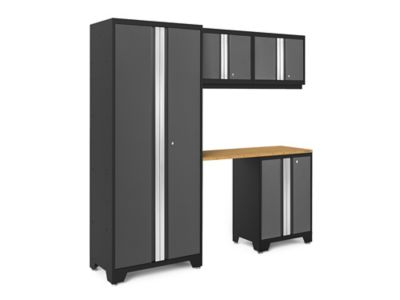
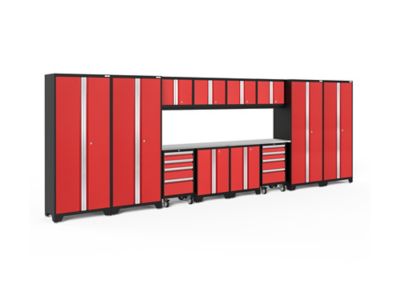
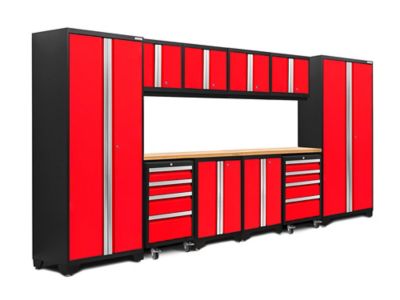
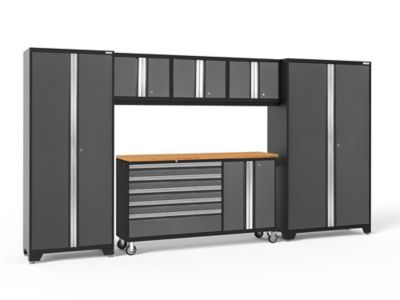
Garage Storage Solutions can help bring those zones together, with attention to how much space supplies occupy and how often they need to be reached. Keeping small repair parts separate from cleaning supplies makes the whole space easier to navigate. Clear identification matters, too, especially when several people share the garage. A simple arrangement that everyone can follow often works better than a crowded setup with no room left for the next job. Even a modest garage can work well when everyday essentials have a home and the route from the vehicle to the work area stays open. That extra elbow room comes in handy when carrying an awkward load, rolling equipment across the floor or setting down parts during a repair.
Materials and construction matter because garage accessories handle more than a tidy display. Steel can provide strength for demanding storage applications, while aluminum offers a lighter option where moving or repositioning equipment is part of the job. Molded plastics can be practical for sorting smaller supplies and wiping away everyday grime, though suitability for oils, cleaners or other chemicals depends on the material and the manufacturer’s directions. Rubber and other resilient materials can add grip or cushioning in floor and work-surface applications, with performance depending on their design and intended purpose. A surface that handles dry dust well may need different care around grease or spilled fluids. Published load limits, mounting requirements and dimensions are more useful than appearance alone when comparing options. Wall-mounted accessories need attachment methods suited to both the wall and the expected load; a fastener intended for solid framing is not interchangeable with every hollow-wall installation. Weight distribution matters as well, since a load concentrated at one end can behave differently from weight spread across the full support. Heavier supplies are generally easier to manage closer to the floor, where lifting does not require reaching overhead. Fit goes beyond whether an accessory fits inside the garage. Door tracks, outlets, light switches and access panels all need room to function, and moving equipment needs clearance around corners. Rolling accessories should have wheels suited to the floor and a way to remain stationary when the job calls for it. Task lighting belongs where hands and equipment will not constantly block the beam, with electrical ratings matched to the application. Power cords should stay out of travel paths and away from pinch points. Floor protection also needs to sit securely without creating raised edges that catch a boot or wheel. These practical details make a difference when a repair stretches into several hours or a full-size pickup shares space with an active work area.
Care and upkeep help garage accessories stay ready for the next round of work. Metal shavings, grit and sawdust can collect in corners, tracks and joints, so regular cleanup helps keep moving parts operating as intended. Wiping surfaces with a cleaner approved for the material can remove grime without harming a finish, and spills deserve prompt attention according to the substance’s handling directions. Absorbent materials, protective surfaces and other cleanup accessories have different limits; none should be assumed suitable for every automotive fluid or household chemical. Labels and manufacturer instructions remain important for both cleaning and storage. Chemicals belong in appropriate, clearly identified containers, separate from animal feed and other supplies that could become contaminated. Ventilation is another part of a functional workspace, but added airflow does not make it safe to run a fuel-burning engine inside an enclosed garage. Keeping the area orderly also makes changes easier to notice, whether that means a loose mounting point, a cracked component or a wheel that no longer rolls freely. Periodic checks are especially worthwhile wherever accessories support weight or sit near a vehicle. Beyond maintenance, the best match depends on who spends time in the space. Someone servicing property equipment may need room for larger components and supplies that carry dirt into the garage, while a household repair area may put more emphasis on small-part organization and a clear work surface. A shared garage benefits from storage locations that make sense to everyone, including places for gear to return after a job. Garage accessories can also make thoughtful birthday or housewarming gifts for someone setting up a work area, provided the dimensions and intended use suit that person’s space. Whether the garage holds a daily driver, maintenance equipment or an ongoing repair project, useful accessories earn their place by keeping supplies accessible, protecting working surfaces and leaving enough room to get the job done without working around unnecessary clutter.