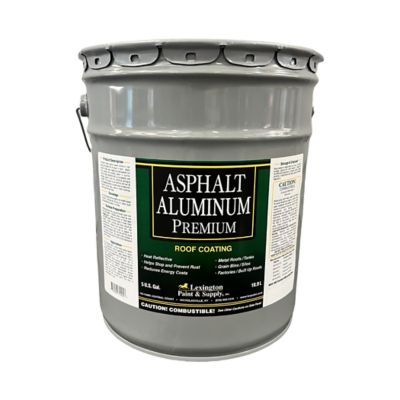
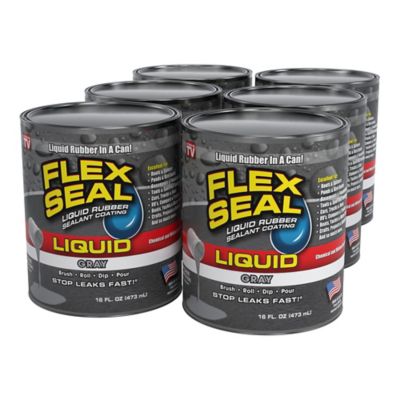
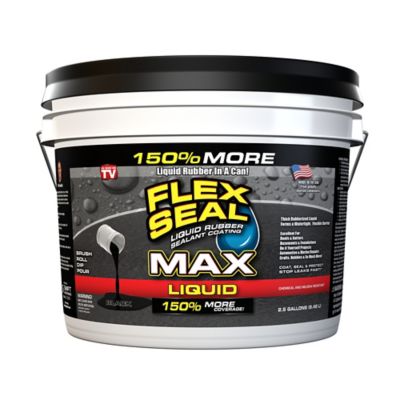
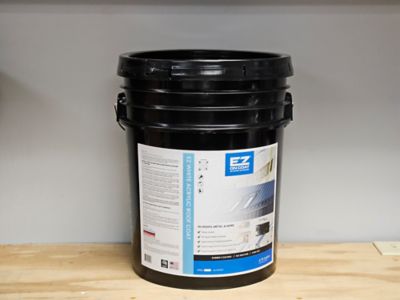
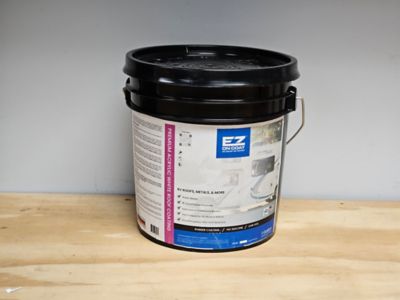
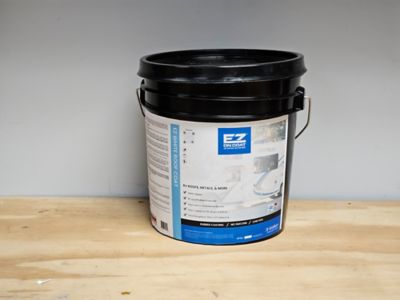
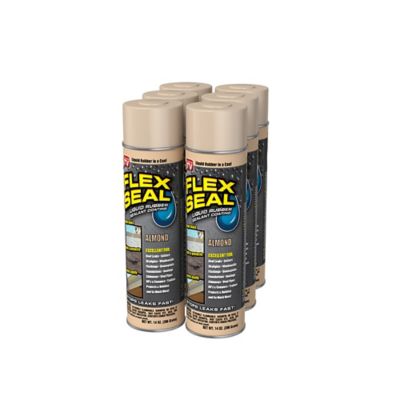
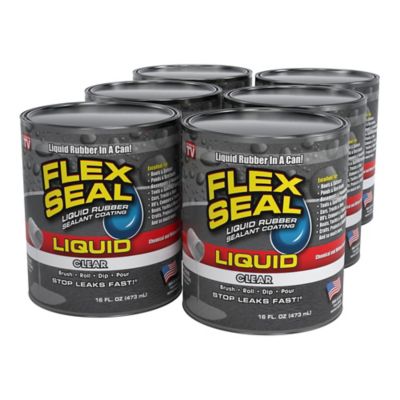
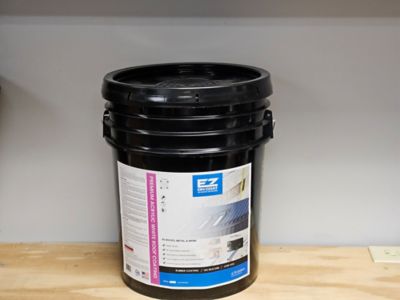
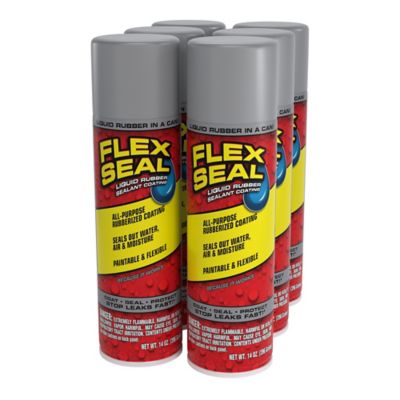
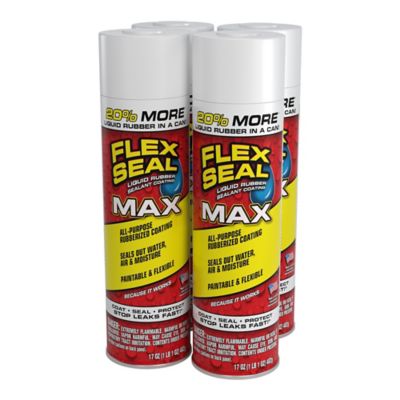
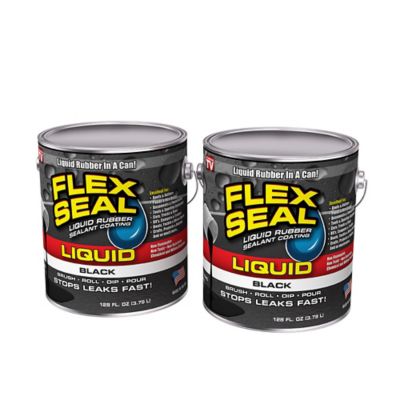
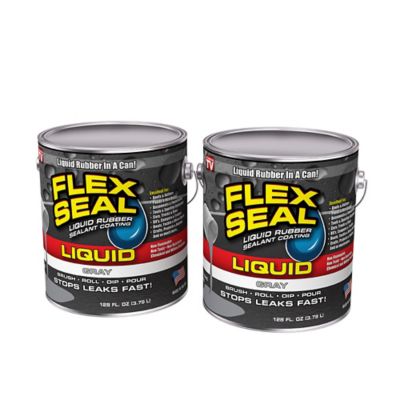
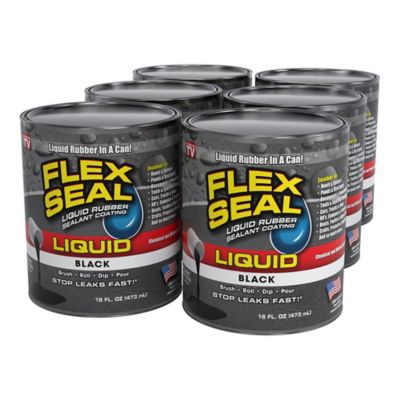
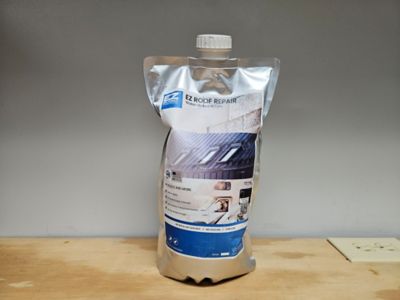
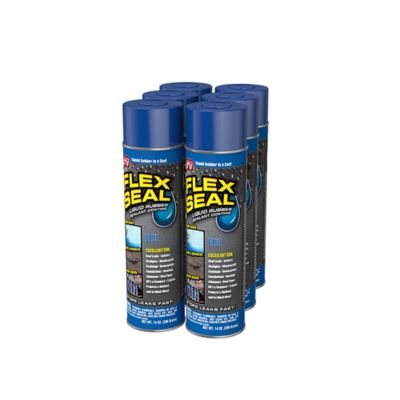
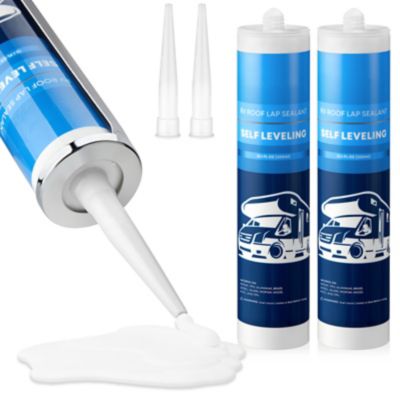
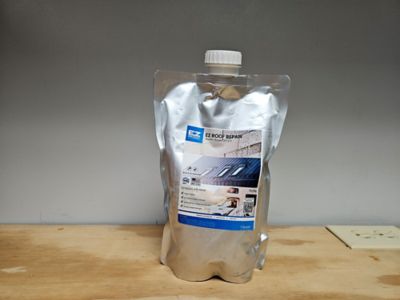
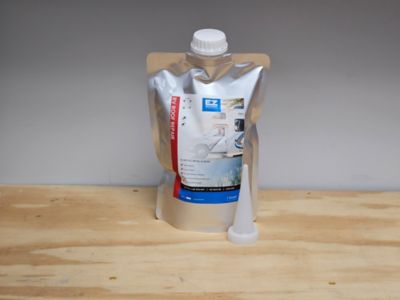
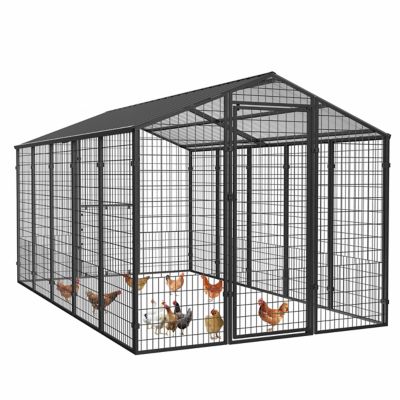
Roof coatings for metal roofs can help property owners, farm managers, shop owners, and maintenance crews address common roof concerns while extending the service life of an existing metal surface. These coatings are made to form a protective layer over roof panels, helping limit exposure to sunlight, rain, snow, wind, and changing temperatures. Some formulas focus on reflecting solar heat, while others are made to resist standing water, bridge small surface imperfections, or help seal areas affected by rust. The right choice depends on the roof’s condition, the local weather, the slope, and the main concern you are trying to address. A bright white acrylic or elastomeric coating may help reflect sunlight and reduce heat buildup in a building during warmer weather. Silicone coatings are often selected for roofs where water may collect, since they remain flexible and can handle repeated wetting. Rust-inhibiting coatings may be a practical fit for older panels with surface oxidation, provided loose rust and failing material are removed first. Roof coatings can be useful on homes, barns, sheds, workshops, agricultural buildings, garages, commercial structures, and outbuildings such as
Metal Roof Chicken Coops. They are generally a project purchase rather than a traditional gift, but they can make a thoughtful choice for someone caring for a homestead, rental property, farm, or small business building.
Before selecting a coating, inspect the roof from the ground and, when safe, from the roof surface to identify the problems that need attention. Look for rust spots, open seams, loose fasteners, cracked sealant, pinholes, chalking paint, and places where water remains after rain. A coating is not a substitute for replacing severely damaged panels or correcting major drainage problems. Active leaks should be traced and repaired before the field coating is applied, because simply covering a wet or failing area can trap moisture and lead to further trouble beneath the surface. Loose screws may need tightening or replacement, while panel seams, penetrations, and rusted pinholes may call for a compatible mastic, tape, or seam sealant. Check the coating label for its recommended uses and compatible substrates, especially if the roof has a slick factory finish or another coating already in place. A bonding primer may be needed to help the new layer adhere. Coverage matters, too. Measure the roof area rather than relying only on the building’s floor dimensions, since pitch, overhangs, ridges, valleys, and extensions can add considerable square footage. Product labels usually list coverage by gallon and may specify separate rates for the first and second coats. Buying enough material for the full system helps maintain an even film thickness instead of leaving thin spots across the roof.
Preparation has a major effect on the finished result. Dirt, bird droppings, mildew, loose rust, chalking paint, and other debris should be removed according to the coating manufacturer’s directions. Washing may be done with a pressure washer when the roof and surrounding structures can safely handle it, but care is needed around laps, flashing, vents, skylights, and fasteners where forceful water can drive moisture into openings. Allow the surface to dry fully before applying primer, seam treatment, or coating. Many formulas require a specific temperature range and a stretch of dry weather so the film can set properly. Cooler conditions, heavy dew, frost, and high humidity can slow curing, which is especially important during the transition into the colder season. Plan the work for a calm, dry period and keep an eye on the forecast through the expected cure time. Use proper fall protection, stable access equipment, gloves, eye protection, and ventilation, and follow all label instructions for mixing, application tools, recoat timing, and cleanup. A roller, brush, or sprayer may be suitable depending on the roof profile and product instructions. Corrugated panels, raised ribs, fastener heads, and tight corners often need extra attention to prevent holidays or missed areas. Periodic inspections after severe weather can help spot new rust, lifted seams, or damaged sealant early, giving you a chance to maintain the roof before a small issue spreads.