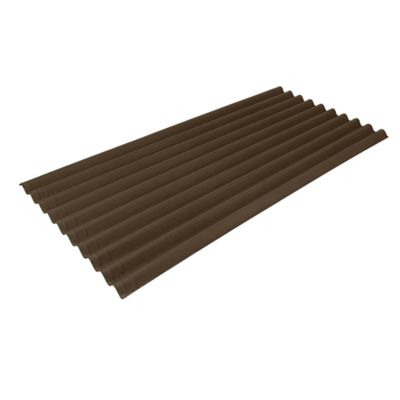
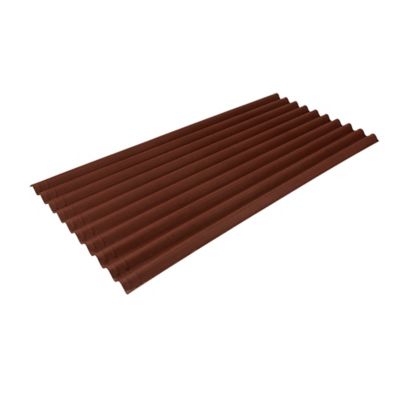
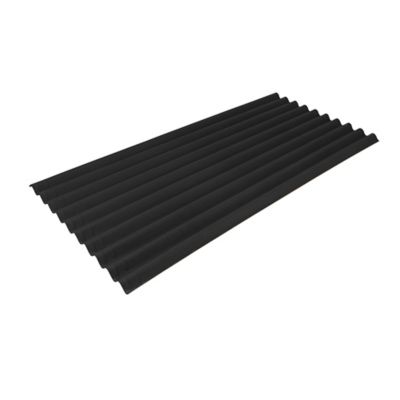
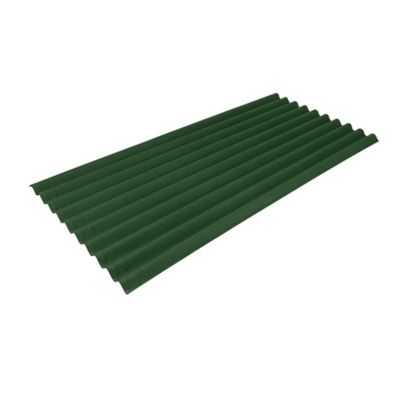
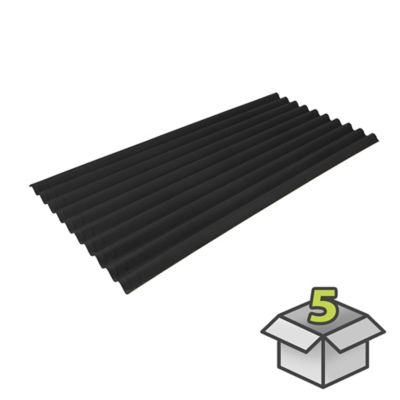
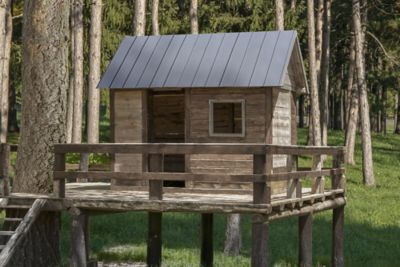
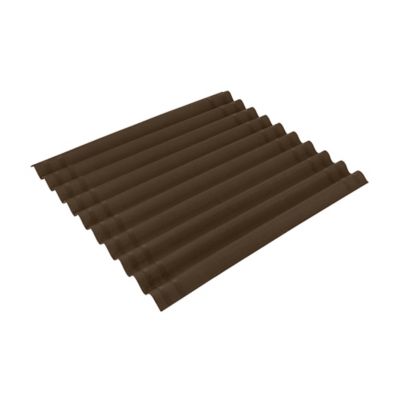
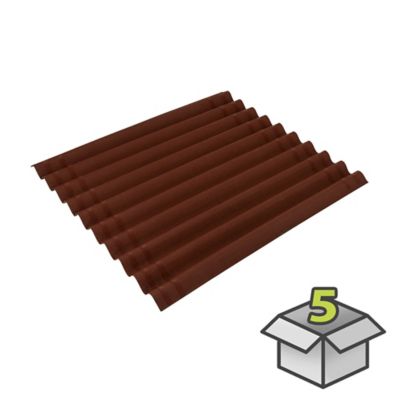
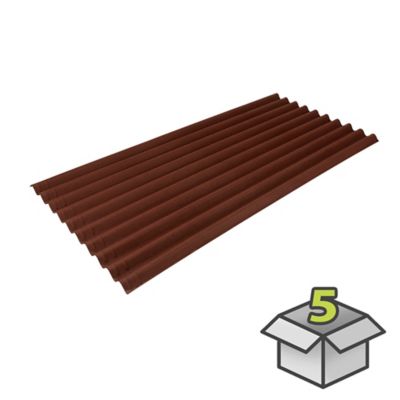
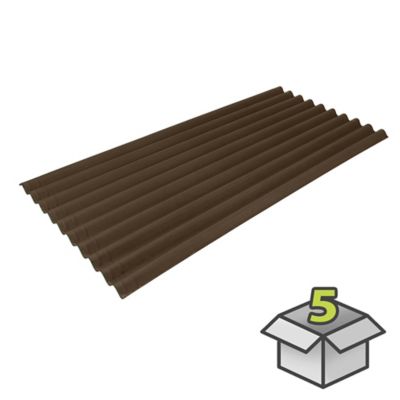
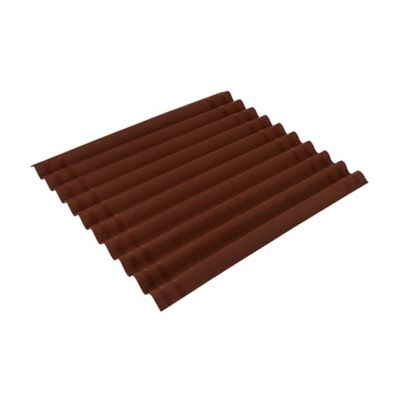
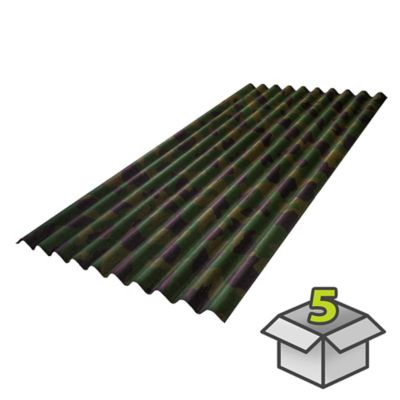
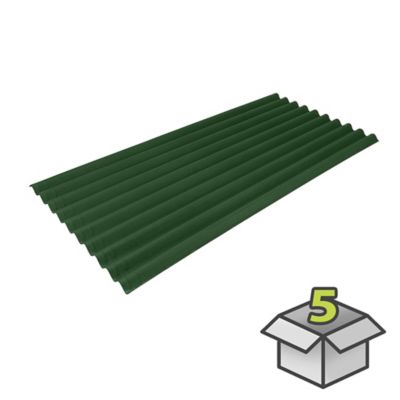
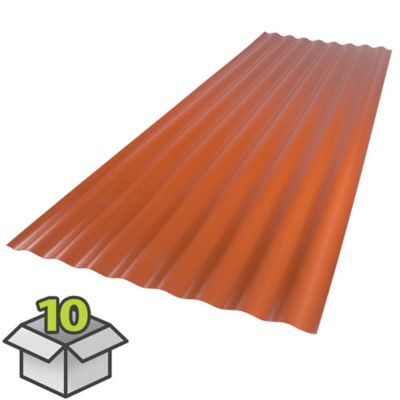
Corrugated asphalt roofing panels are a practical choice for covering sheds, barns, detached garages, carports, workshops, stables and other light-duty structures around the farm or property. Made from asphalt-infused organic fibers, these panels are lightweight, rust-resistant and easier to handle than many metal roofing materials. A typical sheet measures about 38 inches wide by 79 inches long and is roughly 1/8 inch thick, with about 10 corrugations running across the panel. Depending on overlap and the layout of the roof, one sheet may provide close to 17.7 square feet of net coverage. That makes it useful to compare the total roof area, the number of panels needed, and the extra material required for side and end laps before placing an order. It also helps to account for ridge caps, closure strips, roofing nails or screws made for corrugated panels, and any flashing needed around walls, vents or other roof openings. For a small shed tucked behind the garden, a chicken house, or a hay-storage lean-to, these panels can offer a clean, finished roof without the weight and sharp edges often associated with corrugated metal. Their dark or earthy colors can blend naturally with barns, wooded acreage and outbuildings, while a lighter or brighter color may help a workshop or storage building stand out. Because asphalt roofing panels do not rust or corrode, they are especially handy in areas where damp ground, animal housing or frequent rain can shorten the life of unprotected metal.
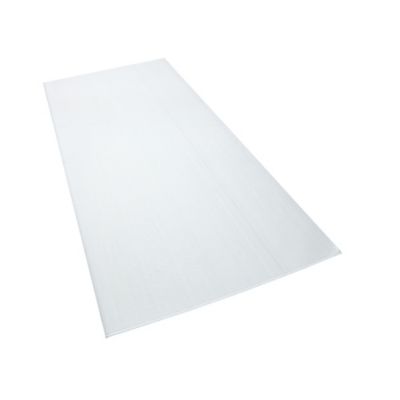
The light weight is one of the biggest advantages for property owners handling a roofing project with a small crew. A panel can generally be carried, positioned and fastened without the heavy lifting equipment required for some other roofing materials, which is helpful when the building sits at the back of a pasture or beyond a gravel drive. Corrugated asphalt also tends to be quieter in a rainstorm than metal, a welcome detail for anyone working in a shop, storing equipment under a carport, or caring for animals in a shelter during a summer downpour or the cooler, wetter months. Unlike metal, it does not radiate as much solar heat from the roof surface, which may make the space below feel more comfortable when the weather warms. The corrugated shape sheds water and adds stiffness, but the panels still need solid, properly spaced support. They are commonly installed over purlins, solid decking or suitable existing roofing, depending on the structure and the manufacturer’s instructions. Too little support can allow sheets to sag, bow or warp over time, especially where snow loads, standing moisture or wide spans are part of the picture. Correct fastener placement matters, too: overdriving a fastener can crush the corrugation and create a leak path, while too few fasteners may leave the roof vulnerable to wind. Check local building requirements, roof pitch, snow and wind conditions, and the installation instructions before covering a structure. These panels are generally intended for sheds, barns, agricultural buildings and similar outbuildings rather than primary residential living spaces, so homeowners should use an approved roofing system for a house or other occupied structure. For another lightweight roofing option that may suit utility projects, compare
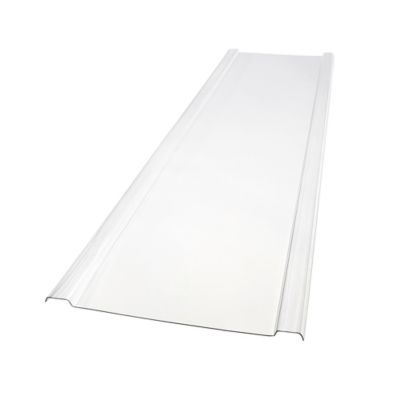
Plastic Roof Panels while considering the building’s exposure, support structure and desired appearance.
Corrugated asphalt roofing panels are well suited to practical people who would rather spend a Saturday improving a useful building than fussing over a complicated roof system. A landowner may use them to replace a weathered shed roof before stored tools and feed are exposed to autumn rain, while a hobby farmer may choose them for a tack room, run-in shelter or small equipment building. They can also make a thoughtful gift for someone who has recently bought rural property, added a garden shed, started raising chickens or taken on a workshop project; a stack of roofing panels paired with the right fasteners and trim is the kind of useful present that helps turn an unfinished outbuilding into a dependable part of the homestead. Before buying, measure each roof plane rather than relying on the building’s floor dimensions, and allow for overlap at the sides and ends. Look for panels that fit the roof’s color and slope, then consider how easily the sheets can be moved from the delivery area to the building. Store them flat and protected from damage until installation, and keep cut edges and penetrations carefully sealed according to the recommended method. During the warmer part of the year, avoid leaving panels in direct sun where they may become difficult to handle, and as conditions turn cooler, make sure the roof surface is dry and free of frost before working on it. A well-supported installation can provide a quiet, durable cover for the everyday places that keep a property running—from the shed where the mower rests to the barn corner holding fencing supplies, firewood or feed. With thoughtful measuring, suitable support and fasteners, and a roof design matched to the structure, these panels offer a straightforward way to protect outbuildings through changing weather.