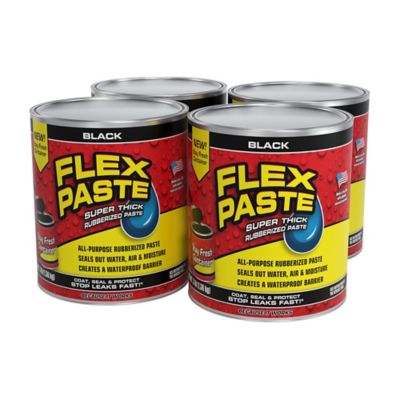
Roof coatings for flat roofs are liquid-applied protective layers that form a continuous film over a compatible roofing surface. They help limit water penetration, shield the surface from ultraviolet exposure, and support a longer service life when the underlying roof is sound. On a low-slope workshop, garage, farm office, or equipment shed, that protection matters to everything underneath, from stacked feed bags to workbenches and electrical tools. A flat roof generally has a slight slope toward drains, scuppers, or gutters, so a coating needs to suit both the roof material and its drainage conditions. The right match starts with knowing what is already overhead: metal, concrete, asphalt-based roofing, or a single-ply membrane such as EPDM or TPO. These surfaces do not all accept the same chemistry, and some need a designated primer or an adhesion test before a coating system is suitable. Existing layers matter, too, since a new coating must bond to the surface it actually touches, not just the original roofing beneath it. Think of a roof coating as a protective system rather than a catchall fix for every drip. Certain systems can seal small openings and help protect repaired seams, but a coating alone cannot correct sagging decking, saturated insulation, loose roofing, or poorly arranged drainage. A leak above the shop bench may start well away from the spot where water appears inside, making the roof’s overall condition more important than the size of the stain. For property owners, maintenance crews, and roofing contractors, useful selection details include approved substrates, water-resistance ratings, required film thickness, and whether seam treatments belong to the same system. Those details help distinguish a coating suited to routine roof protection from one intended for a more demanding restoration project. They also keep attention on the whole roof assembly, including edges, vents, and transitions, where a broad, open roof surface meets joints and penetrations.
Silicone, acrylic, polyurethane, and asphalt-based roof coatings offer different performance characteristics, and the formula matters more than a broad claim on the front of a container. Silicone coatings are known for ultraviolet resistance and flexibility, and many are rated for extended exposure to ponding water after curing. That makes them worth considering where shallow puddles linger, although their water tolerance does not remove the need for working drainage or structural repairs. Acrylic roof coatings are often water-based and reflective, with cleanup requirements that can be simpler than those of solvent-based materials. Many acrylic formulas are better suited to roofs that drain freely, because persistent standing water can undermine performance unless the manufacturer specifically approves that exposure. Polyurethane coatings can provide toughness and abrasion resistance, making certain systems a fit around service areas that receive occasional maintenance traffic. Some polyurethane systems combine a base coat and a separate finish coat to provide the intended balance of adhesion, strength, and resistance to sunlight. Asphaltic and bituminous coatings are another category, often associated with compatible asphalt-based roof assemblies; some include fibers or reflective aluminum pigments. Their suitability depends on the existing surface and the complete coating specification, not simply whether the roof looks dark or has an asphalt layer somewhere underneath. The term elastomeric describes a coating’s ability to stretch and recover, rather than identifying one particular chemistry. That flexibility can help a properly applied film accommodate normal movement, but it does not mean every elastomeric coating handles ponding water or bridges large gaps. White and other reflective finishes can reduce solar heat absorbed at the roof surface, though any effect on indoor comfort or energy use also depends on insulation, building design, and operating conditions. For a broader look at coatings intended to resist water penetration,
Waterproof Roof Coatings provides a related category to explore. Across coating types, stated limits for standing water, compatible primers, and future recoating deserve a close look. Even within the same material family, formulations can differ in ways that affect the roof’s long-term upkeep.
Practical fit also comes down to coverage, application requirements, and the kind of work the building supports. A smooth membrane roof and a rough, textured surface can take different amounts of coating to reach the same specified film thickness. Published coverage figures need to be read alongside the required number of coats, the target dry film thickness, and any allowance for surface texture. A thin coat stretched over too much area may look finished without providing the intended protection. Roof size is only part of the picture: parapet walls, raised curbs, pipe penetrations, and other details add surface area and may call for reinforcing fabric, compatible sealant, or separate flashing materials. For a shed with several roof vents or a shop with rooftop equipment, those transitions can take as much attention as the open spans. Application methods also vary, with certain coatings suited to rollers, brushes, squeegees, or appropriate spray equipment. Surface preparation, drying requirements, application temperature limits, and cure times affect whether a system fits the job and the work schedule. A surface that appears dry on top can still have moisture trapped beneath it, which is one reason questionable roof conditions call for assessment before recoating. Once the coating is in service, routine care remains part of protecting the building. Clear drains, removal of accumulated debris, and checks around seams and flashing help reveal trouble before it spreads. Branches scraping a low roof, tools dragged across the surface, and repeated trips to service equipment can all damage a protective film. Designated walk pads may be appropriate where the roof system permits them, since a roof coating is not automatically a walking surface. Roof access also brings fall hazards, and some coatings become slippery when wet; larger repairs and uncertain roof conditions are jobs for a qualified roofing professional. Keeping a record of the coating type, primer, and application date makes later touch-ups and recoating easier to plan. For buildings that need to keep working day after day, a compatible coating system paired with sound drainage and regular attention offers a practical way to care for a flat roof without overlooking the structure beneath it.