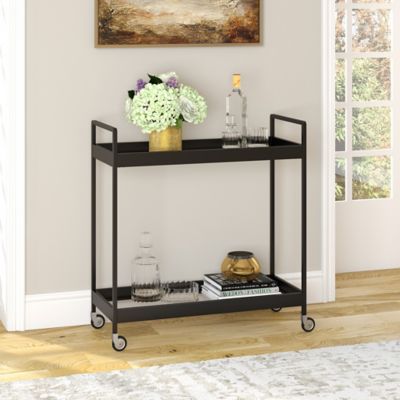
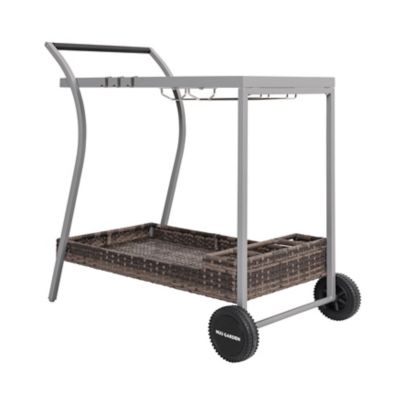
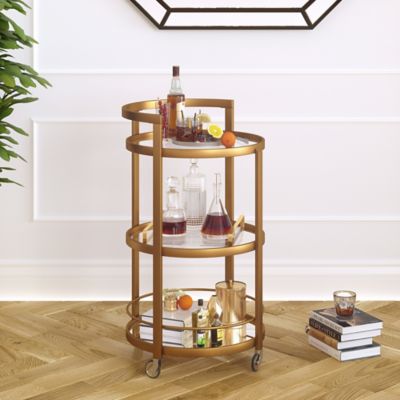
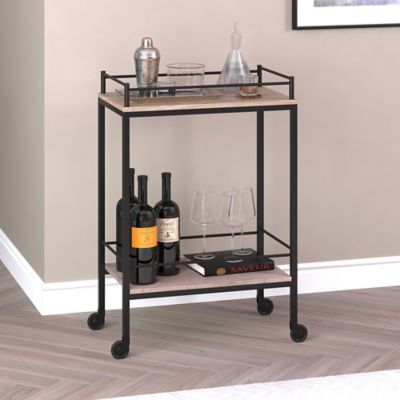
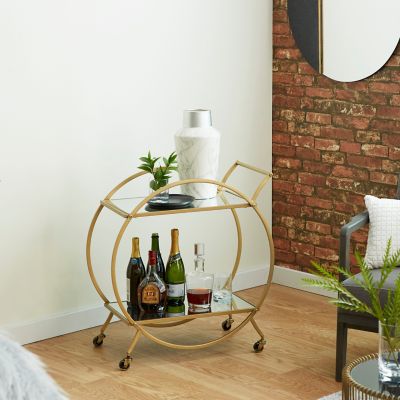
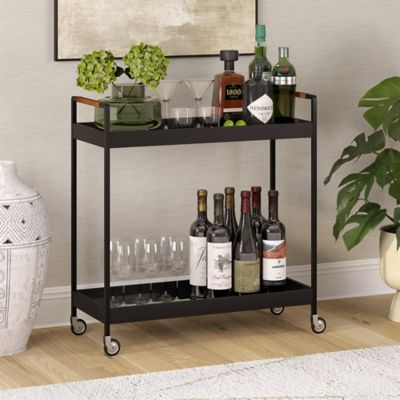
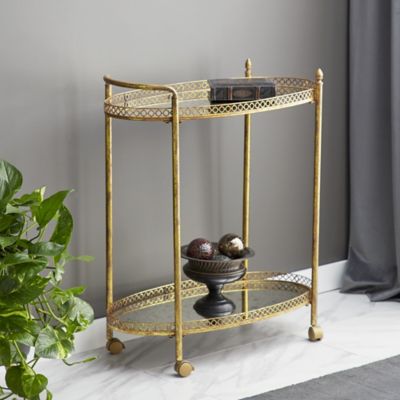
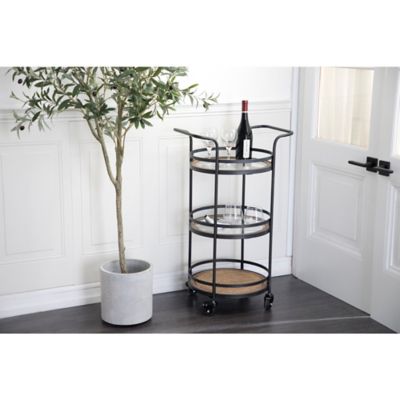
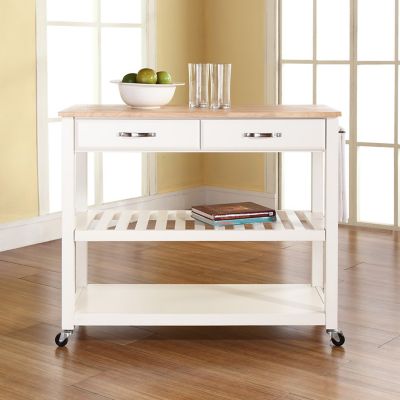
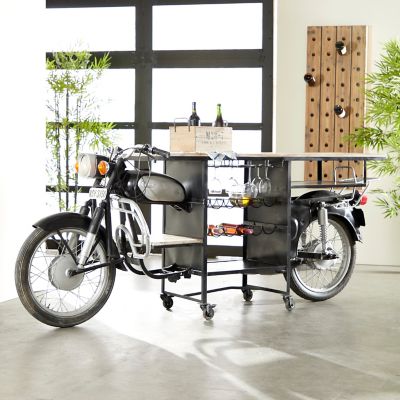
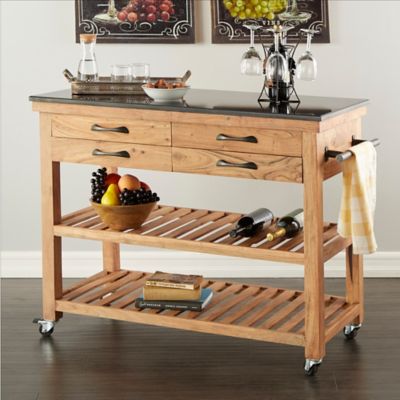
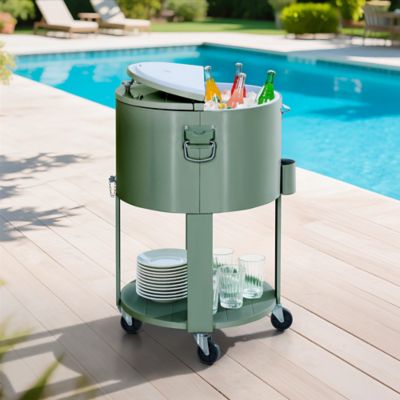
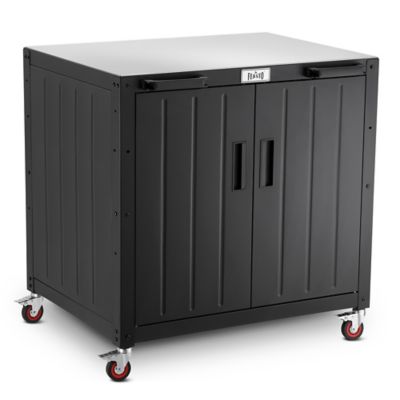
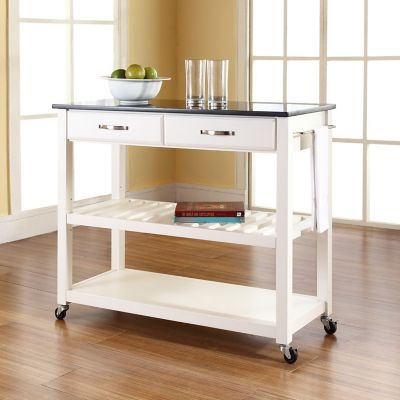
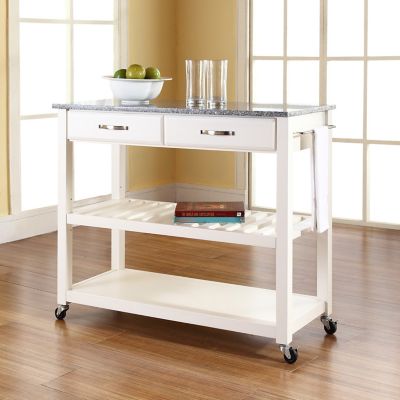
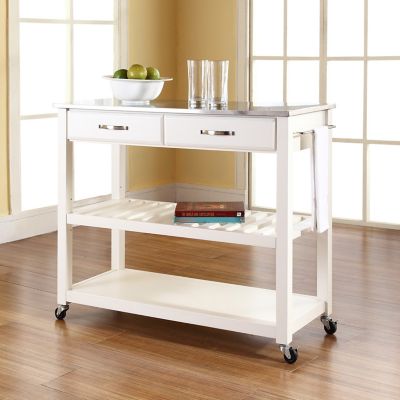
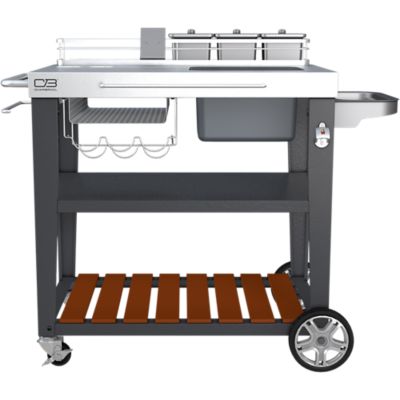
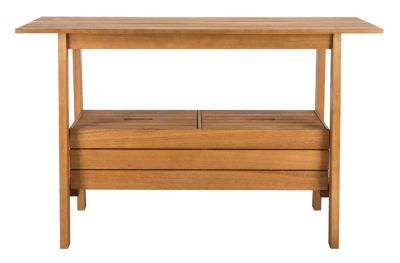
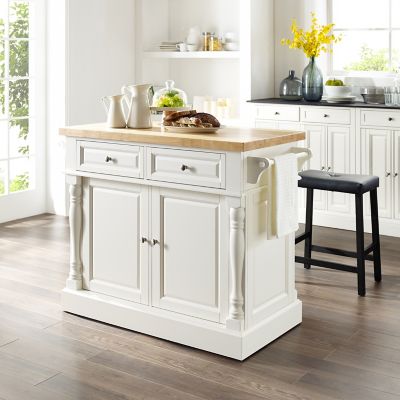
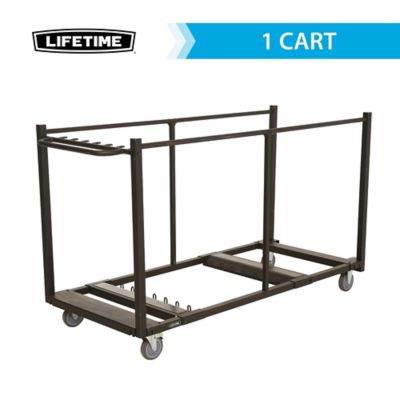
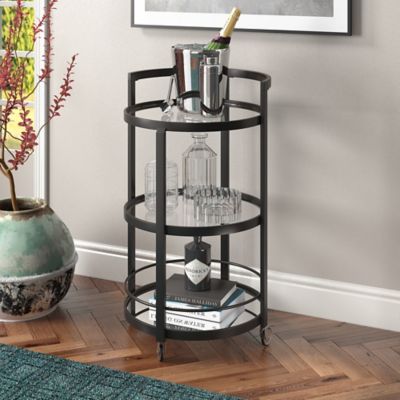
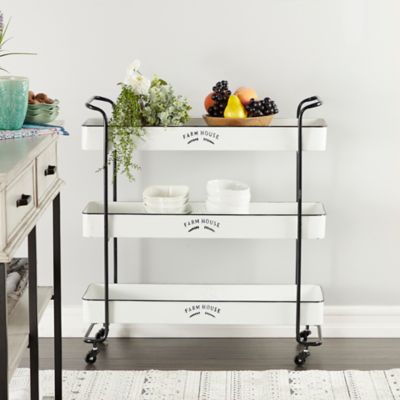
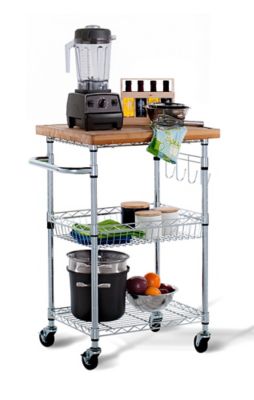
Rolling bar carts bring drink storage, serving space, and easy movement together in one freestanding piece of furniture. A typical design pairs two or more shelves with caster wheels, giving bottles, glasses, pitchers, and serving supplies a place to settle without taking over the kitchen counter. Some designs add stemware racks, bottle cradles, raised shelf edges, or removable trays, while others keep things open for flexible storage. That makes a rolling beverage cart handy for much more than evening drinks. It can hold coffee mugs and tea supplies beside the breakfast table, carry lemonade to a gathering, or keep cider fixings close during the cooler months. In a farmhouse dining room, a cart can tuck against an open wall between meals and roll nearer the table when company arrives. In a smaller home, it adds storage without calling for a built-in cabinet or a permanent island. The layout makes a difference in everyday convenience: an open top leaves room to pour and serve, a middle shelf keeps glasses within reach, and a lower shelf gives heavier bottles or pitchers a steadier resting spot. A handle offers a comfortable place to steer, and a removable tray can carry a few drinks from the cart to the table without moving the whole setup. Raised edges help keep small supplies contained, though they do not replace careful movement. For folks who entertain now and then rather than every weekend, a cart can earn its space as an everyday coffee station or a home for table linens and serving bowls. It also makes a practical housewarming or wedding gift for someone who enjoys hosting, especially when its size and finish suit the home. Whether the setting is a roomy country kitchen or a compact dining nook, the appeal is the same: useful storage that can move with the gathering instead of keeping everyone crowded around one counter.
Materials shape both the look of a rolling bar cart and how it stands up to spills, frequent handling, and a full load of serving supplies. Steel frames offer firm support, while powder-coated finishes provide a protective layer that still needs attention if the surface becomes chipped or scratched. Solid wood brings visible grain and a warm feel that sits comfortably beside a farmhouse table, but its finish determines how well it handles damp glasses and everyday cleanup. Engineered wood shelves can provide a smooth, consistent surface; exposed edges and seams need protection from standing water. Glass shelves lend a lighter appearance and make spills easy to spot, although fingerprints and water marks tend to show. Tempered glass is stronger than ordinary glass, but it still needs protection from hard knocks, damaged edges, and loads beyond the stated limit. Whatever the material, coasters beneath drinks and a tray under bottles help catch drips before they reach the shelf. Hot coffee pots and serving dishes need heat protection appropriate to the surface, rather than direct contact with wood, glass, or a coated top. For routine care, a soft cloth and the cleaning method specified for the finish are a better fit than abrasive pads or harsh cleaners. Spills deserve prompt attention, particularly around shelf joints and metal fasteners. Construction matters just as much as the finish: well-secured shelves, firmly attached handles, and caster mounts that stay tight help a cart feel steady through repeated trips across the room. Published weight limits may apply separately to each shelf and to the whole cart, so both figures matter when planning storage. A collection of full bottles can weigh more than it looks. Heavier loads belong low and spread evenly, with lighter glasses and napkins above. Indoor bar carts also need shelter from rain, dew, and temperature swings; a metal frame alone does not mean a cart is suited to porch or patio storage.
Fit comes down to more than finding an empty patch of wall. Overall width and depth include projecting handles, rails, and bottle holders, while working room includes enough space to reach shelves and turn the cart without bumping chair backs. Shelf clearance matters for tall bottles, upright tumblers, pitchers, and coffee supplies, and stemware racks need openings that suit the bases of the glasses they will hold. A slim cart may slip neatly beside a sideboard but offer less room for arranging drinks on top; a broader cart provides more serving space but needs a wider path through the room. For a serving station centered on meal prep and everyday kitchen routines,
Kitchen Bar Carts offer a closely related way to think about movable storage near the counter or dining table. Wheel design deserves attention wherever a cart will travel. Swivel casters help with steering around furniture, while larger wheels generally handle small floor transitions more easily than tiny ones. Rugs, doorway thresholds, and uneven boards can still catch a wheel or jostle glassware, so a clear, level route makes serving simpler. Wheel materials also affect how a cart moves across flooring; check that the casters suit the surface beneath them, and keep wheels free of grit that could leave scratches. Locking casters help hold the cart in place when pouring or reaching for supplies, though brakes do not prevent tipping or make a cart safe to lean on. Children should not climb or ride on it, and alcohol, breakable glasses, and sharp serving tools need storage out of their reach. Before moving a loaded cart, close bottles, secure loose supplies, and remove anything that could spill or topple. A slow trip with both hands on a proper handle beats trying to steer with a pitcher in hand. With sensible loading and a spot that leaves walkways open, a rolling bar cart can make everything from a quiet morning cup to a full table of guests feel a little less crowded.