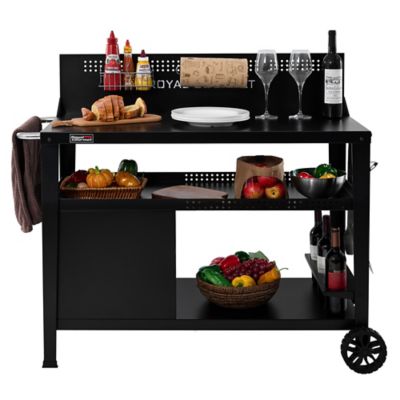
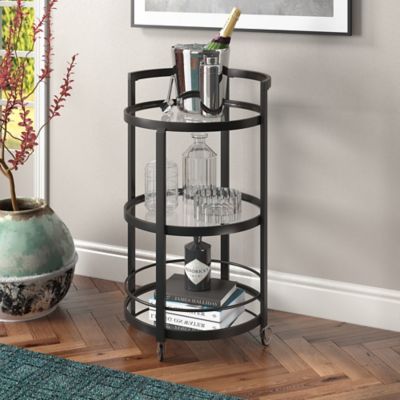
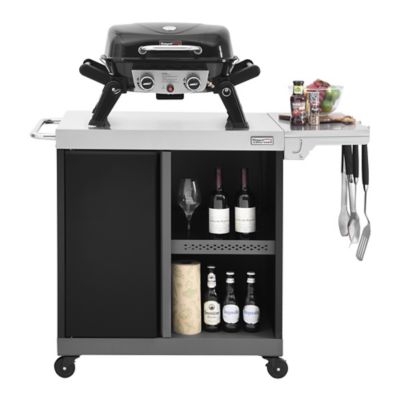
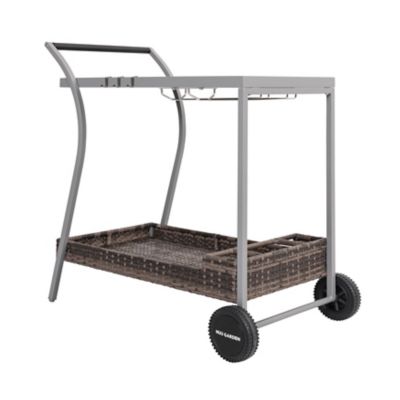
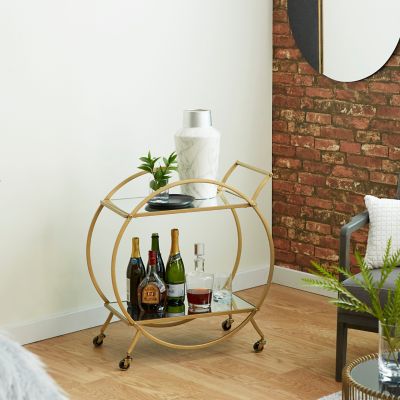
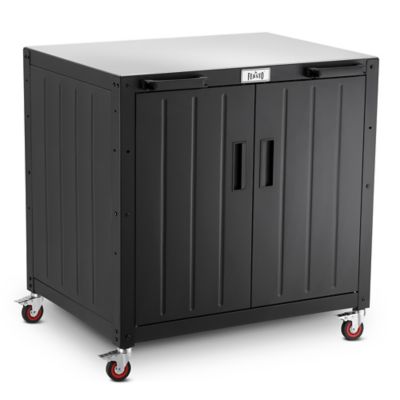
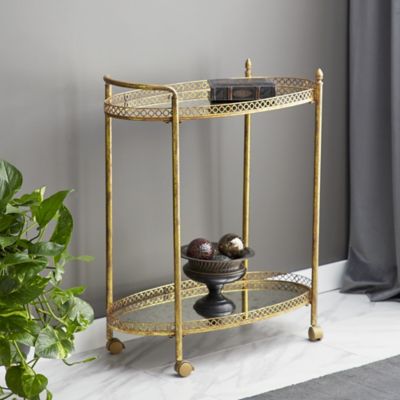
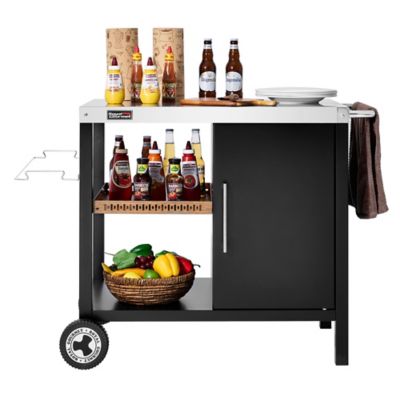
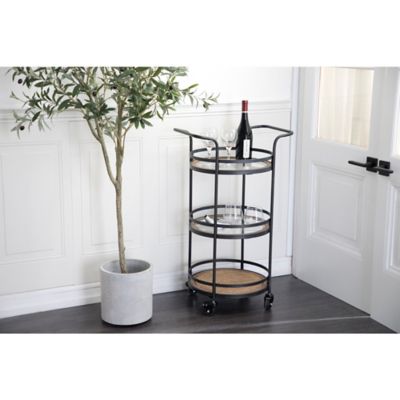
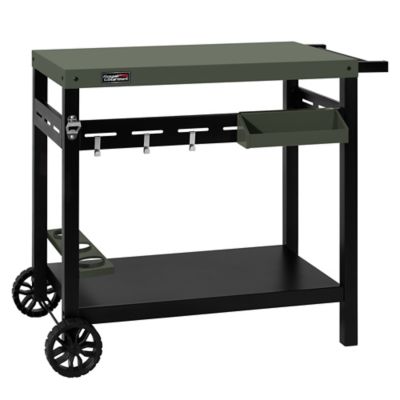
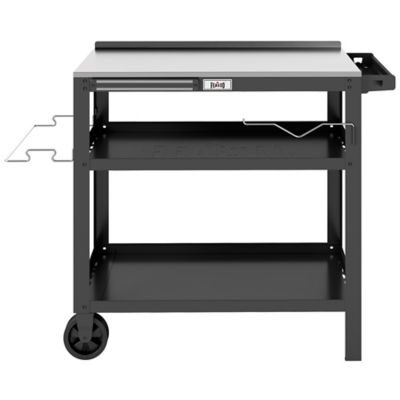
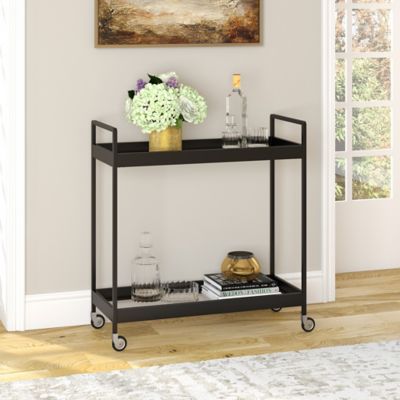
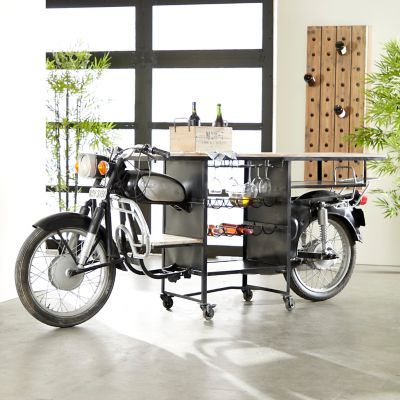
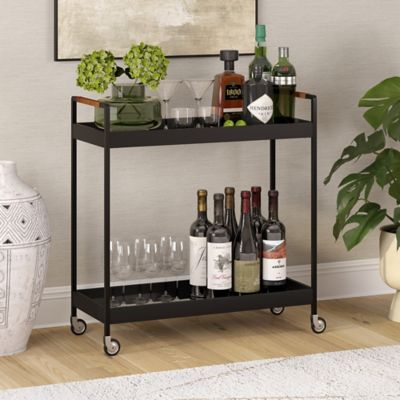
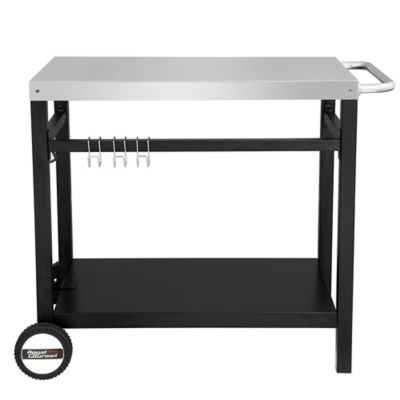
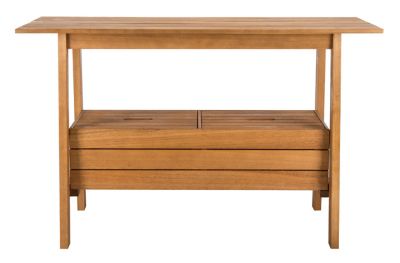
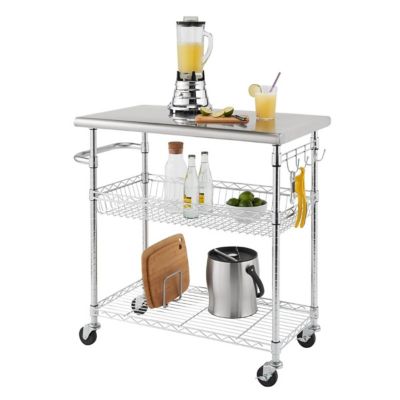
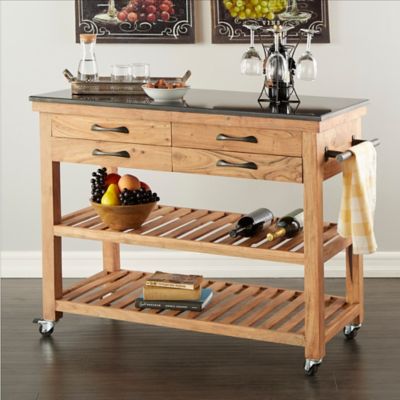
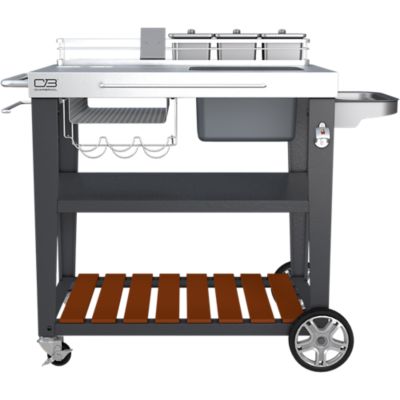
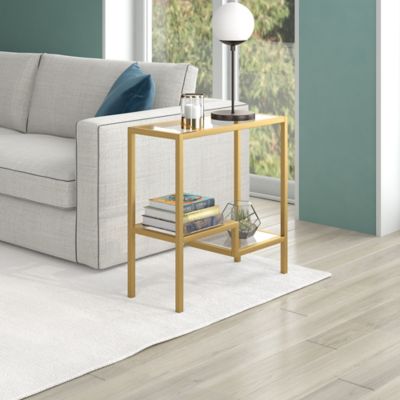
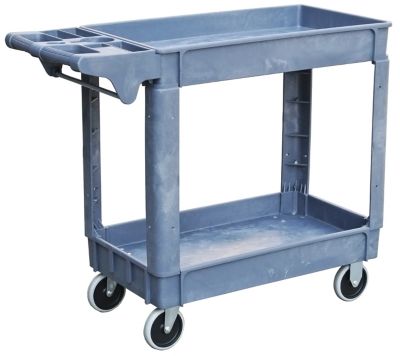
A serving cart is a wheeled piece of furniture with shelves or a work surface for carrying food, drinks, dishes, and serving supplies between spaces. It brings a little extra elbow room to a busy kitchen and keeps supper essentials close to the table without taking up a permanent stretch of counter. Serving carts can act as a sideboard for family meals, a rolling station for a potluck spread, or a handy landing spot for plates and pitchers when company comes over. Open shelves make contents easy to see and reach, while drawers or enclosed sections keep smaller supplies tucked away. A compact cart can fit beside a kitchen cabinet, while a wider design may suit a dining room wall or an open gathering area. The useful measurements go beyond the top surface: overall width, depth, height, and handle placement all affect how a cart fits into everyday life. There needs to be room for the cart to travel through doorways and around chair backs, plus enough clearance to open nearby cabinets. Shelf spacing matters, too. A tall pitcher, covered cake stand, or stack of dinner plates takes up space differently than folded napkins and small bowls. A comfortable top height makes setting down a platter easier, especially when the cart sits beside a dining table or kitchen counter. Wheels, often called casters, are central to how the cart handles. Wheel size and material affect movement across tile, wood, and other flooring, and raised thresholds can interrupt an otherwise clear route. Locking casters help hold the cart in place during serving, though the locking arrangement varies by design. For a cart that will carry full pitchers or several dishes, the stated weight limits for individual shelves and the whole unit deserve attention. Heavier pieces generally belong on lower shelves to help keep the load balanced, with nothing hanging beyond the edges where it could catch a passing sleeve.
Materials give serving carts much of their character, but they also shape cleaning needs and everyday upkeep. Wood brings a warm look that sits comfortably alongside a farmhouse table, painted cabinets, or a simple dining bench. Its finish matters as much as its appearance: standing water, spilled drinks, and heat can mark some wood surfaces, so coasters, trivets, and prompt cleanup help protect the top. Engineered wood also calls for care around seams and edges, where moisture can cause swelling if it gets beneath the finish. Metal frames offer a different feel, ranging from slim, open shapes to substantial kitchen-style construction. Stainless steel surfaces can suit frequent wiping, but care directions still matter because harsh cleaners and abrasive pads may damage a finish. Painted or coated metal benefits from gentle cleaning and attention to chips that expose the material underneath. Glass shelves give a cart an open appearance and let the room show through, although fingerprints, crumbs, and water spots tend to be easy to notice. Glass thickness, shelf supports, and stated load limits are more useful considerations than appearance alone. Across materials, a steady frame, secure shelf connections, and firmly attached casters contribute to how the cart stands up to repeated movement. Rails or raised shelf edges can help contain small supplies, but they do not replace careful loading or a slow turn around a corner. A removable tray can make carrying napkins or cups to the table simpler when that feature is part of the design. Not every cart top is intended for chopping, direct food contact, or hot cookware; those tasks depend on the surface and the maker’s stated uses. Routine care usually centers on wiping away spills, drying surfaces, clearing debris from wheels, and checking fasteners as directed. For patios or other outdoor settings, the cart’s stated placement rating matters, since an indoor finish is not automatically suited to outdoor exposure. These details help a serving cart stay useful well beyond its first gathering.
The best role for a serving cart often comes down to what tends to crowd the kitchen. In a home where coffee cups gather beside the sink, a cart can organize mugs, napkins, and serving pieces in one place. For folks who host Sunday supper, it can carry extra plates and utensils from the kitchen, then park near the table for second helpings. During a buffet-style meal, keeping drinks on a separate cart can leave more room around the main dishes and spread out foot traffic. Shoppers planning a station mainly for pitchers, bottles, cups, and drink accessories can also explore
Beverage Carts for that serving focus. Shelf height and storage layout make a difference here: tall bottles need upright clearance, stemware needs a secure place, and a filled dispenser requires a surface rated to support its weight. Cup holders, glass racks, towel bars, or bottle compartments serve different purposes, so their value depends on the supplies that need a home. A cart with an open top may suit a changing mix of serving dishes better than one divided into fixed compartments. Between gatherings, the same cart can hold everyday tableware, serving bowls, or neatly arranged linens, provided its storage stays within the stated limits. Keeping frequently reached-for supplies near the front makes the cart easier to work around without unloading a shelf. In homes with children or pets, placement also matters; breakable pieces and anything that could spill belong where they are less likely to be bumped or pulled down. Serving carts can make practical housewarming or wedding gifts for people who enjoy feeding a crowd, especially when the footprint and finish fit their home. Whether it spends most of its time beside a farmhouse table or moves between the kitchen and dining room, a thoughtfully chosen cart gives serving pieces a place to land and keeps the path from stove to table a little less crowded.