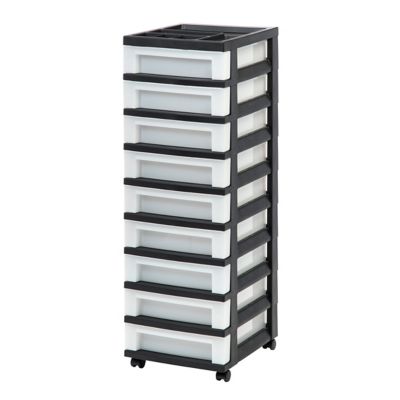
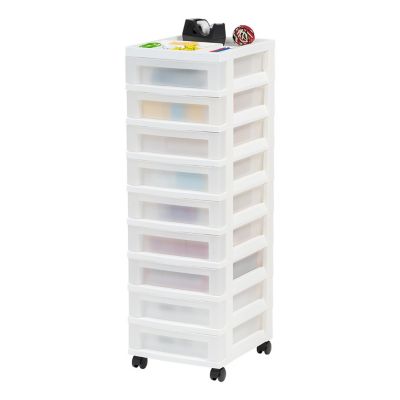
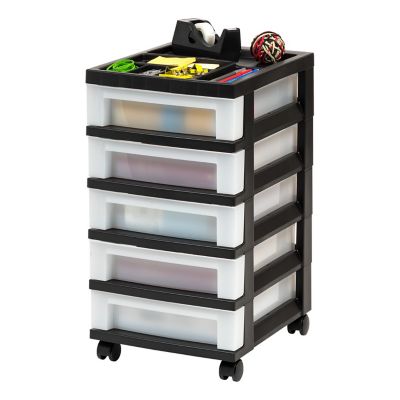
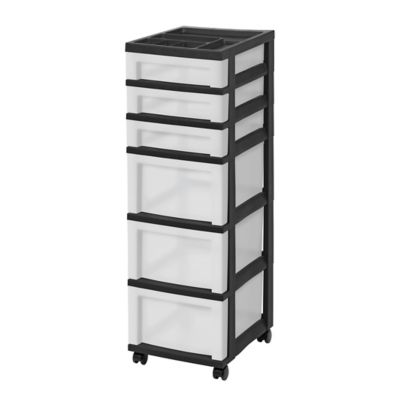
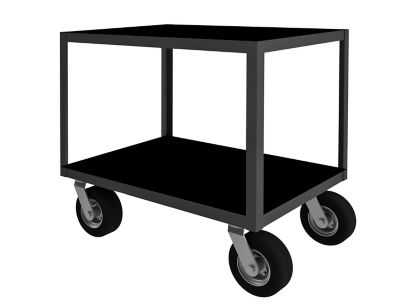
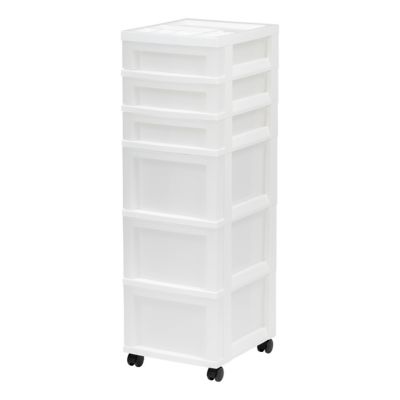
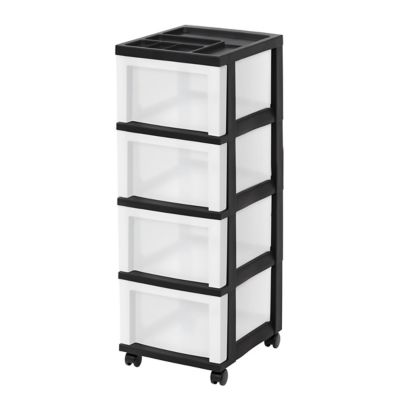
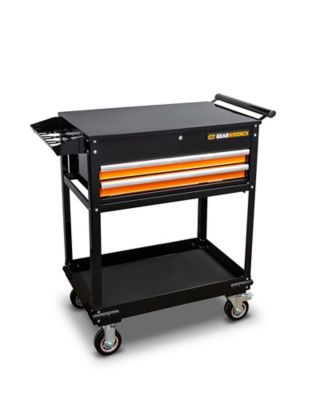
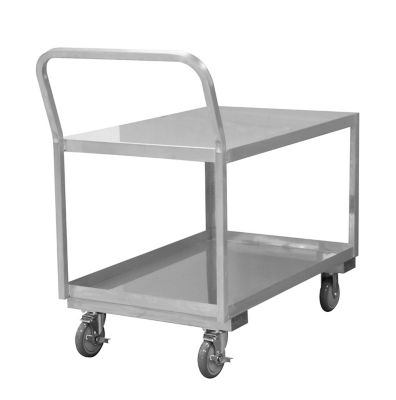
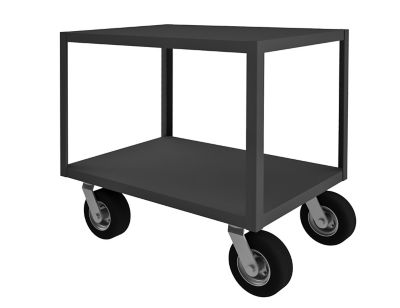
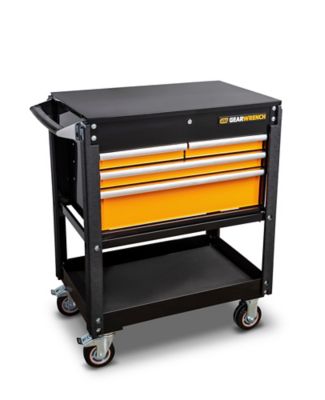
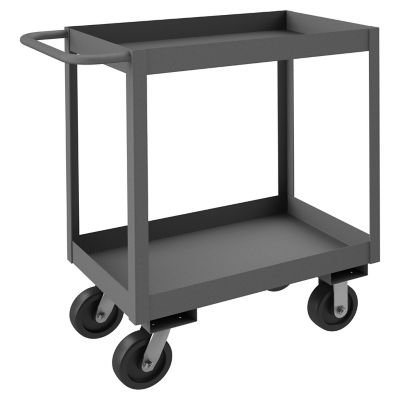
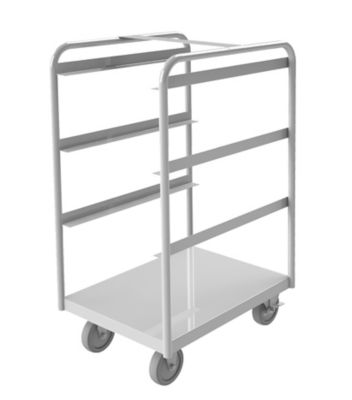
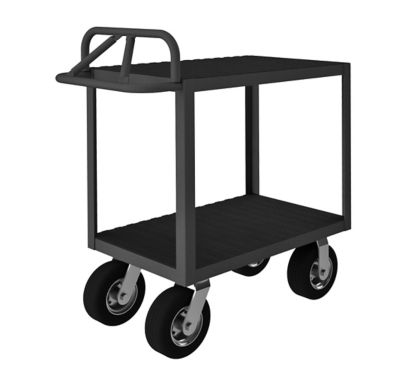
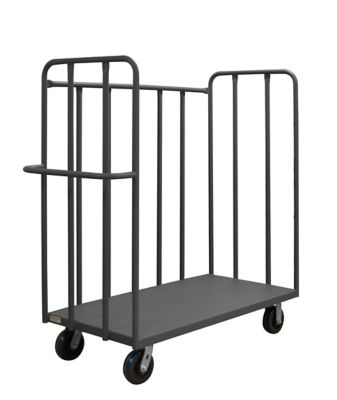
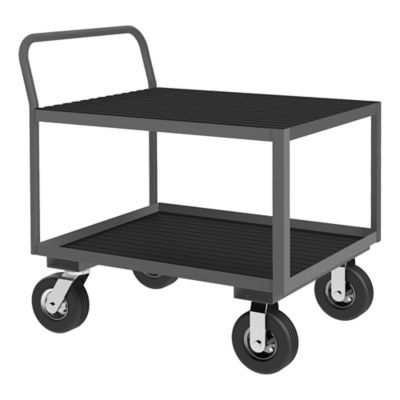
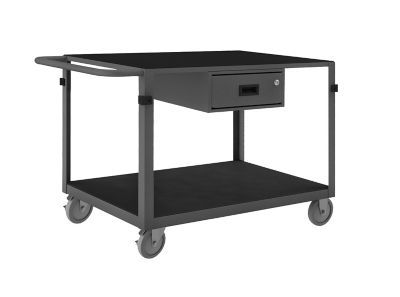
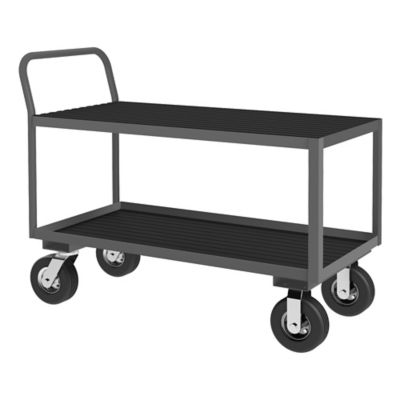
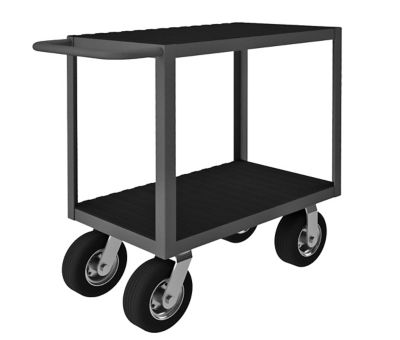
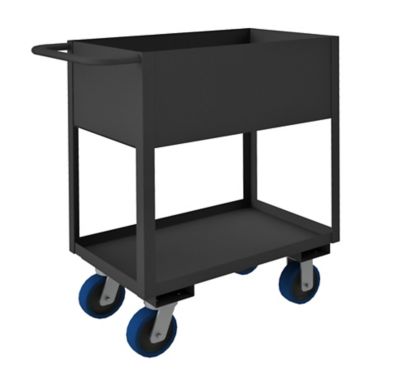
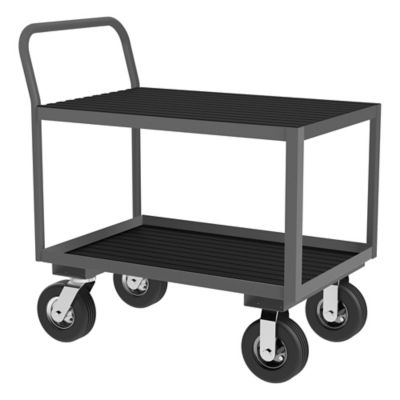
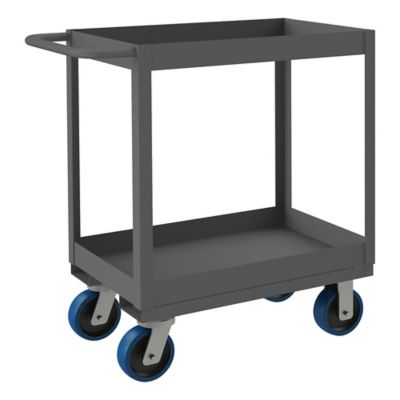
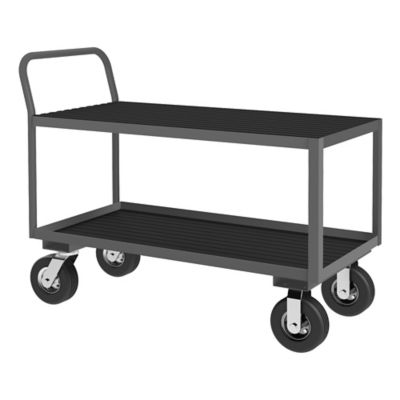
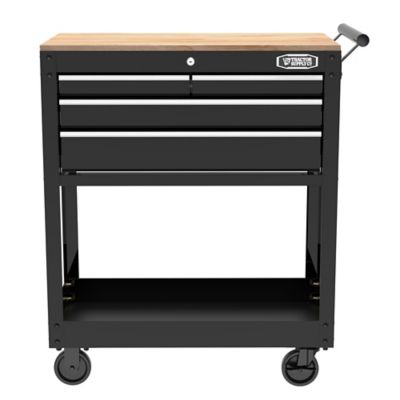
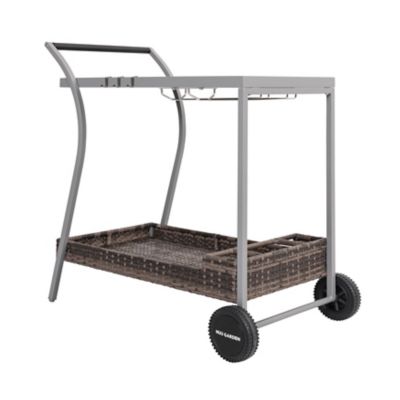
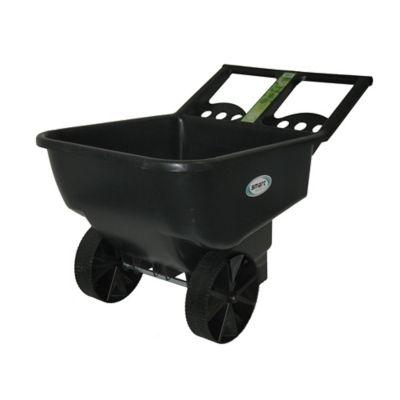
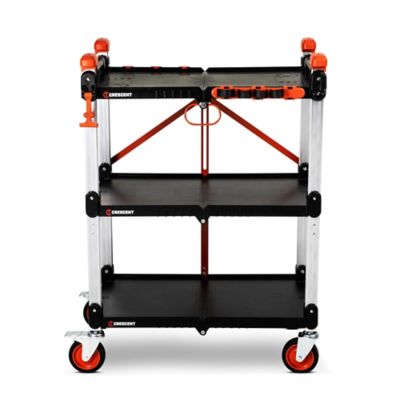
Rolling storage carts are movable shelving or drawer units that keep supplies organized and close at hand. Mounted on casters, they bring storage to the task instead of tying it to one spot along the wall. That makes them handy in a garage, workshop, laundry room, kitchen, craft room, or tack room, especially when several jobs share the same space. A cart can hold grooming brushes beside a stall, carry sewing supplies from a closet to the kitchen table, or keep cleaning cloths and bottles together between chores. Open shelves offer a clear view of what’s on board, while drawers separate smaller supplies that tend to disappear in a crowded cabinet. Shallow drawers suit things such as pencils, fasteners, and sewing notions; deeper drawers leave room for folded towels, bottles, and larger supplies. Raised shelf edges can help keep loose contents from sliding off, though small parts still benefit from divided containers. Basket-style tiers allow airflow and make it easier to spot what’s tucked toward the back. Solid shelves provide a steadier resting place for containers with narrow bases. Some rolling storage carts combine a flat top with storage underneath, creating a place to set down a project while keeping the next supplies within reach. A slim cart can make practical use of a gap beside a workbench or laundry appliance, provided there’s enough clearance to roll it out and reach its contents. Wider carts offer more room to spread things out, but they also need more turning space. For households where the dining table doubles as a project bench, a portable storage cart gives supplies a home when the work is done. The appeal is straightforward: less hunting through scattered boxes, fewer trips back to a cabinet, and a setup that can move when the job does. For anyone sharing a work area, separate shelves or drawers can also help keep each person’s supplies from getting mixed together.
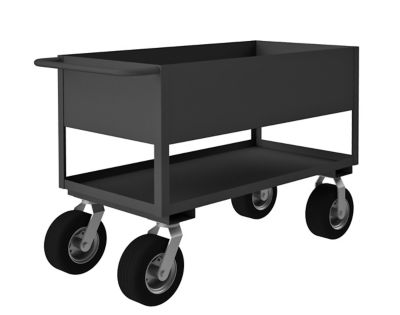
Materials and construction shape how a rolling cart fits into the workday. Steel frames and shelves are common choices for workshop storage, where hardware, tools, and equipment can add considerable weight. A painted or powder-coated finish provides a barrier over the metal, but scratches and chipped areas still deserve attention, particularly where damp supplies might sit. Plastic storage carts offer wipe-clean surfaces and often weigh less, making them practical for household supplies, craft materials, and other lighter loads. Wire shelves keep contents visible from several angles, while solid trays catch small bits that might otherwise fall through. Wood tops provide a broad surface for sorting or setting supplies down, with care needs that depend on the finish. No material alone tells the whole story: frame design, shelf support, drawer hardware, and the stated load limits all contribute to how a cart handles its contents. A shelf full of shop towels puts different demands on a frame than containers of bolts or a collection of power tools. For work centered on sockets, wrenches, and repair equipment,
Tool Carts are a related option worth considering alongside general-purpose storage. Wheel construction matters just as much as the storage above it. Swiveling casters help a cart turn around benches and shelving, while wheel diameter and tread material influence how it moves over floor joints and small thresholds. A cart that rolls easily across a smooth kitchen floor may not travel the same way across rough concrete. Locking casters help hold a cart in place when parked, but they don’t make it suitable as a step stool or a seat. Handles offer a clear place to push and steer without pulling on a drawer or leaning against the contents. Heavier supplies belong low on the cart, within the manufacturer’s total and individual shelf limits, to help keep the load balanced during movement. Tall containers and stacked bins also need enough room to sit securely without hanging over the edges.
A good fit involves more than finding an open patch of floor. Overall width, depth, and height determine whether a cart can park beneath a counter, clear a doorway, or sit beside a bench without crowding the walkway. Handles and casters can extend beyond the shelves, and drawers need room to open fully. Shelf spacing makes a difference, too: a cart that holds folded cloths neatly may not have enough clearance for upright spray bottles or tall containers. In a craft room, closely spaced drawers can keep thread, paper, and small tools separated. In a laundry area, open tiers can put frequently reached-for supplies near the machines without filling the folding surface. A cart in a tack room can gather brushes, combs, and clean cloths in one place, with separate containers keeping grooming supplies apart from other barn necessities. These everyday details often matter more than simply choosing the largest cart that will fit. Cleaning and upkeep should suit the setting as well. Smooth trays and removable bins, where included, make spills and stray bits easier to reach. Dry surfaces help prevent residue from building up beneath bottles, and hair, thread, or twine wrapped around caster axles can interfere with movement. Metal finishes benefit from gentle cleaning that won’t scrape away their protective coating; wood surfaces need care suited to their finish rather than prolonged soaking. Drawer stops, shelf fasteners, and caster attachments also deserve occasional attention according to the manufacturer’s directions. Where children or animals share the space, sharp tools, medicines, and cleaning chemicals still need appropriate secure storage rather than an open, reachable shelf. A rolling organizer can make a thoughtful gift for a gardener, hobbyist, or busy household member when its dimensions and layout match the work they enjoy. Whether parked beside a project table or rolled between chore stations, a well-matched cart keeps everyday supplies together without giving up the flexibility of an open floor.