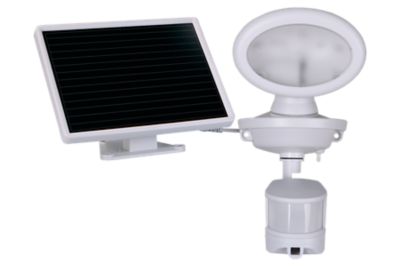
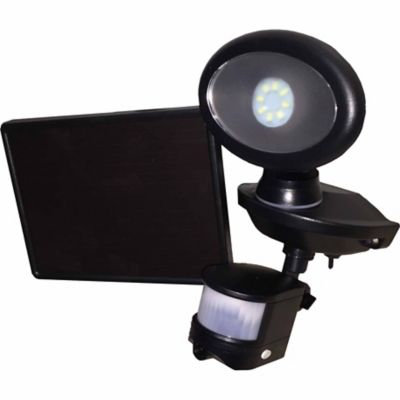
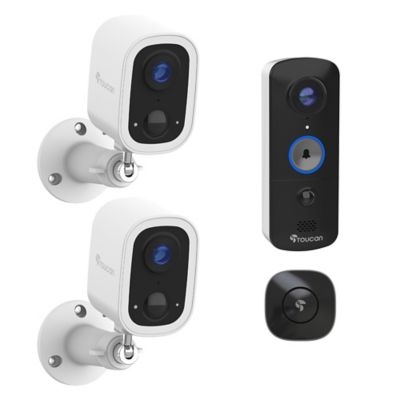
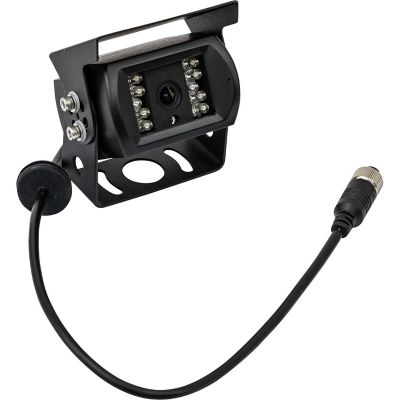
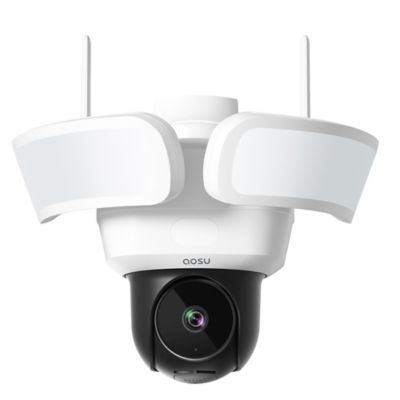
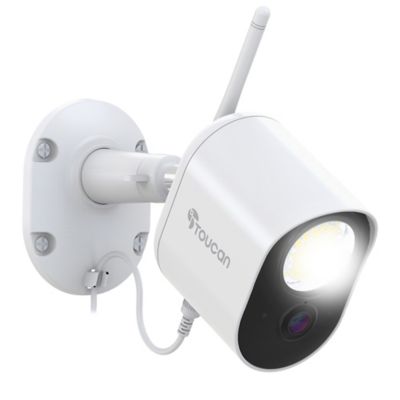
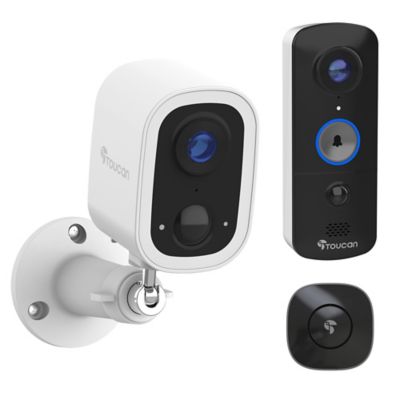
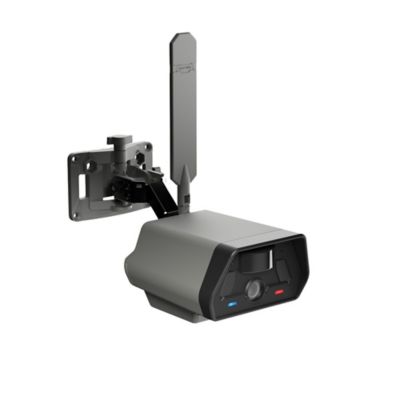
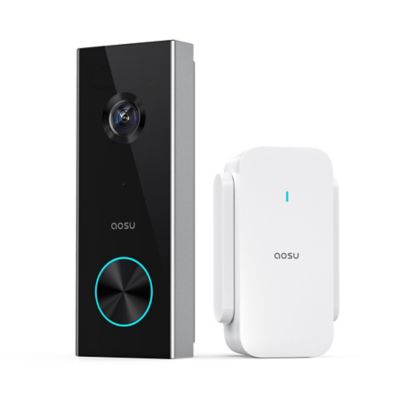
Security cameras bring a little more visibility to everyday life around the house, shop and property, whether that means checking a delivery at the front door or seeing who pulled into the driveway while chores are underway. This category includes indoor cameras for rooms and entryways, outdoor cameras for porches and approaches, and cameras with built-in spotlights or floodlights for areas that need added illumination. Indoor designs tend to be compact enough for a shelf or wall mount, while outdoor designs have enclosures and mounting hardware intended for exterior installation. A camera overlooking the back steps serves a different purpose from one watching a detached garage, so the right fit starts with the space and the activity that matters there. Field of view describes how much of a scene fits into the picture; a broad view can cover an entry area, while a tighter view may put more attention on a particular doorway. Video resolution affects visible detail, but lighting, distance, lens placement and connection strength all influence what a person can actually make out. A clear view of a visitor standing on the porch does not mean the same camera will capture a readable license plate at the far end of a lane. Night vision supports visibility after dark, and some designs add lighting that can help show color and detail when motion occurs. Motion notifications can draw attention to activity without someone watching the screen all day, while two-way audio on supported cameras lets a person speak with a visitor through a connected phone. For households with pets, an indoor view can help show whether a noise came from the entryway or a restless animal in the next room. Homeowners, renters and folks managing a small acreage may all find these features useful, though cameras supplement sound locks, sensible lighting and other everyday security measures rather than replacing them.
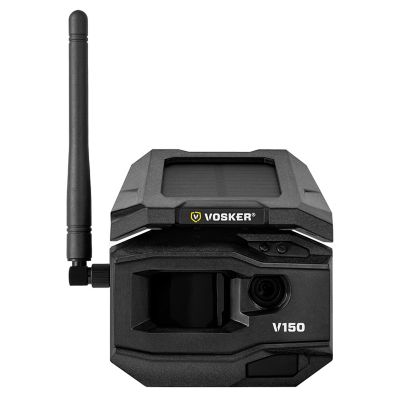
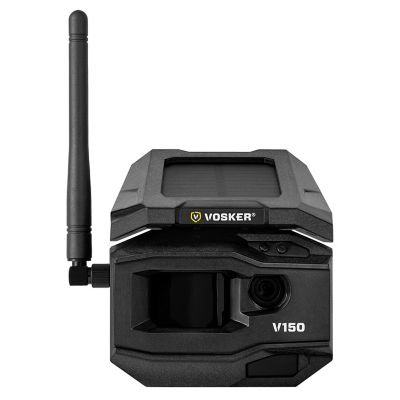
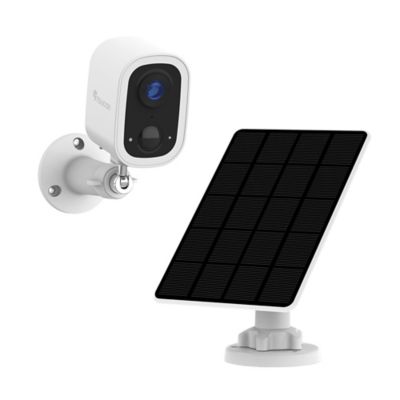
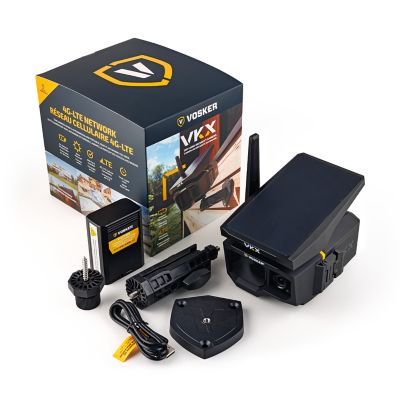
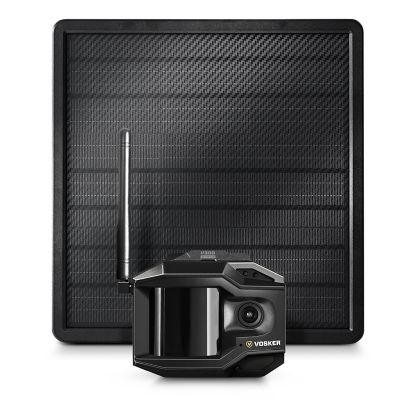
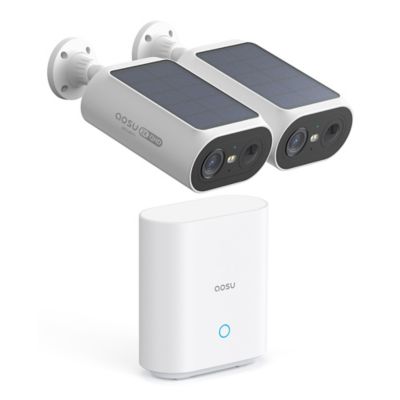
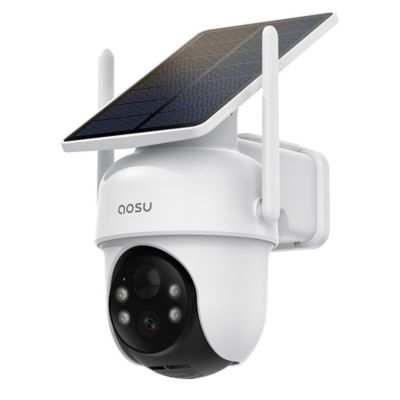
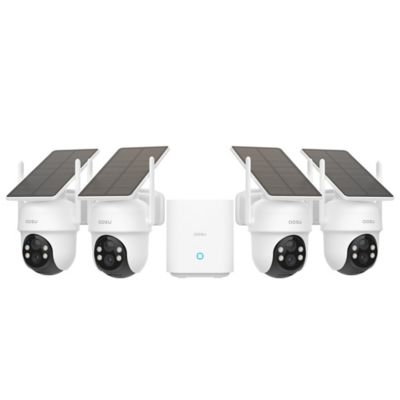
Power and connectivity make a big difference in how a security camera fits a property. Plug-in cameras need a suitable outlet and a safe cord route, while hardwired designs need compatible electrical service at the mounting point. Battery-powered cameras offer more freedom in placement, but their batteries still need attention. Recording activity, frequent live viewing and device settings can affect the time between charges. Solar charging may help support a compatible battery camera where the panel receives enough direct sunlight, but compatibility and placement matter, and a panel does not eliminate every charging need. Wireless usually describes the network connection, not a promise that there are no power cords. A
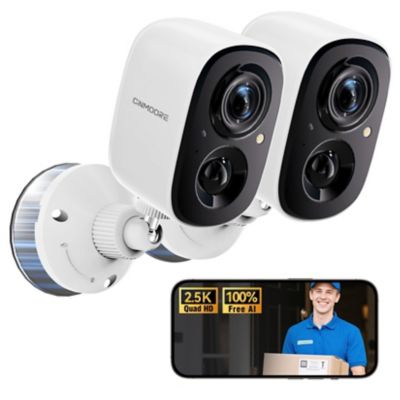
Wireless Outdoor Security Camera can suit a porch, side entrance or garage approach when the mounting location has the power arrangement and wireless signal the device requires. That distinction matters around outbuildings: a phone showing a strong connection in the kitchen says little about coverage on the far side of a metal-sided workshop. Walls, siding, distance and other obstructions can weaken the signal between a camera and the home network. A camera mounted near the house may cover a gate, but it cannot create detail beyond the limits of its lens and viewing distance. Mounting fit deserves just as much attention as the electronics. The bracket, fasteners and supporting surface need to work together, whether the camera attaches to wood siding, masonry or another approved surface. Outdoor-rated housings, secure cable connections and sturdy brackets help support long-term exterior use, while indoor-only cameras belong in the spaces specified by their manufacturer. A sheltered location does not turn an indoor camera into an outdoor one. Placement should also leave room to reach a charging port, remove a battery or clean the lens without turning routine upkeep into a major job. Hardwired lighting cameras may call for installation by a qualified electrician, especially where a suitable electrical box or circuit is not already in place.
The most useful camera features are the ones that match the way a household goes about its day. A live view can show whether a package is sitting beside the door, while recorded event history can help explain activity that happened before anyone opened the app. Those are separate functions: access to live video does not necessarily include saved recordings. Depending on the camera system, reviewing, storing or sharing event clips may require a subscription, a compatible local storage device or another supported arrangement. Recording length, retention periods, detection features and account requirements also vary, so the feature details matter as much as the camera body. Some systems distinguish people, vehicles or other motion, but those options are not standard across every design and may depend on a service plan. Adjustable motion zones can help focus attention on the walkway rather than every passing vehicle on the road. Sensitivity settings can also help reduce unnecessary alerts from activity outside the area that needs watching. For a busy household, that can mean fewer interruptions and a clearer reason to check a notification. Shared account access, where supported, lets approved household members check the same camera without passing around a single sign-in. Strong passwords, multifactor authentication when offered and regular software updates help protect that access. Camera angles should respect neighboring homes and private spaces, and audio recording deserves attention to applicable laws. Routine care is straightforward but worth keeping up with: a clean lens, an unobstructed view and firmly seated hardware help keep the picture useful. Dust and spiderwebs near the lens can interfere with visibility, especially after dark, so cleaning should follow the manufacturer's directions rather than relying on harsh cleaners or abrasive cloths. A quick check after moving a shelf, parking equipment or rearranging the porch can reveal a newly blocked view. For someone settling into a home or setting up a workshop, a security camera can be a practical gift when its network, power and account needs fit the recipient's setup. The best match brings the right area into view and stays manageable as part of the everyday routine.