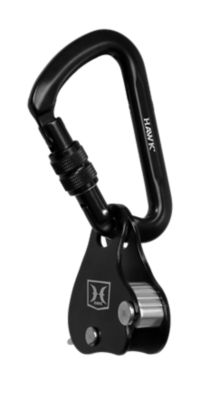
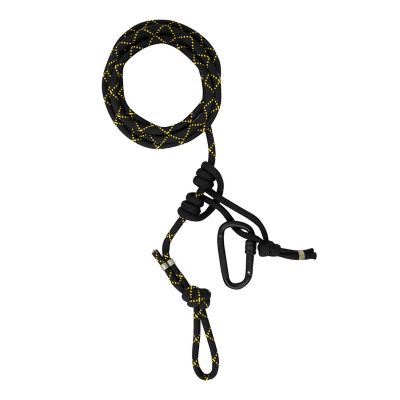
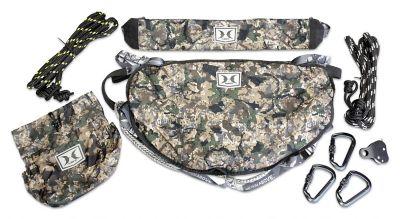
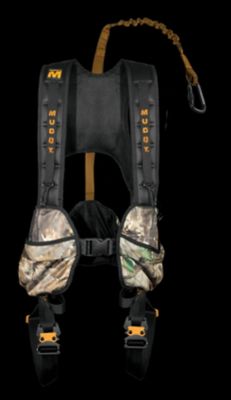
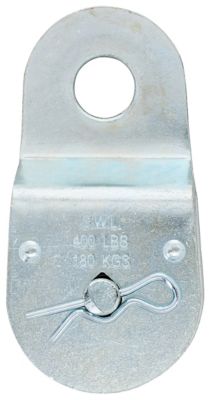
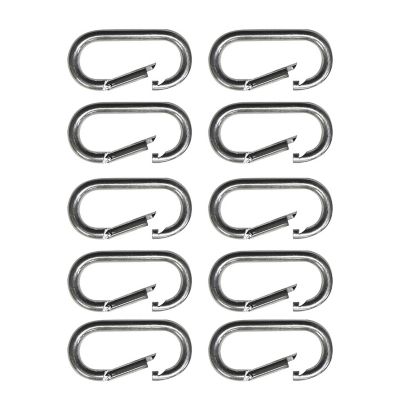
Climbing hardware includes the metal tools that help climbers connect ropes, manage movement, build systems, and stay attached to dependable points while working or climbing. This broad category can include carabiners, locking connectors, belay and rappel devices, pulleys, ascenders, rope grabs, protective cams, nuts, slings, and other anchor-related gear. Each piece has a particular job, and the right choice depends on the kind of climbing, the rope or webbing being used, and the experience of the person handling it. A carabiner, for example, may be used to connect compatible gear, organize equipment, or create part of an anchor system. Non-locking styles are often chosen for quick connections and gear organization, while locking styles add an extra layer of security where an accidental gate opening could create a serious problem. Belay and rappel devices use friction to help control rope travel when lowering, descending, or managing another climber, while pulleys can help redirect a rope or make hauling equipment more manageable. Ascenders and rope-grabbing devices are designed to engage a compatible rope so a climber can move upward or maintain position, but they must be selected with care because rope diameter, construction, load direction, and intended use all matter. Traditional climbers may also look for removable protection, including cams and nuts that fit into cracks in rock and serve as temporary points of protection when placed correctly. The appearance of a piece of hardware can be simple—a gate, a hinge, a camming arm, a sheave—but every curve and moving part is built around strength, friction, fit, and controlled movement. Before choosing, consider whether the gear is intended for indoor climbing, sport climbing, traditional climbing, rappelling, rescue practice, arborist work, or recreational access. Hardware intended for one activity may not be appropriate for another, even when the pieces look similar. For anyone working around trees, an assortment of
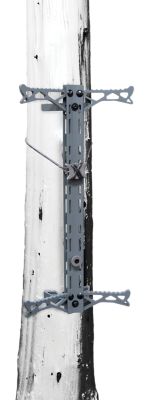
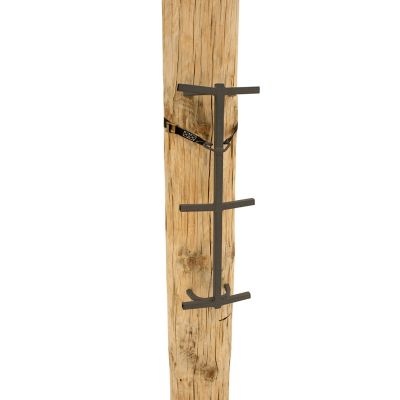
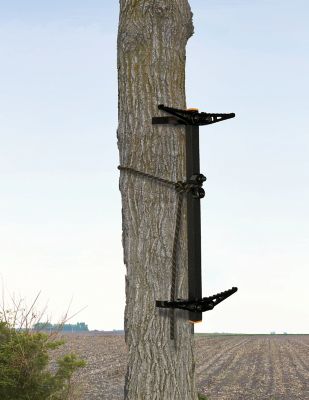
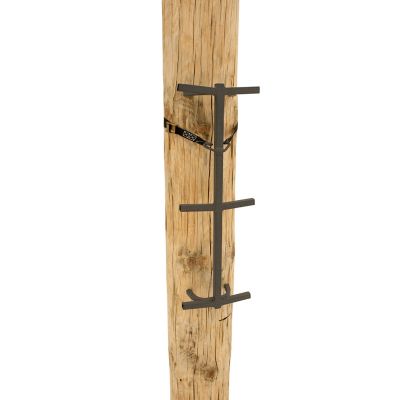
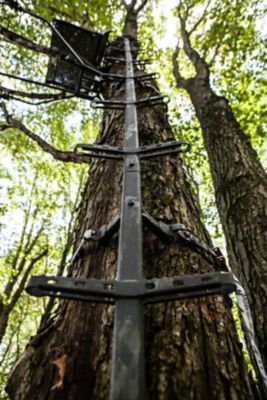
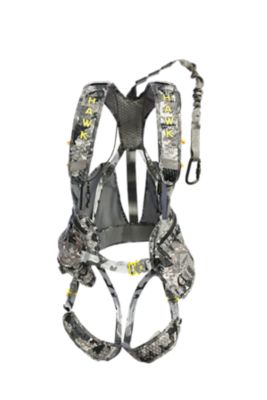
Tree Climbing Equipment may be a better match than general rock-climbing gear, since tree work brings its own demands around branches, trunks, harness systems, ropes, and positioning.
When shopping for climbing hardware, start with the basics of compatibility and certification rather than color, size, or price alone. Look for clearly marked strength ratings, intended-use information, and instructions from the manufacturer. Check that the hardware is approved for the activity at hand and that it works with the rope, webbing, harness, anchor, and other components in the system. A connector with a narrow gate opening may be handy for organizing small items but inconvenient when attaching to thicker webbing or a large anchor point. A belay device must match the rope size and style it was designed to handle, and a pulley needs to suit both the rope and the load path. Weight can matter on a long approach or when equipment is carried up a ladder, into a tree stand, or along a rocky trail, but the lightest option is not automatically the best option for every job. Larger hardware may be easier to handle with cold fingers or work gloves, while compact pieces may be preferred when space and pack weight are limited. Pay attention to gate action, locking mechanisms, edge smoothness, moving parts, and whether the design is easy to inspect in dim conditions or dusty outdoor settings. Hardware should arrive clean, undamaged, and free of sharp edges, deep scratches, cracks, bent components, unusual wear, or parts that stick when they should move freely. Used or secondhand climbing hardware deserves extra caution because damage from a fall, chemical exposure, heat, corrosion, or hidden impact may not be obvious. Keep equipment dry and stored away from fuel, solvents, livestock chemicals, direct heat, and rough surfaces that can damage metal or rope. During the cooler months, gloves, ice, mud, and stiff ropes can make small mechanisms harder to operate, so easy handling and regular inspection become even more important. Before putting any load on a climbing system, check every connection, confirm that gates and locks are fully closed, and make sure the system is being used exactly as directed. Climbing hardware is not a substitute for training, sound judgment, or a proper inspection by a qualified person. Anyone new to climbing, rappelling, tree work, or rescue systems should learn from an experienced instructor and follow recognized safety practices instead of relying on a product description alone.
Climbing hardware can be useful for experienced climbers, outdoor educators, arborists, rope-access workers, search-and-rescue teams, maintenance crews, and families who spend time learning climbing skills at a properly supervised facility. It can also make a thoughtful gift for someone who already climbs and has a clear understanding of the equipment they need. A carabiner or belay device may look like a small present, but climbers are particular about rope diameter, preferred systems, size, weight, and handling feel, so a gift card or a carefully chosen replacement is often more useful than guessing at a technical setup. For a new climber, basic gear may be appropriate only after an instructor or experienced partner has confirmed what is needed; many gyms provide or require certain equipment, and some outdoor activities call for a complete system rather than one stand-alone tool. Think about where the recipient spends time: an indoor gym, a sandstone wall, a wooded property, a work site, or a family farm with tall trees can each call for different equipment and training. In a rural setting, climbing hardware may be considered for pruning access, inspecting roofs or towers, reaching elevated work areas, or enjoying a supervised tree-climbing activity, but these uses carry real fall hazards and should never be improvised with general-purpose hooks, hardware-store clips, towing gear, or equipment that lacks a climbing rating. Keep an eye on seasonal storage as outdoor conditions shift from warm, dusty days to damp mornings and freezing temperatures. Wipe away dirt and moisture as recommended, allow gear to dry thoroughly, and inspect it before each use and after any unusual event, such as a fall, dropped impact, exposure to chemicals, or contact with a sharp edge. Retire hardware when its history is unknown or when it shows damage, excessive wear, deformation, corrosion, cracked plastic components, rough gates, or any sign that it may no longer perform as intended. With the right match of equipment, training, and careful upkeep, climbing hardware can help organize a capable rope system and support confident movement above the ground, whether that means a day at the crag, practice at the gym, careful work among sturdy branches, or learning new skills with a trusted instructor.