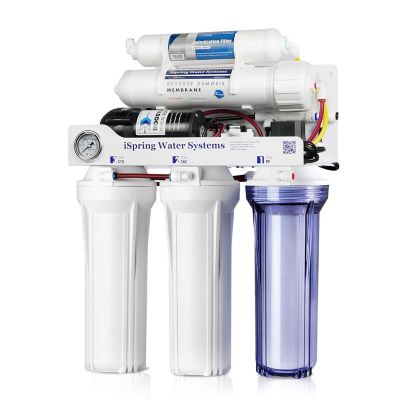
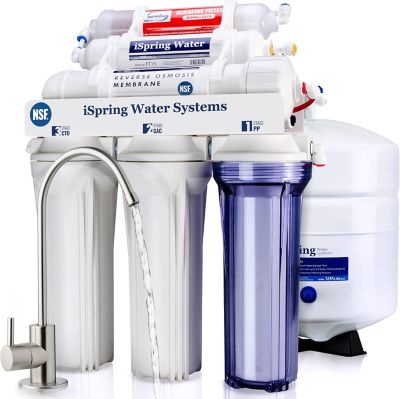
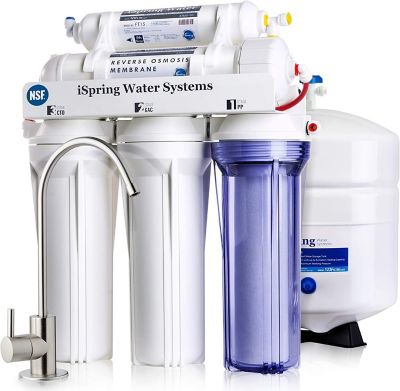
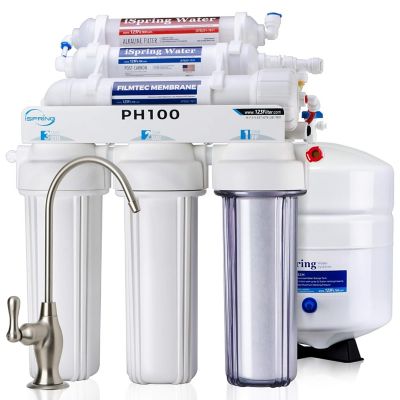
Reverse osmosis systems for fluoride removal treat drinking water by pushing it through a semipermeable membrane that reduces dissolved fluoride and other dissolved substances. The membrane separates incoming water into a treated stream for drinking and a reject stream that carries concentrated substances to the drain or a collection reservoir. Many reverse osmosis systems can reduce fluoride by 90% or more under specified test conditions, but the percentage varies with the membrane, incoming water chemistry, operating pressure, and maintenance. A documented fluoride reduction claim matters more than the number of filter stages printed on the package. Certification to NSF/ANSI 58 with a specific fluoride reduction claim provides a useful point of comparison; certification to that standard alone does not mean every possible contaminant reduction claim applies. Ordinary activated carbon pitcher and refrigerator filters generally are not designed to remove dissolved fluoride unless they include treatment media specifically rated for that purpose. That distinction makes reverse osmosis a practical consideration for households that want to reduce fluoride in water for drinking, cooking, and filling bottles before heading out to the barn or workshop. Fluoride may occur naturally in groundwater or be added to municipal drinking water, so a recent water report or laboratory test helps establish what is coming into the house. The starting concentration matters because a percentage reduction does not guarantee the same final concentration in every home. These systems usually serve a single drinking-water location rather than every faucet, shower, and livestock watering point on the property. Along with fluoride, a membrane may reduce other dissolved substances, but each claim needs its own supporting performance information. Reverse osmosis is not a blanket promise that any source water becomes safe to drink. It is a targeted treatment option whose usefulness depends on matching the system’s documented capabilities to the household’s actual water.
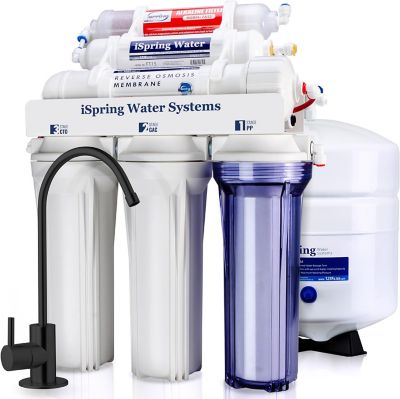
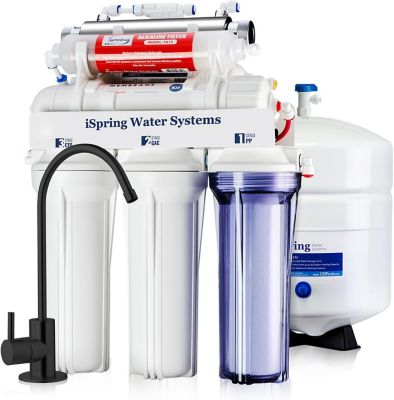
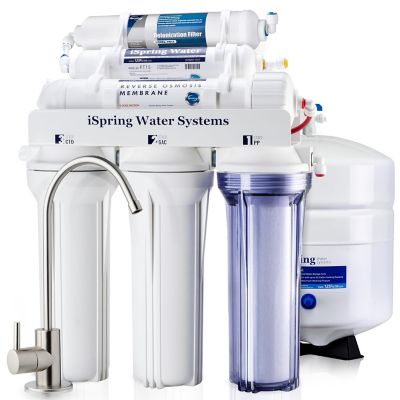
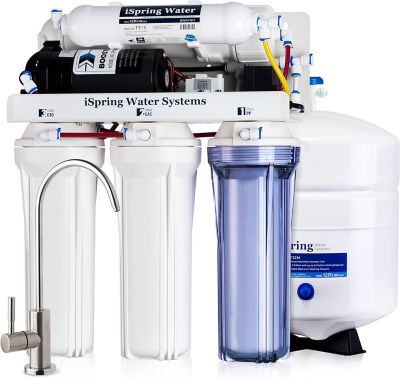
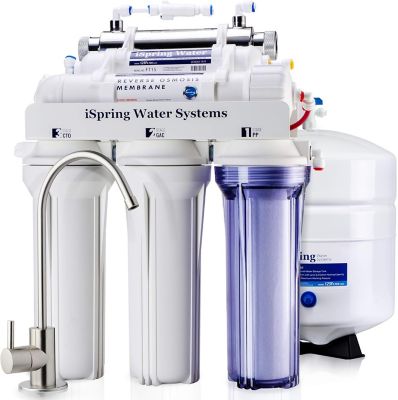
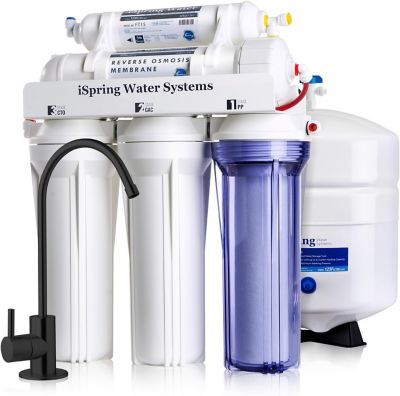
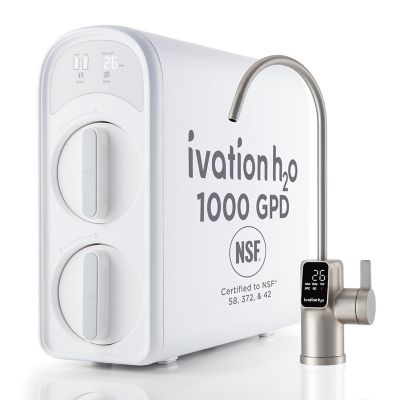
The right layout depends on how the kitchen works from morning coffee through supper cleanup. Under-sink reverse osmosis systems keep the main filtration components inside a cabinet and commonly deliver treated water through a separate drinking-water faucet. A closer look at
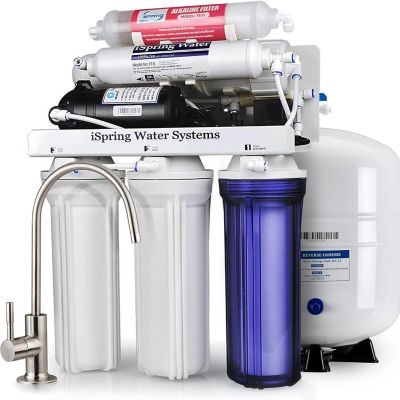
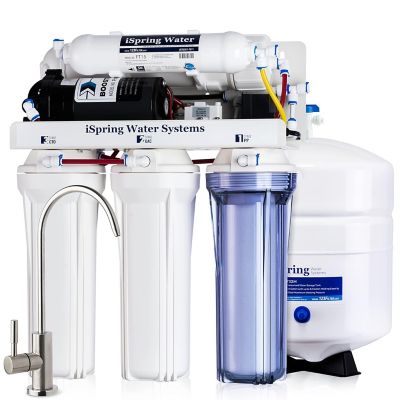
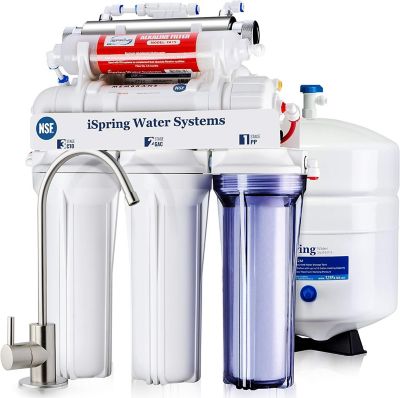
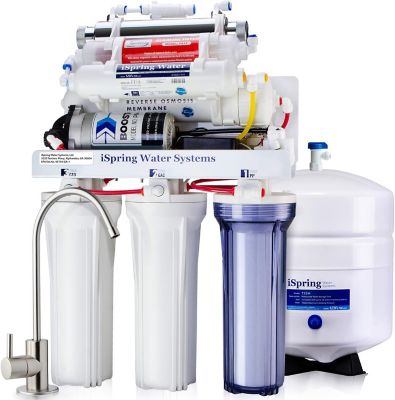
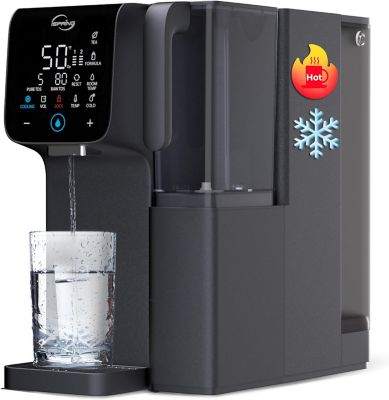
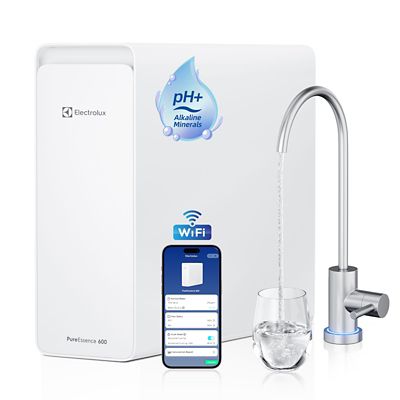
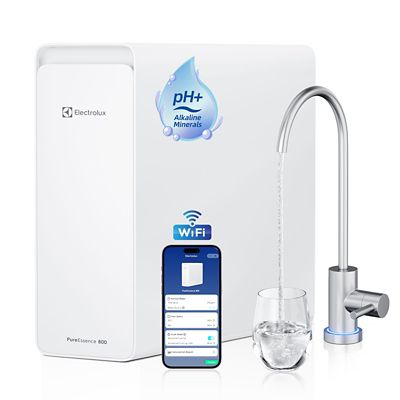
Under Sink Reverse Osmosis Water Filters can help narrow the format for a permanent kitchen setup. A storage-tank system holds treated water for ready access, while a tankless design makes water as needed and leaves out the separate storage tank. Neither format automatically has better fluoride reduction; that comes back to the membrane and verified system performance. Cabinet fit includes room for housings, tubing bends, shutoff valves, and hands to reach the parts during filter changes. A tank tucked behind the sink drain may fit on paper but leave too little clearance to service it without moving everything around. Faucet-hole requirements, countertop thickness, drain connections, and the incoming supply connection also affect installation. Countertop systems can suit spaces where permanent plumbing changes are not practical, though some require manual filling and regular emptying of a reject-water container. Electrically powered countertop and tankless designs also need a suitable outlet. Materials deserve attention wherever water sits or moves: housings rated for the operating pressure, drinking-water tubing, sound seals, and corrosion-resistant faucet components all support a setup built for regular household use. A sturdy mounting bracket and tubing routed away from stored cleaning supplies help keep the cabinet orderly and the connections protected. Capacity is another practical distinction. The gallons-per-day rating reflects production under stated test conditions, not necessarily the flow that reaches a glass at any moment. Usable tank volume can also be smaller than the tank’s nominal size. A household filling several bottles before chores or drawing a large pot of cooking water benefits from considering both stored volume and refill speed. For tankless systems, the listed dispensing flow offers a more helpful picture of how long those everyday tasks may take.
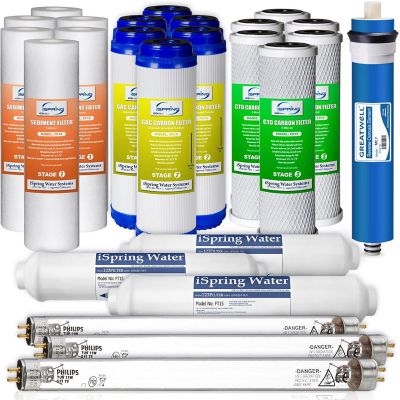
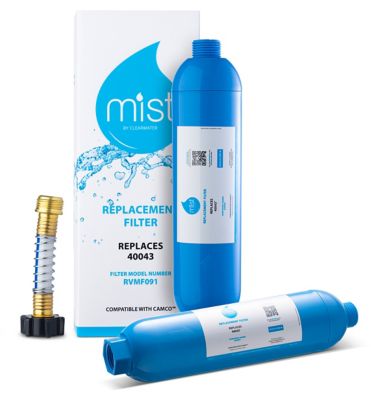
Keeping fluoride reduction steady calls for more than installing a membrane and forgetting it. Most reverse osmosis systems pair the membrane with sediment and carbon prefilters, and many include a finishing filter for taste. Sediment filtration helps keep particles from fouling the membrane, while the appropriate carbon stage reduces disinfectants that can damage certain membrane materials. Replacement schedules vary by system and water conditions, so access to matching cartridges, clear maintenance instructions, and room to open the housings matter over the long haul. Membranes typically have a different replacement interval from prefilters, and neither should be judged by taste alone. A total dissolved solids meter can help track broad changes in membrane performance, but it cannot measure fluoride specifically or confirm that a fluoride target has been met. Laboratory testing provides that direct check. On a private well, hardness, iron, manganese, sediment, and microbial concerns may call for pretreatment or separate treatment before water reaches the reverse osmosis unit. A standard residential RO system should not be treated as a substitute for disinfection when the source has microbial contamination. Water pressure also affects production and separation performance; the manufacturer’s specified operating range is the reference point, rather than one pressure cutoff for every system. A compatible booster pump may help where pressure is insufficient, while a permeate pump serves a different role by reducing storage-tank backpressure. Reject-water volume is worth comparing, too. Published efficiency or recovery figures show how much incoming water becomes treated water under the stated conditions, and a tankless design alone does not guarantee a particular ratio. Reverse osmosis also reduces minerals such as calcium and magnesium, which can change the way water tastes. An optional remineralization stage adds some minerals back for taste, but it does not replace the membrane’s fluoride reduction function. Regular flushing, sanitation, leak checks, and cartridge changes according to the system instructions help keep the drinking-water setup ready for daily use. The best fit brings together documented fluoride reduction, manageable upkeep, and enough output for the people gathering around the kitchen sink.