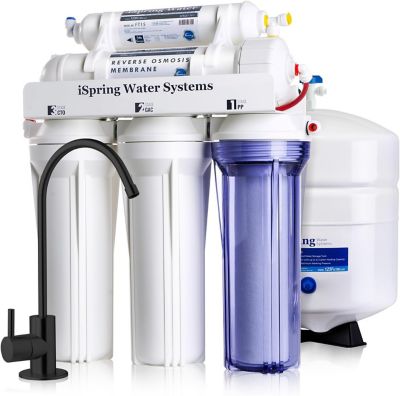
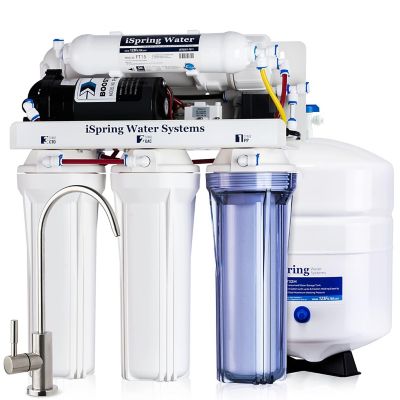
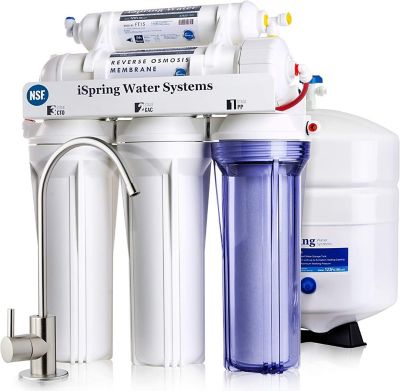
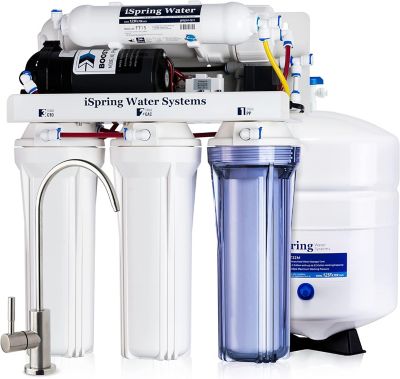
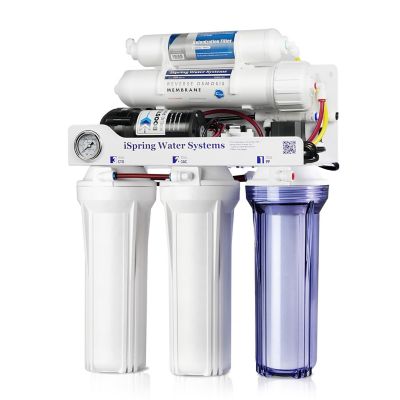
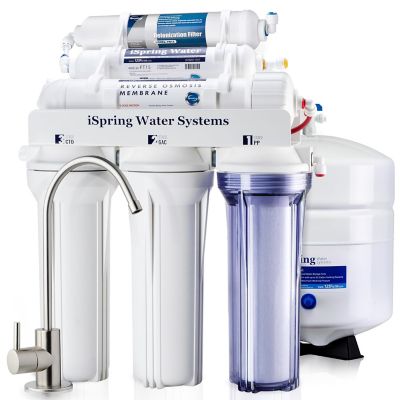
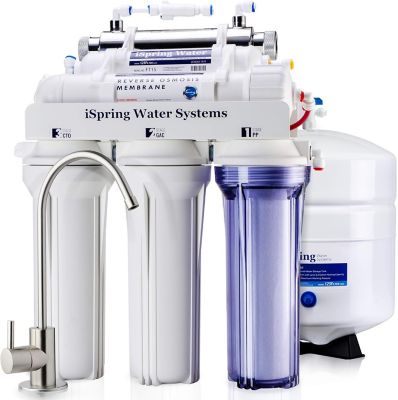
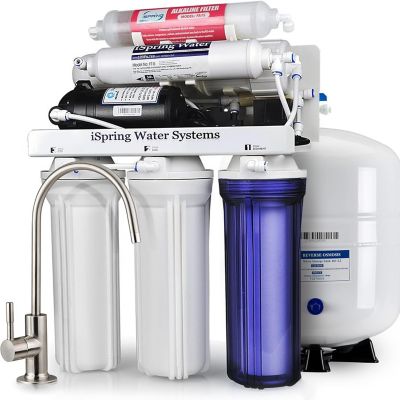
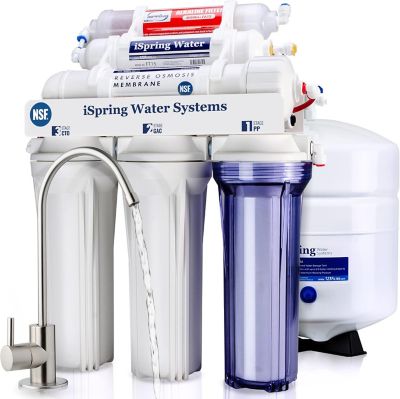
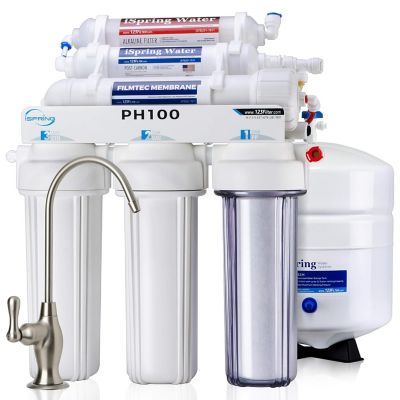
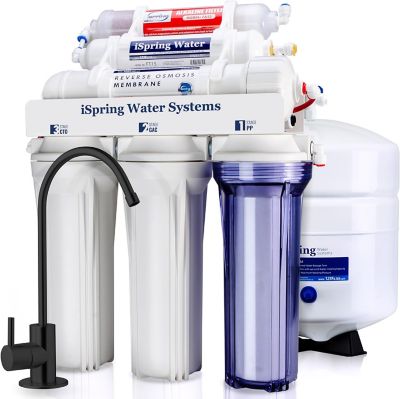
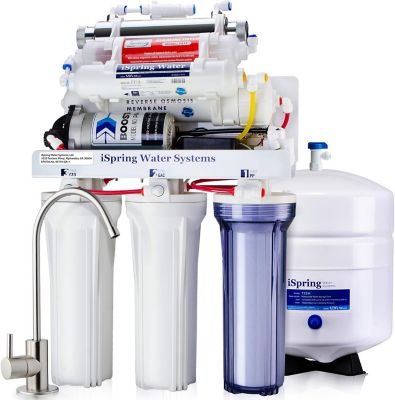
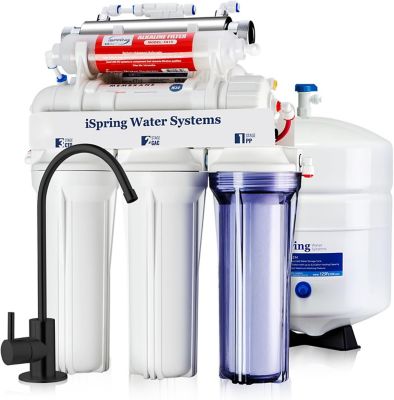
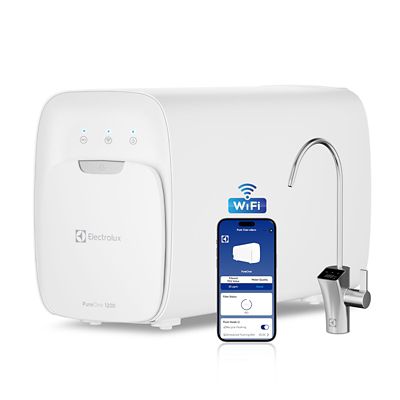
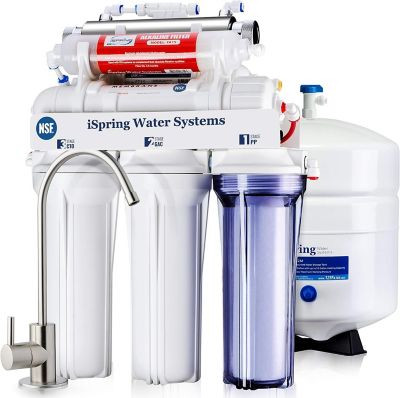
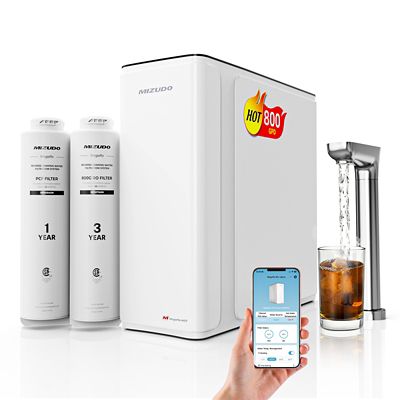
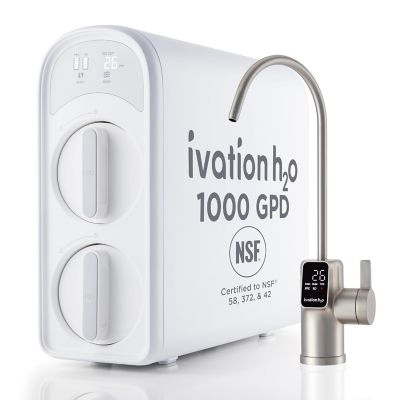
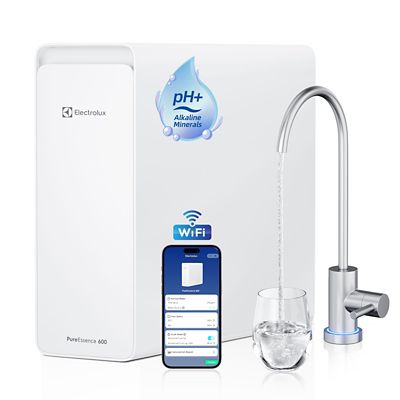
A 5-stage reverse osmosis system is a point-of-use water filtration setup that treats water through five filter stages, typically beneath a kitchen sink, and delivers it through a separate drinking-water faucet. These systems serve households that want filtered water for drinking, cooking, coffee, and filling bottles before heading out to the barn or workshop. In a common five-stage arrangement, the first stage is a sediment filter that catches sand, rust, and other particles before they reach the finer filtration components. The second stage typically contains granular activated carbon, which reduces chlorine and certain tastes and odors. A third-stage carbon block provides additional filtration and helps protect the reverse osmosis membrane from chlorine exposure. The fourth stage is the membrane itself: water pressure pushes water through a semipermeable barrier that separates treated water from a drain stream carrying rejected substances. The fifth stage is usually a post-carbon filter that gives water a final pass before it reaches the faucet, often after storage in a holding tank. Filter arrangements differ, so five stages describe the number of treatment steps rather than a universal set of performance claims. Depending on the system and its tested capabilities, reverse osmosis can reduce dissolved salts and contaminants such as lead, fluoride, and certain forms of arsenic. No single reduction percentage applies to every substance or every installation. Published performance information and certification for the particular contaminant matter more than the stage count alone. For homes supplied by a private well, water testing helps establish whether sediment treatment, softening, iron removal, or disinfection is needed ahead of an under-sink system. Reverse osmosis does not automatically make an untreated or microbiologically unsafe water source safe to drink. For a house connected to a municipal supply, local water reports can help identify treatment priorities, while testing at the tap may reveal conditions associated with the home's plumbing. That connection between the water source and the system's intended job is central to a sensible match.
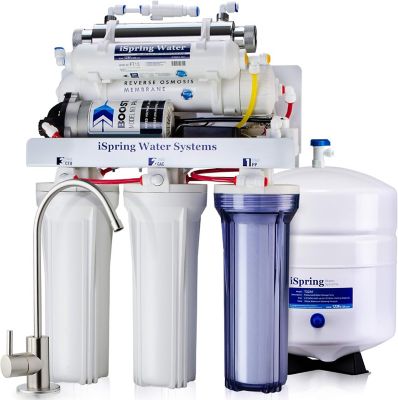
Under-sink reverse osmosis systems need room for more than the filter housings. Many five-stage setups include a storage tank, a filter assembly, small-diameter tubing, a feed-water connection, a drain connection, and a dedicated faucet. Cabinet fit includes enough clearance to remove filter housings, reach shutoff valves, and service connections without wrestling around a garbage disposal or a shelf full of cleaning supplies. A tank's stated size is not necessarily the amount of drinking water it holds; usable capacity depends partly on pressure and tank design. Likewise, a gallons-per-day rating describes membrane production under specified test conditions, not the amount that pours from the faucet all at once. A household filling several large bottles before chores or drawing water for a stockpot may notice storage capacity and refill speed more than the daily production rating. Feed pressure must fall within the manufacturer's operating range, and some installations need a booster pump to support proper operation. Pump-equipped systems may also need a nearby electrical outlet, while many conventional tank systems operate on water pressure alone. Materials and construction matter at everyday touchpoints: drinking-water-contact components should be suitable for that purpose, housings must meet the stated pressure limits, and tubing needs secure fittings without tight bends or strain. Faucet finish, spout reach, and handle clearance affect how naturally the setup fits beside the main kitchen tap. Coordinating
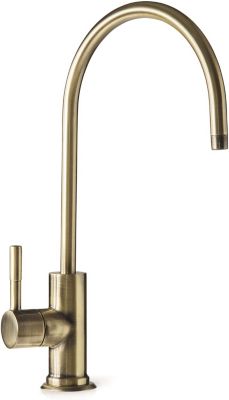
Reverse Osmosis System Faucets with the system involves more than matching a sink finish, since tubing connections, mounting-hole requirements, and air-gap or non-air-gap designs must also line up. Local plumbing requirements may determine the proper drain arrangement, and an air-gap faucet can require additional tubing and mounting space. Installation instructions should also identify acceptable feed-water connections and drain locations. For a farmhouse kitchen with an older sink cabinet, a crowded utility-room counter, or a small home where every inch counts, those physical details can matter as much as filtration performance.
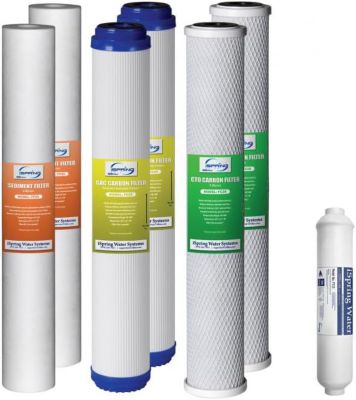
Long-term ownership centers on filter access, replacement compatibility, and regular attention to the parts that handle water every day. Sediment and carbon cartridges gradually collect material or lose treatment capacity, while the membrane's service life depends on incoming water conditions, household demand, and maintenance. Many systems call for prefilter and postfilter changes roughly every six to twelve months and membrane replacement around every two to three years, but the manufacturer's schedule and actual operating conditions take precedence. Heavy sediment or other challenging feed-water conditions can shorten those intervals. Matching replacement cartridges requires checking dimensions, connection styles, stage assignments, and membrane specifications rather than assuming that all five-stage components interchange. Accessible housings, clear stage markings, and straightforward tubing layouts can make routine service less of a chore. Periodic sanitation, tank-pressure checks performed as directed, and inspection of seals and fittings help keep the system operating as intended. A leak sensor or compatible shutoff device can add protection inside a sink cabinet, especially where a small drip might otherwise go unnoticed. Reverse osmosis also sends some incoming water to the drain, so the stated recovery rate or drain-to-treated-water ratio is another meaningful comparison point. Performance varies with feed conditions and system design, and optional pump arrangements can change operating behavior. Certification to NSF/ANSI 58 can support specific reverse osmosis performance claims, but the certification listing still needs to identify the reductions a household wants; a reference to an individual certified component is not the same as certification of the complete system. A dissolved-solids meter may help track membrane performance, but it cannot establish that water is free of every health-related contaminant. For everyday use, the appeal is straightforward: a separate tap for a glass at supper, a kettle on the counter, or water for rice and soup, without treating every gallon headed to a shower or laundry load. A well-matched five-stage system brings that focused treatment to the kitchen while leaving whole-house water needs to equipment designed for those jobs.