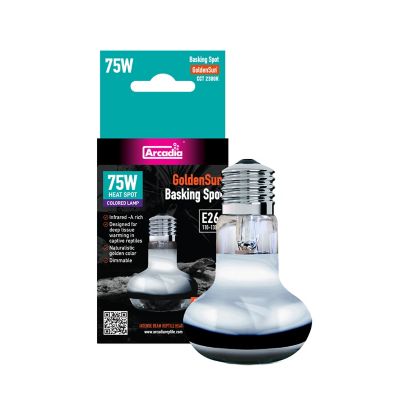
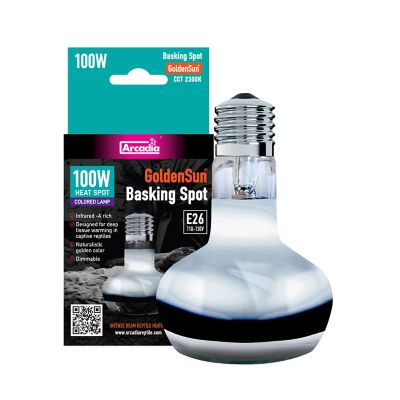
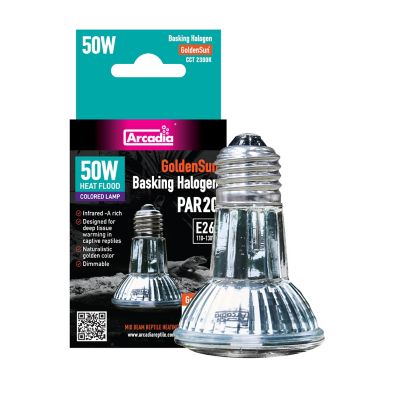
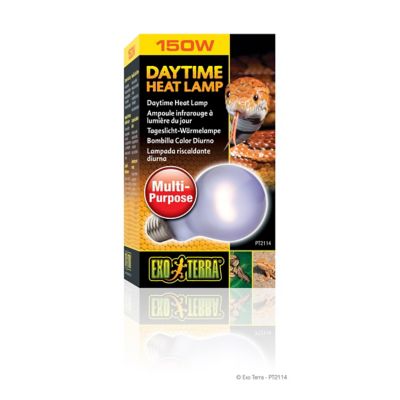
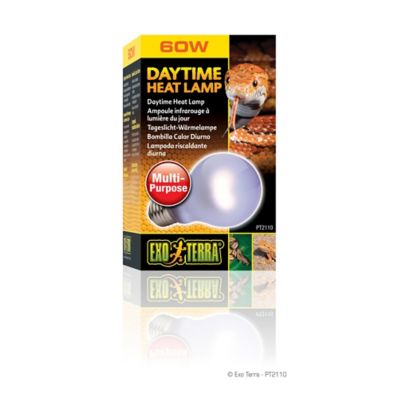
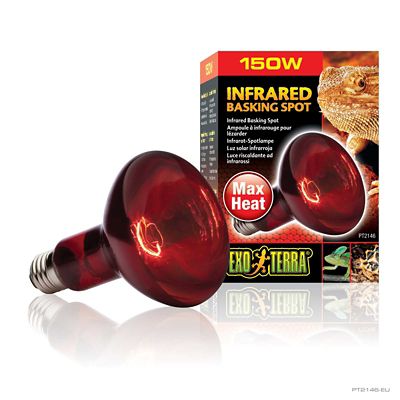
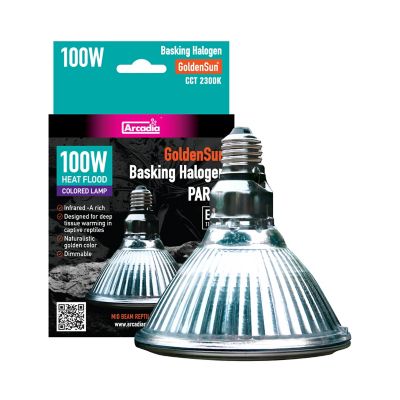
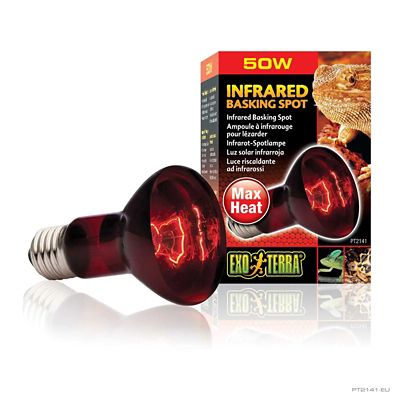
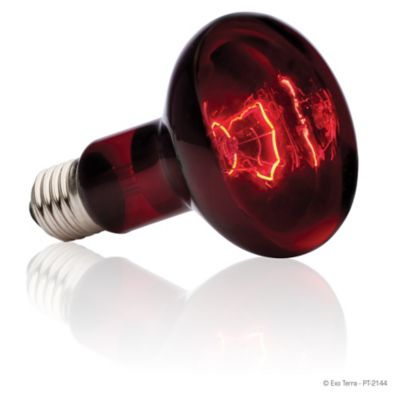
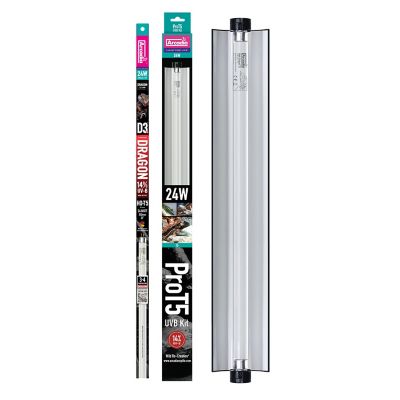
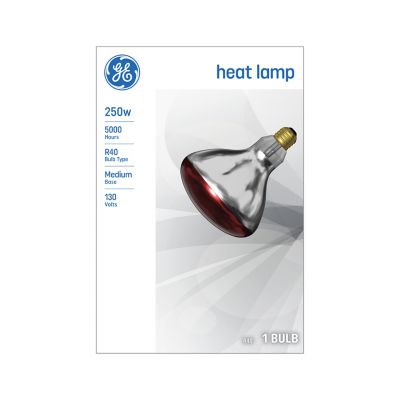
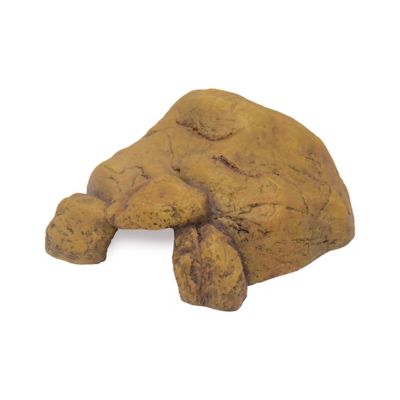
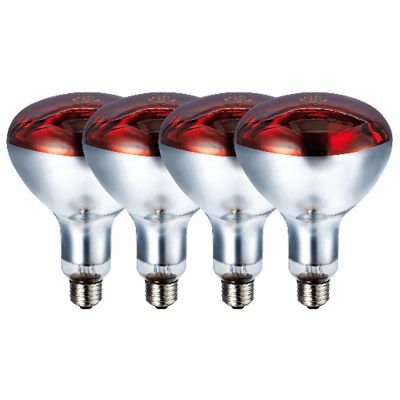
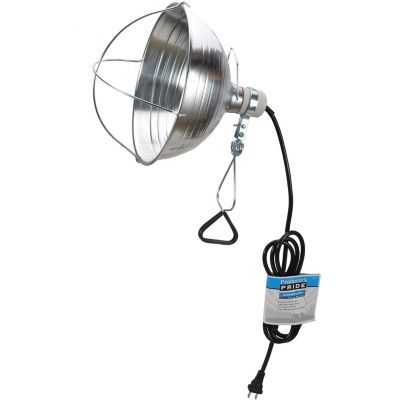
Reptile basking bulbs provide concentrated overhead warmth that helps reptiles regulate their body temperature. Because reptiles depend on outside heat sources, a well-planned basking area supports digestion, movement and other normal daily activities. These bulbs create a warm spot within an enclosure while leaving room for the animal to move into cooler surroundings. That choice matters: a bearded dragon stretched across a broad rock needs space to warm its body, then retreat when it has had enough. Other basking reptiles, including certain lizards and tortoises, have their own requirements for heat, light and access to a comfortable resting surface. Aquatic turtles also need a suitable dry basking platform, with lighting and heat matched to their species. Reptile heat bulbs come in different wattages, shapes and beam patterns, so their fit depends on more than the size of the socket. A narrow spotlight concentrates energy over a smaller area, while a wider beam spreads warmth across more of the basking surface. The goal is a usable warm zone that suits the animal’s body size, not an intensely heated pinpoint. Many basking bulbs have glass envelopes, screw-in bases and reflector designs that direct heat and visible light downward. Incandescent and halogen designs produce radiant heat, including infrared energy, but their light output and fixture requirements can differ. Some lamps also provide UVA, which can support normal reptile behavior; the package should identify what a particular bulb provides. UVA and UVB are not interchangeable, and an ordinary basking bulb should not be counted on as a UVB source. Many reptiles need separate UVB lighting to support vitamin D production and calcium metabolism. Certain combination lamps supply heat and UVB together, but they have their own mounting distances and operating requirements. Keeping those functions clear makes it easier to put together an enclosure that offers warmth, appropriate lighting and room for natural behavior without expecting one bulb to do every job.
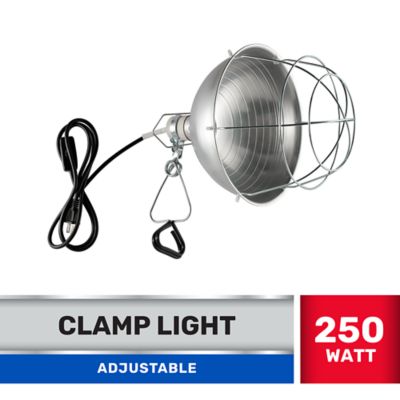
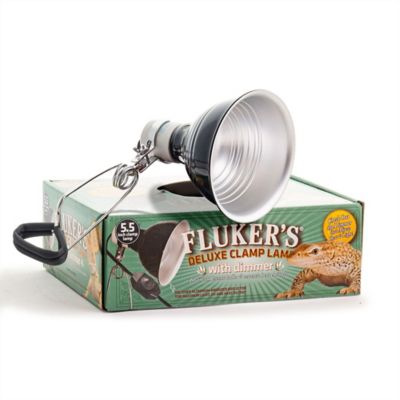
Wattage is an important shopping consideration, but it does not tell the whole story of how warm a basking spot will become. Enclosure height, ventilation, room conditions, fixture design and the distance between the lamp and the animal all affect the result. A bulb mounted high above an open screen top will not perform the same way as an identical bulb positioned closer to a raised basking platform. Screen material can also affect how heat and light reach the enclosure. Species-specific care recommendations provide the starting point for suitable basking surface and air temperatures; there is no single setting that fits every reptile. An infrared thermometer helps check the surface where the animal rests, while digital probe thermometers track air temperatures in the warm and cool areas. Both measurements matter because a rock can be much hotter than the air around it. For larger reptiles, a broad basking surface with an evenly warmed resting area is generally more useful than a small patch of intense heat. Fixture compatibility deserves just as much attention as heat output. Many reptile basking bulbs need a heat-rated ceramic socket and a fixture that can handle the bulb’s wattage, shape and operating position. The fixture’s maximum rating is a limit, not a target to exceed. Secure mounting helps keep the lamp steady, and appropriate separation or a protective guard helps prevent an animal from reaching hot glass or metal. Climbing branches, tall shelters and raised platforms can bring a reptile closer to the lamp than the enclosure floor suggests, so the animal’s highest reachable position matters when considering clearance. Near a turtle platform or water dish, splash exposure is another concern; not every bulb is rated for contact with water. Thermostat compatibility varies as well. A dimming thermostat may suit certain incandescent or halogen heat lamps, while other lamp types require different controls or must not be dimmed. Matching the bulb, fixture and controller according to their instructions helps keep the setup consistent without sacrificing the daytime light the animal needs.
A useful basking setup gives the reptile choices throughout its day. Warmth concentrated at one end of an enclosure leaves space for a cooler retreat, while suitable resting surfaces make the heated area easy to reach. Branches suit some climbing species, while stable platforms and broad rocks may fit animals that spend more time near the ground. Pairing the open basking area with
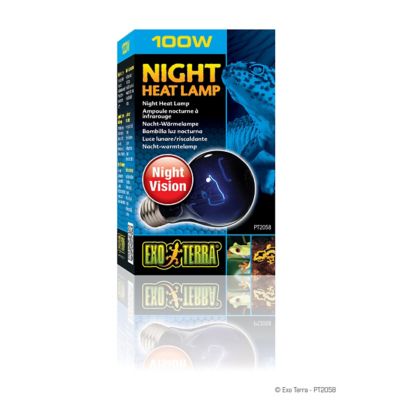
Reptile Hides And Shelters adds covered resting places, with shelter placement matched to the animal’s needs across the temperature gradient. A hide directly beneath a lamp can become hotter inside than expected, making its location and interior conditions worth checking. Visible-light basking bulbs belong on a daytime schedule rather than running around the clock. A timer helps maintain a consistent day-and-night pattern, with the length of the light cycle based on the species and its care requirements. Colored nighttime bulbs still give off visible light and are not a substitute for darkness. When supplemental heat is necessary after lights-out, a suitable non-light-emitting heat source with appropriate controls may be a better fit. Everyday upkeep also plays a part in choosing reptile basking lights. Glass bulbs need careful handling, and lamps must cool fully before handling or cleaning. Dust on a reflector or fixture can interfere with performance, while damaged sockets, frayed cords and loose mounting hardware call for attention before the setup operates again. Frequent switching, vibration, electrical conditions and fixture compatibility can affect a bulb’s service life, so wattage alone does not indicate how long it will last. Keeping a suitable replacement on hand can help limit interruptions if a lamp fails. For combination lamps that provide UVB, replacement intervals also depend on the manufacturer’s guidance for UV output, not simply whether the lamp still glows. Whether the enclosure houses a longtime companion or a reptile settling into a new home, the most useful basking bulb is one that fits the fixture, produces the intended warm zone and works alongside the rest of the habitat.