Reptile habitat substrates do more than cover the bottom of a tank. They give an animal a surface to walk across, settle into, and, for species that dig, move beneath its feet. The right match depends on the reptile’s natural habits, its life stage, and the way its enclosure is set up. A snake that spends time tucked beneath loose bedding has different needs from a lizard that favors firm ground or a tortoise that pushes through the same pathway every day. Substrate materials range from paper-based bedding and washable liners to coconut fiber, bark, and soil or mineral blends intended for reptile enclosures. Each brings a different texture, moisture response, and cleaning routine to the habitat. Coconut fiber can hold moisture and support digging when the depth and consistency suit the animal. Bark offers a coarser surface, with particle size making a difference in how easily smaller reptiles move across it. Paper-based options can make waste easier to spot, while washable liners provide a removable floor covering without a layer of loose particles. Soil and mineral blends may support more natural digging behavior, but their ingredients and suitability matter more than an earthy appearance. Sand is not a universal choice for reptiles, and a material that works in one species’ enclosure may be a poor fit in another. The animal’s needs come first, whether the habitat sits in a farmhouse den, a bedroom, or a dedicated reptile room. Clear ingredient information helps distinguish bedding intended for animal habitats from garden soil, scented materials, and household fillers. Fertilizers, pesticides, added fragrances, and unidentified fillers have no place in a reptile’s floor covering. For a first enclosure or a change to an established setup, species-specific care information helps narrow the choices without relying on looks alone. A substrate should support the way the reptile lives, not simply match the color of the tank.
Fit matters just as much as material. Enclosure floor area, bedding depth, and the reptile’s size all affect how much substrate belongs in a habitat and how that surface will function. A thin covering may suit a setup focused on easy observation and frequent cleaning, while an animal that burrows may need enough depth to get below the surface. Loose bedding also settles and shifts, especially along the routes a reptile travels most often. A tortoise making repeated trips between its shelter and water dish can push material into little ridges; a burrowing snake may leave shallow tunnels beneath an otherwise level surface. Those everyday habits make texture and particle size worth a close look. Fine material can cling to damp feet or food, while large pieces may be awkward for a small animal to cross. Dust levels matter, too, especially in an enclosed space where the reptile spends nearly all its time. Moisture-holding substrates have a role in habitats that call for higher humidity, but damp bedding and standing water are not the same thing. Ventilation, drainage where appropriate, and the enclosure’s humidity requirements all influence whether a material stays suitable between cleanings. A habitat for a species that needs drier ground calls for a different approach than one designed around moisture-loving behavior. Pairing the right floor covering with
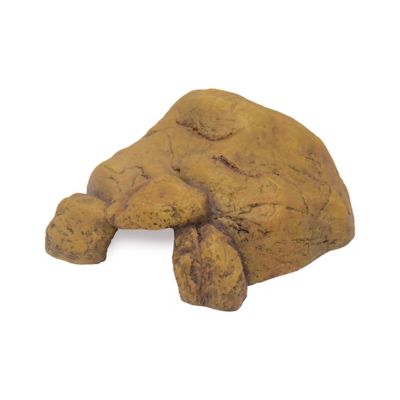
Reptile Hides And Shelters helps create places to rest and retreat without losing sight of the enclosure’s practical needs. Heavy shelters and other weighty furnishings need secure support rather than a loose foundation an animal can dig out from underneath. Door tracks, vents, feeding areas, and water dishes also affect the fit. Bedding that continually spills into a sliding-door channel or piles into a shallow dish adds extra work. The best match leaves enough room for normal movement while keeping the enclosure’s working parts accessible for daily care.
Everyday upkeep is a big part of choosing reptile bedding, especially for households balancing animal chores with the rest of the day. Loose substrates allow soiled patches to be removed, though waste can disappear below the surface or collect underneath a shelter. Paper-based coverings make changes in droppings easier to notice, and removable liners offer a different cleaning rhythm, with washing and complete drying between placements. Neither approach eliminates the need to check corners, furnishings, and the area around the water dish. A splash that looks small on top can leave a much larger damp patch underneath. Bedding depth, absorbency, enclosure ventilation, and the reptile’s habits all affect how often a full replacement makes sense, so there is no single schedule that fits every habitat. Manufacturer care directions and species-specific guidance provide a better starting point than waiting for an odor. Clumped material, persistent wet spots, mold, and a noticeable change in smell deserve attention rather than another fresh layer over the top. Packaging and storage matter outside the enclosure as well: substrate kept dry and protected from pests is easier to manage, and a resealable bag or clean, closed container can help keep the remaining material tidy. Feeding habits deserve a place in the decision, too. Loose particles may stick to food or be swallowed during a strike, and suitability can change with the animal’s age, health, and feeding behavior. An animal recovering from illness may benefit from a simpler surface that makes observation easier, with a reptile veterinarian helping determine what is appropriate. For planted habitats, substrate selection also involves plant roots, drainage, and the needs of any cleanup organisms; a natural-looking blend is not automatically a complete living system. Whether the keeper prefers a straightforward enclosure or a planted habitat with room to dig, reptile habitat substrates should make normal behavior possible and routine care manageable. A comfortable footing, suitable moisture balance, and a floor that can be kept clean are what turn bedding into a useful part of the animal’s home.