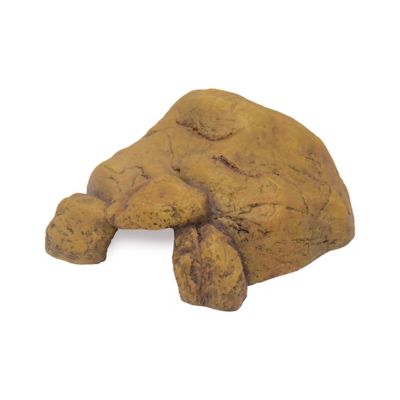
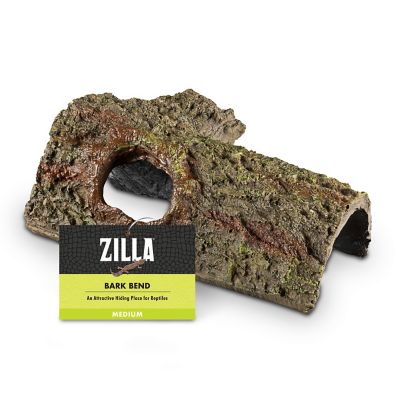
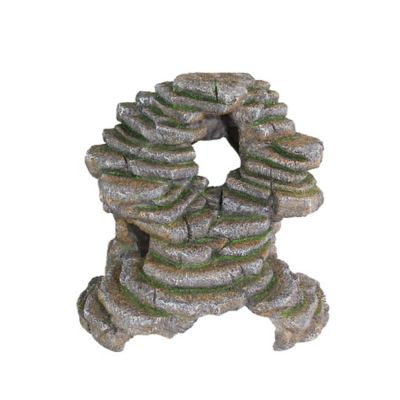
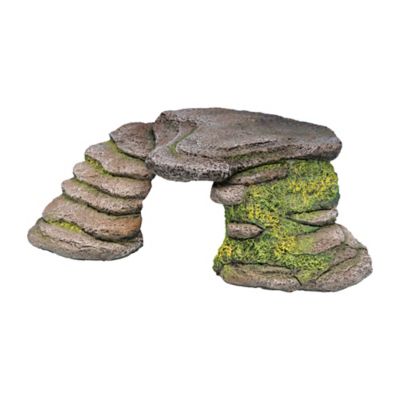
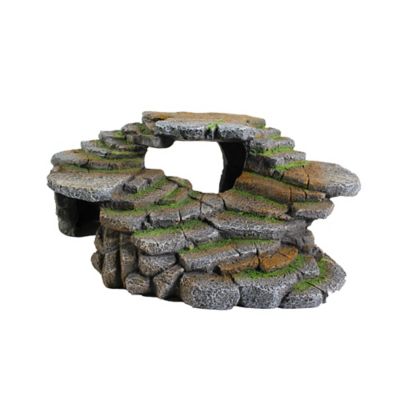
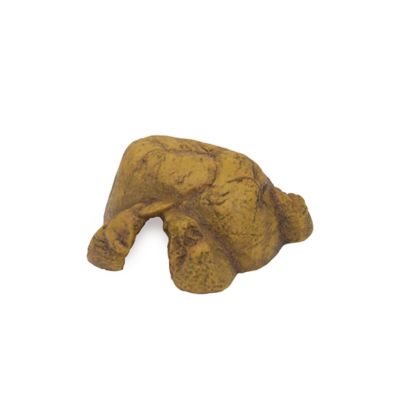
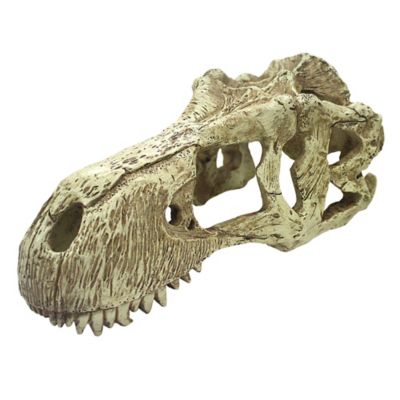
Reptile hides and shelters give snakes, lizards, and other reptiles a tucked-away place to rest, retreat, and settle into their surroundings. A shelter does more than fill an empty corner of a tank. It creates a sheltered space away from movement outside the enclosure, whether that means people walking through the room or another pet passing by. For a snake that spends much of the day out of sight, a close-fitting cave can offer a different kind of cover than a broad arch with openings on both ends. A ground-dwelling gecko may favor a low entrance and a dark interior, while a climbing species may need shelter positioned above the enclosure floor. Enclosed caves, hollow logs, rock-style shelters, and elevated retreats each suit different habits, so the best match depends on the animal rather than looks alone. Interior dimensions matter just as much as the shelter’s outside measurements. A hide needs enough room for the reptile to enter, settle comfortably, and leave without squeezing through a tight opening or catching its body against a rough edge. At the same time, an oversized cave may not provide the close cover that some species prefer. For a growing reptile, shelter fit deserves another look as its body length and girth increase. The footprint also needs to work with the rest of the enclosure. A roomy hide should still leave space for movement, a water dish, and other habitat essentials without blocking access to them. Low-profile shelters can make sense where floor space is limited, while taller structures call for enough overhead clearance and a layout suited to the animal’s climbing ability. Keepers furnishing a first enclosure and those refreshing an established habitat both benefit from looking beyond the front opening to the usable space inside. A shelter that fits the animal, the enclosure, and its daily habits earns its place in the setup.
Materials make a real difference in how reptile shelters feel, hold their shape, and fit into the cleaning routine. Molded resin and plastic can provide enclosed spaces with rock or wood textures, often without the heft of a solid stone structure. Ceramic shelters bring a different weight and surface feel, though their edges and finish deserve attention, especially if a piece becomes chipped. Cork bark and wood offer irregular shapes, textured surfaces, and a more natural look, with curves and crevices that can blend into planted or woodland-style habitats. Those natural materials also vary from piece to piece, making the actual opening and interior space more important than a general size label. Not every material handles moisture or cleaning the same way. A smooth, nonporous shelter may be easier to wipe down, while deep grooves, hollow sections, and porous surfaces can take more attention when substrate or waste gets into them. Removable tops or accessible interiors can make routine upkeep less of a chore, particularly when a reptile tends to carry bedding into its retreat. Cleaning methods need to follow the shelter maker’s directions and account for the animal’s needs; a material that tolerates a rinse may not be suited to soaking or certain cleaning solutions. Thorough rinsing and appropriate drying help keep cleaning residue from lingering inside a confined space. Construction matters between cleanings, too. A shelter should sit securely without rocking, tipping, or shifting when the animal pushes against it. Heavier structures need firm support, especially around reptiles that dig beneath their surroundings. Loose pieces, sharp seams, and narrow gaps can create trouble even when the overall shape looks suitable. A practical shelter balances manageable weight, accessible surfaces, and sound construction with the reptile’s behavior. That balance is especially helpful in a busy household, where feeding, spot cleaning, and checking on an animal need to happen without taking the whole habitat apart.
Placement and intended use help narrow the choices further. A daytime resting hide, an elevated sleeping retreat, and a moisture-retaining shelter serve different purposes, even if they share a similar shape. For species that benefit from a humid hide, an enclosed space with appropriate moisture-holding material can provide a localized retreat, but it does not replace the right conditions throughout the enclosure. The opening, ventilation, and interior access all affect how practical that shelter will be to maintain. A humid hide also needs regular attention so its contents do not become dirty or waterlogged. In habitats with a heat gradient, separate shelters in appropriate areas can let a reptile seek cover without giving up access to the conditions it needs. Shelter placement should never interfere with safe clearances around heating equipment or prevent routine checks of the animal and its surroundings. An entrance facing a quieter part of the enclosure may offer more seclusion than one aimed straight toward a busy walkway. Partial screening with suitable habitat furnishings can add cover while keeping the entrance clear. When a setup needs more than a hide,
Reptile Habitat Upgrade Supplies can help bring the surrounding layout together, with room to consider shelter alongside climbing space, ground cover, and other enclosure needs. For families caring for a reptile together, an accessible shelter can make everyday observation and upkeep easier without requiring unnecessary handling. A hide can also be a thoughtful gift for a reptile keeper when the animal’s species, size, and enclosure measurements are known; guessing from appearance alone can leave the recipient with a poor fit. Across simple tanks and more involved habitats, the most useful shelters give the animal a suitable retreat while leaving the keeper able to inspect, clean, and maintain the space. Comfortable cover and a workable layout matter far more than a shelter that only looks right from outside the glass.