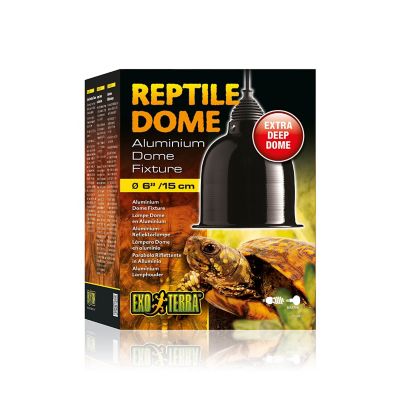
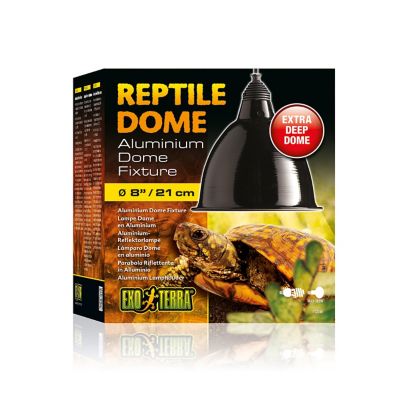
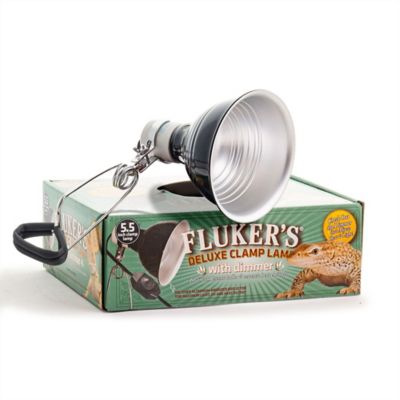
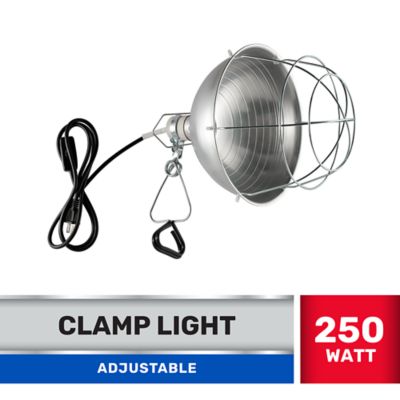
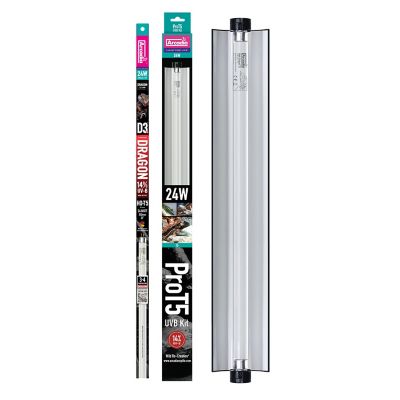
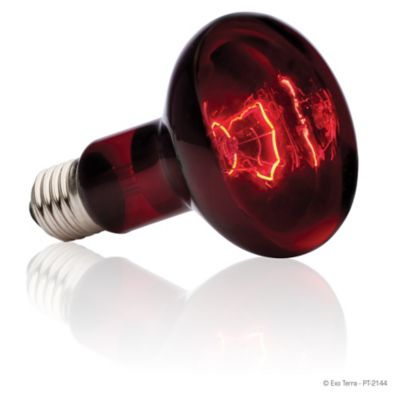
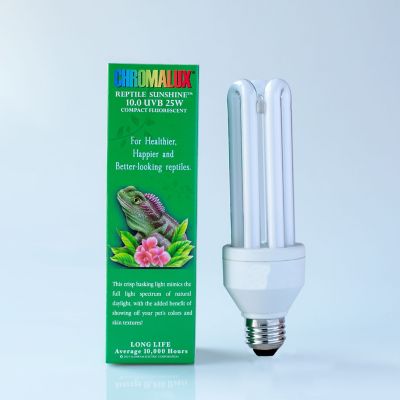
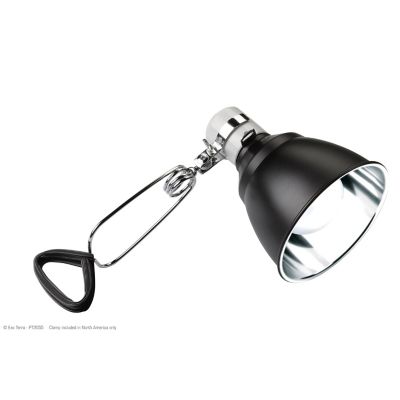
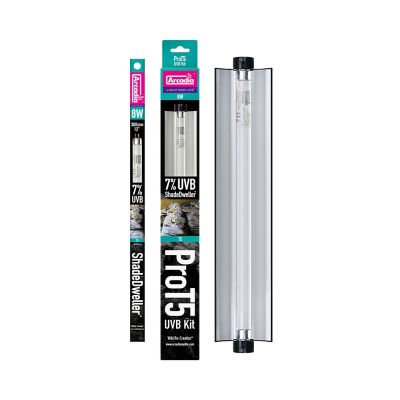
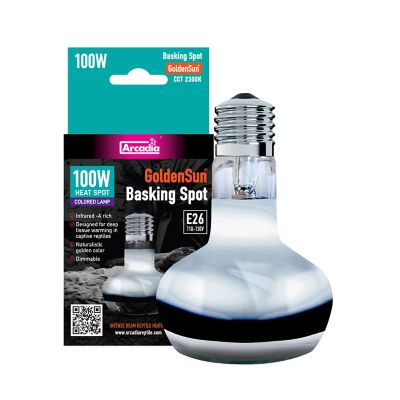
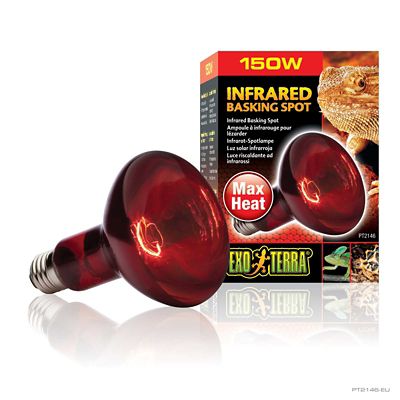
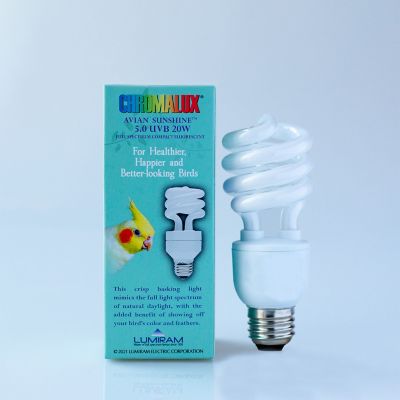
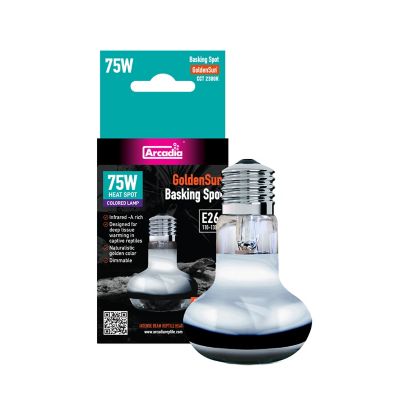
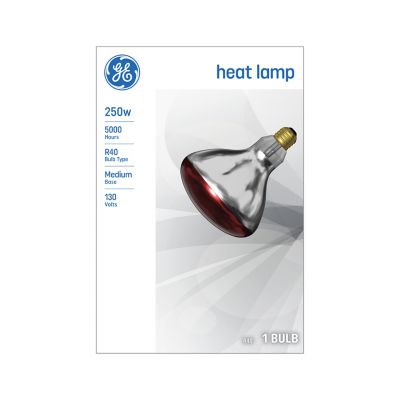
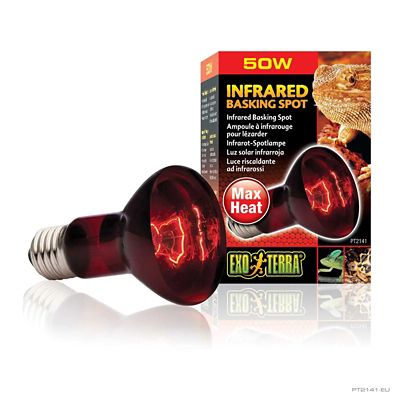
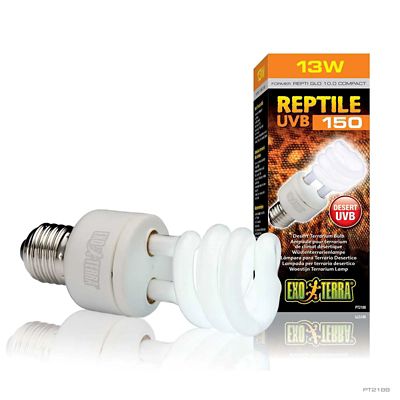
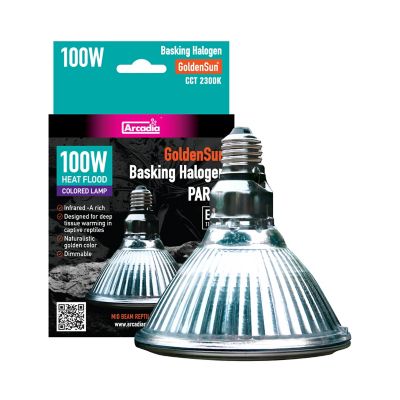
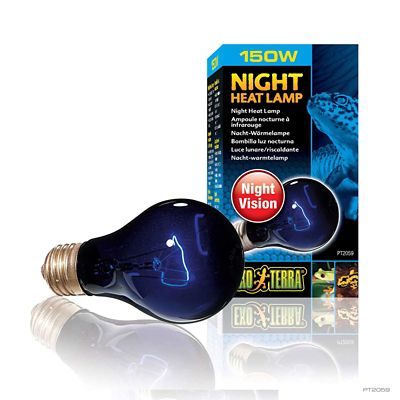
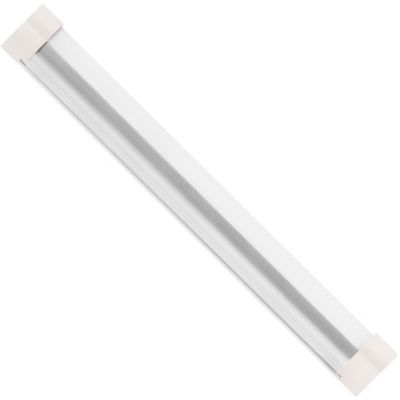
Reptile lighting fixtures hold compatible lamps and help direct light or heat into an enclosure, giving reptiles access to the conditions their species needs. The fixture supports the lamp; the bulb or lighting system determines whether it supplies basking heat, UVA, UVB, visible light, or a combination. That distinction matters when comparing dome lamps, linear fixtures, and setups with more than one lamp position. A dome fixture concentrates output over a particular area, while a linear fixture can spread light across a longer stretch of habitat. A bearded dragon stretching out on a basking branch has different lighting needs from a snake resting beneath a hide, so the enclosure and its resident are the starting point for a good match. Reflector shape, socket construction, cord placement, and mounting style all affect how a fixture fits into that space. Aluminum reflectors help direct output toward the habitat, and deeper domes can accommodate longer bulbs without leaving them projecting below the rim, provided the bulb dimensions match the housing. For heat-producing lamps, a ceramic socket and a fixture expressly rated for the lamp type help support safe operation. The bulb’s wattage must not exceed the fixture’s maximum rating, and the enclosure’s heat tolerance matters, too. A ceramic socket alone does not mean every heat emitter or bulb belongs in that fixture. Some housings accommodate basking bulbs but not ceramic heat emitters, making the manufacturer’s compatibility information an important part of the selection. Fixtures with separate lamp positions can bring different lighting functions together without crowding the enclosure top, but each position still has its own limits. A tidy arrangement leaves room for secure mounting, ventilation, feeding access, and the routine work of caring for the animal. It also keeps electrical cords from trailing across a water dish or getting pinched when an enclosure door swings shut.
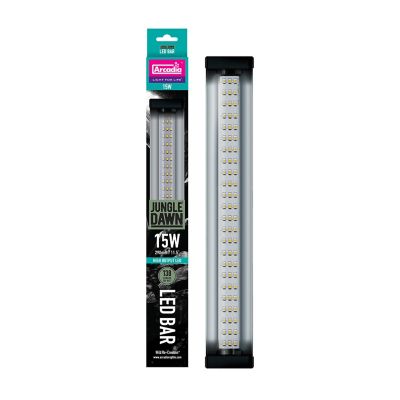
Enclosure fit starts with the lid, the mounting surface, and the space between the lamp and the animal’s closest resting spot. A clamp-mounted dome needs a firm attachment point and any additional support specified by its manufacturer, rather than a loose perch on the edge of a tank. A hanging fixture needs a stand or support that can hold its weight without tipping, while a linear housing needs brackets that match its mounting requirements. Not every fixture is suitable for resting directly on a screen top or mounting inside a habitat. Hot bulbs and housings need clearance from bedding, wood, plastic, curtains, and any surface the reptile can reach. A sturdy branch can bring a climbing lizard much closer to a lamp than the enclosure floor suggests, so fixture placement has to account for the animal’s full reach. UVB exposure also depends on the lamp, reflector, mounting distance, and anything between the lamp and the basking area. Ordinary glass and many clear plastics block UVB, while mesh can reduce the amount that reaches the animal. Manufacturer distance recommendations may therefore differ for placement above a screen and placement without a screen in the way. A UV Index meter can help assess exposure at the animal’s level; visible brightness alone cannot show UVB output. Lighting that reaches a basking spot should still leave access to shade and shelter, rather than flooding every corner with the same exposure. Longer housings can suit broader habitats, but enclosure length alone does not establish the correct UVB strength. The lamp and fixture need to work together for the species and layout. For light around the enclosure,
LED Fixtures can make feeding and cleaning easier to see, but ordinary room lighting does not replace reptile UVB or basking equipment. Keeping those jobs separate makes it easier to choose habitat lighting for the animal and nearby lighting for everyday chores.
Daily operation and simple upkeep matter just as much as the fixture’s shape. Accessible switches and sensible cord lengths make a difference when the enclosure sits on a shelf, inside a reptile room, or near the family’s usual gathering spot. A fixture that can stay firmly in place during feeding and cleaning keeps chores straightforward without repeated adjustments over the animal. Timers can support a consistent day-and-night schedule when the fixture and lamps are compatible with them. Dark periods are part of normal reptile care, so a daytime basking lamp is not a stand-in for equipment selected to provide any necessary overnight heat without visible light. Dimming controls also require the right lamp: mercury vapor and compact fluorescent UVB bulbs generally cannot run on a standard dimmer. Heat-control equipment should match both the lamp technology and the application, with conditions checked at the basking area and in the shaded portion of the enclosure. For cleaning, power should be disconnected and the housing allowed to cool fully before handling. Dust on reflectors, screens, and lamp surfaces can interfere with output, and moisture near electrical parts creates an avoidable hazard. Cleaning methods should follow the fixture maker’s directions, with no liquid entering sockets, switches, or connections. Regular checks for loose hardware, frayed cords, cracked sockets, and corrosion help catch problems before another lighting cycle begins. Damaged electrical equipment needs to come out of service rather than stay plugged in with a makeshift repair. UVB lamps also have replacement schedules separate from the fixture itself; a bulb can still shine after its UVB output has dropped below the intended level. That makes it worth keeping lamp information and replacement dates close to the enclosure records. For a first reptile habitat or an established animal room, a well-matched fixture brings the practical details together: secure support, the right lamp compatibility, room for routine care, and light directed where it belongs. The result is a setup that works for the animal while staying manageable for the person filling the water bowl and checking the basking branch each day.