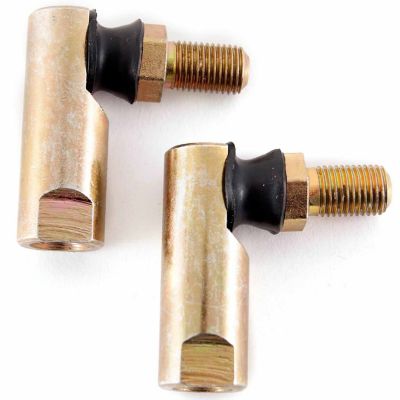
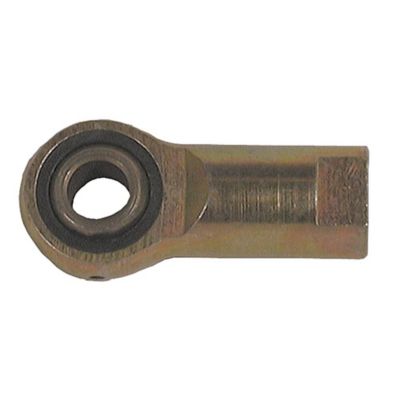
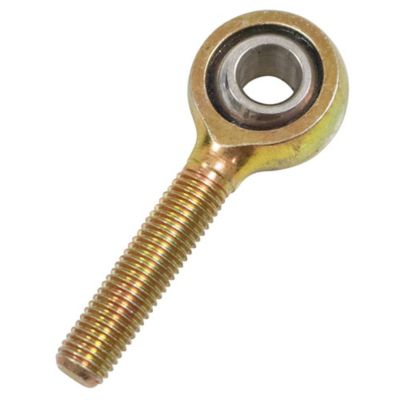
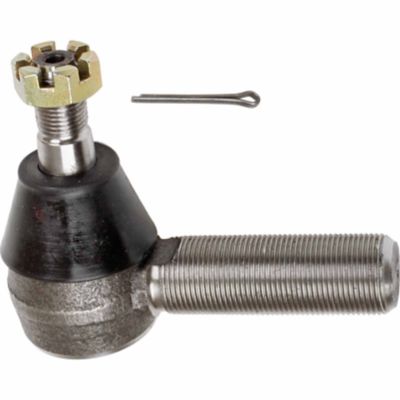
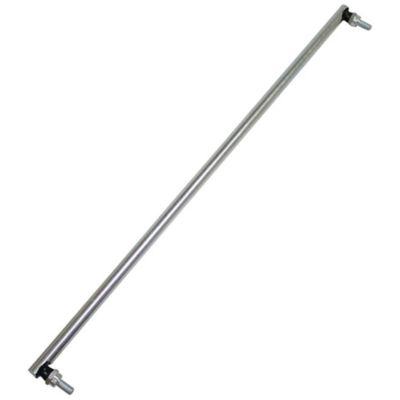
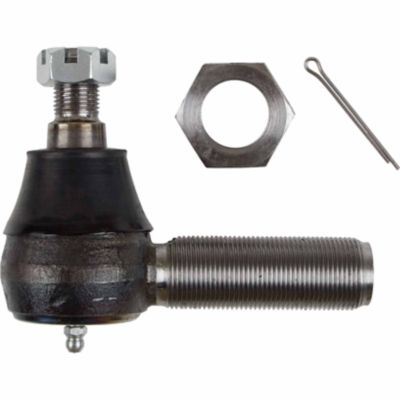
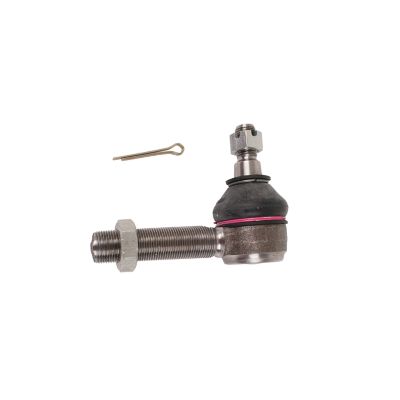
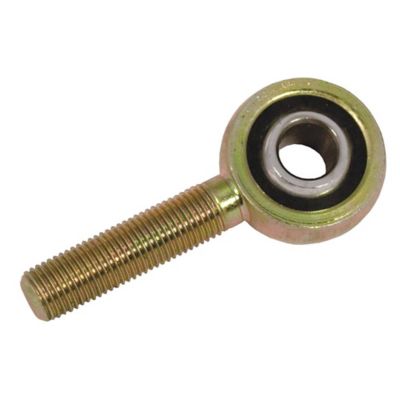
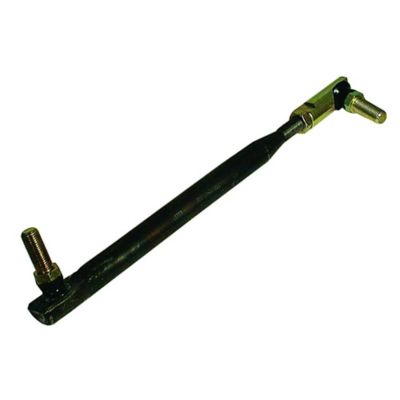
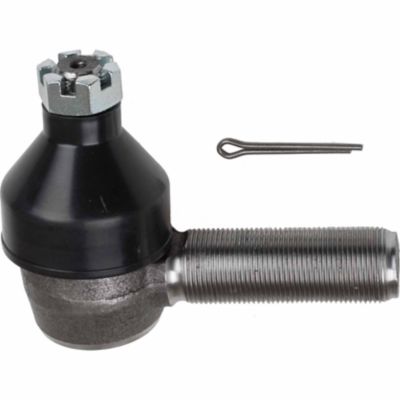
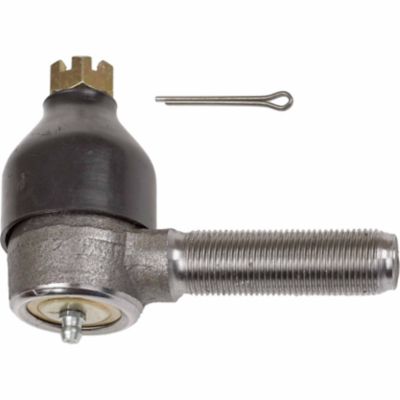
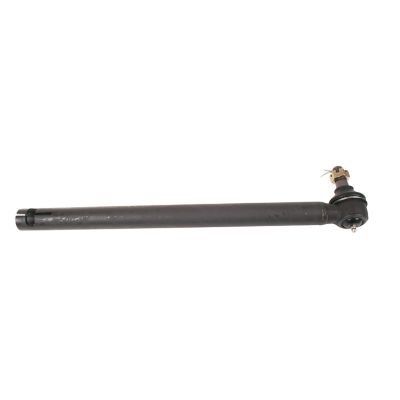
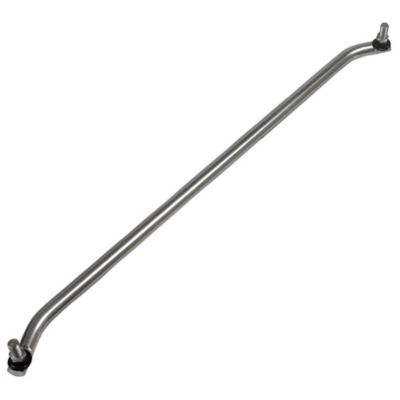
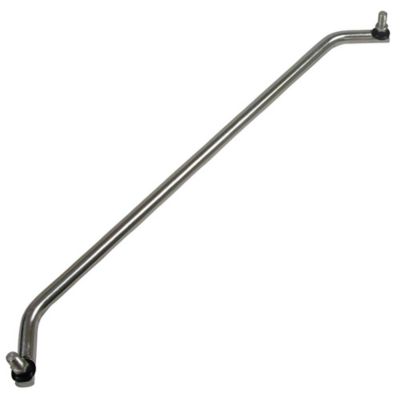
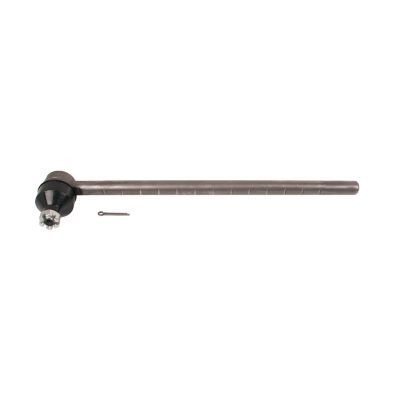
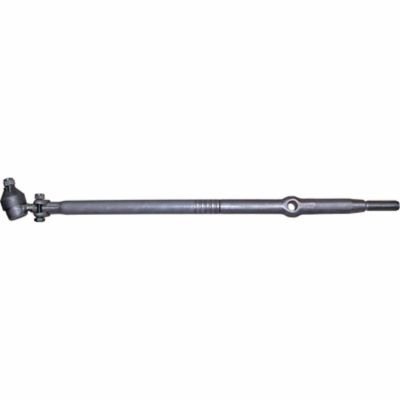
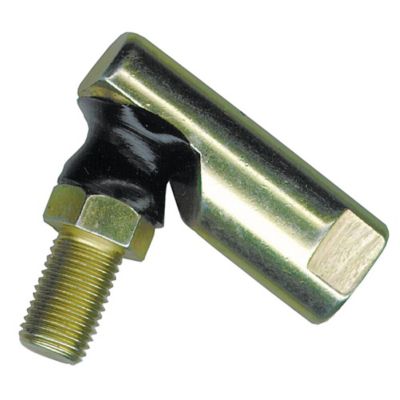
Replacement tie rod ends are steering and suspension parts that connect the steering linkage to the steering knuckle, helping your vehicle respond when you turn the wheel. They are used on many cars, trucks, SUVs and other road-going vehicles, though the correct part depends on the vehicle’s year, make, model, drivetrain and steering setup. A worn tie rod end can allow unwanted movement at the wheel and may show up as loose or wandering steering, uneven tire wear, a knocking sound over rough ground, or a steering wheel that no longer sits straight while driving. Some drivers notice a vague, floating feeling on the road, especially when hauling, towing or traveling over gravel, ruts and washboard surfaces. Since these parts are part of the steering system, wear should not be brushed off. A driver who spends the week on back roads, a farmer moving between fields, or a do-it-yourself mechanic keeping an older truck working can all benefit from having the right replacement tie rod end on hand. They can also make a practical gift for someone who enjoys maintaining a work truck or home project vehicle, provided the recipient’s exact vehicle information is checked before purchase. Before ordering, compare the fitment details carefully and confirm whether you need an inner or outer tie rod end, a left- or right-side part, and a component with the proper thread direction, stud size and connection style. It is also wise to inspect the opposite side and related steering components, because wear in one joint may point to age or damage elsewhere in the linkage. While checking the front end, look over wheel bearings, ball joints, control arms, boots and brakes; a steering repair is a good time to review the condition of the rotors as well, and you can browse
Rotor Replacements for additional maintenance needs.
Replacing a tie rod end calls for steady work, the right tools and a safe place to lift the vehicle. A typical job may require a floor jack, sturdy jack stands, wheel chocks, a socket set, ratchets, wrenches, pliers, a breaker bar, a torque wrench and a puller designed for separating steering joints. A grease gun may be needed if the replacement has a serviceable grease fitting. Park on firm, level ground, set the parking brake and block the wheels that remain on the ground. Loosen the wheel lug nuts slightly before lifting, then raise the vehicle at the approved lift point and support it securely on jack stands. Never rely on a jack alone while working underneath or around a raised vehicle. With the wheel removed, locate the tie rod end where it attaches to the steering knuckle. Remove the cotter pin from the castle nut, take off the nut and separate the tapered stud with an appropriate puller. Avoid beating directly on the threaded stud, since damaged threads can make removal and installation harder. If a light tap on the steering knuckle is recommended for the vehicle, protect the surrounding parts and work carefully. Before unscrewing the old tie rod end from the threaded shaft, loosen the jam nut and count the exact number of turns required to remove it. Marking the shaft and measuring the exposed threads can provide another helpful reference. Thread the new part on by the same count and tighten the jam nut, but treat this only as a starting point rather than a substitute for a professional alignment. Install the stud into the steering knuckle, fit the castle nut, and tighten it to the vehicle manufacturer’s specified torque. Use a new cotter pin; do not reuse a bent or damaged one, and do not loosen a properly torqued castle nut simply to line up the pin hole. If the joint has a grease fitting, add the recommended grease until the boot is filled without forcing it to swell or split.
After the wheel is reinstalled and the vehicle is back on the ground, have the front end professionally aligned as soon as practical. Counting the turns can help preserve a close setting, but it cannot account for differences in part dimensions, existing suspension wear or changes in toe alignment. Driving without a proper alignment may cause rapid, uneven tire wear and can affect handling, particularly during braking, cornering or travel on slick roads. Take a short, careful test drive on a familiar route and pay attention to steering play, unusual noises, pulling, vibration or a crooked steering wheel. Stop and inspect the work if anything feels different from normal. Tie rod ends can wear faster on vehicles that regularly travel gravel roads, deep ruts, muddy lanes or construction areas, where dirt and water work their way around protective boots and joints. During cooler months, road moisture, frozen ground and deicing residue can add to the abuse, so rinsing away heavy buildup and checking for torn boots is worthwhile when conditions allow. Keep records of the repair, including the part location and alignment date, especially when maintaining several vehicles or equipment used around the farm. The safest replacement is one that matches the vehicle exactly, is installed with the correct hardware and torque, and is followed by a complete steering and alignment check. With those details handled, a replacement tie rod end can help restore firm steering response and keep an everyday driver, work truck or weekend project vehicle ready for the road.