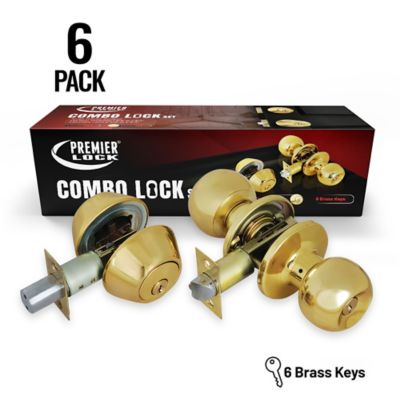
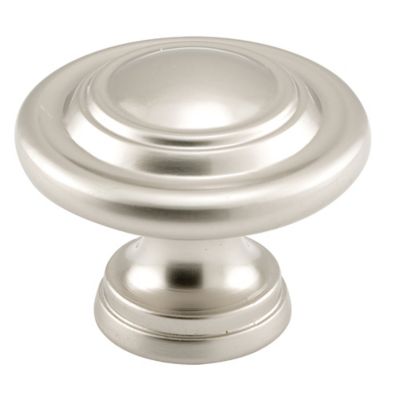
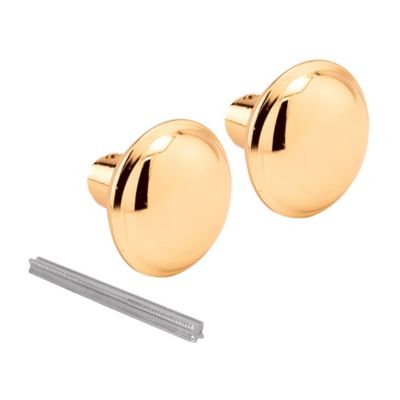
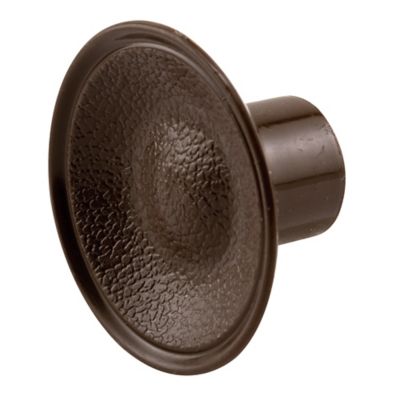
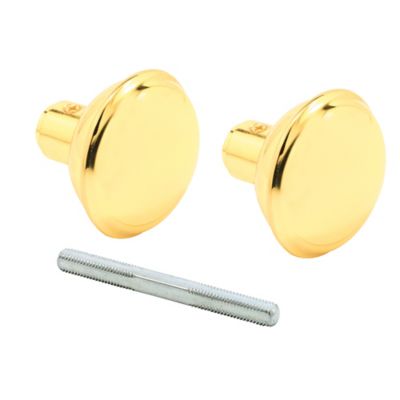
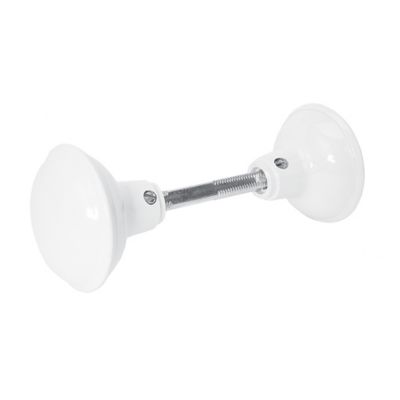
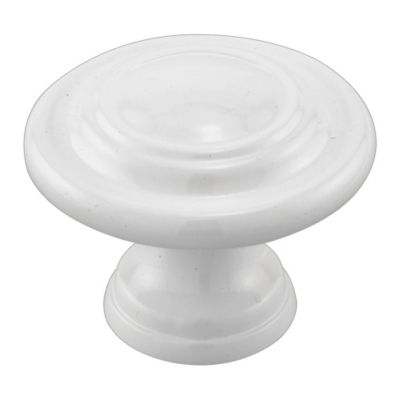
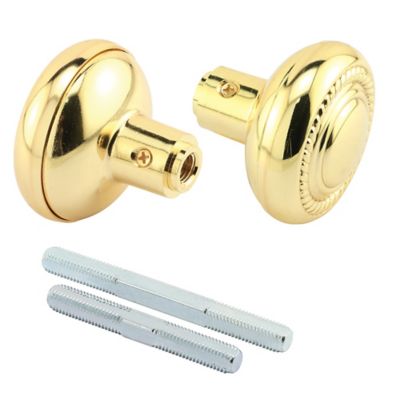
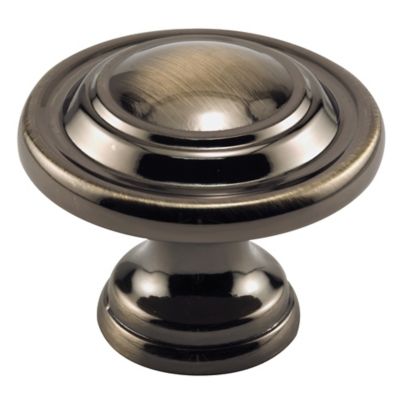
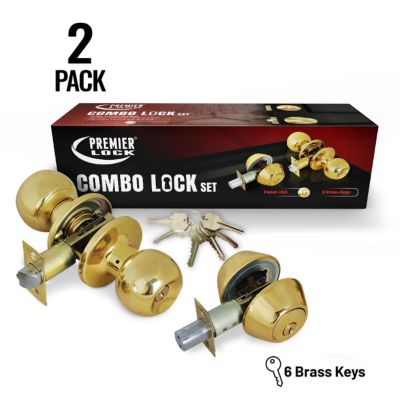
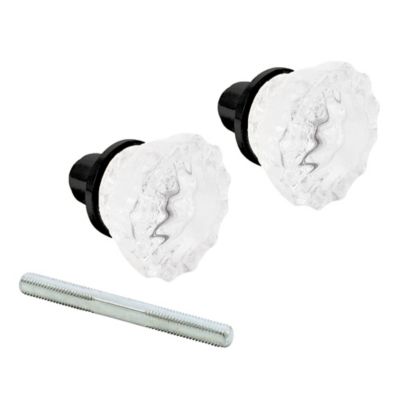
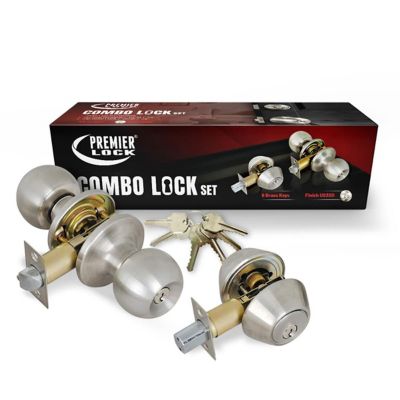
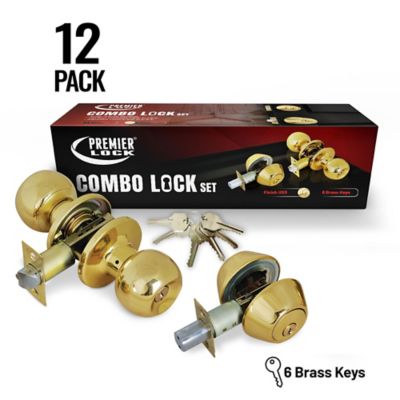
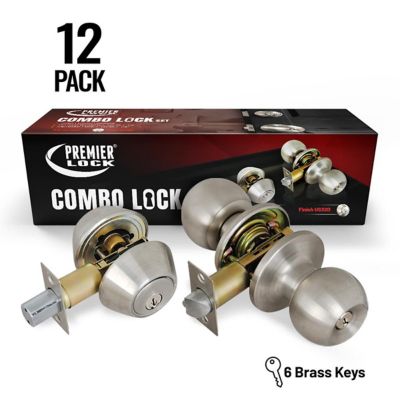
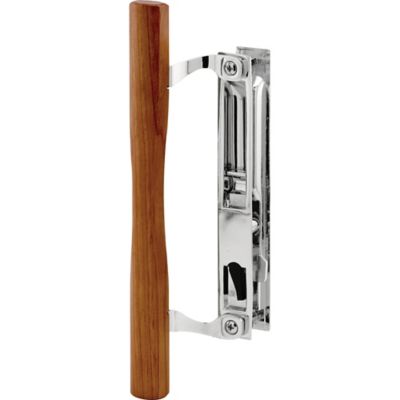
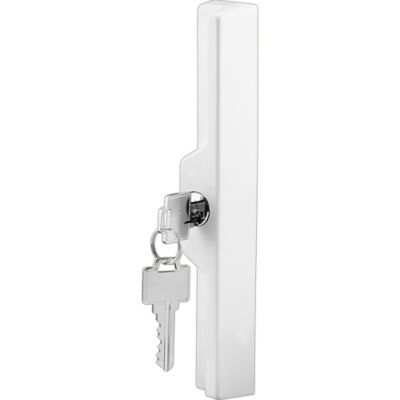
Door knobs do a small job that makes a big difference every day: keeping a door easy to open, close and secure for its intended purpose. The right choice starts with what sits on either side of the doorway, whether that is a bedroom, bathroom, hallway, attached garage or front porch. Keyed entry door knobs typically lock with a key from the outside and a turn-button or push-button on the inside, making them a common fit for entry points where controlled access matters. An entry knob is not a substitute for a deadbolt when the door calls for that added locking function; the two pieces need to suit the door and work together. Privacy door knobs are meant for bedrooms and bathrooms, with an inside lock and, on many designs, an outside emergency release. That release may take a small pin or a flat tool, depending on the mechanism, so it helps to know how it operates before a child accidentally locks the bathroom door. Privacy hardware provides personal space rather than the security of a keyed entry lock. Passage door knobs turn and retract a latch without locking, which suits hall closets, laundry rooms and other spaces where easy access matters more than privacy. Dummy door knobs are fixed pulls with no working latch mechanism. They fit doors that stay shut with a separate catch, such as certain pantry doors or the inactive side of a paired doorway. These differences matter more than appearance alone. A matching finish will not make a fixed knob work like a passage knob, and a privacy lock does not serve the same purpose as keyed entry hardware. For a farmhouse hallway with several doors close together, keeping the knob shape consistent while choosing the proper function for each room can give the space a settled look without making every door operate the same way. A comfortable grip and a latch that catches cleanly are the everyday details worth paying attention to.
Fit matters just as much as function, especially when replacing hardware in an existing door. Two common residential backsets are 2 3/8 inches and 2 3/4 inches. Backset means the distance from the edge of the door to the center of the main knob opening, not the diameter of that opening. Some latch assemblies adjust between those measurements, while others fit only one, so the listed specifications matter. Many residential knob sets fit doors from 1 3/8 inches to 1 3/4 inches thick, but that range is not universal. Thicker doors, thin interior doors and older doors may need different hardware or additional parts. A 2 1/8-inch main bore and a 1-inch edge bore are common preparations, though existing openings should always be checked rather than assumed. The latch face also needs to suit the edge of the door: a rectangular faceplate sits in a shallow recess, while a drive-in latch fits a round edge opening without that plate. Rounded and square faceplate corners can affect how neatly replacement hardware sits in an existing recess. On the frame side, the strike plate must line up with the latch so the door closes without lifting, dragging or a hard shove. Loose hinges or a shifted door can cause trouble that a new knob alone will not solve. Clearance deserves a look, too, particularly around narrow trim, screen doors and nearby walls. A large round knob can feel quite different from a smaller oval shape, even when both fit the same opening. Many round knob sets work on either a left-hand or right-hand door, but that should be confirmed for the design. For households with several keyed doors, compatible cylinders and keying options can simplify access, although matching finishes do not mean two locks accept the same key. Owners of rental homes, busy households and properties with separate workspaces may have different access needs, making the lock function and key arrangement important parts of the choice.
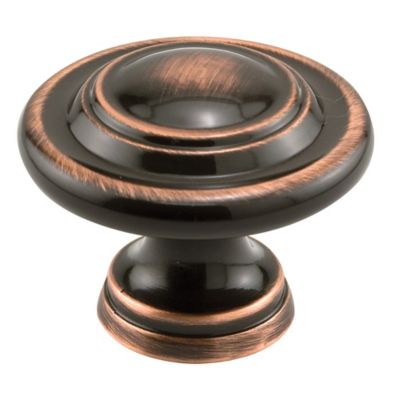
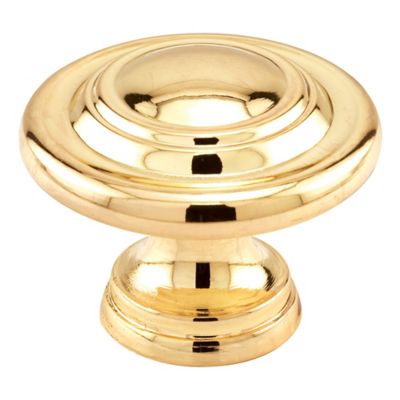
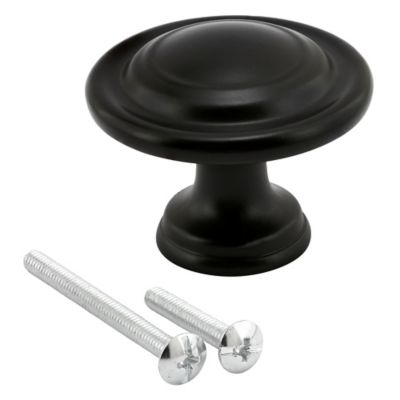
Materials, finish and everyday upkeep help determine how door knobs hold up to repeated turning, damp hands and regular cleaning. Brass, steel and zinc alloys are common materials, but a finish name does not necessarily identify the metal underneath. A brass-colored knob, for example, may have a plated surface over another material. Construction details, corrosion resistance and the manufacturer's intended application are better measures of suitability than color alone. Exterior door knobs should be specified for exterior service, while interior hardware should suit the room and level of use. A bathroom knob has different demands from a seldom-opened linen closet, and a busy back entry sees more handling than a spare bedroom. Smooth operation, a secure mounting connection and a finish suited to frequent contact all contribute to a longer service life. Satin nickel and brushed finishes bring a softer sheen, polished brass adds a brighter traditional touch, and matte black creates stronger contrast against light-painted doors. Coordinating knobs with hinges, strike plates and nearby fixtures can keep a room from looking pieced together, though every metal surface does not have to match exactly. Related hardware, including
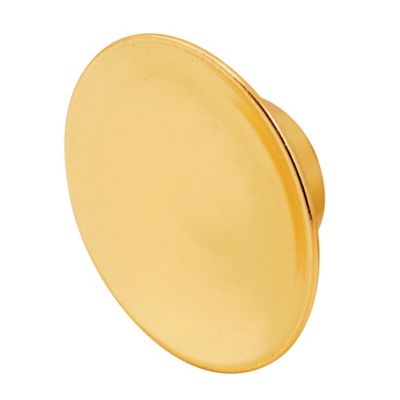
Handle Knobs, can also be part of a broader update around the house. Shape matters alongside finish: a simple round profile feels understated, while an oval form changes both the look and the grip. For someone who has trouble twisting a round knob, a lever-style handle may be a more comfortable choice. Care is generally straightforward, but the finish instructions should lead the way. A soft cloth and mild soap are often enough for routine cleaning, followed by drying the surface. Abrasive pads, harsh cleaners and metal polish can damage certain coatings, even if the underlying metal seems tough. If operation becomes stiff, checking alignment and following the manufacturer's lubrication directions makes more sense than spraying an all-purpose product into the lock. With the proper function, fit and care, door knobs can keep the daily traffic between rooms moving smoothly while looking right at home.