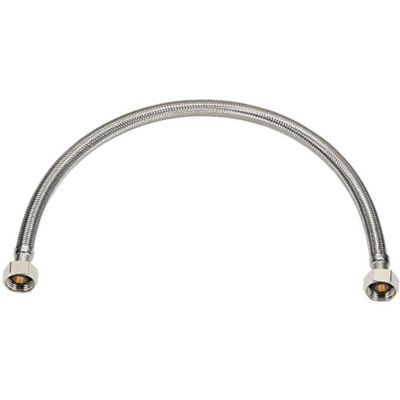
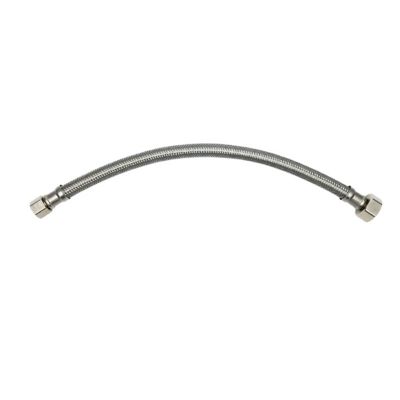
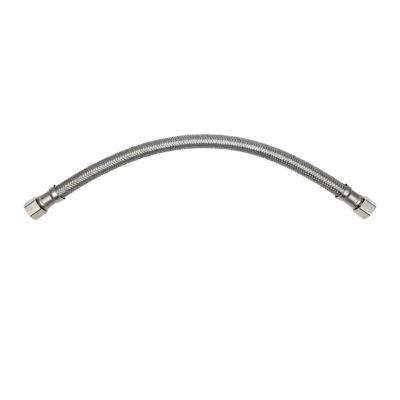
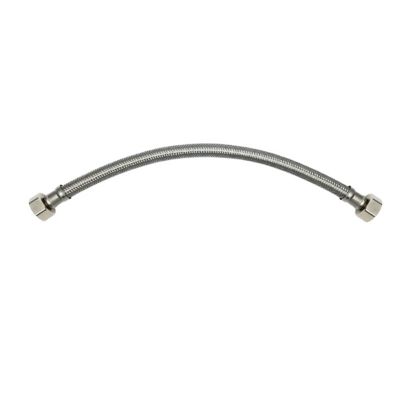
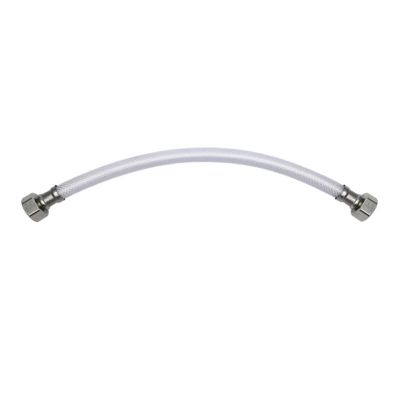
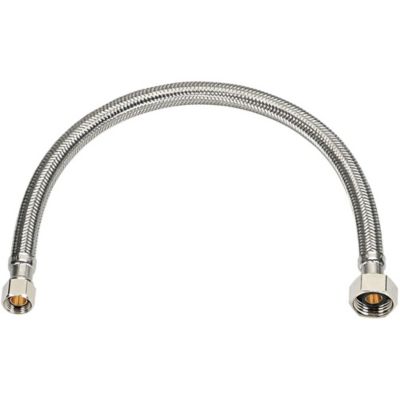
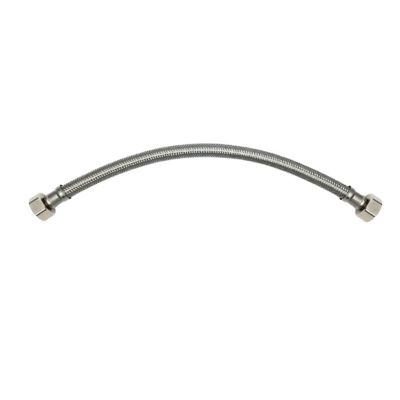
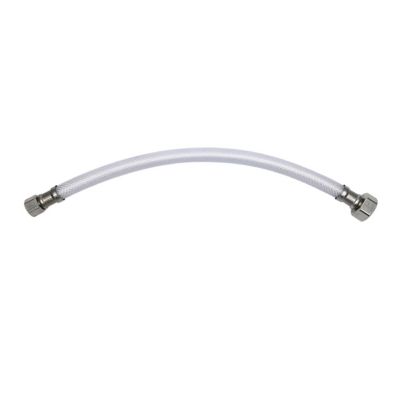
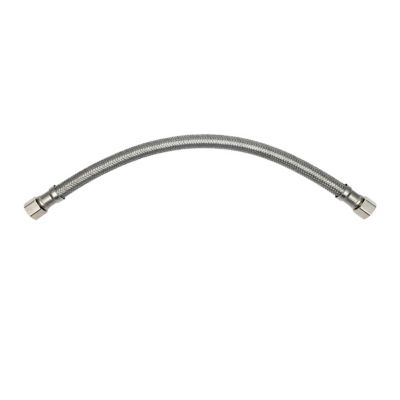
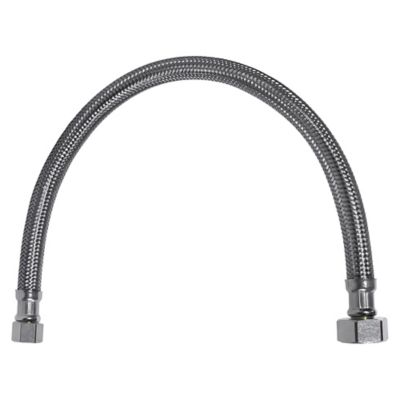
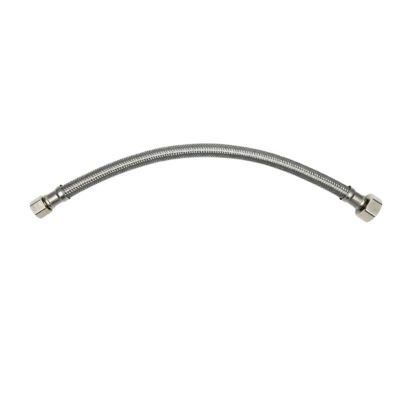
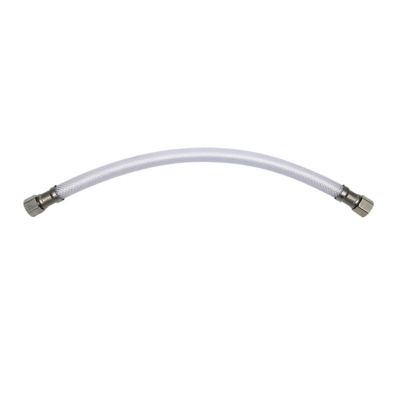
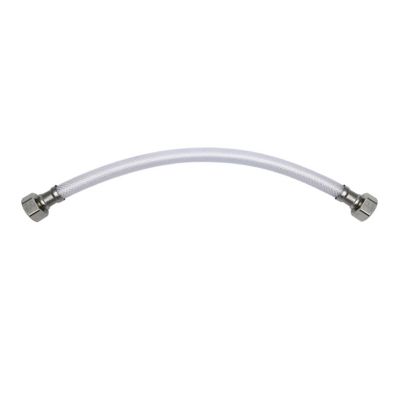
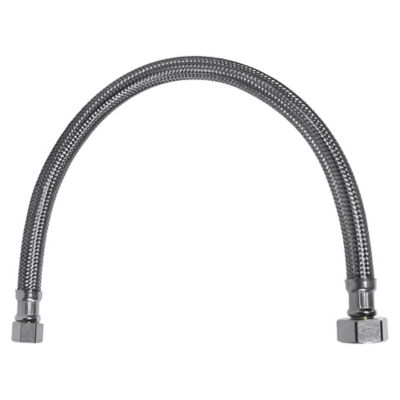
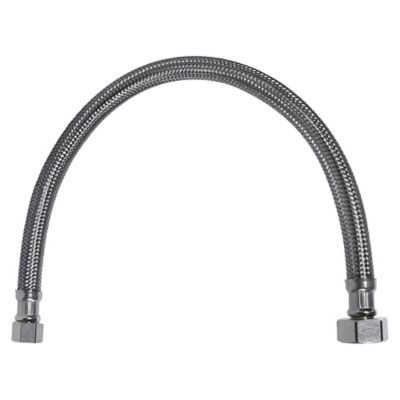
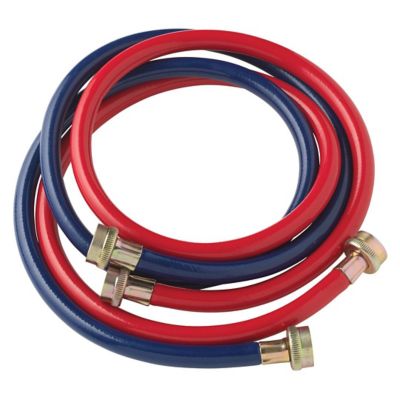
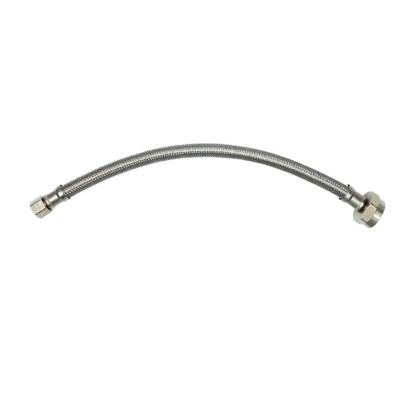
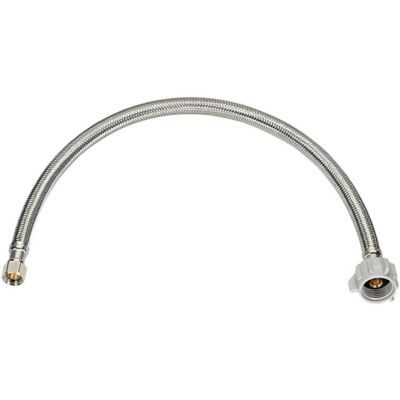
Kitchen faucet hoses might not be the flashiest part of your home, but when one starts to leak or just doesn’t retract like it used to, you sure notice. Folks who spend a lot of time in the kitchen—whether that’s washing up after a big family dinner, canning summer tomatoes, or just rinsing off muddy boots—know that a good, sturdy kitchen faucet hose makes all the difference. Over time, even the best sink hoses kitchen setups can wear out, especially with all the pulling, twisting, and water pressure changes that come with daily farm and homestead life. That’s when having a replacement hose handy—or knowing where to find the right one—comes in mighty useful. It’s a simple fix that can save you from bigger plumbing headaches down the road, and it doesn’t take more than a half hour and a couple of basic tools. Just make sure to turn off the water supply, keep a bucket handy for drips, and have an adjustable wrench ready to go. It’s always smart to compare the length of your old hose to the new one before threading it through, just to be sure you’ve got a match that’ll work with your faucet setup.
Whether you’re tackling this job for yourself, helping out a neighbor, or even picking up a replacement kitchen faucet hose as a practical housewarming gift for someone who just moved into a fixer-upper, it’s a thoughtful gesture that folks really appreciate. The need for a new hose tends to pop up at the most inconvenient times—right before a backyard barbecue as the weather warms, or when you’re elbow-deep in garden harvests and need that sprayer to rinse veggies. With so many different styles of faucets these days, from pulldown sprayers to side-mount options, making sure you’ve got the right connection type and hose length is key. Some hoses use quick-connect fittings, while others might need a bit more elbow grease to swap out. Either way, it’s not a job that requires a plumber—just a little patience, some common sense, and maybe a good story to tell when you’re done. And if you find yourself fixing up more than just the kitchen, you might want to check out other handy replacements, like
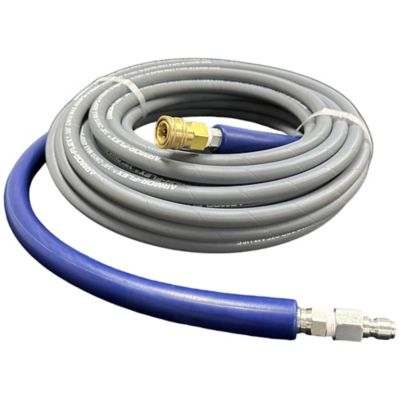
Replacement Pressure Washer Hoses, especially if you’re gearing up for outdoor chores or sprucing up equipment before the cooler months set in.
For those who like to keep things running smooth around the house and barn, swapping out a worn sink hose kitchen component is just another way to keep your space functional and comfortable. It’s the kind of maintenance that pays off every time you pull out the sprayer and see a steady, leak-free stream. Plus, having a reliable kitchen faucet hose makes all those everyday tasks—from filling up the dog’s water bowl to scrubbing muddy potatoes—just a little bit easier. Whether you’re a seasoned DIY-er or just learning your way around the toolbox, replacing a kitchen faucet hose is a straightforward project that brings real, noticeable results. And as the seasons shift and life gets busy, it’s one less thing to worry about when you know your kitchen is ready for whatever the day brings.