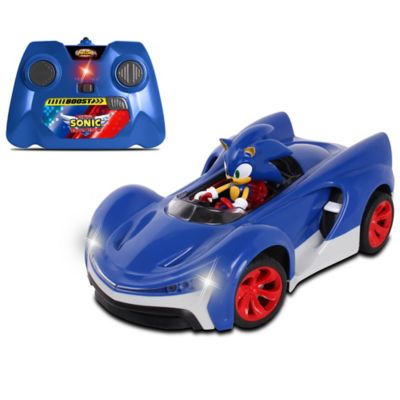
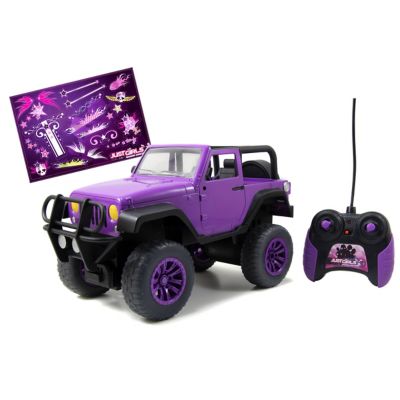
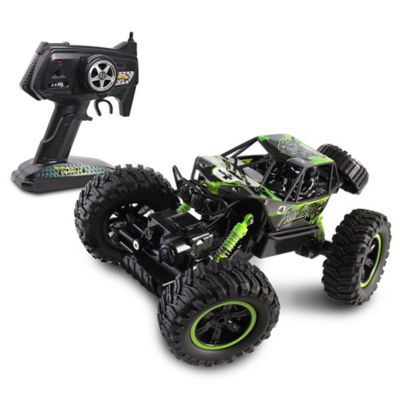
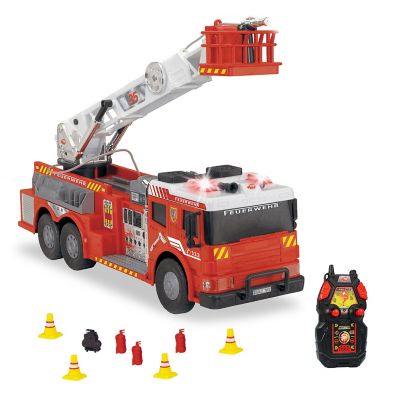
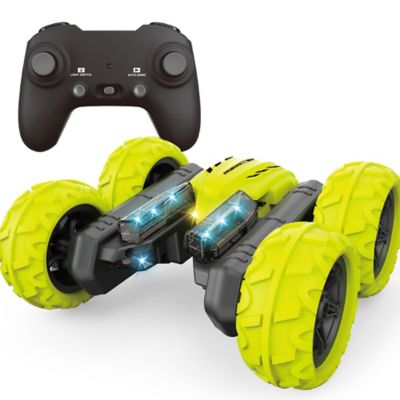
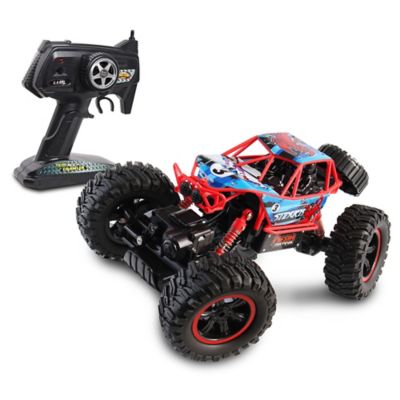
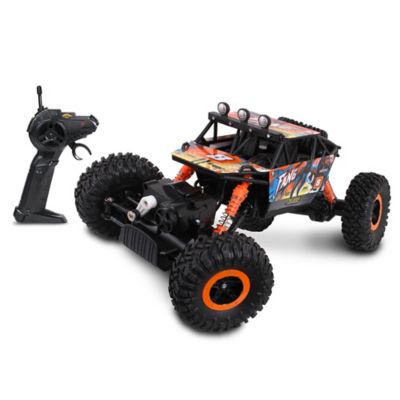
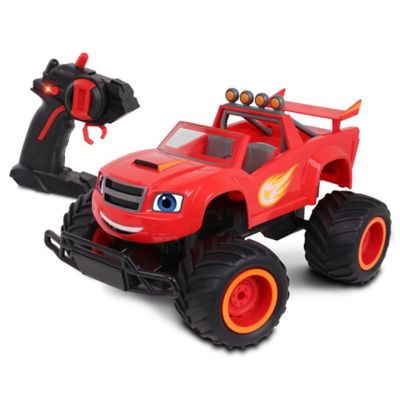
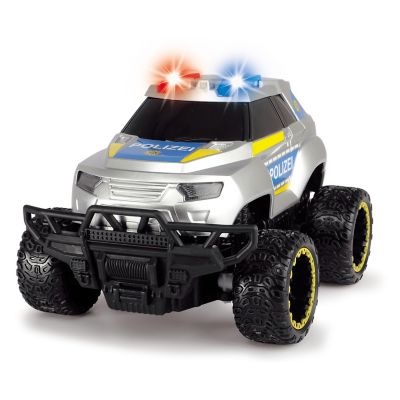
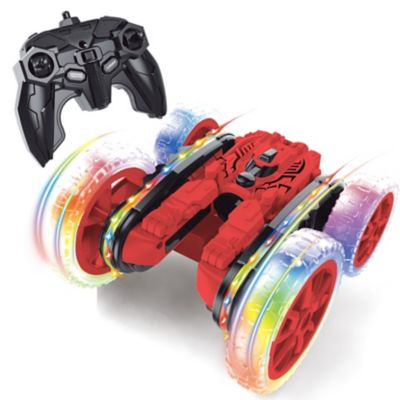
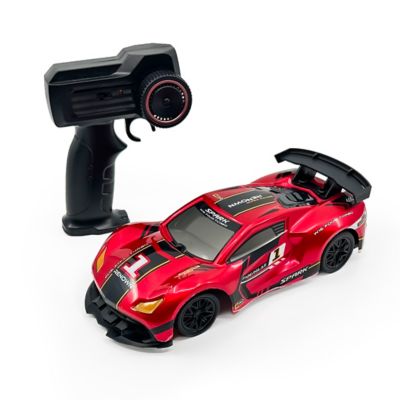
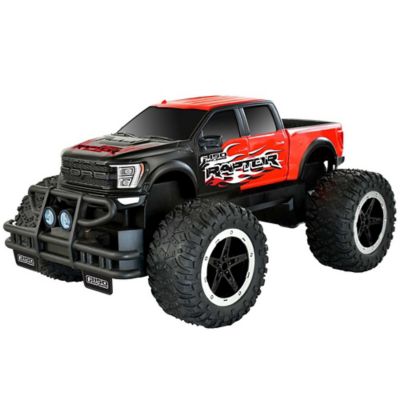
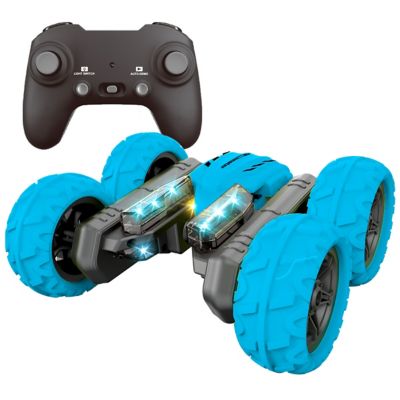
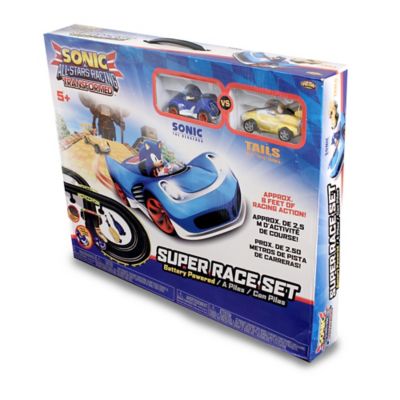
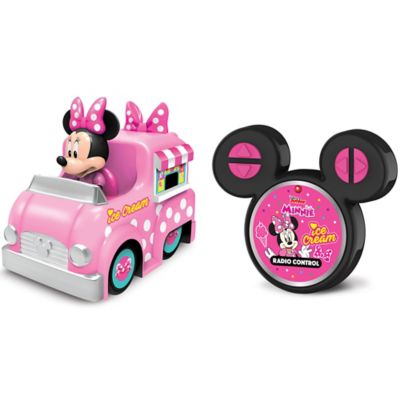
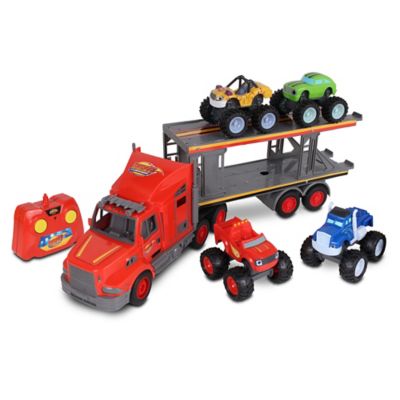
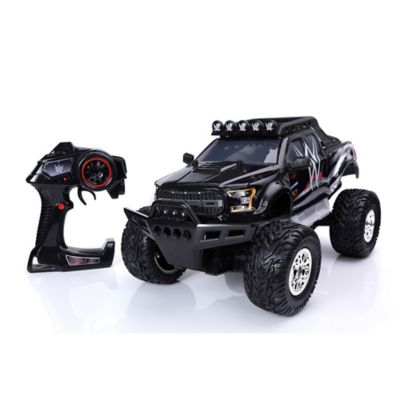
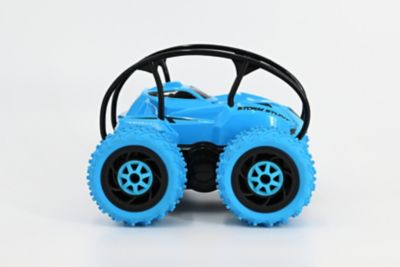
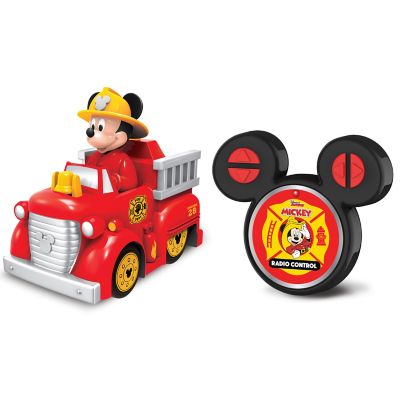
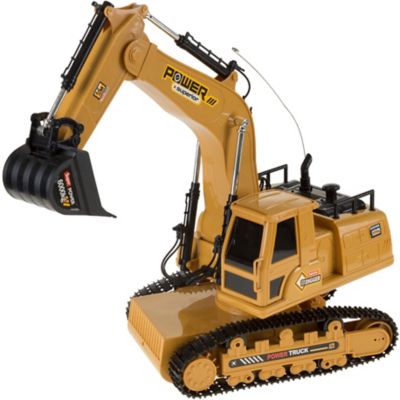
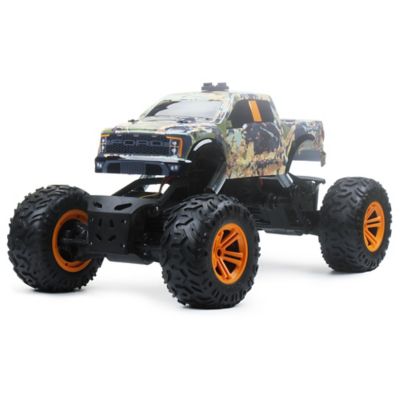
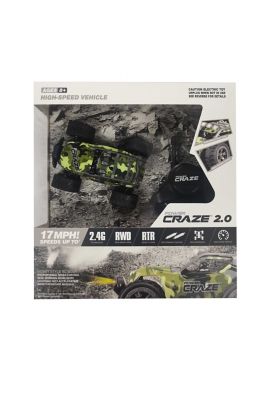
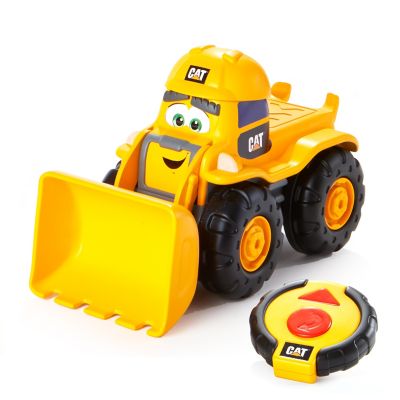
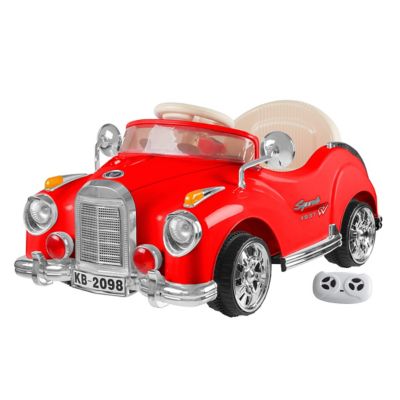
A 2.4 GHz remote control car brings a little backyard excitement to driveways, living rooms, gravel paths, and open stretches of lawn. The 2.4 GHz radio system is one of the most useful features to look for because it gives the car and controller a stable connection with quick steering and throttle response. Unlike older systems that could interfere with one another, modern 2.4 GHz controllers are designed to pair with a particular vehicle, allowing several cars to run at the same time with much less signal crossover. That makes side-by-side racing, obstacle courses, and family play easier when each driver has a separate car. Depending on the design and surroundings, many standard models offer a practical control range of roughly 40 to more than 130 feet. Walls, trees, vehicles, hills, and other sources of interference can shorten that distance, so the advertised range is best viewed as a general guideline rather than a promise for every yard. For indoor play, compact cars with simple controls can weave around furniture and race across smooth floors. Outdoors, trucks and larger off-road styles are better suited to grass, packed dirt, sidewalks, and uneven ground. Drivers who enjoy climbing over roots, small rocks, or homemade ramps may prefer a vehicle with larger tires, greater ground clearance, and a sturdy body. For more options built around the same kind of active play, browse
Remote Control Toy Trucks.
Choosing the right 2.4 GHz remote control car starts with matching the vehicle to the driver, the play space, and the expected amount of use. Toy-grade cars are generally ready for casual fun and are often a good fit for younger children who are learning how steering, speed, and direction work together. Look for straightforward controls, a durable body, a broad stance, and a speed that feels manageable rather than overwhelming. Some beginner-friendly cars include simple forward, reverse, left, and right controls, while others add stunt functions, spinning wheels, or lights for extra indoor entertainment. Faster cars and hobby-style vehicles are better suited to older children, teens, and adults who want more precise handling and a stronger outdoor experience. These models may include proportional steering and throttle, which allow the driver to make gradual turns and adjust speed instead of relying only on full-speed or stop commands. Replaceable tires, shocks, gears, and body parts can also matter for anyone planning to drive often. A ready-to-run setup is convenient because the vehicle, transmitter, and basic operating pieces come together in one package, though batteries may need to be purchased separately or charged before the first outing. Check the product details for battery type, charging time, expected run time, and whether a charger is included. It is also worth checking the recommended age, controller layout, tire style, and surface guidance. A lightweight car that feels quick and nimble on a hardwood floor may struggle in tall grass, while an off-road truck built for the yard may be too bulky for a small room. Families who plan to race together should choose compatible 2.4 GHz vehicles so each controller can pair correctly and multiple drivers can share the track.
These cars make enjoyable gifts for birthdays, holidays, reward occasions, and those ordinary afternoons when a child needs a hands-on activity away from a screen. They can also be a fun choice for siblings, cousins, grandparents, and grown-ups who enjoy a bit of friendly competition. A remote control car gives new drivers a chance to practice coordination, timing, and patience while setting up a course with cardboard boxes, garden stakes, cones, sticks, or small ramps. On a warm afternoon, a driveway can become a simple raceway, with chalk lines marking the start and finish. During cooler months, indoor drivers can build a winding course through a basement, garage, or open family room, using soft obstacles that will not damage furniture or the vehicle. Outdoor use calls for a quick look at the ground before driving: puddles, loose gravel, thick weeds, and steep drop-offs can put stress on the motor, steering, or gears. Unless a car is specifically labeled for water resistance or wet conditions, keep it away from standing water and damp grass. After a dusty run, brush off dirt and grass, inspect the wheels, and remove debris from the axles. Store the car and controller in a dry place, turn both off when finished, and follow the charging instructions for the battery. A little routine care helps preserve run time and keeps the controls feeling responsive. Whether the goal is a first introduction to remote control play, weekend racing with friends, or a more involved hobby that includes tuning and replacement parts, 2.4 GHz remote control cars offer a flexible way to enjoy fast-moving fun in small spaces and wide-open places.