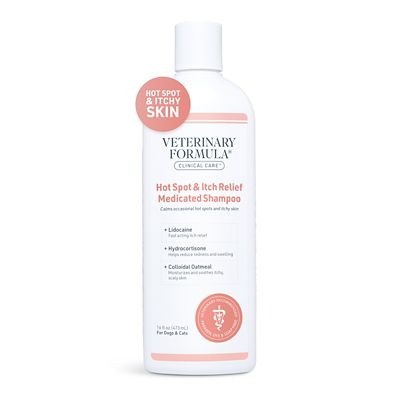
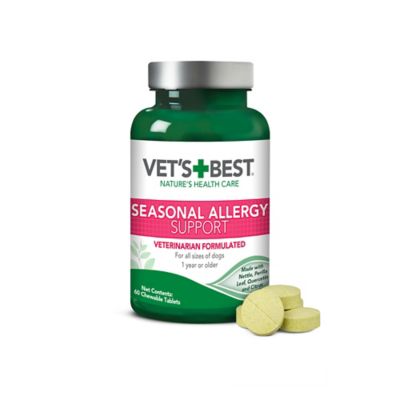
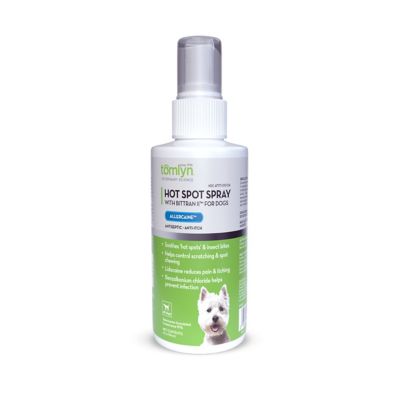
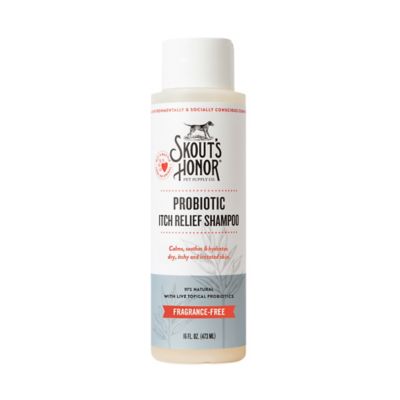
Relief for itchy dogs means finding care that fits the dog, the skin concern and the reason behind all that scratching. A dog chewing at a front paw under the kitchen table may need something different from one rubbing its back against the porch steps or scratching around its collar. Dog itch relief products include soothing shampoos, moisturizing sprays, skin-care wipes and other options that support comfort without taking the place of a veterinary diagnosis. Colloidal oatmeal, a finely ground form of oatmeal found in some dog skin-care formulas, can help soothe mildly irritated skin. Moisturizing ingredients may help with dryness, while gentle cleansing can lift dirt and residue from the coat. These benefits depend on the formula and the condition of the skin; an oatmeal shampoo does not treat every cause of itching. Fleas, environmental allergies, food reactions and skin infections can all lead to scratching, and several problems can happen at once. That makes intended use an important part of comparing products. A formula meant for routine coat care is different from a medicated treatment with directions for a particular skin condition. Labels should clearly identify whether a product is for dogs, the minimum age for application and any restrictions for irritated or broken skin. Puppies, senior dogs and dogs taking medication may need extra consideration before a new topical treatment or supplement becomes part of their routine. Mild, occasional itching is also different from relentless chewing, interrupted sleep or skin that looks sore. Open sores, bleeding, extensive hair loss, discharge or a strong, unpleasant skin odor call for prompt veterinary attention. Swelling of the face or trouble breathing requires emergency care. For a dog with recurring discomfort, products generally work best as part of a plan that addresses the cause rather than simply covering up the scratching. A comfortable coat and calmer skin are the goal, not a stronger scent or a layer of product over an untreated problem.
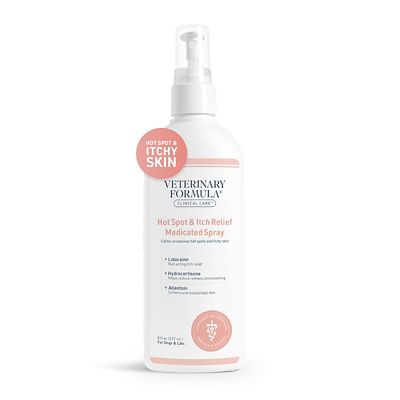
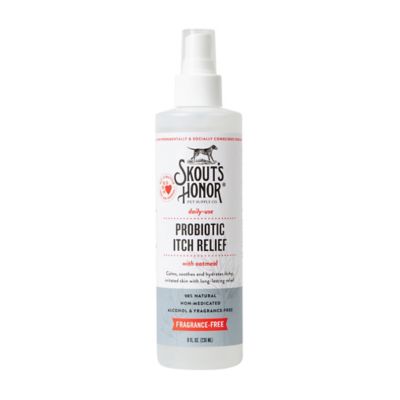
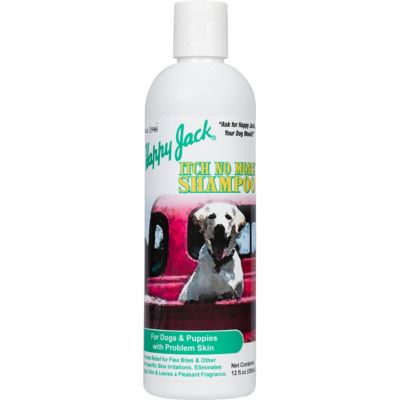
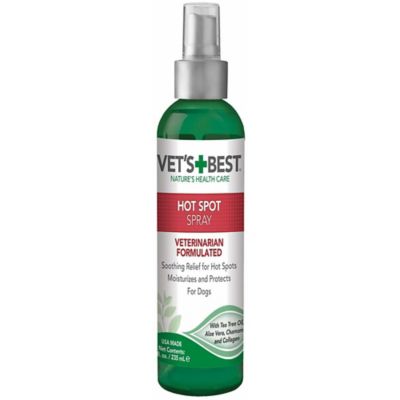
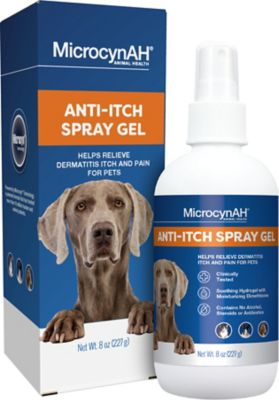
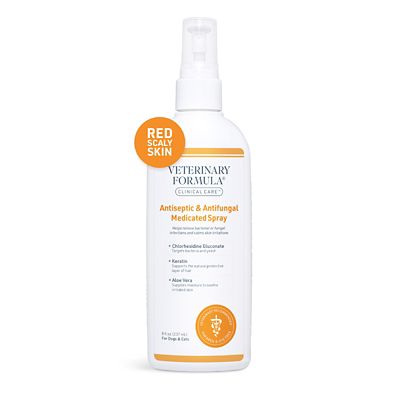
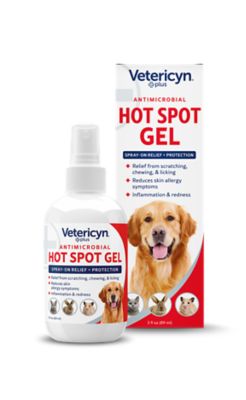
Shampoos, sprays and wipes offer different ways to care for an itchy dog, and the best format often comes down to coat type, application area and how well the dog handles grooming. A rinse-off shampoo allows broad coverage, but thick coats take more effort to wet thoroughly and rinse clean. Leftover cleanser can contribute to irritation, so clear rinsing directions matter just as much as the ingredient list. Bathing frequency should follow the label and veterinary advice rather than increasing whenever a dog scratches; too much washing can strip skin oils and make dryness worse. Lukewarm bath water and gentle handling are easier on sensitive skin than a hot bath and vigorous scrubbing. A leave-on spray can be convenient for an area beneath a parted coat, provided the label allows application there. The bottle design matters, too: a controlled spray pattern is easier to direct than a wide mist near a dog's face. When comparing options on the
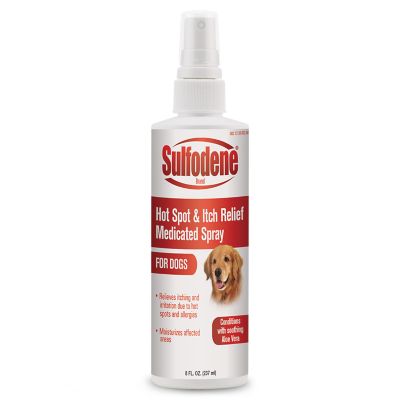
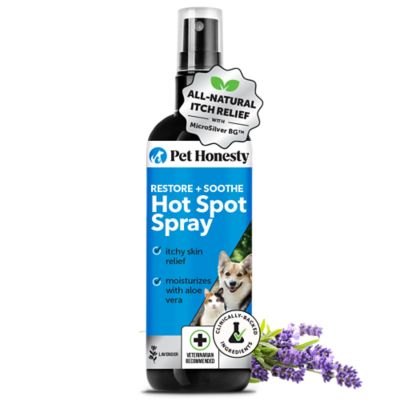
Best Allergy Itch Relief Spray for Dogs page, look closely at intended use, ingredients and application directions rather than treating every spray as interchangeable. Some formulas focus on moisture and soothing care, while others contain medicated ingredients with additional precautions. Wipes can suit small areas and between-bath cleanup, with soft material that moves over the skin without rough rubbing. Fragrance-free options may appeal to households trying to limit unnecessary scents, though that wording alone does not guarantee a formula will suit every dog. Sensitive areas around the eyes, inside the ears and near the mouth need particular care, and licking restrictions deserve attention before application. Human anti-itch creams, human medications and household mixtures are not substitutes for dog-labeled care without veterinary approval. Gentle brushes and smooth grooming surfaces also matter when skin feels tender. Pulling at tangles or brushing hard over a sore patch can add discomfort, even when the coat looks like it needs attention.
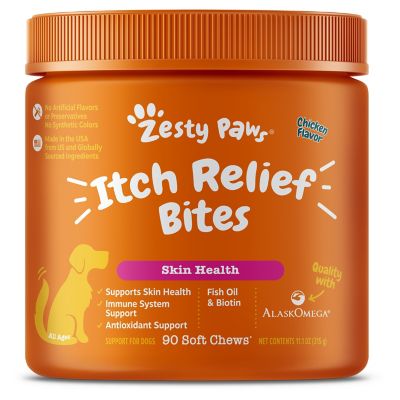
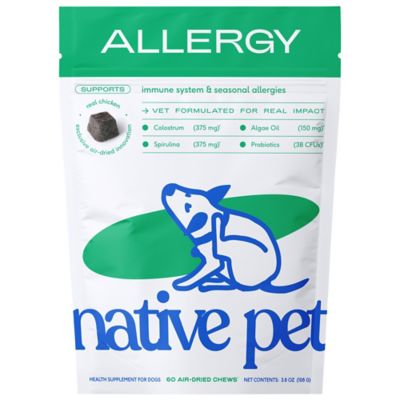
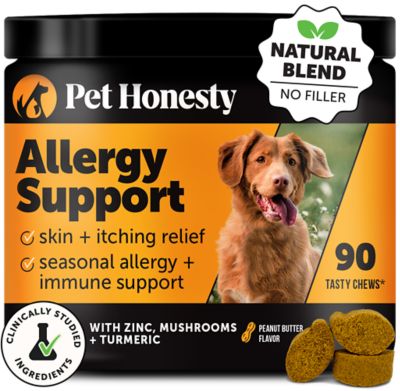
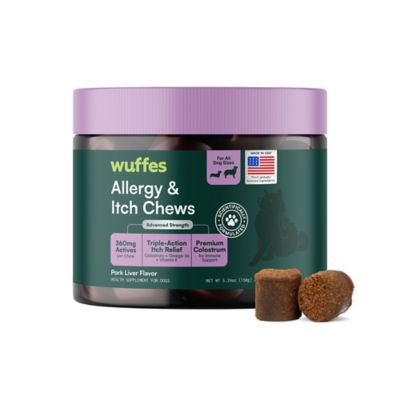
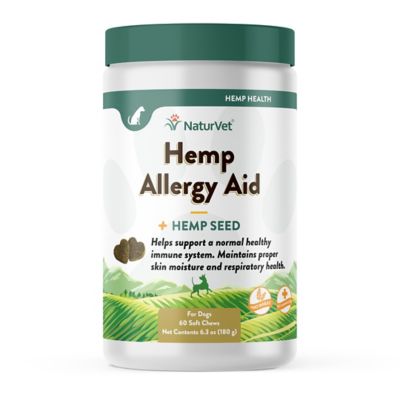
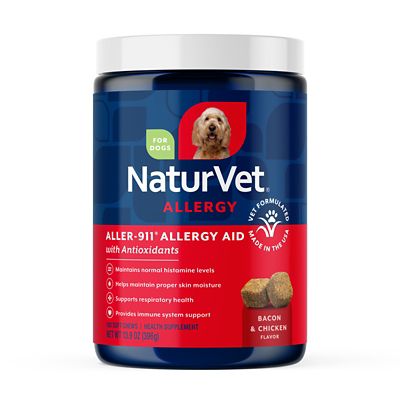
Care beyond the bottle can make a difference in keeping an itchy dog's routine manageable. Flea prevention is especially important when flea bites are behind the scratching, because even a small number of bites can cause considerable irritation in a sensitive dog. Preventive treatments have age, weight and species restrictions, and some dog formulas are dangerous to cats. Those label details matter in a home where pets share sleeping spaces or groom one another. More treatment is not necessarily better, and combining flea products calls for veterinary guidance. Skin and coat supplements are another category to consider alongside topical care. Omega-3 fatty acids can support normal skin function, but supplements do not provide immediate relief or replace treatment for parasites, infections or allergies. Amounts should follow product directions and veterinary advice, especially for dogs with health conditions or diets that already include added nutrients. A suspected food allergy also deserves a planned veterinary evaluation rather than repeated food changes that make the cause harder to sort out. Around the house, washable bedding, removable covers and easy-to-clean resting surfaces help make regular cleanup less of a chore. Smooth fabrics and neatly finished seams are worth considering for dogs that rub against their beds, while care labels show whether a cover can handle frequent laundering. Thorough rinsing and complete drying help keep bedding free of detergent residue and trapped moisture. Brushes, combs and other grooming tools need cleaning, too, so yesterday's coat buildup does not return to freshly washed fur. When a veterinarian recommends a protective collar to limit licking or chewing, proper fit matters: the dog should be able to breathe, drink and rest while the collar keeps the affected area out of reach. Closures that stay secure, edges that do not rub and materials that wipe clean make daily care easier. Keeping application tools clean, storing formulas as directed and checking expiration dates rounds out a practical routine built around the dog's comfort.