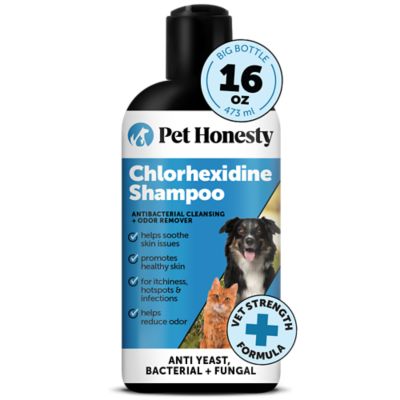
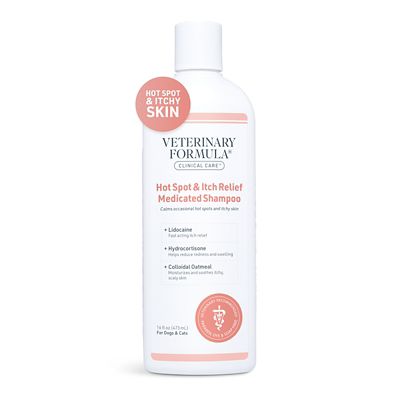
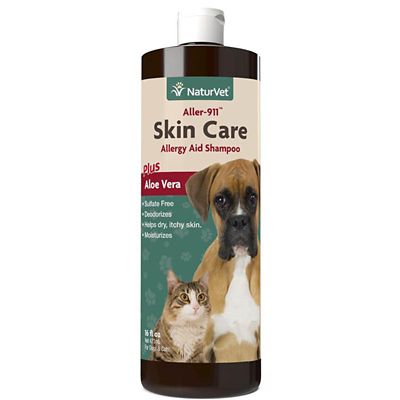
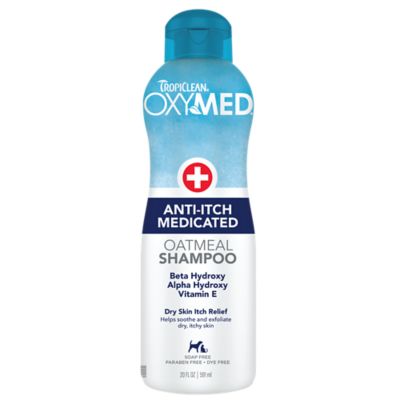
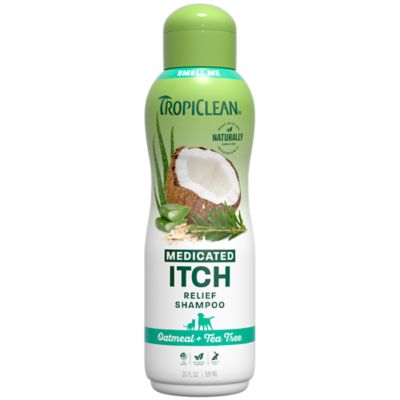
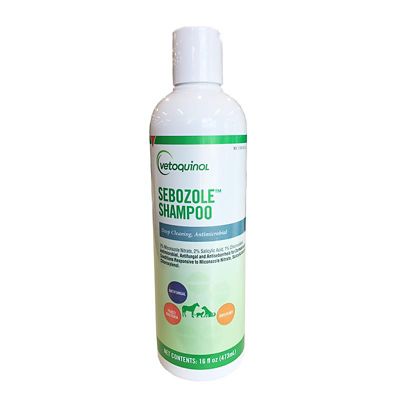
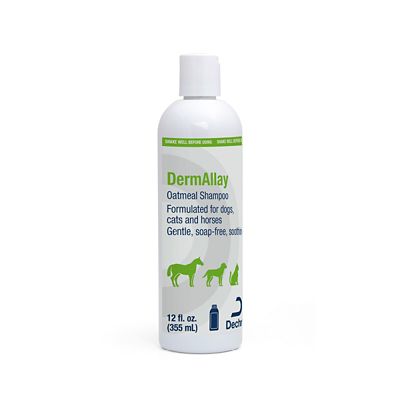
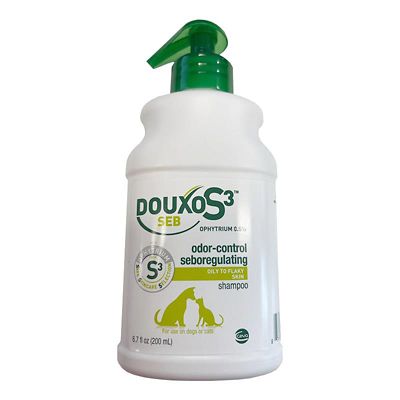
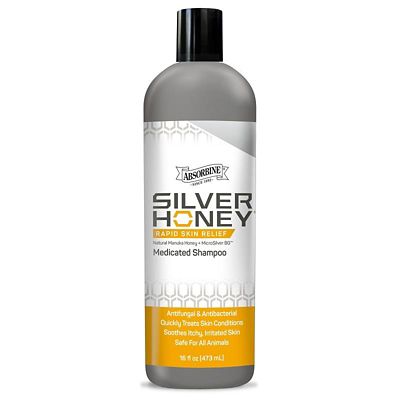
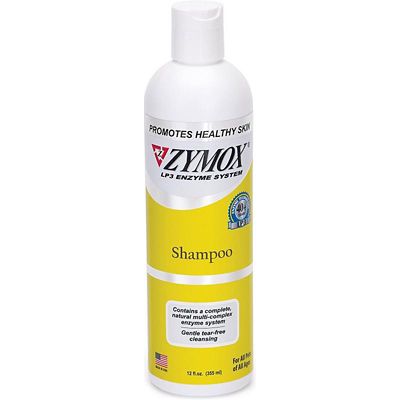
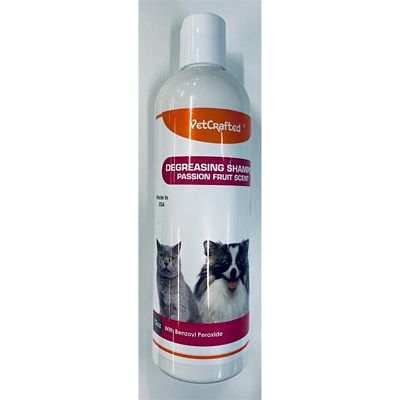
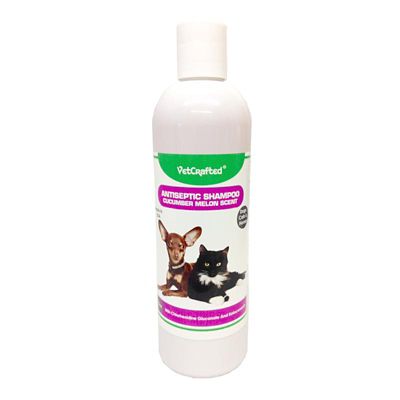
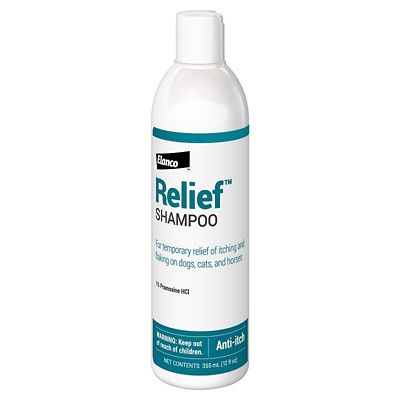
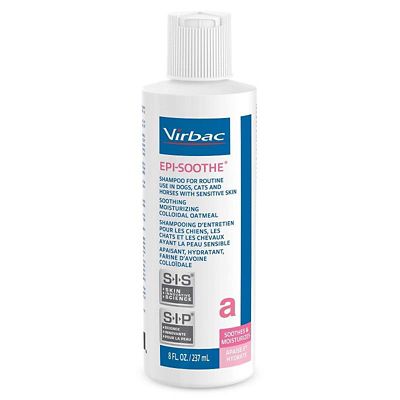
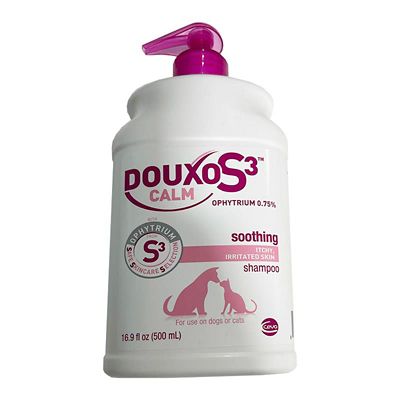
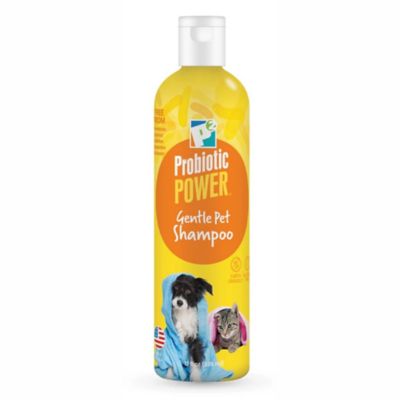
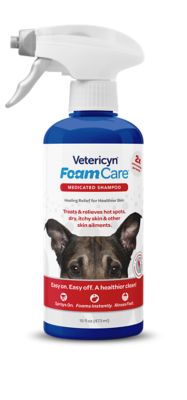
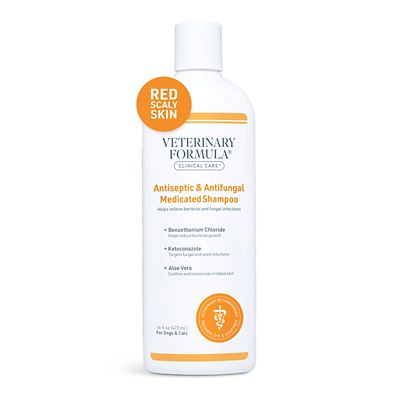
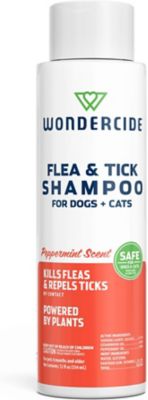
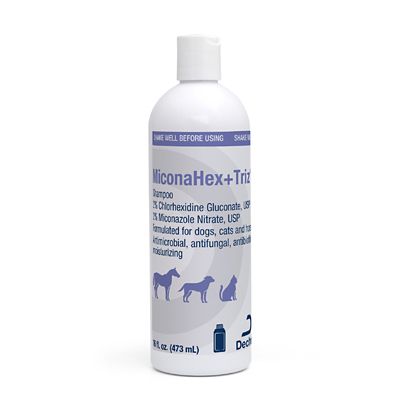
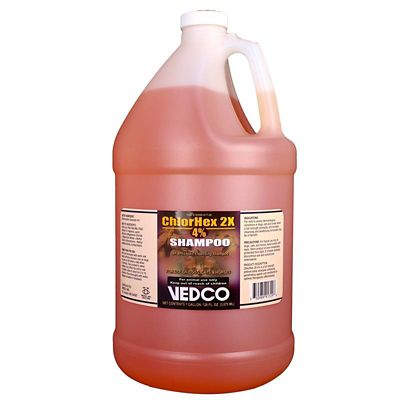
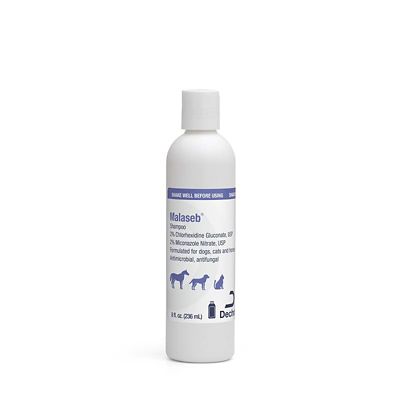
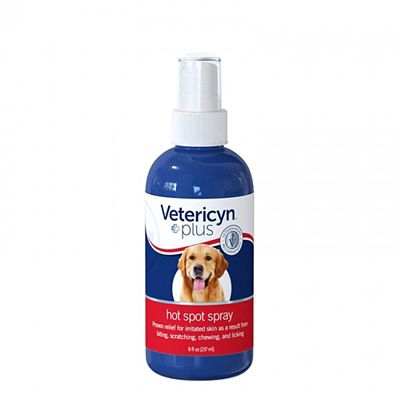
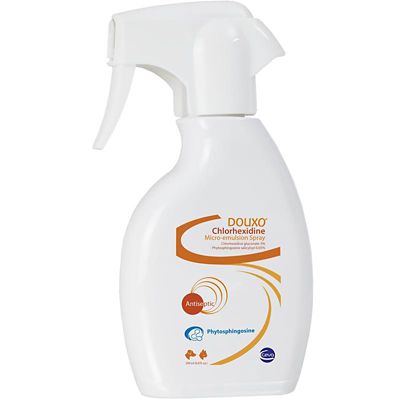
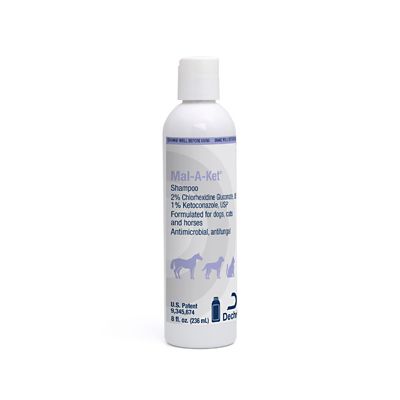
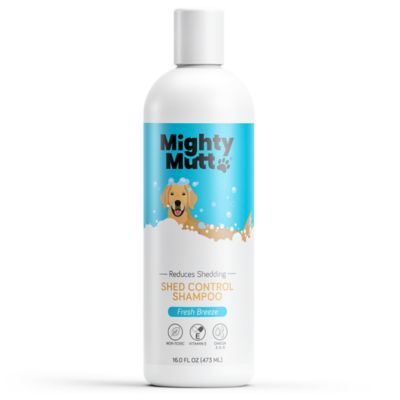
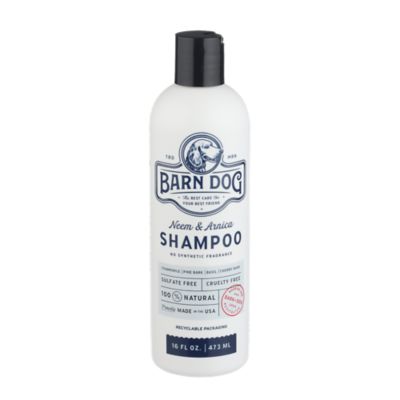
Cat shampoo for itchy skin is made for cleansing a cat’s coat while addressing needs such as dryness, flaking, and sensitivity. A suitable choice starts with a formula labeled for cats, with ingredients and directions that match your pet’s age and skin condition. Gentle cleansing matters because a strong wash or frequent bathing can strip away skin oils and leave an already scratchy cat feeling worse. Colloidal oatmeal is a common ingredient in soothing pet shampoos and may help ease discomfort associated with dry skin. Moisturizing ingredients such as glycerin and aloe vera in a cat-labeled formula can also help support skin hydration. The whole formula matters more than any single ingredient, though, and a plant-derived ingredient does not automatically make a shampoo safe for every cat. Fragrance-free options may be a good fit for cats with sensitive skin, especially when a heavily scented bath seems to leave them licking or scratching more. Soap-free formulas are another consideration, but that wording alone does not guarantee that a wash will suit your pet. Look for clear feline labeling rather than reaching for human shampoo or assuming a bottle meant for dogs will do the job. Cats have different grooming habits and sensitivities, and they can swallow residue when they lick their coats. Human shampoos may be unsuitable for feline skin, while some dog treatments contain ingredients that are dangerous to cats. This is especially important with flea shampoos: certain dog-only flea products contain permethrin, which is highly toxic to cats. A soothing shampoo is not automatically a flea treatment, either. For a house cat with flakes along the back or a barn cat scratching around the neck, the best match depends on what is behind the itch. Cleansing may remove dirt and loose flakes, but parasites, allergies, and skin infections call for attention beyond a bath. Persistent scratching, hair loss, scabs, sores, or redness are reasons to contact a veterinarian rather than keep trying different washes.
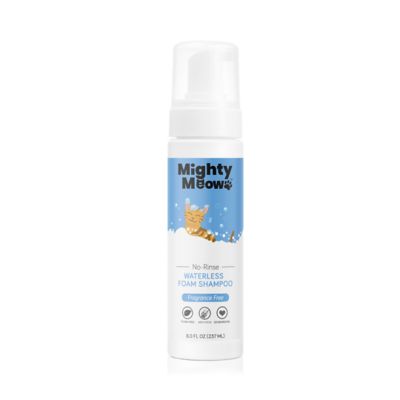
The right format also depends on the cat at the other end of the bottle. A rinse-off shampoo allows the cleanser, loosened dirt, and residue to wash out of the coat, making thorough rinsing an important part of its intended use. Waterless cat shampoos and cat-labeled grooming wipes offer different ways to handle light cleanup when a full bath is stressful or impractical. These options still need close attention to their directions, including whether the coat needs wiping afterward and whether grooming should be prevented until it dries. They are not interchangeable with a veterinarian’s prescribed skin treatment. For a longhaired cat, a formula that spreads readily and rinses clean can make it easier to work through the coat without leaving buildup near the skin. A shorthaired cat may need less shampoo, but a thin coat does not make irritated skin any less sensitive. Kittens need products that meet the label’s minimum age, and adult-cat labeling should never be taken as approval for a young kitten. Senior cats or pets that struggle to groom may need extra help with cleanup, along with a veterinary check if that change in grooming is new. Bottle design matters in everyday handling, too. A cap that opens easily, readable directions, and a container that closes securely can make bath time less awkward when one hand is steadying a restless cat. Concentrated formulas require the stated dilution; adding extra shampoo does not make a wash more soothing. Medicated shampoos are a separate consideration, with active ingredients and contact times intended for particular skin problems. Antifungal or antibacterial labeling is not a reason to choose one without knowing whether that treatment fits the problem. A veterinarian can help distinguish between a moisturizing wash for dry skin and a medicated wash for a diagnosed condition. When a cat also receives a topical flea treatment, check both labels and ask the veterinarian about bath timing, since bathing can affect some treatments. Keeping those details straight helps the grooming routine support the rest of the cat’s care instead of working against it.
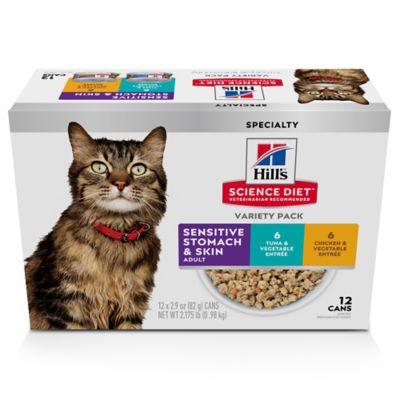
A comfortable bath depends as much on handling and rinsing as on the shampoo itself. A nonslip surface, gentle handling, and a towel within reach help keep the setup manageable for a cat that would rather be anywhere else. Follow the bottle’s directions for application, contact time, and rinsing, and keep shampoo away from the eyes, mouth, and ear canals. Scrubbing at scabs or working cleanser into open sores can make matters worse; those areas need veterinary advice. For rinse-off formulas, leftover cleanser can contribute to irritation, so attention to the belly, legs, and thick patches of fur matters. Gentle towel drying is usually less upsetting than a loud dryer, and rough rubbing can bother tender skin. More baths are not necessarily better. Most healthy cats do much of their own grooming, and the right bathing frequency depends on their condition, the formula, and any veterinary recommendations. Between baths, gentle brushing, when the skin tolerates it, can remove loose hair and make it easier to notice flakes, thinning patches, or changes in the coat. Clean bedding and well-maintained grooming tools also belong in the picture, whether the cat spends its days on a porch cushion or curled up beside the couch. Store shampoo tightly closed according to its label, away from pets and children, and check its expiration date before reaching for an older bottle. Skin care can involve nutrition as well as grooming, but shampoo cannot resolve a food allergy and changing food is not a quick test for one. The
Cat Food for Sensitive Skin page offers a related place to consider nutrition alongside a veterinarian’s advice. Suspected food allergies may require a supervised elimination diet rather than repeated food changes. For everyday shopping, clear ingredient information, feline-specific directions, and a format that suits the cat’s tolerance are practical priorities. The goal is a coat that rinses clean and a routine that respects sensitive skin, without treating every scratch as a problem that another bath can fix.