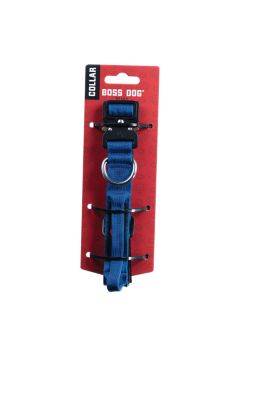
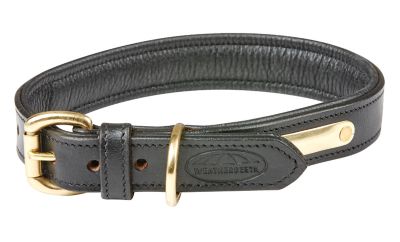
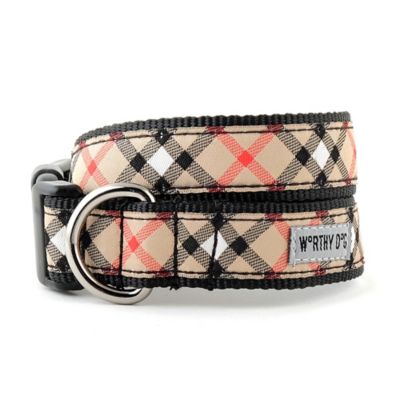
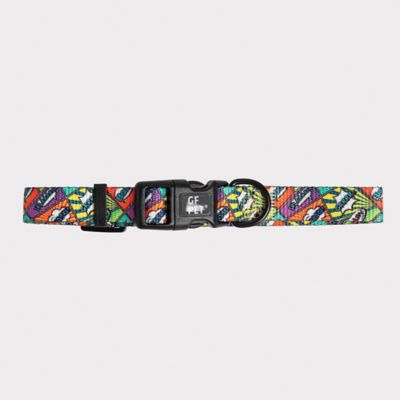
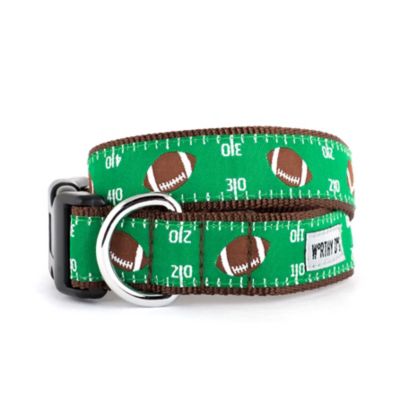
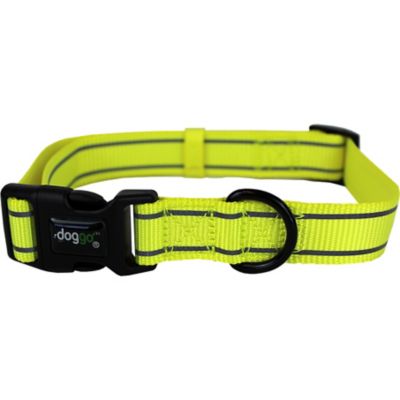
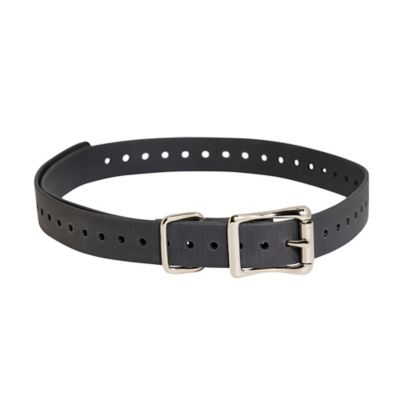
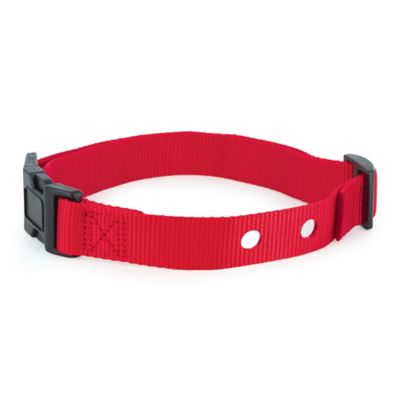
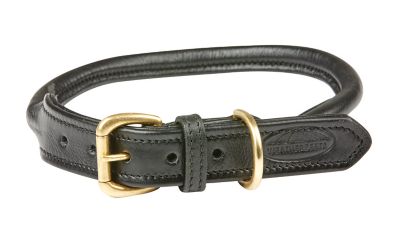
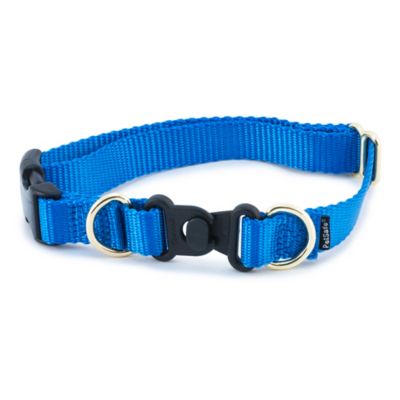
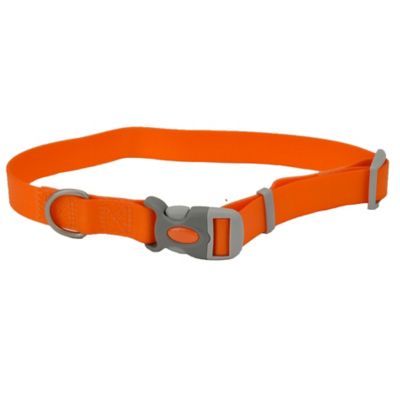
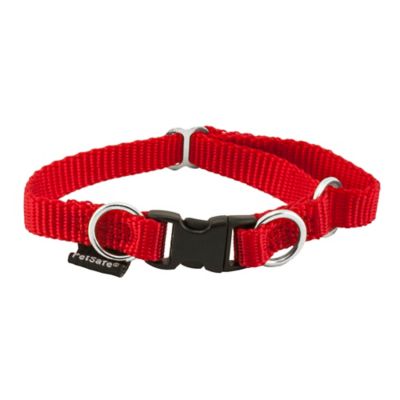
Well-made dog collars bring together a comfortable fit, strong materials, secure hardware, and a sturdy attachment point for identification. That combination matters whether a dog spends the day snoozing beside the feed room or heading down the lane for a walk. Nylon dog collars are a common choice for everyday wear because the webbing is generally lightweight, flexible, and easy to clean. Polyester webbing offers another practical option, with care needs that depend on the weave, finish, and hardware. Smooth edges and neatly finished seams help keep either material comfortable against the neck, especially on short-haired dogs. Leather dog collars have a more substantial feel and can soften with proper care, though they need attention to stay supple rather than dry and stiff. For dogs that come home with dirt worked into every corner, coated webbing offers a smoother surface that can be easier to wipe clean. A waterproof strap does not necessarily mean every buckle, ring, or nameplate needs the same care, so the full construction matters as much as the main material. Metal buckles, side-release closures, and leash rings each bring different handling considerations. A buckle should close completely without sticking, while an adjustment slide should hold its position instead of creeping loose during normal wear. Reinforced stitching around attachment points helps support the areas that take repeated strain. Leash rings should have smooth surfaces without sharp edges that could damage a leash clip or rub against the dog. Separate tag loops can keep identification from crowding the leash connection, but a tag loop is not a substitute for a designated leash ring. Reflective stitching or trim can make a collar easier to notice when light hits it, although it does not replace a light or close supervision. Color and pattern add personality, but the parts doing the everyday work are the strap, seams, closure, and attachment hardware.
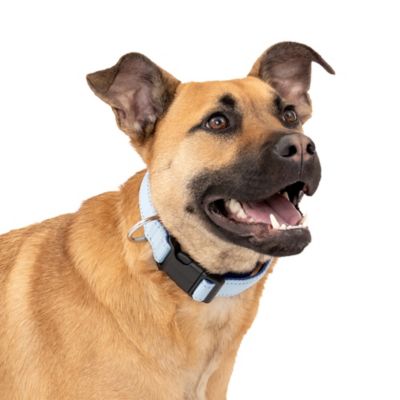
A dog collar should fit the dog wearing it, not just match a breed name on a label. Neck circumference, collar width, coat thickness, and hardware weight all play a part in comfort. A flexible tape measure around the spot where the collar normally rests gives a better starting point than guessing from body weight. The maker’s sizing directions matter because one collar’s medium may fit differently from another’s. For many flat collars, room for two fingers between the strap and the neck is a common fit check, but the collar should also stay secure without slipping over the head. It should not press into the throat or bunch the skin during ordinary movement. Narrower straps and lighter buckles often suit smaller frames, while larger dogs may be comfortable in broader straps that spread contact across more of the neck. A broad collar is not automatically the right answer for every big dog, and heavy hardware can feel cumbersome on a smaller companion. The proportions found in
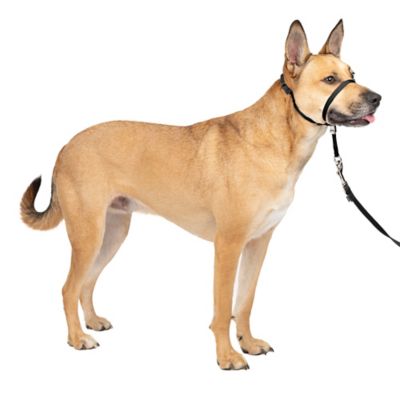
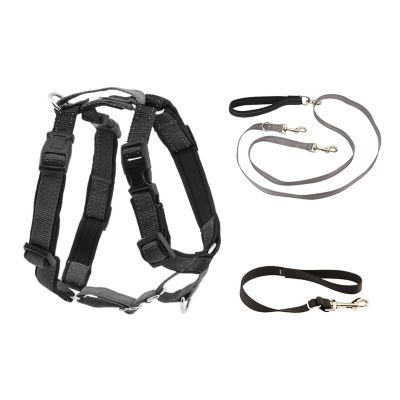
Small Dog Collars can be especially helpful when an oversized buckle or long strap tail would get in the way. Puppies need frequent fit checks as they grow, and adult dogs can need adjustments after changes in weight or coat thickness. Long hair should not get trapped beneath the buckle or twisted into the webbing. For dogs that back out of a flat collar, a properly fitted martingale may be an option for supervised walks, following its fitting and handling directions. Dogs that pull hard or have neck or airway concerns may benefit from a suitable harness for leash attachment, with guidance from a veterinarian or trainer when needed. A collar still has an important role in carrying identification, even when the leash clips to a harness. It is not a lifting handle, a vehicle restraint, or a safe substitute for equipment intended for tethering. The best match supports the dog’s routine without asking the collar to do a job it was not built for.
Regular care helps dog collars stay comfortable and makes wear easier to spot before it becomes a problem. Dirt, grit, skin oils, and trapped moisture can collect along the underside, particularly beneath thick coats or around a buckle. Fabric collars may allow hand washing with mild soap, while others have different cleaning requirements; the care label should set the routine. Thorough rinsing helps keep soap residue off the skin, and the collar should dry fully before going back on the dog. Leather generally calls for gentle cleaning and a suitable conditioner when recommended, rather than soaking or drying beside a heater. Coated straps often wipe down easily, but cracks, peeling edges, and damage around punched holes still deserve attention. A quick look at the stitching, adjustment points, buckle, and leash ring can reveal frayed fibers, loosened seams, corrosion, or bent hardware. A closure that no longer clicks or fastens properly is a reason to take the collar out of service. The skin underneath matters, too: redness, rubbing, a lingering odor, or hair loss can point to a fit or cleaning issue that needs attention. Collars and tags can catch on crate wires, fences, and other projections, making removal important whenever snagging or entanglement is a concern, particularly during unsupervised confinement. Identification should remain readable, whether it hangs from a tag or appears directly on the collar. A name and phone number can help someone contact the household, while a microchip with up-to-date registration adds another form of identification rather than replacing visible contact information. Quiet tag attachments can reduce clinking for dogs bothered by the sound. For a gift to someone welcoming a new companion or celebrating an adoption anniversary, knowing the dog’s neck measurement and daily routine makes the choice more thoughtful. The right collar feels at home in that routine: comfortable on a porch nap, practical on a neighborhood walk, and straightforward to fasten before heading out the door.