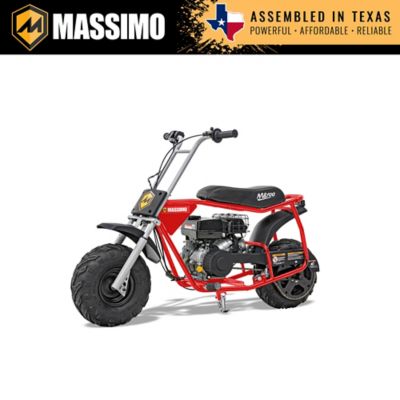
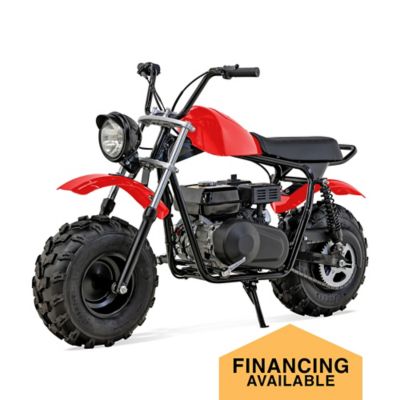
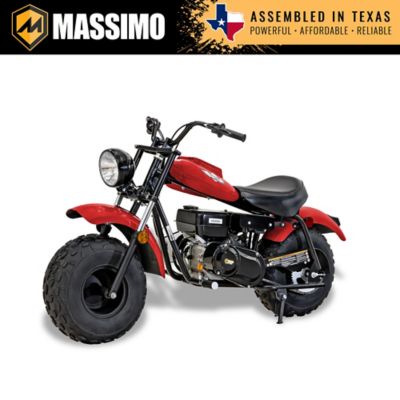
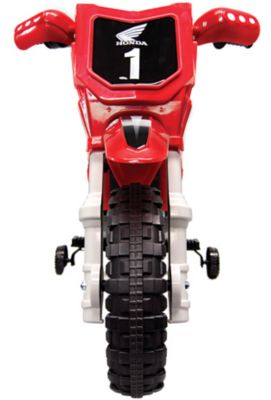
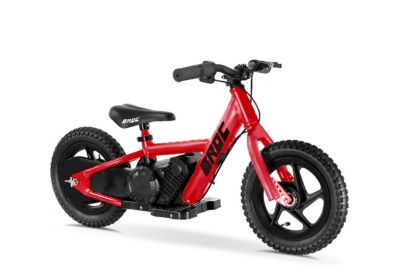
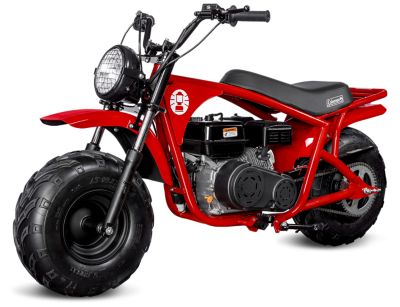
Red mini bikes are compact, motor-powered bikes built mainly for off-road recreation, with red body panels, fuel tanks, fenders, or frame accents that give them a bold look. The category includes gas-powered and electric designs, and the right fit depends on much more than color. Frame size, seat height, rider weight capacity, power delivery, and the manufacturer’s age recommendations all help determine who a bike is meant for. Some smaller designs are intended for younger riders within stated age limits, while others have the room and weight capacity for teens or adults. A small frame does not automatically mean a bike is suitable for a child or a first-time rider. Around a country property, these bikes can bring some fun to an open riding area or an established dirt trail where motorized riding is permitted. They are recreational machines, though, not substitutes for farm equipment, cargo haulers, or road-going motorcycles. Most off-road mini bikes are not street legal, and access rules can differ between private property, public trails, and local roads. That distinction matters when the nearest riding spot sits across a county road or beyond a neighbor’s fence line. Red finishes range from bright painted metal to molded plastic panels, with the exact construction varying by model. Painted steel can show scratches after contact with brush, while plastic panels have their own cleaning and care requirements. The color adds character but does not take the place of protective gear or make a rider easy to spot in every setting. A properly fitted motorcycle helmet, eye protection, gloves, long pants, and over-the-ankle boots belong with the bike from the start. For a birthday or holiday gift, rider fit and an appropriate place to ride matter more than a surprise reveal beside the barn. Younger riders also need active adult supervision and instruction suited to their experience. A bike that fits the rider and the riding area makes a better starting point than one chosen for engine size alone.
Gas and electric red mini bikes offer different ownership experiences, even when their silhouettes look much alike. Gas-powered versions have a combustion engine and need the fuel and lubrication specified in the owner’s manual. Four-stroke engines generally keep engine oil separate from gasoline, while two-stroke engines need a specified oil supply, often through a fuel-and-oil mixture. The engine instructions settle those details; guessing at a mixture or oil type can lead to expensive trouble. Electric versions run on a rechargeable battery and motor, with charging time, battery care, and access to a suitable outlet becoming part of the routine. They typically produce less operating noise than gas engines, although tire noise and drivetrain sound remain. Battery runtime varies with rider weight, hills, surface conditions, temperature, and throttle use, so a stated runtime is not a promise for every afternoon outside. Gas-bike range and performance vary with riding conditions, too. Engine displacement, measured in cubic centimeters, describes engine size rather than a guaranteed speed or carrying capacity. Shoppers comparing gas-powered options can also explore
125cc Minibikes, keeping frame dimensions, transmission type, and the intended rider in the comparison alongside displacement. Starting systems, throttle response, and braking arrangements differ across the category. A pull starter may take more strength and coordination than a rider expects, while an electric starter brings its own battery requirements. Some bikes have an automatic clutch or a simple transmission arrangement; others require more rider involvement. Brake location and lever reach deserve attention because a rider should be able to operate the controls comfortably without shifting into an awkward position. An engine stop switch, speed-limiting feature, or safety tether may be included on certain designs, but none replaces supervision, practice, or good judgment. Published top speeds and weight limits belong to the individual bike’s specifications, not the color or the mini-bike category as a whole. A red bike with chunky tires can still have very different limits from another that looks much the same.
The way a red mini bike feels on the ground comes down to its frame, tires, suspension, and fit as much as its motor. Steel tubing is common in mini-bike frames, while seat coverings, grips, fenders, and footrests vary in material and shape. A rider needs enough room at the knees and handlebars, a secure seating position, and comfortable access to the footrests and controls. Weight capacity is a firm limit, not a target to stretch, and a bike designed for one rider should stay a one-rider machine. Wide tires can provide a broad contact patch, while tread pattern and correct inflation influence how the bike handles on approved riding surfaces. Neither wide tires nor deep tread guarantees grip on wet grass, loose gravel, slick leaves, or frozen ground. Bikes without suspension transmit more bumps through the seat and handlebars, which becomes noticeable on a rutted lane or washboard stretch of dirt. Suspension-equipped designs still have terrain limits and should not be assumed suitable for jumps or rough technical trails. Cooler weather brings shorter daylight hours, damp ground, and patches of mud that can hide holes, so a familiar riding area can feel quite different after a change in weather. Keeping the bike in good shape starts with routine checks of tire pressure, brakes, throttle operation, fasteners, and the drivetrain according to the manual. Chain-driven designs need the specified chain adjustment and lubrication, while gas engines also need scheduled oil, air-filter, and spark-plug attention as applicable. After a dusty ride or a muddy afternoon, gentle cleaning helps keep grit from collecting around moving parts. High-pressure spray can force water into bearings, electrical connections, and other places it does not belong. Let hot components cool before cleaning or storage, and keep gasoline handling away from flames and ignition sources. Electric models need their specified charger and the manufacturer’s charging and storage conditions, especially as temperatures drop. A dry, sheltered storage spot helps protect metal surfaces, seat coverings, and electrical parts between rides. That everyday care helps a red mini bike stay ready for its next outing on suitable ground.