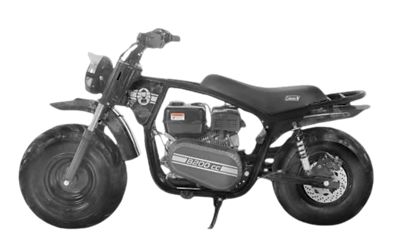
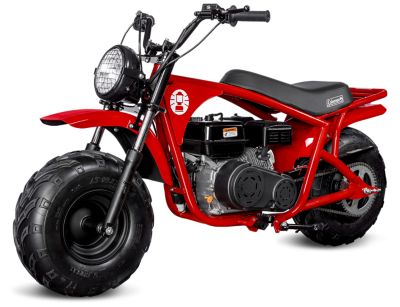
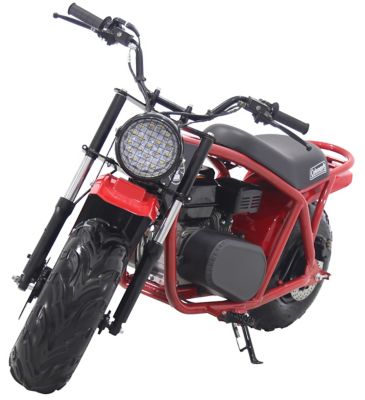
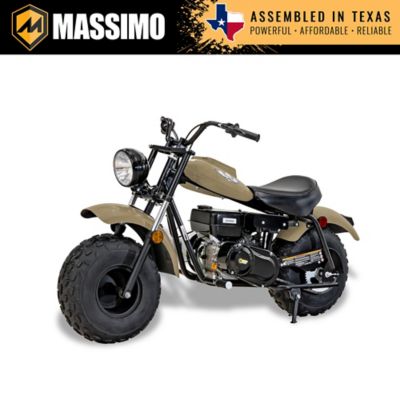
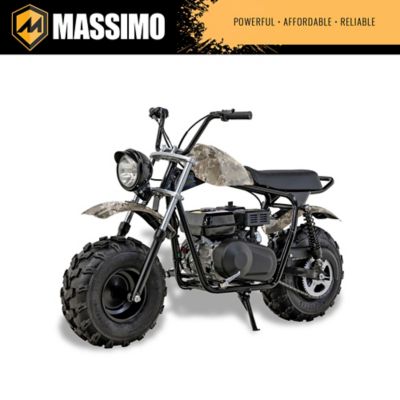
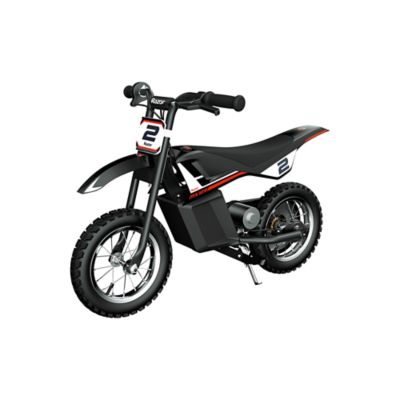
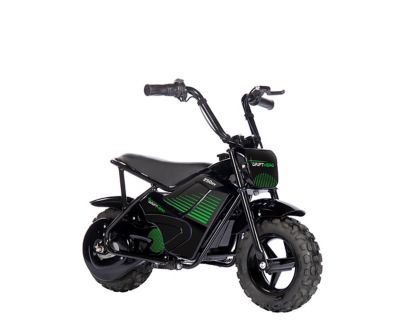
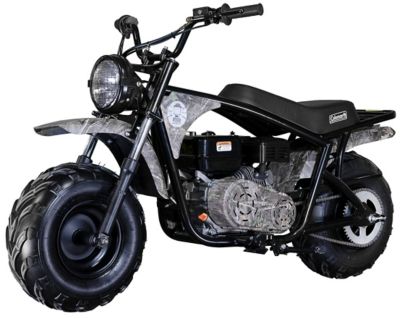
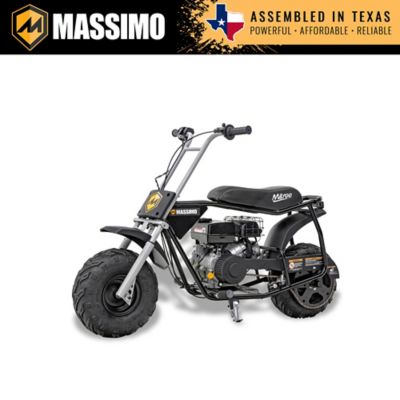
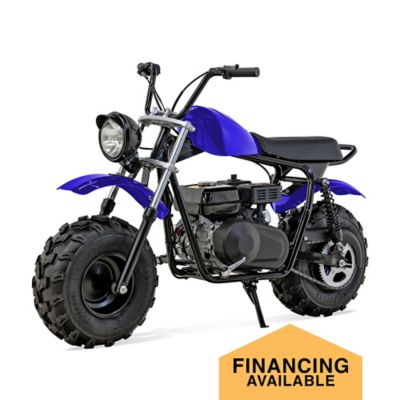
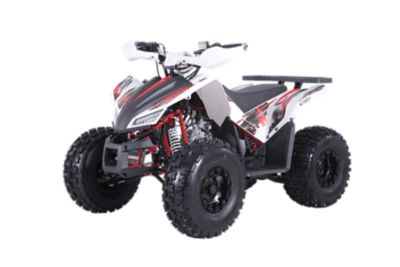
A 125cc minibike brings motorcycle-style riding into a smaller package, with a compact frame that can suit recreational rides on permitted trails, designated riding areas, or private land with the owner’s permission. The 125cc designation refers to engine displacement, not the bike’s physical size, rider age range, or guaranteed speed. Two bikes with the same displacement can feel quite different because of their gearing, wheel size, weight, suspension, and riding position. Many gas-powered minibikes in this class have four-stroke engines, though starting systems and transmission layouts vary. Some have manual clutches and foot-operated gears; others have semi-automatic transmissions that still require shifting but do away with a hand-operated clutch. Those differences matter when matching a bike to someone’s experience. A rider learning clutch control needs a different setup and practice environment than someone already comfortable shifting a motorcycle. Depending on manufacturer requirements and rider fit, this category may suit some teens and adults, but engine size alone does not establish suitability for either group. Seat height, load capacity, reach to the handlebars, and access to the controls all deserve a close look. A compact bike should still leave enough room for knees and elbows without making the rider stretch to steer or brake. Being able to support the bike securely at a stop matters just as much as feeling comfortable once it gets rolling. For country-property recreation, a smaller motorcycle can make an afternoon in an approved riding area feel like a welcome break from chores, but it is not a substitute for equipment built to haul supplies or pull a trailer. Nor does a headlight make an off-road minibike legal on public roads. Street operation depends on the bike’s certification, required equipment, registration, and state and local rules. Claimed top speeds also need context: rider weight, terrain, gearing, and conditions affect performance. The better match is a bike whose intended use and controls fit the rider, rather than one chosen mainly for a speed figure.
Frame construction, tire design, and suspension help explain how 125cc minibikes handle the ground beneath them. Steel frames are common in this category, providing a structural foundation for the engine, seat, and running gear, while body panels and fenders may combine metal and molded plastic. Construction details matter most in the context of the riding ahead. A smooth, maintained dirt loop presents different demands than a permitted trail with shallow ruts and scattered stones. Knobby tires can provide grip on loose surfaces, but tread alone does not make every bike suitable for mud, steep grades, or rough terrain. Wheel diameter, tire pressure, ground clearance, and suspension travel all influence how the bike responds. Smaller wheels can react more sharply to holes and obstacles, so a low seat should not be mistaken for an easier ride over uneven ground. Suspension designs range from simple arrangements to front and rear systems with adjustment options; any adjustments should follow the manufacturer’s directions and account for rider weight. Braking layouts differ, too, with disc or drum systems depending on the design. Brake lever reach and pedal placement should allow the rider to operate the controls without shifting awkwardly on the seat. On a manual-transmission minibike, coordinated clutch and throttle movement is part of pulling away smoothly, particularly on an incline. A semi-automatic setup simplifies one part of that process, but still calls for practice with gear selection, braking, and balance. Electric starting can make routine starts more convenient, while kick-start systems require the proper technique and a stable stance. Engine access, chain adjustment points, and clearly documented service requirements also contribute to ownership over time. Before any ride, a properly fitted motorcycle helmet, eye protection, gloves, over-the-ankle boots, and protective riding clothing belong alongside the bike. Young riders need to meet the manufacturer’s age requirements and have appropriate adult supervision. Riding instruction and a clear, level practice space help build familiarity before tackling more demanding ground.
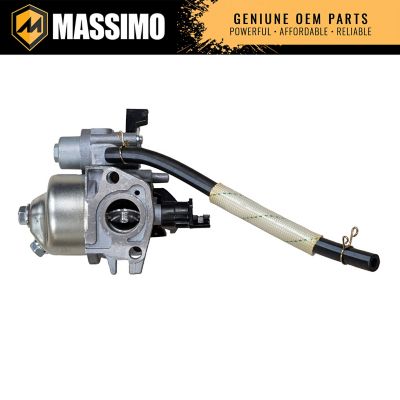
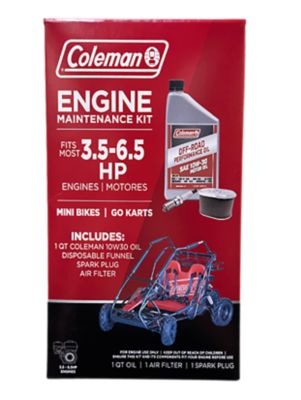
Caring for a gas minibike is part of keeping weekends on track, especially when riding means dust from a dry lane, damp leaves along a trail, or stretches of storage between outings. The owner’s manual sets the schedule for oil changes, air-filter service, chain care, and other checks; engine displacement by itself does not tell the whole maintenance story. Four-stroke engines generally keep engine oil separate from gasoline, so fuel and oil specifications should come from the manufacturer rather than assumptions about other small engines around the shed. Dusty conditions may call for more frequent air-filter attention under the stated service schedule. Drive chains need the specified slack and lubrication, and sprockets deserve inspection for wear. Tire pressure should be checked against the bike’s recommendations, not set by appearance or the tire sidewall’s maximum figure. A quick inspection of brakes, throttle return, controls, and fasteners before riding can catch trouble while the bike is still parked. After a muddy outing, cleaning away buildup makes leaks, loose parts, and wear easier to spot. Keep high-pressure water away from bearings, electrical connections, and intake openings, and let the bike dry before storage. During the cooler months, longer gaps between rides make fuel storage and battery care worth planning around. Follow the manual’s directions for fuel treatment or draining, keep batteries maintained as directed, and store the bike in a dry, secure place away from ignition sources. Never run a gasoline engine inside a barn, garage, or other enclosed space, even with a door open. For a gift, the right fit involves more than wrapping a helmet beside the handlebars: the recipient needs an appropriate place to ride, suitable experience, and a practical way to transport and store the bike. A look at
Top Rated Minibikes can offer another point of comparison, while rider measurements, manufacturer specifications, and the intended riding setting remain the foundation of a sensible choice. With those details lined up, a 125cc minibike can fit naturally into time outdoors without overlooking the responsibilities that come with a motor, two wheels, and open ground.