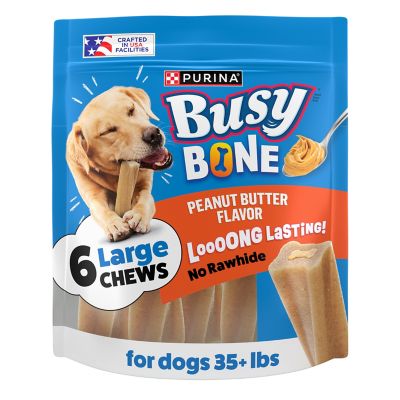
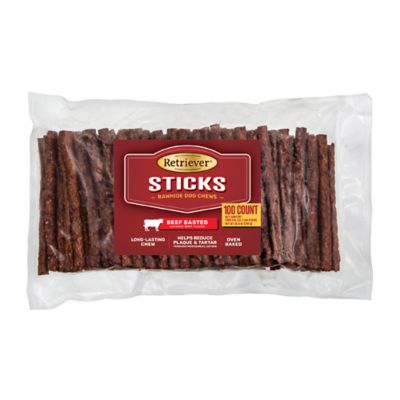
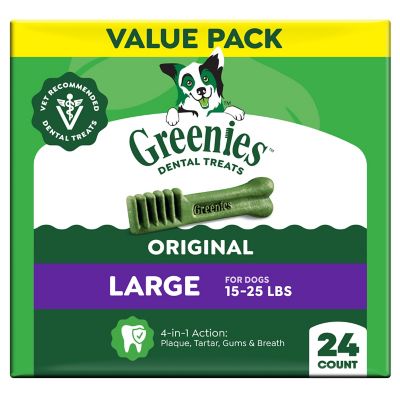
Elk dog treats give your dog a tasty way to enjoy a less-common protein, whether you’re rewarding good manners, filling a busy afternoon, or adding a little variety to the food bowl. Elk is naturally lean and protein-rich, making it a popular choice for pet parents looking beyond everyday beef or chicken treats. It can also be a useful novel protein for dogs that have shown sensitivities to more familiar ingredients, though every dog is different and a veterinarian can help you sort through ongoing food concerns. Elk treats come in several forms, so it pays to match the texture and size to the dog standing at your feet. Soft jerky strips and tender meat pieces are handy for training because they can be broken into small rewards without slowing down a walk, obedience session, or trip to the barn. Freeze-dried elk bites are lightweight, easy to carry in a pocket or treat pouch, and can be offered whole or crumbled over a regular meal as a flavorful topper. Crunchy biscuits and baked snacks bring a satisfying texture for dogs that like to chomp, while mixed-ingredient recipes may include grains, vegetables, or other wholesome additions. For a broader selection of simple, minimally processed options, browse
Natural Dog Treats. When choosing elk dog treats, check the ingredient panel first and look for a recipe that fits your dog’s regular diet. A short ingredient list may be helpful for dogs with known sensitivities, while a more complete baked treat can work well for everyday rewards. Keep the treat’s calorie content in mind, especially for smaller dogs or pets that are less active during cooler weather. Treats should complement a balanced dog food rather than replace it, and the portions may need to be reduced if you use rewards throughout the day. A good rule on the farm is to keep training pieces no bigger than needed; a pea-sized bite can be plenty for a dog that is eager to please. For a growing puppy, senior dog, or pet with dental concerns, softer treats may be more comfortable than hard chews. Always introduce a new protein gradually and watch for changes in digestion, skin, or energy.
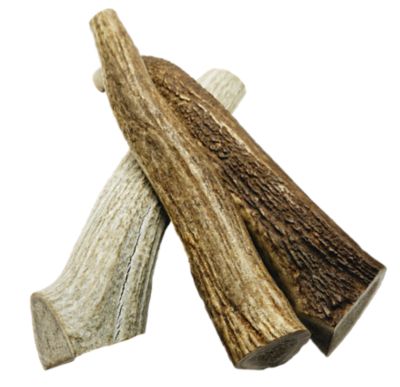
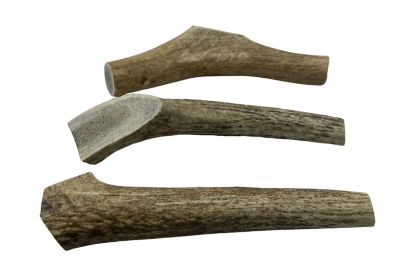
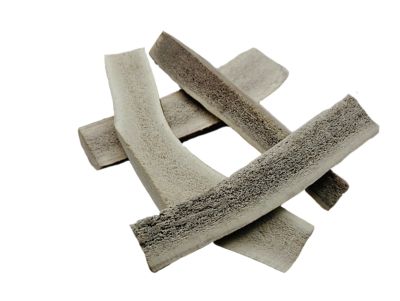
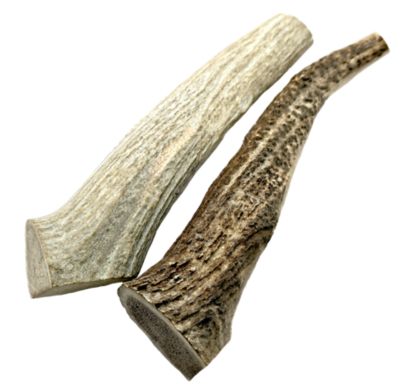
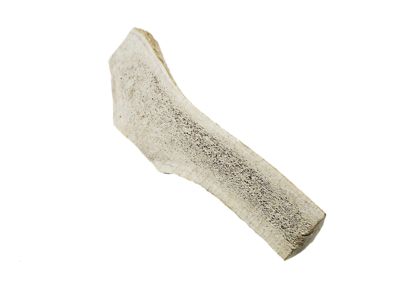
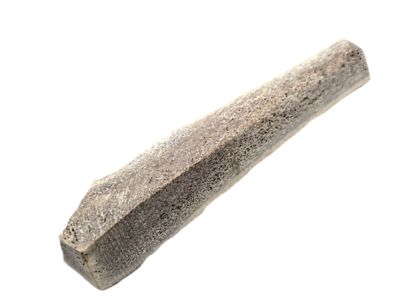
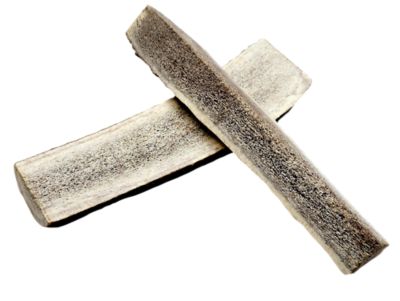
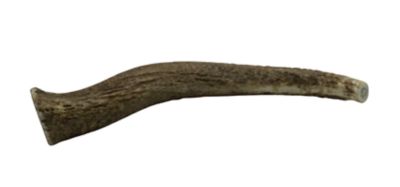
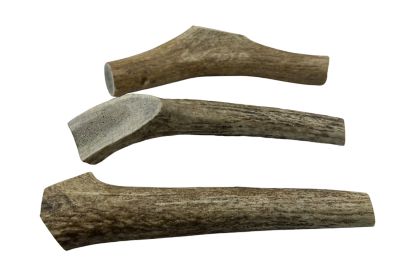
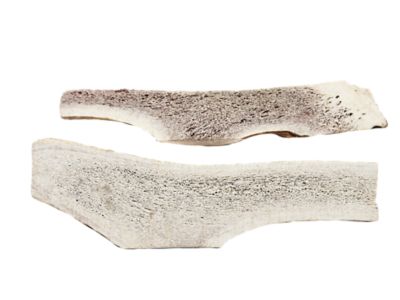
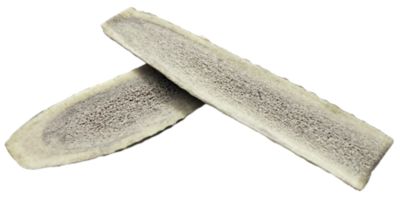
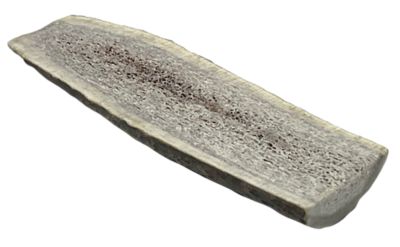
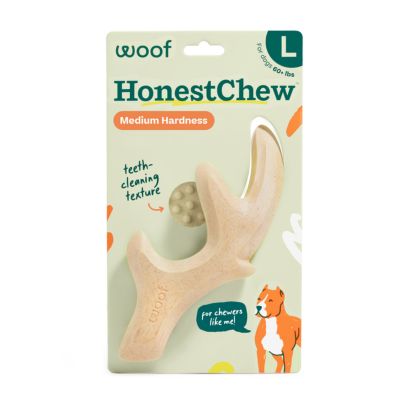
Elk chews offer a different experience from edible training treats. Naturally shed antlers are hard, long-lasting options for dogs that enjoy settling in with a serious gnaw, and they can help satisfy the urge to chew when a dog is bored or restless. Whole antlers are generally better suited to strong chewers, while split styles expose the marrow and may be easier for some smaller, older, or less determined dogs to reach. Even sturdy chews need supervision. Take the chew away if it becomes small enough to swallow, develops sharp edges, or shows signs of cracking, and avoid hard items for dogs with weak or damaged teeth. A chew should be large enough that your dog cannot fit the whole piece in its mouth. Jerky, freeze-dried bites, and crunchy snacks are often more practical for a dog that rides along in the truck, tags along on a trail, or waits patiently while chores get done. They also make useful gifts for friends and family with a new puppy, an active sporting dog, or a four-legged companion that deserves something special during the cooler months. For a welcome-home basket, pair a few elk treats with a durable toy or a fresh food and water setup; for a working dog, small high-value pieces can fit neatly in a pocket during lessons in the yard. Store treats in a cool, dry place and follow the package directions, especially after opening freeze-dried or soft products. Fresh water should always be available, and treats are best offered according to your dog’s size, age, chewing habits, and overall health. Whether you’re rewarding a calm sit on the porch, marking a clean recall across the pasture, or giving your old companion a flavorful bite beside the woodstove, elk dog treats can bring variety and enjoyment to the everyday routine.